


Key Takeaways for Homeowners
- Spring flooding in Greenfield and Indianapolis frequently delivers Category 3 water (grossly contaminated per IICRC S500 standards), carrying sewage, chemicals, and pathogens.
- Mold colonization begins within 24 to 72 hours; delaying professional intervention risks structural compromise and mycotoxin exposure.
- Local climate factors, including Indiana’s high spring humidity and clay-heavy soils, accelerate moisture retention in basements and crawl spaces.
- PuroClean Disaster Restoration provides 24/7 emergency water extraction, moisture mapping, and full structural drying for Greenfield, Indianapolis, and surrounding neighborhoods. Call (317) 467-4436 now.
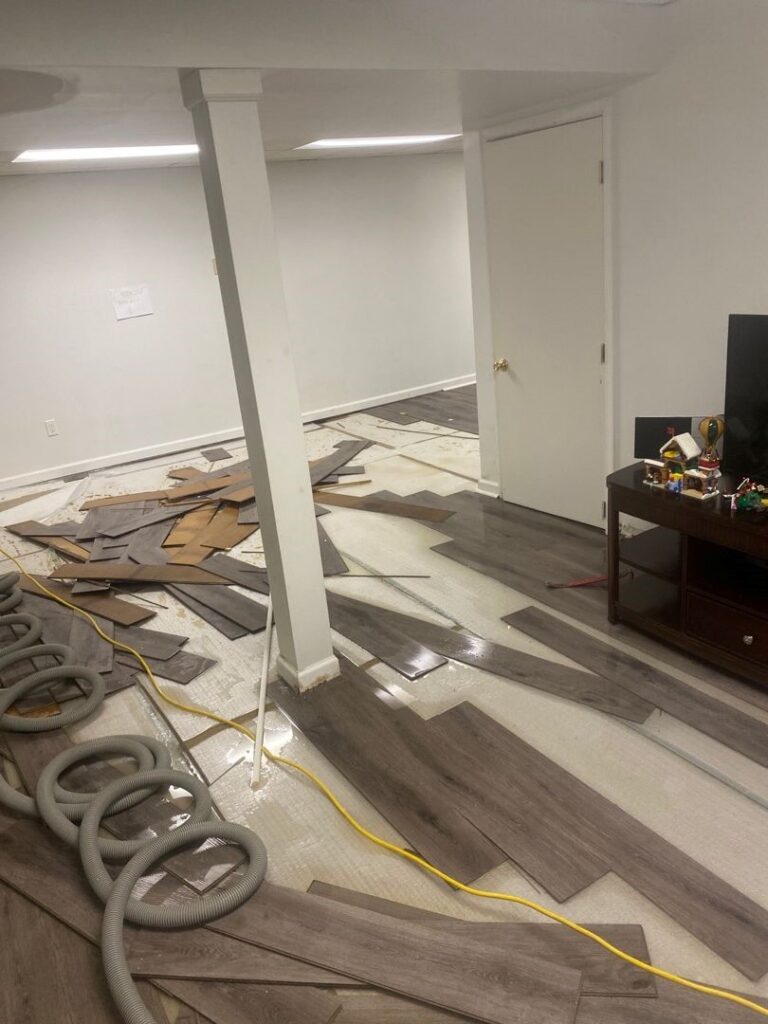
What Makes Spring Flood Water Damage in Greenfield and Indianapolis Uniquely Dangerous?
Spring storms across Hancock and Marion counties do not merely bring rainwater. They deliver what the Institute of Inspection, Cleaning and Restoration Certification (IICRC) classifies as Category 3 water, or “black water.” This designation applies when floodwater contains pathogenic agents, toxins, and gross contamination from overwhelmed municipal sewer systems, agricultural runoff, and industrial discharge common in the Indianapolis metropolitan watershed.
The geospatial reality of Greenfield and Indianapolis compounds this threat. Our region sits within the West Fork White River and Fall Creek watersheds, where clay-dominant soils drain poorly and seasonal freeze-thaw cycles create hydrostatic pressure against foundation walls. Many homes in Greenfield’s older neighborhoods and Indianapolis’s Broad Ripple, Irvington, and Fountain Square districts feature limestone block foundations or pre-1980s poured concrete with minimal waterproofing, making them especially vulnerable to seepage and capillary wicking.
Local building codes under the Indiana Residential Code 2020 require floodplain construction to meet ASCE 24 standards, yet many existing homes in these historic neighborhoods predate modern flood-resistant material requirements. When spring storms arrive, the combination of saturated ground, aging infrastructure, and high humidity creates a perfect environment for rapid microbial amplification.
Step 1: Ensure Personal Safety and Cut Electrical Power
Why Is This the Non-Negotiable First Action?
Before entering any flooded area, verify that electricity and gas services are disconnected at the main panel. Water is a conductor, and submerged outlets or appliances create lethal electrocution hazards. If your electrical panel is in a flooded basement, do not attempt to access it yourself. Contact your utility provider or a licensed electrician immediately.
What Contaminants Are You Actually Facing?
Category 3 floodwater in the Indianapolis area typically contains:
- Enteric pathogens (E. coli, Salmonella, Norovirus) from combined sewer overflows
- Petroleum hydrocarbons and heavy metals from urban stormwater runoff
- Agricultural fertilizers and pesticides from upstream Hancock County farmland
- Mycotoxins released by pre-existing mold colonies disturbed by flooding
Do not wade through floodwater without proper personal protective equipment (PPE), including rubber boots, nitrile gloves, and N95 respirators.
Step 2: Document Everything for Insurance and Restoration Records
How Should Homeowners Photograph and Catalog Damage?
Comprehensive documentation determines whether your claim is approved or denied. Capture wide-angle shots of every affected room, then close-ups of standing water depth, damaged materials, and visible mold growth. Record serial numbers of damaged appliances and HVAC components.
Create a written inventory with purchase dates and approximate values. Indiana follows a “named perils” framework for most standard homeowners policies, meaning flood damage requires a separate National Flood Insurance Program (NFIP) policy or private flood rider unless caused by a covered peril such as wind-driven rain entering through a compromised roof.
Step 3: Extract Standing Water Within the First 24 Hours
What Equipment Delivers Professional-Grade Results?
DIY shop vacuums cannot handle Category 3 water safely or effectively. Professional water extraction requires:
- Truck-mounted submersible pumps for high-volume removal
- Weighted extraction wands for carpet and pad saturation
- Squeegee wands for hard surface water removal
- HEPA-filtered wet/dry systems to prevent aerosolization of contaminants
IICRC S500 establishes that extraction is the most critical phase of water damage restoration. Every gallon removed mechanically reduces the energy and time required for structural drying by a factor of ten.
Step 4: Deploy Structural Drying and Psychrometric Control
What Is Psychrometrics and Why Does It Matter?
Psychrometrics is the study of air moisture properties. Effective structural drying requires manipulating three variables: temperature, humidity, and airflow. Restoration professionals use:
- Low-grain refrigerant (LGR) dehumidifiers to extract vapor from the air
- Axial and centrifugal air movers to create laminar airflow across wet surfaces
- Desiccant dehumidifiers for dense materials like hardwood and plaster
- Thermal imaging cameras and moisture meters to verify drying progress
In Indianapolis’s humid continental climate, spring relative humidity frequently exceeds 75 percent, making professional-grade dehumidification essential. Basements in Greenfield’s historic district, particularly those with limestone foundations, may require extended drying cycles due to capillary moisture wicking through porous masonry.
Step 5: Apply Antimicrobial Biocide and Prevent Secondary Damage
What Is an Antimicrobial Biocide and When Is It Applied?
An antimicrobial biocide is an EPA-registered disinfectant applied to non-porous surfaces after water extraction to neutralize pathogenic organisms. Common formulations include quaternary ammonium compounds and chlorine dioxide solutions. These agents target bacteria, viruses, and fungal spores left behind by Category 3 water intrusion.
Application must follow IICRC S520 mold remediation protocols. Biocides are not a substitute for physical removal of contaminated porous materials such as drywall, insulation, or carpet padding. In Indianapolis homes with post-flood conditions, biocide treatment is typically followed by HEPA vacuuming to capture settled spores.
Step 6: Conduct Moisture Mapping and Establish a Drying Plan
What Tools Create an Accurate Moisture Map?
Moisture mapping is the systematic documentation of moisture content across all affected building materials. Technicians use:
- Non-invasive moisture meters with radio frequency sensors
- Pin-type probes for precise wood moisture content readings
- Hygroscopic sensors to track relative humidity in wall cavities
- Infrared thermal imaging to identify hidden moisture pockets
A proper moisture map establishes drying goals based on species-corrected wood moisture content and equilibrium relative humidity. For example, oak flooring in an Indianapolis ranch home should return to 6 to 9 percent moisture content before refinishing or replacement.
Step 7: Inspect for Mold and Implement Containment if Needed
What Are the Signs Mold Is Already Active?
Mold colonization can begin within 24 to 72 hours under favorable conditions. Warning signs include:
- Visible discoloration (black, green, or white patches) on drywall or framing
- Musty, earthy odors indicating microbial volatile organic compounds (MVOCs)
- Allergic symptoms: respiratory irritation, watery eyes, skin rashes
- Warping or bubbling of painted surfaces
If mold is suspected, IICRC S520 mandates containment barriers using 6-mil polyethylene sheeting, negative air pressure machines with HEPA filtration, and proper PPE for remediation technicians. Disturbing mold colonies without containment releases spores and mycotoxins into occupied spaces, creating cross-contamination risks.
FAQ: Answering Complex Long-Tail Questions for Greenfield and Indianapolis Homeowners
Does Home Insurance Cover Mold Caused by High Humidity in Greenfield, Indianapolis?
Standard HO-3 policies in Indiana typically exclude mold damage unless it results from a covered peril, such as a burst pipe or wind-driven rain. Mold caused by chronic humidity, poor ventilation, or maintenance neglect is generally not covered. However, if mold growth directly follows a covered water damage event and you act promptly to mitigate, your insurer may cover remediation up to policy sublimits, commonly $1,000 to $10,000. Document your mitigation efforts with photos and professional drying logs to strengthen your claim.
How Long Does Complete Structural Drying Take in Indiana’s Climate?
Standard drying for a flooded basement in Indianapolis requires 3 to 5 days under professional conditions. However, limestone block foundations, common in Greenfield’s historic homes, may require 7 to 10 days due to capillary moisture retention. Dense materials like hardwood, plaster, and brick extend timelines further. Rushing this process risks trapped moisture and future mold outbreaks.
Are Crawl Space Floods in Indianapolis Homes Dangerous?
Yes. Crawl spaces in Indianapolis’s 1950s to 1970s ranch homes often have dirt floors and minimal vapor barriers, creating ideal conditions for wood rot, termite infestations, and subfloor mold. Spring floodwater in crawl spaces introduces Category 3 contamination directly beneath your living space. Professional crawl space encapsulation, sump pump installation, and dehumidification are critical preventive measures.
What Local Building Codes Apply to Flood-Damaged Homes in Indianapolis?
The Indiana Residential Code 2020, based on the 2018 IRC, requires that substantial improvement or repair of substantially damaged buildings in flood hazard areas comply with ASCE 24 flood-resistant design standards. Homes in A Zones must elevate electrical, HVAC, and plumbing systems above the design flood elevation. If your home is in a designated floodway, you may need an Indiana Department of Natural Resources permit before reconstruction.
Why PuroClean Disaster Restoration Is the Authority for Greenfield and Indianapolis
PuroClean Disaster Restoration serves Greenfield, Indianapolis, and surrounding Hancock and Marion County neighborhoods with IICRC-certified technicians, commercial-grade extraction and drying equipment, and deep local knowledge of Indiana’s spring flood patterns. We understand the unique challenges of historic Indianapolis homes, clay soil drainage issues, and the urgency of preventing secondary mold damage.
If you are experiencing spring flood water damage in Greenfield, Indianapolis, Broad Ripple, Irvington, Fountain Square, or nearby neighborhoods, call PuroClean Disaster Restoration immediately at (317) 467-4436. Our emergency response team is available 24/7 to stop damage before it destroys your home.