Reviewed for technical accuracy by PuroClean Disaster Restoration’s IICRC-certified restoration team.
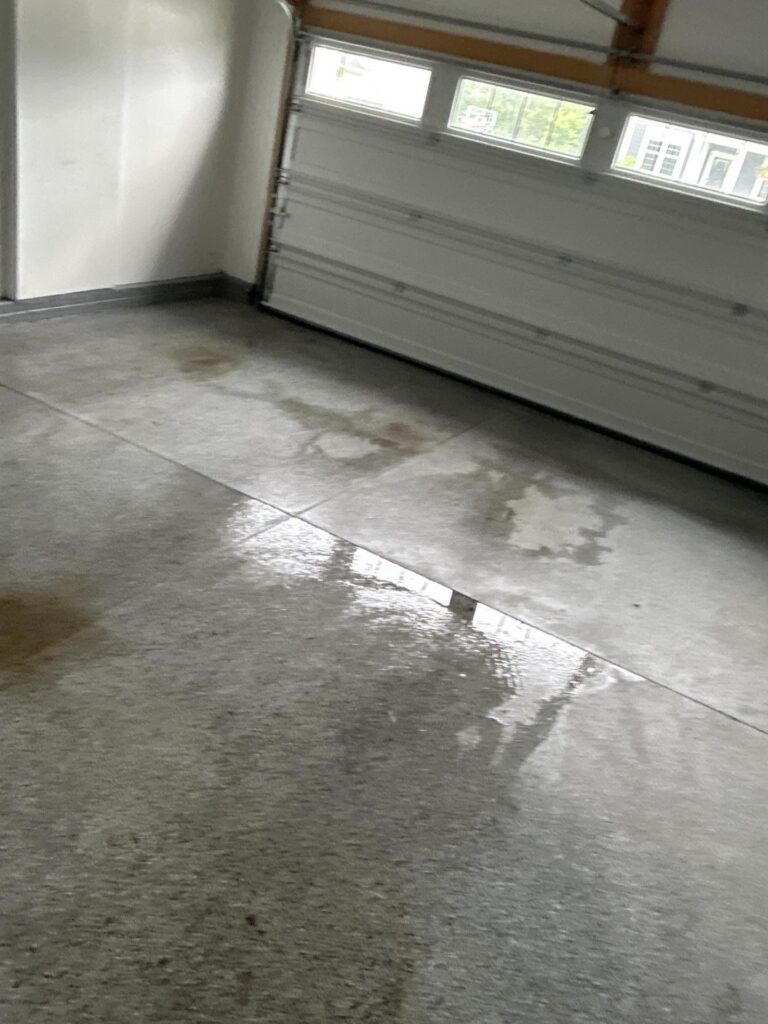
Water damage restoration in Greenfield, Indiana follows the IICRC S500 Standard for Professional Water Damage Restoration, the industry benchmark that governs how quickly water must be removed and how a home must be dried to prevent secondary damage. When water sits in a home for more than 24 to 48 hours, the S500 standard classifies the loss differently, and the cost of repair climbs fast. Homeowners in Hancock County who call for extraction within the first few hours consistently spend a fraction of what delayed responses cost.

Key Takeaways for Homeowners
- Water left untreated for 24 to 48 hours can trigger mold growth under IICRC guidelines, adding remediation costs on top of drying costs.
- Greenfield’s spring snowmelt raises the local water table, pushing hydrostatic pressure against basement walls and floors even without heavy rainfall.
- Category 1 clean water can degrade into Category 2 or 3 contaminated water within 24 to 72 hours if not extracted.
- Structural drying with commercial equipment is almost always cheaper than replacing drywall, subfloor, and framing later.
- Homeowners insurance often covers sudden water damage but may deny claims tied to prolonged neglect, so fast documentation matters.
- PuroClean Disaster Restoration offers 24/7 emergency dispatch and direct insurance billing for Greenfield and Hancock County homeowners.
If water is actively pooling in your basement or crawl space right now, do not wait to see if it recedes on its own. Call PuroClean Disaster Restoration at (317) 467-4436 for immediate extraction before the water table pressure and time work against your home.
Why Greenfield Homes Are Especially Vulnerable
Greenfield sits within the Indianapolis metro in Hancock County, an area with a humid continental climate that produces a predictable seasonal pattern: heavy spring snowmelt combined with spring rainfall raises the underground water table across many neighborhoods. That rise creates hydrostatic pressure against basement floors and foundation walls, forcing water through even minor cracks or seams. Overflowing gutters and downspouts that drain too close to the foundation, poorly graded yards, and aging sump pumps that fail during a storm all compound the risk.
The housing stock adds another layer. Many Hancock County subdivisions are filled with postwar ranch and split-level homes built on poured concrete or block foundations, which hold up well structurally but can still admit groundwater through cracks and utility penetrations. Closer to Greenfield’s historic downtown, older brick homes often sit on fieldstone or aging block basements, where original mortar joints have had decades to degrade and seep. Sewer system overload during intense storms is a further risk, and any backup through floor drains introduces Category 3 water, which the Indiana Department of Environmental Management treats as contaminated water requiring stricter containment and disposal protocols.
Takeaway: know which foundation type your home has and watch it closely during spring thaw, since the failure points differ between poured concrete, block, and fieldstone construction.
1. Extraction Stops Water From Reaching Deeper Materials
Standing water wicks upward into drywall, insulation, and framing through capillary action within hours. A restoration technician’s first move is water extraction using truck-mounted or portable extraction units, which remove bulk water far faster than a wet vacuum or mop. The longer water sits, the deeper it travels into wall cavities and subfloor, and each additional inch of saturated material multiplies the demolition needed later.
Takeaway: extraction within the first few hours keeps the damage limited to surfaces instead of structural materials.
2. Fast Response Prevents Category Escalation
The IICRC S500 standard separates water into three categories. Category 1 is clean water from a supply line. Category 2, called gray water, contains some contamination. Category 3, or black water, includes sewage or floodwater and requires full biohazard-level protocols. Clean water left standing for 24 to 72 hours, especially in warm conditions, can degrade into Category 2 as it picks up contaminants from carpet, soil, or building materials. Reclassifying a loss from Category 1 to Category 2 or 3 changes the entire scope of work, from materials that must be discarded to the personal protective equipment technicians must wear.
Takeaway: the category of water damage is not fixed at the moment of the leak, it changes with time, so speed keeps remediation costs at the lower tier.
3. Structural Drying Avoids Subfloor Delamination
After extraction, technicians perform moisture mapping using penetrating and non-penetrating moisture meters combined with thermal imaging to locate hidden pockets of saturation behind walls and under flooring. This data drives a structural drying plan using low-grain refrigerant (LGR) dehumidifiers, air movers, and sometimes injectidry systems for wall cavities. Without fast, targeted drying, plywood and OSB subfloor can undergo subfloor delamination, where the layers separate and the floor becomes spongy or unstable, often requiring full replacement rather than repair.
Takeaway: thermal imaging and moisture mapping let technicians dry only what is actually wet, saving money compared to guessing and tearing out more material than necessary.
4. Early Action Reduces Mold Remediation Scope
Mold spores are present in nearly every home and only need moisture, organic material, and time to establish colonies, typically within 24 to 48 hours in warm, humid conditions. Once colonization begins, remediation shifts from simple drying to a mold-specific scope of work involving containment barriers, negative air pressure machines, HEPA filtration, and antimicrobial biocide application to affected surfaces. The EPA’s mold guidance notes that porous materials with visible mold growth generally cannot be fully cleaned and must be removed, which is a far more expensive outcome than drying a surface before spores ever take hold.
Takeaway: calling for extraction on day one, not day three, is often the difference between a drying job and a mold remediation job.
If you notice a musty odor, discoloration on drywall, or a spike in humidity in a room days after a leak, stop trying to manage it yourself. Those are signs mycotoxins and active mold colonies may already be present, and disturbing them without containment can spread spores through your HVAC system. Call a certified restoration professional before doing any further cleanup.
5. Professional Equipment Reaches What Household Tools Cannot
A shop vacuum and box fans can remove surface water, but they cannot achieve the airflow, dehumidification capacity, or psychrometrics management that professional structural drying requires. Restoration technicians monitor hygrometer readings throughout the drying process to track relative humidity and adjust air scrubbers, dehumidifiers, and air movement in real time. This scientific approach to drying, rather than simply pointing fans at wet carpet, is what allows a home to reach a verified dry standard instead of an assumed one, preventing hidden moisture from causing a repeat problem weeks later.
Takeaway: verified drying with monitored equipment prevents the costly cycle of a leak that seems resolved but resurfaces as mold or rot later.
6. Fast Documentation Supports Insurance Claims
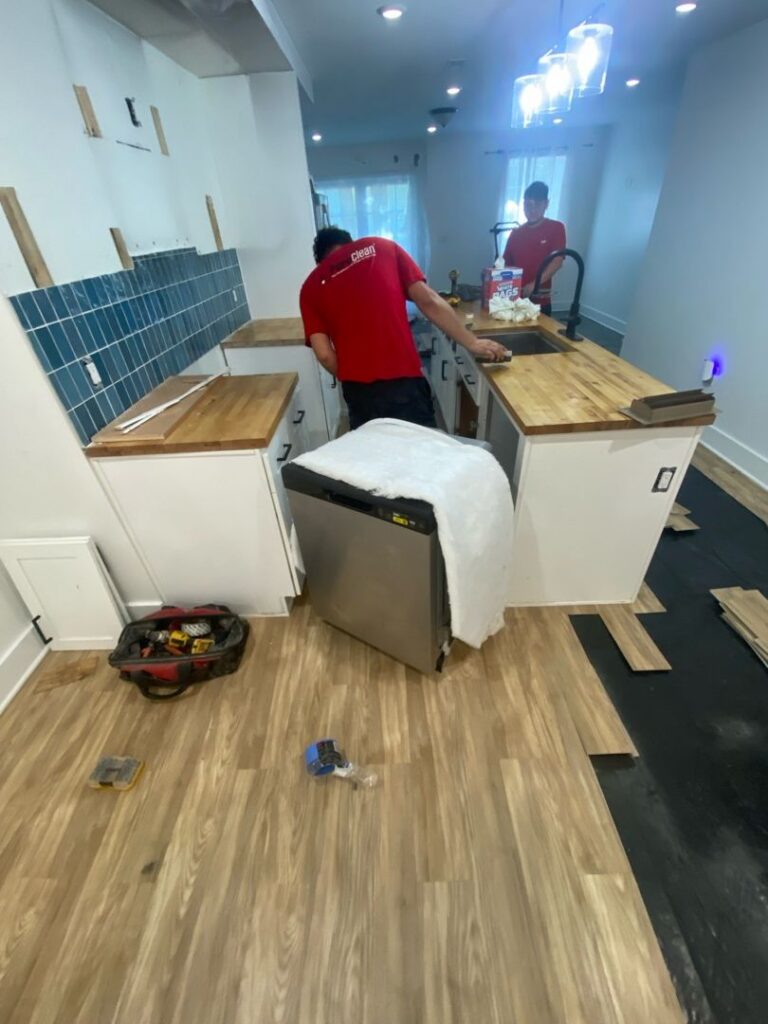
Homeowners insurance policies typically cover sudden and accidental water damage, such as a burst pipe or appliance failure, but most policies exclude damage caused by prolonged neglect or gradual seepage the homeowner should have addressed. Calling a restoration company immediately creates a documented timeline, moisture readings, and photos that support a claim showing the loss was sudden and the response was prompt. Waiting days to call can give an insurance adjuster grounds to argue the damage resulted from neglect rather than a covered peril, which can significantly reduce or deny a payout.
Takeaway: same-day documentation protects your claim as much as it protects your home.
7. Avoiding Cross-Contamination Keeps Repairs Contained
When water damage is not addressed quickly, foot traffic and airflow can spread contaminated water or mold spores from an affected room into unaffected parts of the house, a process known as cross-contamination. Professional technicians use containment barriers and controlled negative air pressure to keep the affected zone isolated while extraction and drying take place. Without that containment, a single wet basement can turn into a multi-room remediation project.
Takeaway: containment early in the process is what keeps a one-room problem from becoming a whole-house problem.
What Makes PuroClean Disaster Restoration Different
PuroClean Disaster Restoration operates with 24/7 emergency dispatch for Greenfield and the surrounding Hancock County area, meaning a certified technician can begin extraction within hours of your call rather than the next business day. The team is IICRC-certified in water damage restoration and works directly with insurance carriers through direct insurance billing, which removes the burden of upfront payment and paperwork from an already stressful situation. Local response time matters most in the first hours after a leak, and a Greenfield-based crew reaches area homes faster than a restoration company dispatched from Indianapolis.
Frequently Asked Questions
Does homeowners insurance cover emergency water extraction in Greenfield? Most standard homeowners policies cover sudden water damage from events like a burst pipe or failed appliance, including the cost of extraction and drying. Coverage generally does not extend to gradual leaks or damage from prolonged neglect. Check your policy’s water damage and sewer backup endorsements, since sewer backup often requires separate coverage.
How much does emergency water extraction typically cost in Hancock County? Costs vary based on the size of the affected area, the category of water, and how long the water sat before extraction began. A same-day response addressing Category 1 water in a single room typically costs far less than a delayed response that has escalated to mold remediation or structural repair.
How long does professional structural drying take? Most Category 1 water losses take three to five days to reach a verified dry standard using dehumidifiers and air movers, monitored daily with moisture meters. Larger losses, Category 2 or 3 water, or homes with dense materials like plaster can take longer.
Can I just use fans and a wet vacuum myself? Household equipment can remove surface water but cannot achieve the sustained dehumidification and monitored drying that prevents hidden moisture from causing mold or subfloor damage. For anything beyond a very minor, immediately addressed spill, professional extraction is the safer and ultimately cheaper option.
What health risks come from water damage that sits for days in a Greenfield home? Standing water that sits for more than 24 to 48 hours creates conditions for mold growth, which can trigger respiratory irritation, allergic reactions, and worsened asthma symptoms in sensitive individuals. Category 2 or 3 water also carries bacterial contamination risk, making direct contact and cleanup without protective equipment inadvisable.
When should I call a professional instead of handling water damage myself? Call a professional any time water covers more than a small area, has been standing for more than a few hours, comes from an unknown or potentially contaminated source, or has already produced a musty smell or visible discoloration. These are signs the damage has moved beyond what household cleanup can safely address.
Ready for Extraction Now?
If your Greenfield or Hancock County home has standing water right now, every hour changes the scope and cost of repair. PuroClean Disaster Restoration provides 24/7 emergency dispatch, IICRC-certified technicians, and direct insurance billing to make the process as fast and straightforward as possible. Call (317) 467-4436 now to get a technician on the way.