


Key Takeaways for Homeowners
- March through June is peak flood season in Greenfield and the greater Indianapolis metro, driven by snowmelt, spring storms, and elevated groundwater tables.
- Flooded homes harbor at least nine distinct biological threats, including Category 3 black water bacteria, toxigenic molds, and enteric viruses.
- Delayed mitigation after 24 to 48 hours triggers exponential microbial amplification, especially in crawl spaces and basements common to Central Indiana ranch and split-level homes.
- IICRC S500 Water Damage Restoration and IICRC S520 Mold Remediation standards are the only scientifically validated protocols for safe pathogen elimination.
- Homeowners in Hancock County and surrounding Indianapolis neighborhoods should never attempt DIY flood cleanup when sewage, HVAC contamination, or visible mold is present.
Why March to June Is the Most Dangerous Window for Greenfield Homeowners
Greenfield sits in Hancock County, Indiana, where spring brings a perfect storm of hydrological risk. The National Weather Service confirms that mid-winter through early spring represents the wettest period of the year across Central Indiana, with measurable precipitation falling on approximately 132 days annually. When late-season snowmelt combines with saturated soil and the first severe thunderstorm outbreaks of April and May, homes in Greenfield, New Palestine, and the eastern Indianapolis suburbs face compound flooding events.
Local geography compounds the problem. The flat to gently rolling terrain around Greenfield does not drain rapidly. Many neighborhoods built during the 1970s and 1980s housing boom feature shallow crawl spaces with limited vapor barriers, a construction detail that becomes a liability when groundwater rises. The Indiana Residential Code requires flood-resistant materials below design flood elevation and mandates flood openings in enclosed crawl spaces, yet many older homes in Hancock County predate these requirements or were built to earlier, less stringent standards. Once water breaches a crawl space or basement, the clock starts ticking.
The 9 Pathogens Hiding in Your Flooded Home
Understanding what you are actually breathing and touching after a flood is the first step toward protecting your family. These are the nine most dangerous biological agents found in residential flood scenarios between March and June in the Greenfield area.
1. Escherichia coli (E. coli)
Category 3 black water, which includes sewage backup and groundwater intrusion, almost always contains pathogenic E. coli strains. These bacteria can survive on porous surfaces for days and cause severe gastrointestinal illness. In homes with failed sump pumps or septic system backups, E. coli contamination spreads through every flooded room.
2. Salmonella enterica
Another enteric bacterium common in sewage-impacted floods, Salmonella poses elevated risk to children and immunocompromised residents. It colonizes drywall, carpet padding, and subflooring with remarkable speed.
3. Staphylococcus aureus
This opportunistic pathogen thrives in warm, wet environments. Post-flood homes with indoor relative humidity above 60 percent create ideal conditions for Staph colonization on building materials and personal belongings.
4. Pseudomonas aeruginosa
A gram-negative bacterium with serious antibiotic resistance potential, Pseudomonas is frequently isolated from water-damaged building materials. It produces biofilms that resist standard cleaning agents.
5. Aspergillus fumigatus
This toxigenic mold species releases mycotoxins that can trigger acute respiratory distress, particularly in individuals with asthma or compromised immune systems. In Greenfield’s humid spring climate, Aspergillus can colonize water-damaged drywall within 24 to 48 hours.
6. Stachybotrys chartarum (Black Mold)
Perhaps the most feared residential mold, Stachybotrys requires cellulose-rich materials and sustained moisture to thrive. The wood framing, paper-faced drywall, and carpet fibers found in typical Hancock County homes provide ideal substrates. Its mycotoxins are linked to chronic fatigue, cognitive impairment, and pulmonary hemorrhage in infants.
7. Penicillium chrysogenum
While Penicillium is best known for antibiotic production, certain strains release mycotoxins in water-damaged environments. It spreads via airborne conidia and can contaminate HVAC systems, distributing spores throughout the entire home.
8. Cladosporium herbarum
One of the most common outdoor molds, Cladosporium enters homes through open windows and ventilation systems during spring storms. Once interior moisture levels rise, it colonizes damp surfaces and triggers allergic reactions in sensitive individuals.
9. Norovirus
This highly contagious enteric virus is present in sewage-contaminated floodwater. It requires only a few viral particles to cause infection and can persist on surfaces for weeks without proper disinfection protocols.
How These Pathogens Enter and Spread in Local Homes
Greenfield and Indianapolis-area homes share several architectural features that accelerate pathogen proliferation after flooding. Ranch-style homes with partial basements and split-level designs built during the 1960s through 1990s dominate the residential inventory. These homes often feature:
- Unsealed crawl spaces with dirt floors that wick groundwater
- Aging galvanized plumbing prone to corrosion and leaks
- Original HVAC ductwork running through damp basements or crawl spaces
- Insufficient exterior grading, directing stormwater toward foundations
When spring storms dump two to four inches of rain in a single event, water follows the path of least resistance. It seeps through foundation cracks, overwhelms aging sump pumps, and backs up through floor drains. Within hours, Category 3 black water soaks carpet, wicks up drywall, and saturates fiberglass insulation. The resulting environment, with indoor relative humidity climbing above 70 percent, becomes a breeding ground for all nine pathogens simultaneously.
IICRC S500 and S520: The Science of Safe Restoration
The Institute of Inspection, Cleaning and Restoration Certification (IICRC) publishes the two standards that define professional flood and mold remediation. IICRC S500 establishes the procedural framework for water damage restoration, including water categorization, contamination levels, and drying science. IICRC S520 provides the authoritative guidance for mold remediation, emphasizing containment, air filtration, and source removal.
A restoration project conducted to these standards includes:
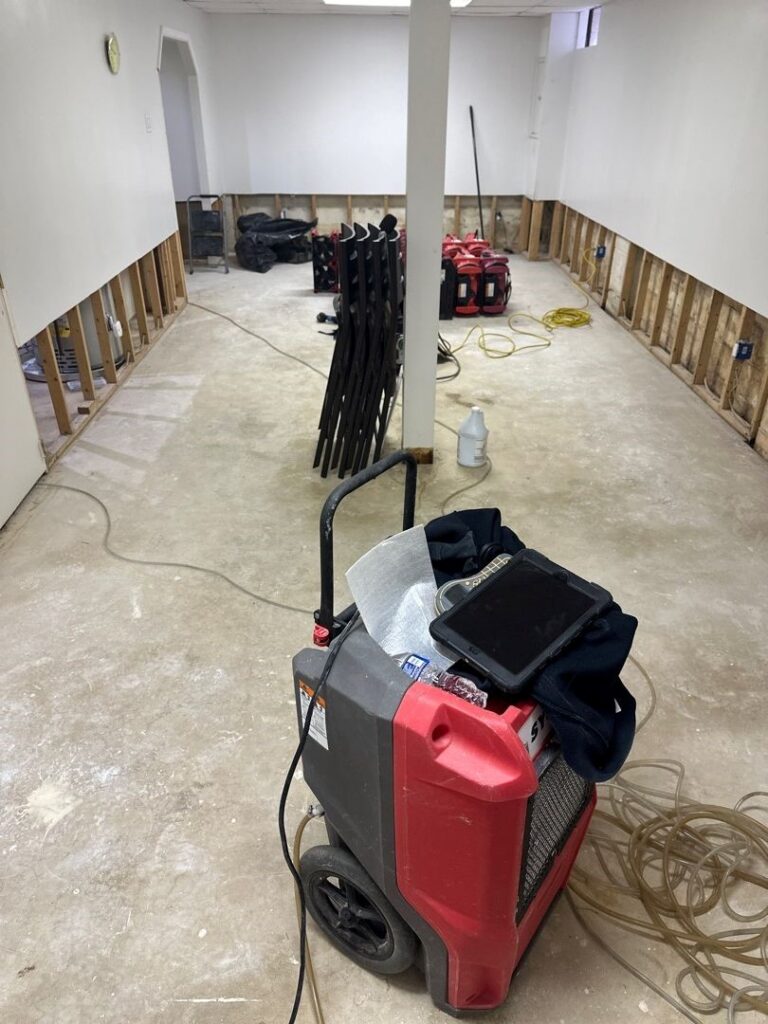
- Comprehensive moisture mapping using thermal imaging and penetrating moisture meters
- Establishment of negative air pressure containment zones to prevent cross-contamination
- HEPA filtration with air scrubbers capable of capturing particles as small as 0.3 microns
- Psychrometric monitoring to maintain optimal drying conditions
- Application of EPA-registered antimicrobial biocides on non-porous surfaces
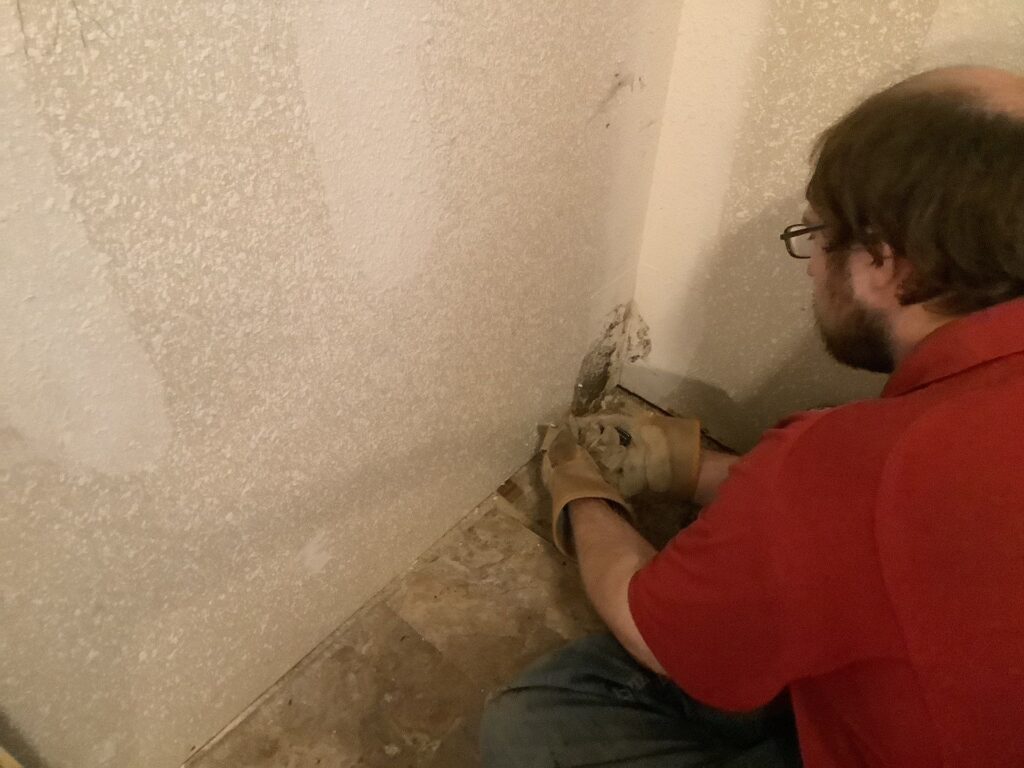
- Controlled demolition and removal of Category 3 contaminated porous materials
- Post-remediation verification testing, including air sampling and surface swabs
Attempting to skip any of these steps risks leaving viable pathogen reservoirs that will reactivate with the next humidity spike.
Step-by-Step: What to Do in the First 24 Hours After Flooding
If your Greenfield or Indianapolis-area home floods this spring, immediate action limits pathogen exposure and structural damage:
- Ensure electrical safety. Do not enter standing water until power is disconnected at the breaker panel.
- Document everything. Photograph and video all damage before touching anything for insurance purposes.
- Stop the water source. If safe to do so, shut off the main water supply or identify the breach point.
- Call a certified restoration professional. Category 3 water damage requires IICRC-certified technicians, not a shop vacuum and bleach.
- Evacuate vulnerable residents. Children, elderly family members, and anyone with respiratory conditions should leave until clearance testing confirms safety.
- Do not run HVAC systems. Contaminated air handlers will distribute pathogens throughout the home.
- Remove standing water only if safe. Professional extraction equipment removes water far more effectively than consumer-grade wet/dry vacuums.
- Discard porous materials exposed to black water. Carpet, pad, drywall, and insulation below the flood line cannot be sanitized.
- Begin controlled drying immediately. Industrial dehumidifiers and air movers must be deployed within 24 hours to prevent mold amplification.
Local Factors That Make Greenfield Homes Especially Vulnerable
Hancock County’s spring climate creates unique restoration challenges. The transition from winter freeze-thaw cycles to warm, humid conditions means building materials that absorbed moisture during a March flood may not fully dry before April’s thunderstorm season arrives. Local soil, a mix of clay and silt loam, retains water and exerts hydrostatic pressure on foundation walls for weeks after surface flooding recedes.
Many homes in Greenfield’s established neighborhoods, particularly those built before the 2000 adoption of more stringent Indiana Residential Code flood provisions, lack proper foundation drainage. Sump pumps in these homes are often the only line of defense, and they frequently fail during extended power outages caused by spring severe weather. The Indiana Residential Code now requires flood openings in enclosed areas below design flood elevation, but retrofitting older homes remains a significant challenge for homeowners.
Frequently Asked Questions
Does home insurance cover mold caused by high humidity in Greenfield, Indiana?
Standard homeowners insurance policies typically exclude mold damage unless it results from a covered peril, such as a sudden pipe burst or storm damage. Flood-related mold is generally only covered if you carry a separate flood insurance policy through the National Flood Insurance Program. Many Greenfield homeowners are surprised to learn that slow leaks, condensation issues, and humidity-driven mold fall outside standard coverage. Document all water damage immediately and contact your insurer within 24 hours of discovery.
How long before mold becomes dangerous after a flood?
Under IICRC guidelines, mold colonization can begin on wet organic materials within 24 to 48 hours. However, visible growth may not appear for 72 hours or longer, depending on temperature, humidity, and material type. By the time you see mold, the contamination has already reached problematic levels. This is why immediate professional drying and antimicrobial treatment are critical.
Can I clean flood damage myself with bleach?
Bleach is ineffective against Category 3 water contamination and can actually worsen mold problems on porous materials. The chlorine in bleach evaporates faster than water, leaving behind moisture that fuels further mold growth. Professional antimicrobial biocides, HEPA vacuuming, and controlled demolition are the only reliable methods for safe remediation.
Will my home ever be safe again after sewage backup?
Yes, when remediation follows IICRC S500 and S520 standards. Complete removal of contaminated porous materials, thorough disinfection of structural elements, HEPA air filtration, and post-remediation verification testing can restore a home to pre-loss condition. However, cutting corners or delaying action significantly reduces the likelihood of full restoration.
What neighborhoods near Greenfield are most at risk?
Areas near Brandywine Creek, the west fork of the Sugar Creek watershed, and low-lying sections of New Palestine experience the highest spring flood frequency. Homes near the Hancock County Fairgrounds and along US 40 also report recurring groundwater intrusion during wet springs.
Protect Your Family: Call the Experts Today
If your Greenfield, Indianapolis, or Hancock County home has experienced flooding this spring, every hour of delay increases your family’s exposure to dangerous pathogens. PuroClean Disaster Restoration follows IICRC S500 and S520 standards on every project, using HEPA filtration, negative air pressure containment, and advanced moisture mapping to restore your home to safe, livable condition.
Do not gamble with your family’s health. Call (317) 467-4436 now for immediate emergency response, 24 hours a day, 7 days a week. We serve Greenfield, New Palestine, Indianapolis, and all surrounding communities with certified water damage restoration, mold remediation, and biohazard cleanup.