


Key Takeaways for Homeowners
Biohazard contamination poses severe health risks that standard household cleaning cannot resolve. Exposure to bloodborne pathogens, Category 3 water, and infectious viral agents requires immediate intervention by technicians trained in IICRC S500 and S520 standards. Homeowners in Greenfield and Indianapolis face unique environmental triggers including high summer humidity, frequent storm water intrusion, and aging basement infrastructure that accelerate bacterial proliferation. If you notice visible bodily fluids, persistent foul odors, sewage backups, or trauma scene remnants, do not attempt DIY remediation. PuroClean Disaster Restoration provides 24 hour emergency biohazard cleanup. Call (317) 467 4436 for immediate assistance if you live in Greenfield, Indianapolis, or the surrounding neighborhoods.
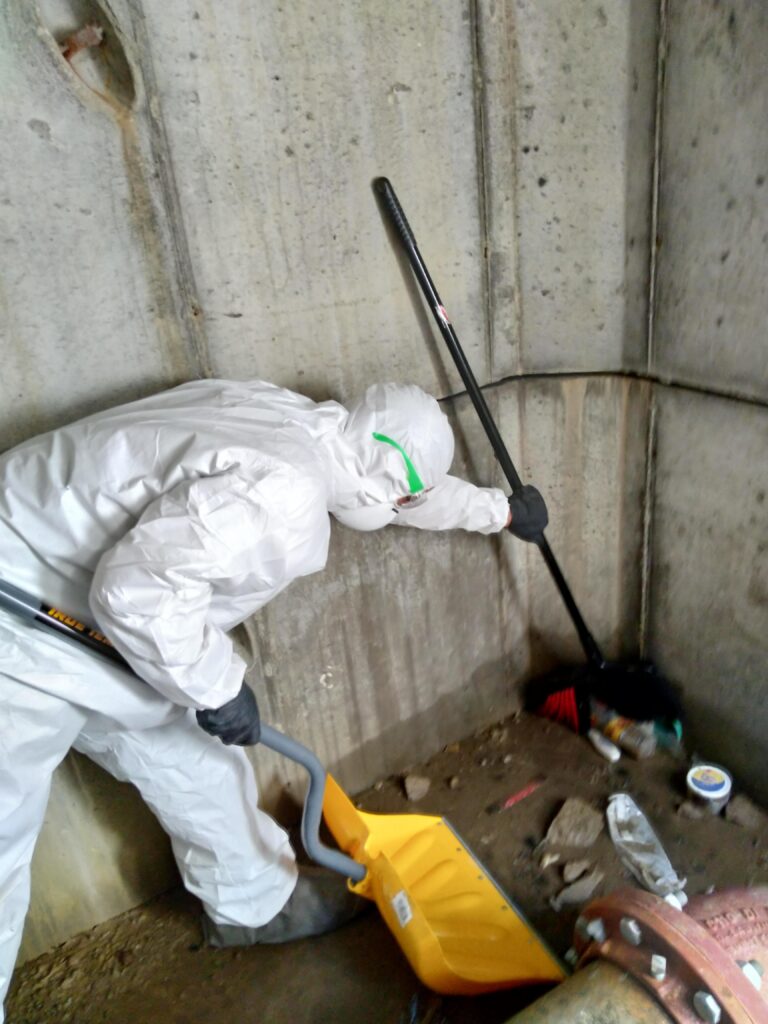
What Constitutes a Biohazard Situation Requiring IICRC Standards?
A biohazard situation involves biological materials that present a health risk to humans or animals. The Institute of Inspection Cleaning and Restoration Certification (IICRC) establishes the authoritative protocols through standards such as IICRC S500 for water damage and IICRC S520 for professional mold remediation and biological contamination. These standards define the scientific parameters for safe removal, decontamination, and restoration.
When biological matter such as blood, bodily fluids, sewage, or medical waste contaminates a property, the scene is no longer just a cleaning job. It becomes a regulated environment requiring OSHA compliance, proper personal protective equipment, containment barriers, and documented biohazardous waste disposal. ATP testing validates whether surfaces are truly sanitized, while enzymatic cleaners break down organic matter at the molecular level. Without this scientific approach, dangerous pathogens remain active on porous surfaces.
9 Urgent Warning Signs You Cannot Ignore
1. Visible Blood or Bodily Fluids on Surfaces
Any presence of blood, vomit, tissue, or other bodily fluids indicates a potential exposure risk to bloodborne pathogens such as Hepatitis B, Hepatitis C, and HIV. These fluids can seep into carpet padding, subflooring, and drywall within minutes. Porous materials often require removal rather than surface cleaning. If you encounter this in your Greenfield or Indianapolis home, treat the area as a contamination zone and evacuate immediately.
2. Unexplained Foul Odors That Persist After Cleaning
A lingering rotten or sweet metallic smell often signals hidden decomposition or bacterial colonization. In the humid continental climate of central Indiana, where summer humidity regularly exceeds 70 percent, odor causing bacteria multiply rapidly. If standard cleaning products fail to eliminate the smell, the source may be embedded in wall cavities, HVAC systems, or under flooring. Professional remediation includes moisture mapping and antimicrobial application to neutralize the biological source.
3. Discovery of an Unattended Death or Decomposition
When a death goes undiscovered for even a short period, decomposition creates a hazardous environment. Decomposition fluids carry an extreme bacterial load and can compromise structural elements of a home. This situation demands technicians equipped with full face respirators, Tyvek suits, and rigorous decontamination protocols. Attempting to handle this without proper training exposes you to dangerous airborne contaminants and deep seated pathogens.
4. Sewage Backups and Category 3 Water Intrusion
Sewage water, also known as black water, contains human waste, industrial chemicals, and concentrated bacterial colonies. In Indianapolis, aging municipal sewer lines and rapid storm water runoff contribute to frequent basement backups, particularly in older ranch style homes with original plumbing. Category 3 water is classified as grossly unsanitary and requires complete removal of affected porous materials, followed by structural drying and ATP testing to confirm sanitation.
5. Hoarding Environments Containing Biological Waste
Hoarding situations often conceal pet waste, human waste, expired food harboring mold and bacteria, and deceased animals. These environments create a compounded biohazard where airborne pathogens, ammonia levels, and insect vectors pose simultaneous threats. Remediation requires staged containment barriers, HEPA filtration, and systematic removal of contaminated debris under OSHA compliant safety measures.
6. Drug Lab or Methamphetamine Contamination Residue
Properties previously used for methamphetamine production contain toxic chemical residues that bond to walls, ventilation systems, and furnishings. While not biological, these scenes often include discarded needles, blood from injuries, and chemical byproducts that create a dual hazard. Sharps removal must precede any surface treatment, and the entire property requires testing before reoccupation.
7. Animal Waste Infestation from Rodents or Pets
Rodent droppings carry Hantavirus, while accumulated pet urine creates ammonia concentrations that damage respiratory tissue. In Greenfield neighborhoods with mature tree cover and accessible crawl spaces, rodent intrusion is common during seasonal changes. Contaminated insulation and subflooring typically must be removed and replaced after thorough enzymatic cleaning and decontamination.
8. Infectious Disease Contamination
If a property occupant has suffered from a contagious illness such as C. difficile, MRSA, or COVID 19, high touch surfaces and shared spaces may harbor active viral agents. Professional teams apply hospital grade disinfectants and follow CDC aligned decontamination protocols to reduce viral load to safe levels. This is especially critical in multi generational households common in the Indianapolis metro area.
9. Crime Scene or Trauma Remnants
After law enforcement releases a crime scene or trauma location, biological evidence and fingerprint dust remain. Blood spatter on ceilings, furniture, and personal items requires forensic cleaning expertise. Technicians must document the chain of custody for biohazardous waste disposal while restoring the property to a safe living condition.
Why DIY Biohazard Cleanup Is Dangerous
Homeowners often underestimate the invisible threat of biohazard contamination. Standard household disinfectants lack the potency to kill resistant bacterial spores or enveloped viruses. Without personal protective equipment, you risk direct contact with bloodborne pathogens and inhalation of airborne contaminants. Additionally, improper disposal of biological waste violates Indiana state regulations and creates liability exposure. Professional restoration teams utilize ATP testing to verify that surfaces meet sanitary standards, ensuring no hidden threats remain.
The Professional Biohazard Remediation Process
Professional cleanup follows a rigorous, science based sequence:
- Initial assessment and hazard classification using IICRC S500 and S520 guidelines
- Establishment of containment barriers to prevent cross contamination
- Deployment of HEPA air scrubbers and negative air pressure where required
- Removal of contaminated porous materials including carpet, drywall, and insulation
- Application of enzymatic cleaners to dissolve organic matter
- Detailed cleaning and disinfection with EPA registered antimicrobial agents
- ATP testing to verify the elimination of biological material
- Proper packaging and transport of biohazardous waste for autoclave sterilization or incineration
- Structural repairs and restoration to return the property to pre loss condition
Local Factors in Greenfield and Indianapolis
Properties in Greenfield and Indianapolis face distinct environmental pressures that complicate biohazard scenarios. The region experiences a humid continental climate with hot, wet summers that accelerate mold growth and bacterial decomposition. Many residential neighborhoods feature mid century ranch homes with unfinished basements prone to water intrusion during spring storms. Local building codes now require backflow prevention devices, but older homes may lack this protection, increasing the risk of Category 3 water backups.
Central Indiana also has a high water table in certain areas, meaning sewage backups can saturate soil adjacent to foundations and create lingering contamination. PuroClean Disaster Restoration understands these regional variables and tailors remediation strategies to local housing stock and climate conditions.
Frequently Asked Questions
Does home insurance cover biohazard cleanup after an unattended death in Indianapolis?
Most standard homeowner policies include coverage for biohazard remediation when it falls under vandalism, accidental damage, or related perils. However, coverage varies by carrier. PuroClean Disaster Restoration works directly with insurance providers and can help document the loss for your claim.
How long does professional biohazard cleanup take?
Timeline depends on the severity of contamination and the size of the affected area. A single room trauma scene may require one to two days, while extensive hoarding or decomposition cases can extend to a week. Each project receives a detailed scope of work after initial assessment.
Is it safe to stay in my home during biohazard remediation?
Occupants should vacate the affected areas during active remediation. Containment barriers and air scrubbers protect unaffected zones, but direct exposure to cleaning agents and disturbed pathogens warrants temporary relocation for high risk individuals.
Will my furniture and belongings be saved?
Porous items saturated with bodily fluids or sewage are typically discarded according to biohazardous waste disposal regulations. Non porous items may be cleaned, sanitized, and restored. Your restoration team will provide a detailed inventory of salvageable items.
Contact PuroClean Disaster Restoration Today
Biohazard situations demand immediate, professional response. Every minute of delay allows pathogens to spread deeper into your property. If you recognize any of these nine warning signs in your Greenfield or Indianapolis home, do not wait. PuroClean Disaster Restoration delivers compassionate, scientifically grounded emergency cleanup services. Call (317) 467 4436 now for immediate assistance and support. Our local teams are standing by to restore your property and your peace of mind.