


Key Takeaways for Homeowners
- Black mold (Stachybotrys chartarum) produces mycotoxins that can trigger severe respiratory, neurological, and immune system responses
- Indianapolis area homes face elevated mold risk due to humid continental climate, seasonal basement flooding, and aging HVAC infrastructure
- IICRC S520 certified remediation is the only protocol that guarantees safe, complete removal and prevents cross-contamination
- If you or a family member experiences persistent coughing, unexplained fatigue, or cognitive fog, mold may be the hidden cause
- PuroClean Disaster Restoration serves Greenfield, Indianapolis, and surrounding Marion County neighborhoods: call (317) 467-4436 for 24/7 emergency mold assessment
What Is Black Mold and Why Is It a Critical Health Threat?
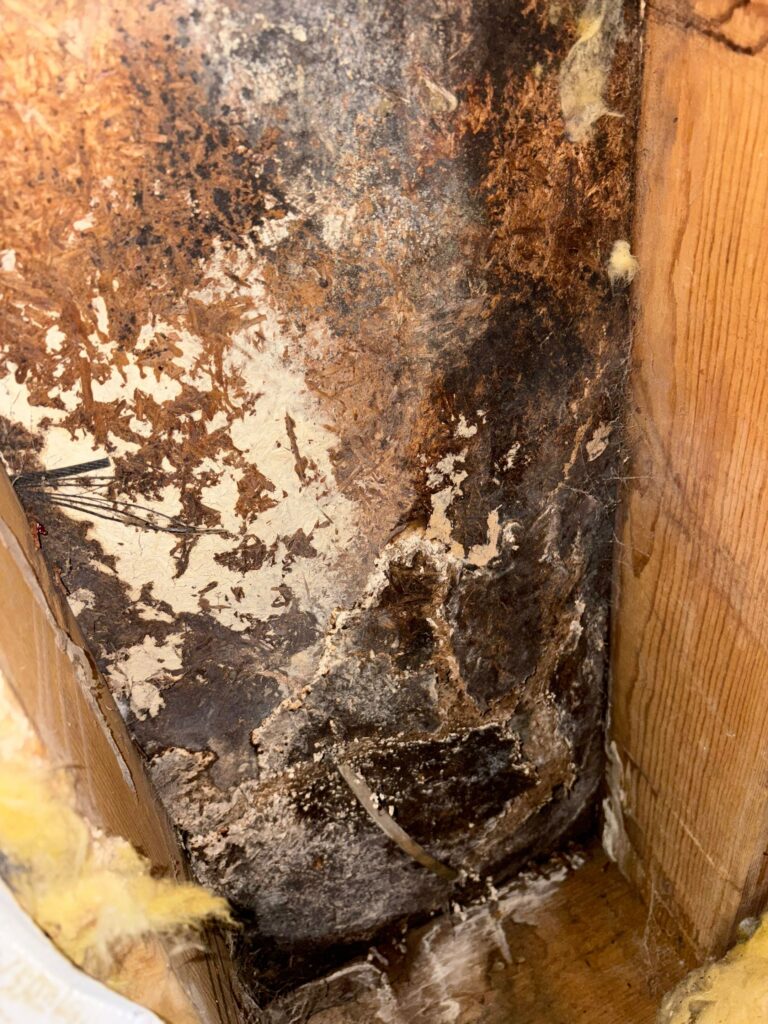
Black mold is not a single species but a category of toxigenic fungi, with Stachybotrys chartarum serving as the most notorious core entity. This dark, slimy mold thrives on cellulose-rich building materials that have experienced prolonged water damage, typically requiring 72 to 96 hours of saturation to colonize.
The danger lies in mycotoxin production. These secondary metabolites are not simple allergens; they are biotoxins capable of disrupting cellular function. When disturbed, black mold releases spores and microscopic fragments into the breathable air zone, creating an invisible inhalation hazard that standard dust masks cannot filter.
IICRC S500 (Water Damage Restoration) and IICRC S520 (Mold Remediation) standards form the authoritative framework for safe handling. Any contractor operating outside these protocols risks cross-contaminating your entire property. At PuroClean Disaster Restoration, every technician follows S520 containment procedures, including negative air pressure engineering and HEPA filtration, to protect your family during remediation.
9 Frightening Symptoms of Black Mold Exposure You Cannot Afford to Dismiss
1. Persistent Respiratory Distress Chronic coughing, wheezing, and shortness of breath that worsen indoors often signal airborne mold colonization. Unlike seasonal allergies, these symptoms persist year-round and fail to respond to antihistamines.
2. Unexplained Chronic Fatigue Mycotoxin exposure triggers inflammatory cytokine cascades that drain cellular energy production. Victims report sleeping 10 hours yet waking exhausted, a pattern distinct from ordinary tiredness.
3. Cognitive Dysfunction and Memory Loss Neurotoxic effects from trichothecene mycotoxins can manifest as brain fog, difficulty concentrating, and short-term memory gaps. Many Indianapolis residents mistake this for early dementia or stress.
4. Frequent Sinus Infections and Postnasal Drip Stachybotrys aggressively colonizes nasal passages and sinus cavities, creating recurrent infections that antibiotics struggle to resolve because the source is environmental, not bacterial.
5. Skin Rashes and Unexplained Dermatitis Direct contact or airborne exposure can trigger eczema-like outbreaks, particularly on exposed skin areas. These rashes often resist topical steroid treatments.
6. Eye Irritation and Light Sensitivity Red, watery eyes that burn upon entering certain rooms indicate high spore counts. Sensitivity to fluorescent lighting may develop as inflammation progresses.
7. Persistent Headaches and Migraines Mycotoxins trigger vascular inflammation. Sufferers often notice headaches intensify in basements, bathrooms, or rooms with prior water damage history.
8. Immune System Suppression Recurrent colds, slow wound healing, and reactivation of dormant viral infections suggest immune dysregulation caused by chronic biotoxin exposure.
9. Mood Disorders and Anxiety Emerging research links mycotoxin exposure to altered neurotransmitter balance. Unexplained anxiety, depression, or irritability in previously stable individuals warrants environmental investigation.
Why Greenfield and Indianapolis Homes Are Prime Targets for Black Mold
Our region’s humid continental climate delivers average relative humidity exceeding 70% during summer months. When combined with Indianapolis’s older housing stock, many built before modern vapor barrier codes, the result is chronic moisture accumulation.
Local factors amplifying risk include:
- Basement foundation seepage following heavy spring rains and snowmelt
- Crawl space humidity in ranch-style homes common to Greenfield subdivisions
- Aging galvanized plumbing in pre-1980 Indianapolis neighborhoods prone to slow leaks
- Inadequate attic ventilation in historic Irvington and Fountain Square properties
- HVAC condensate line failures during peak cooling season
Marion County building codes now require sealed crawl spaces and proper drainage planes, but legacy homes remain vulnerable. If your property predates 2000, proactive moisture mapping is essential.
The PuroClean Remediation Process: IICRC S520 Certified Protocol
Our systematic approach eliminates black mold while preventing cross-contamination:
- Step 1: Emergency Assessment Certified technicians conduct visual inspection, moisture mapping with thermal imaging, and air quality sampling to define contamination boundaries.
- Step 2: Containment Engineering Physical barriers sealed with polyethylene sheeting establish isolation zones. Negative air pressure machines (NAMs) prevent spore migration to clean areas.
- Step 3: HEPA Filtration Industrial-grade HEPA air scrubbers run continuously, capturing 99.97% of particles down to 0.3 microns, including mold spores and mycotoxin fragments.
- Step 4: Controlled Demolition Contaminated drywall, insulation, and flooring are removed using antimicrobial biocide pre-treatment to suppress aerosolization.
- Step 5: Source Removal and Cleaning Non-porous surfaces undergo agitative cleaning with EPA-registered antimicrobial solutions. Porous materials exceeding contamination thresholds are discarded.
- Step 6: Structural Drying Psychrometric monitoring ensures wood moisture content drops below 16%, the threshold required to prevent regrowth.
- Step 7: Restoration and Prevention Damaged materials are replaced, drainage improvements implemented, and humidity control systems recommended for long-term protection.
FAQ: Complex Questions Indianapolis Homeowners Are Asking
Does home insurance cover mold caused by high humidity in Indianapolis? Standard HO-3 policies typically exclude mold resulting from long-term humidity or maintenance failures. Coverage usually applies only when mold stems from a covered peril, such as sudden pipe rupture or storm damage. Documentation through moisture mapping and professional assessment strengthens your claim. PuroClean provides detailed reports for insurance adjusters.
Can I use bleach to kill black mold in my basement? Bleach is ineffective on porous materials and can worsen mycotoxin exposure by adding moisture. IICRC S520 protocols require mechanical removal and professional antimicrobial application.
How long does professional mold remediation take? Minor containment projects resolve in 3 to 5 days. Widespread colonization requiring structural drying and reconstruction may extend to 2 weeks. Every project includes post-remediation verification testing.
Will mold return after professional treatment? Without addressing the moisture source, regrowth is inevitable. PuroClean includes source identification and prevention recommendations with every remediation plan.
Is black mold exposure making my children sick? Children, elderly residents, and immunocompromised individuals face heightened vulnerability. If pediatric symptoms correlate with time spent at home, immediate environmental testing is warranted.
When to Call PuroClean Disaster Restoration
Black mold does not resolve itself. Every day of delay increases remediation costs and health risks. If you recognize any of the nine symptoms above, or if you have experienced water damage in the past 12 months, your home requires professional assessment.
PuroClean Disaster Restoration serves Greenfield, Indianapolis, and all Marion County neighborhoods including Broad Ripple, Carmel, Fishers, and Lawrence. Our IICRC S520 certified teams are available 24 hours a day.
Call (317) 467-4436 now for immediate emergency response. Do not gamble with your family’s health.