


Summary:
Yes, even a small leaky pipe can lead to mold growth in as little as 24 to 48 hours. Leaks create damp environments that encourage mold spores to thrive especially in hidden areas like walls and under floors. In this blog post, you’ll learn how leaky pipes cause mold, warning signs to look for, health risks, what to do about it, and a story that highlights how one homeowner learned the hard way.
What Happens When a Pipe Leaks?
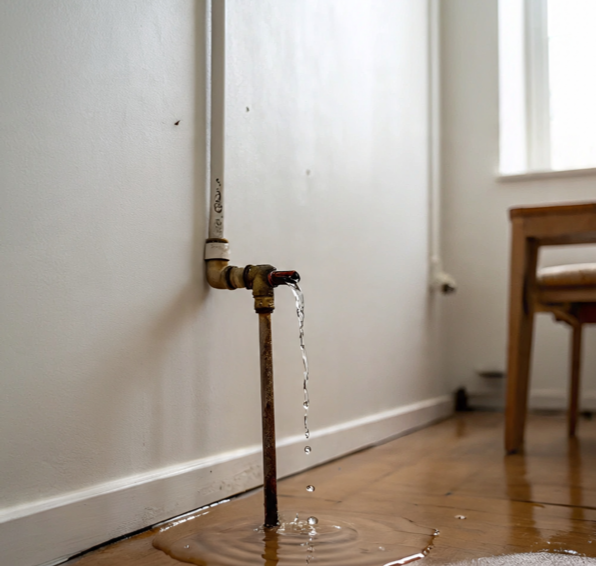
A leaking pipe might seem minor just a few drops every now and then. But behind walls or under sinks, that moisture has nowhere to go. When water pools in hidden or unventilated spaces, it creates the perfect breeding ground for mold spores, which are always present in the air.
Water + Darkness + Poor Ventilation = Mold
Mold needs just three things to grow:
- Moisture
- Organic material (like drywall, wood, insulation)
- Time and not much of it
In most homes, a leaky pipe can deliver all three.
Can Mold Grow from a Small Leak?
Yes. Even a small leak, like a slow drip under your sink or a pinhole in a wall pipe, can lead to serious mold problems over time.
Here’s Why:
- The water accumulates slowly, often unnoticed.
- Over time, it saturates porous materials like drywall and wood.
- Mold spores, which are microscopic and ever-present, begin to grow once moisture is sustained.
Mold doesn’t need flooding to thrive it just needs consistent moisture.
How Fast Can Mold Grow After a Leak?
Mold can begin to grow within 24–48 hours after moisture appears. Here’s a typical timeline:
- 0–24 hours: Moisture soaks into materials like drywall, carpet padding, and insulation.
- 24–48 hours: Mold spores begin to colonize.
- 48–72 hours: Visible signs of mold may appear, especially if temperatures are warm and air circulation is poor.
If you discover a leak, act immediately the clock is ticking.
Lisa’s Story: The Hidden Leak That Led to a Health Nightmare
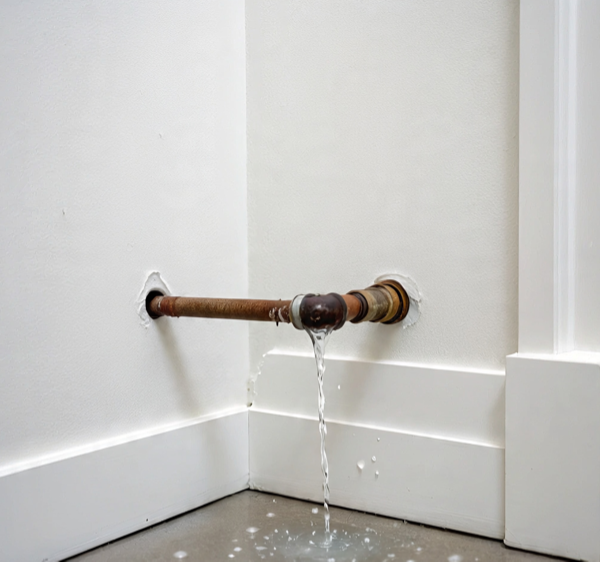
Lisa, a first-grade teacher in Fort Wayne, Indiana, started noticing a musty smell in her laundry room. At first, she blamed her son’s soccer gear. But the smell worsened over the weeks, and soon, both her kids began coughing at night.
Eventually, she called a plumber only to discover a slow but steady leak behind her washing machine that had been dripping for months. When they pulled back the drywall, it was black with mold. The wooden frame behind the wall was soft and damp, and the mold had spread into the adjacent room.
Lisa had to relocate her family for a week while a mold remediation company cleaned and restored the area. The medical bills, cleaning costs, and stress added up quickly. The leak itself? A $4 connector that had failed.
Lesson learned: Never ignore unusual smells or minor moisture you never know what’s growing behind your walls.
What Are the Health Risks of Mold from Leaky Pipes?
Mold isn’t just unsightly it can affect your health, especially for children, the elderly, or those with weakened immune systems.
Common health symptoms include:
- Chronic coughing or sneezing
- Itchy or watery eyes
- Respiratory irritation
- Headaches
- Asthma flare-ups
- Skin rashes
Some molds, like black mold (Stachybotrys chartarum), produce mycotoxins that can lead to more serious health issues if exposure is prolonged.
How Can You Tell If Mold Is Growing from a Leak?
Here are warning signs that a leaky pipe may have triggered mold growth:
Visual Clues:
- Black, green, or white patches on walls or ceilings
- Water stains or discoloration
- Bubbling or peeling paint
Sensory Clues:
- Persistent musty odor
- Increased allergy-like symptoms indoors
- Damp, humid air in a localized area
Mechanical Clues:
- Spongy floors or soft drywall
- Higher-than-normal water bills
- Mold or mildew inside HVAC vents
If you see one or more of these signs, you may have hidden mold caused by a leak.
What Should You Do If You Suspect Mold from a Leaky Pipe?
- Stop the leak.
Call a plumber immediately. Shut off the main water supply if necessary. - Dry out the area.
Use fans and a dehumidifier. Mold can’t grow without moisture. - Don’t disturb the mold.
Scrubbing or spraying mold can release spores into the air and make the situation worse. - Call a professional restoration company.
Certified professionals have the tools and expertise to safely remove mold, prevent spread, and repair the damage. - Check your insurance policy.
Homeowners insurance may cover water damage but often only if you act quickly.
Can You Prevent Mold from Leaky Pipes?
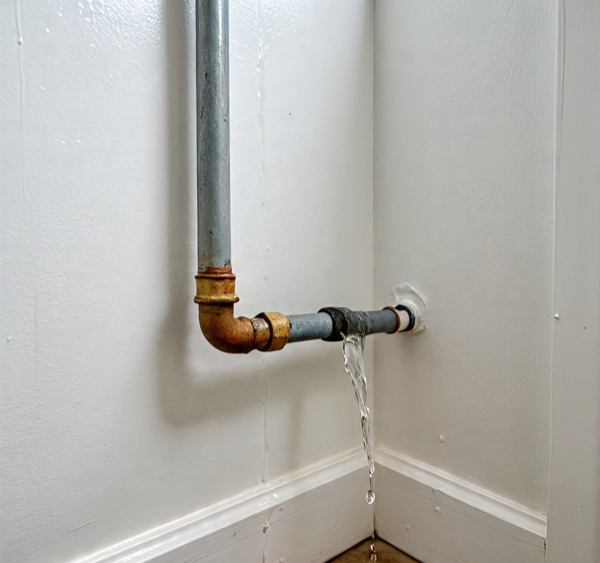
Absolutely. Prevention is easier and cheaper than remediation. Here’s how:
Routine Checks:
- Inspect under sinks and around appliances monthly.
- Listen for dripping sounds in walls or ceilings.
- Watch your water bill for unexpected spikes.
Smart Tools:
- Install smart water leak detectors under appliances or near water heaters.
- Use a hygrometer to monitor humidity in basements or laundry rooms.
Maintenance:
- Replace old hoses and connectors regularly.
- Get plumbing inspected annually especially in older homes.
When Should You Call a Professional?
Call a professional if:
- You see visible mold growth.
- The area affected is larger than 10 square feet.
- You or your family are experiencing health symptoms.
- The leak was undetected for more than 48 hours.
- You smell musty odors but can’t find the source.
Tip: Certified mold remediation companies follow strict guidelines (like those from the IICRC) to remove mold safely and completely.
Why DIY Mold Cleanup Isn’t Always Safe
While surface mold on tile can often be cleaned with bleach or vinegar, leak-related mold is usually hidden in drywall, subfloors, or insulation. DIY cleaning may:
- Miss hidden mold colonies
- Fail to remove moisture from materials
- Spread spores through improper handling
- Expose you to harmful mold particles
That’s why expert help is essential when mold is widespread or tied to plumbing leaks.
Frequently Asked Questions (FAQs)
Q1: How do I know if the mold smell is from a pipe leak?
A musty smell in areas near water pipes (e.g., bathrooms, kitchens) often indicates hidden moisture. Look for dampness or bubbling paint nearby.
Q2: Can mold grow under tile or vinyl flooring from a leak?
Yes, moisture can seep beneath flooring, especially if there’s a subfloor. Mold can grow unnoticed beneath the surface.
Q3: Will homeowners insurance cover mold from a leaky pipe?
Possibly. Most policies cover sudden and accidental leaks but may deny claims for long-term leaks due to neglect. Check your policy details.
Q4: What should I do first if I find mold and a leak?
Stop the leak immediately. Then contact a professional for mold remediation. Avoid trying to clean mold yourself unless it’s a very small area.
Final Thoughts: Small Leak, Big Consequences
A leaky pipe may not seem like an emergency but if ignored, it can become a health hazard and financial burden. Mold grows faster than most people realize, and by the time it’s visible, the damage is already done.
If you suspect mold from a water leak, don’t wait. The longer you delay, the worse it gets.
Call the Professionals
If you’re in Indiana and dealing with water damage or suspect mold growth, call PuroClean Disaster Restoration at (317) 467-4436. They respond quickly, handle everything professionally, and restore your peace of mind.
PuroClean Disaster Restoration has over 19 years of experience in the mold removal, remediation and mitigation industry, with over 100 five star reviews on Google serving Indianapolis. Click on this link to see it’s online reviews and ratings.
Need help fast?
Call PuroClean Disaster Restoration now: (317) 467-4436
Serving Greenfield, Fort Wayne, and surrounding areas.