


Introduction
Fire damage cleanup service in indiana: A fire in your home or business is devastating, leaving behind not only structural damage but also pervasive smoke and soot. Many property owners attempt DIY cleanup to save money, only to find that smoke odor lingers and hidden damage worsens over time.
While minor fire damage might seem manageable, smoke removal is far more complex than most people realize. This guide explains why professional fire damage restoration is necessary, the hidden dangers of DIY smoke cleanup, and the steps experts take to fully restore your property.
For immediate assistance with fire damage restoration service in indianapolis, contact PuroClean Disaster Restoration, Call (+1) 317-467-4436 or (+1) 260-263-9788 for Fort Wayne location
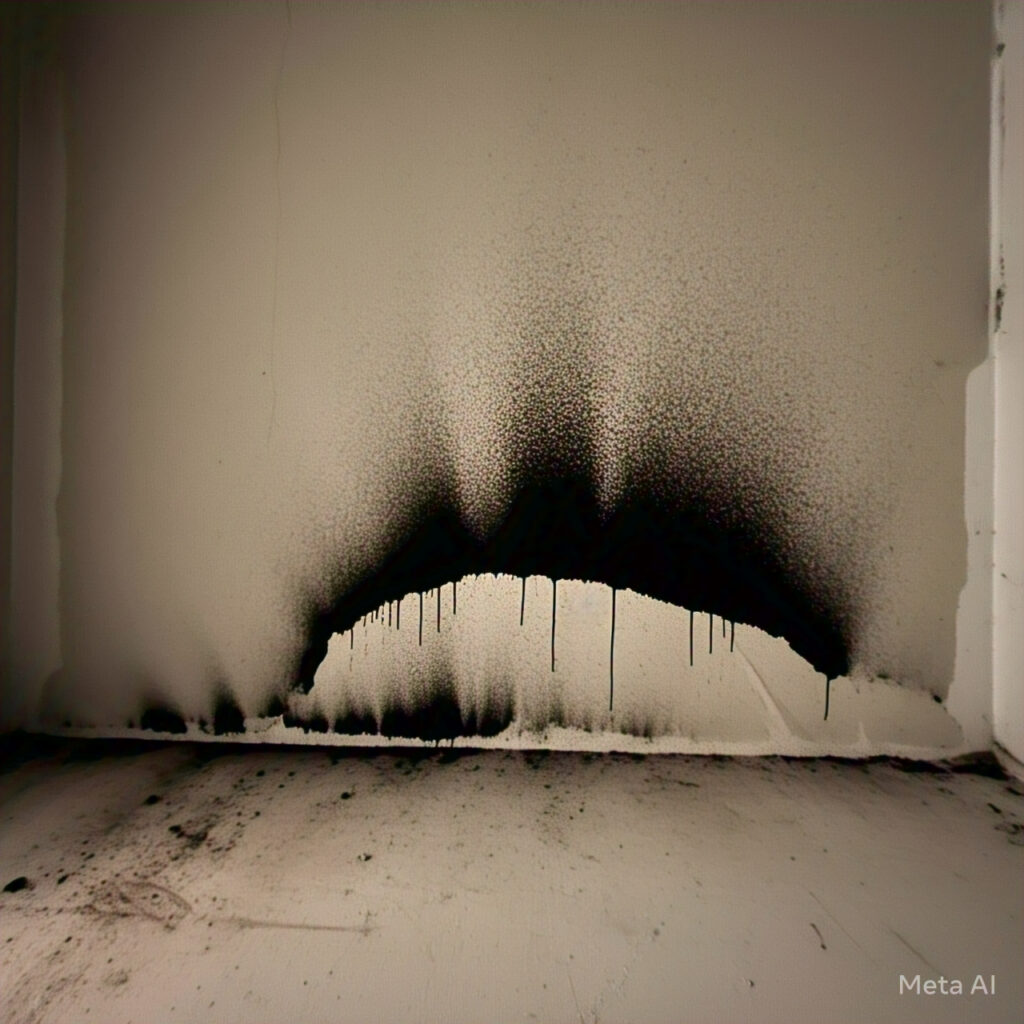
The Hidden Challenges of Smoke and Soot Removal
1. Smoke Penetrates Deeply Into Materials
Unlike water damage, which mostly affects surfaces, smoke infiltrates:
- Porous materials (drywall, wood, upholstery, carpets)
- HVAC systems, spreading odor throughout the building
- Electrical systems, causing corrosion over time
DIY methods (like air fresheners or surface cleaning) only mask—not eliminate—the problem.
2. Soot is Highly Toxic and Difficult to Clean
Soot contains:
- Carbon particles (staining surfaces permanently)
- Chemicals (from burned plastics, synthetics, and building materials)
- Carcinogens (posing health risks if inhaled)
Without professional-grade equipment, improper cleaning can embed soot deeper into walls and furniture.
3. Smoke Odor Doesn’t Just “Go Away”
Many homeowners try:
- Vinegar or baking soda (temporary odor masking)
- Ozone generators (ineffective without proper air sealing)
- Febreze or candles (only covers the smell)
True odor removal requires thermal fogging, hydroxyl generators, or ozone treatments, tools only professionals use correctly.
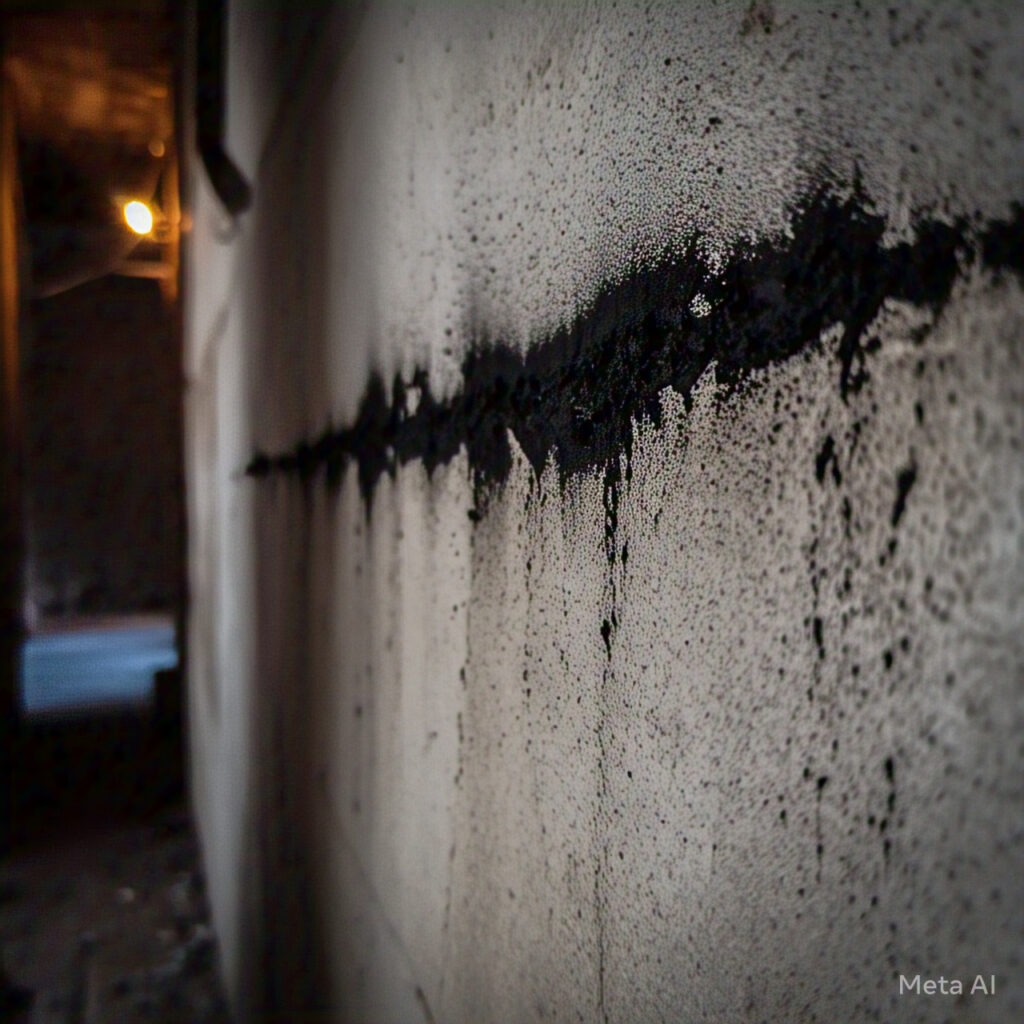
Why DIY Fire Damage Cleanup Fails
1. Incomplete Soot Removal Leads to Long-Term Damage
- Soot is acidic and corrodes metals, electronics, and appliances over time.
- If not fully removed, it continues to release odors for months.
2. Improper Cleaning Techniques Spread Contamination
- Dry sponging can smear soot instead of lifting it.
- Vacuuming without a HEPA filter redistributes soot particles into the air.
- Using water incorrectly (e.g., on grease-based soot) makes stains worse.
3. Health Risks from Residual Toxins
- Inhaling soot particles can cause respiratory issues, headaches, and skin irritation.
- Children, pets, and those with asthma are especially vulnerable.
4. Hidden Fire Damage Goes Unnoticed
- Structural weaknesses (charred beams, compromised drywall)
- Electrical hazards (smoke-damaged wiring)
- Mold growth (from water used to extinguish the fire)
Without professional inspection, these risks remain undetected.
How Professional Fire Damage Restoration Works
Step 1: Inspection & Damage Assessment
- Thermal imaging detects hidden hotspots.
- Air quality tests identify toxic particles.
Step 2: Secure the Property & Prevent Further Damage
- Board-up services for broken windows/doors.
- Roof tarping to prevent water intrusion.
Step 3: Soot & Smoke Removal
- Dry cleaning sponges for light soot.
- Chemical cleaners for stubborn residues.
- Ultrasonic cleaning for delicate items (electronics, jewelry).
Step 4: Odor Elimination
- Thermal fogging (breaks down odor molecules).
- Hydroxyl generators (safe, chemical-free odor removal).
- Ozone treatment (for severe cases, requires evacuation).
Step 5: Sanitization & Restoration
- HEPA vacuuming & air scrubbing.
- Reconstruction of damaged structures.
When to Call a Professional Fire Damage Cleanup Service
You should never attempt DIY fire cleanup if:
The fire was large (more than a small kitchen fire).
There’s visible soot on walls, ceilings, or HVAC vents.
The smell lingers after basic cleaning.
Water damage is present (increasing mold risk).
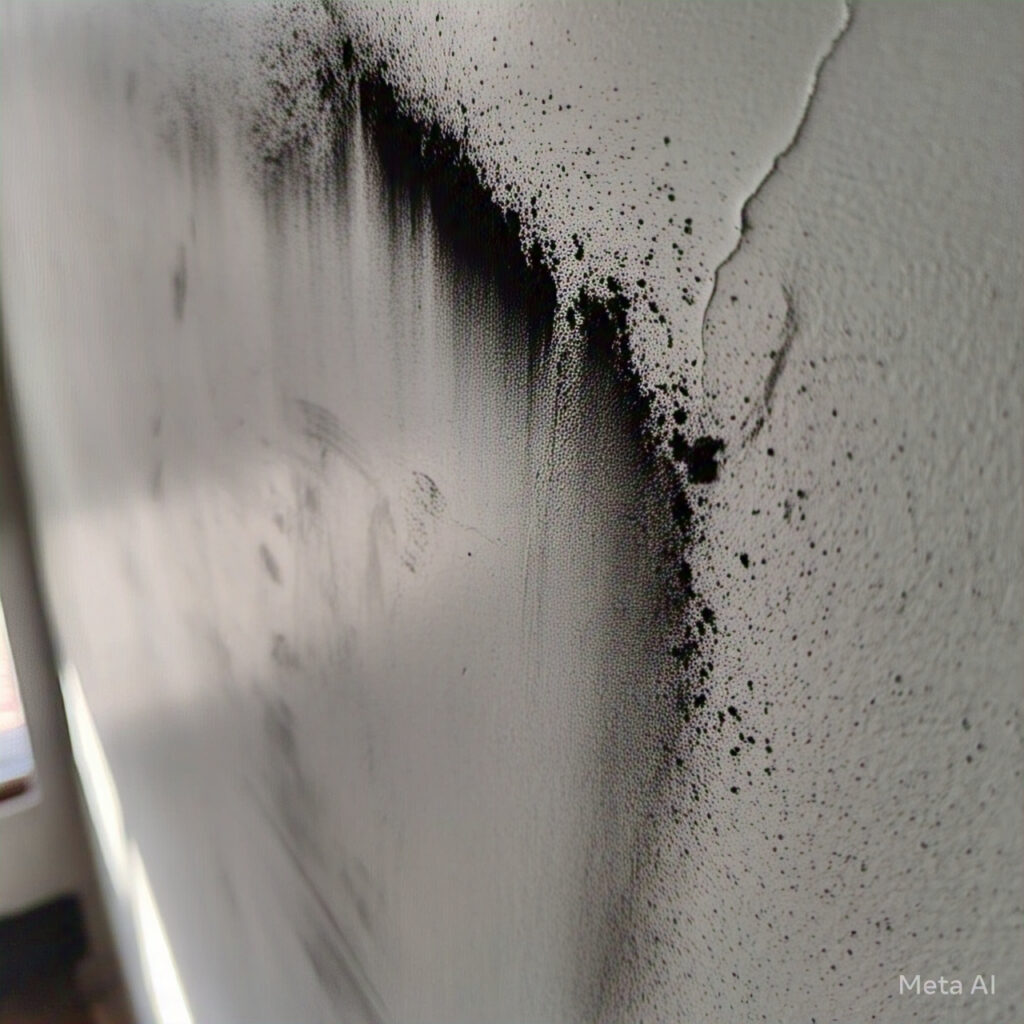
Final Thoughts
While DIY cleanup might seem cost-effective, improper smoke and soot removal leads to long-term damage, health hazards, and persistent odors. Professional fire damage restoration ensures:
Complete soot and odor removal
Safety from hidden structural/electrical risks
Insurance compliance (proper documentation for claims)
If you’ve experienced a fire, contact a certified restoration company immediately—the sooner they begin, the better the results.
Fire Damage Cleanup FAQ:
1. Why is smoke damage difficult to remove?
Smoke damage is challenging because smoke particles are small and can penetrate deep into porous materials such as wood, drywall, and fabrics. Standard household cleaners are ineffective at fully removing smoke residues, and improper cleaning methods can cause the particles to embed even deeper.
2. Can air fresheners or DIY odor removal methods eliminate smoke smell?
No, air fresheners, candles, and DIY deodorizing methods only mask the smell temporarily. Smoke molecules bind to surfaces and continue to release odor over time. Professional treatments, such as ozone generators, thermal fogging, and specialized cleaning agents, are necessary to completely neutralize the odors.
3. How does soot affect my home and health?
Soot is composed of fine carbon particles that can be highly acidic and corrosive. It can damage walls, furniture, and electronics if not removed promptly. Inhalation of soot particles can cause respiratory issues, irritation, and long-term health risks, particularly for individuals with asthma or other respiratory conditions.
4. Why do DIY smoke damage cleaning methods fail?
DIY methods fail because:
- Household cleaning products are not designed to break down oily soot residue.
- Scrubbing can spread soot and cause permanent staining.
- Without proper ventilation and filtration, airborne soot particles continue to circulate and settle in other areas.
5. What are the risks of cleaning up fire damage without professional help?
Attempting to clean fire damage without the proper equipment and training can lead to:
- Health hazards: Exposure to toxic residues and airborne particles.
- Further damage: Improper cleaning can cause permanent staining and worsen structural issues.
- Incomplete odor removal: Smoke can linger for months if not treated correctly.
6. How do professionals clean up smoke and fire damage?
Certified fire damage restoration specialists use advanced techniques, including:
- HEPA filtration: To remove airborne contaminants.
- Dry and wet cleaning methods: To safely remove soot from different surfaces.
- Thermal fogging & ozone treatment: To neutralize lingering smoke odors.
- Deep cleaning & encapsulation: To restore surfaces and seal porous materials to prevent odor re-emission.
7. Can I use vinegar and baking soda for fire damage cleaning?
While vinegar and baking soda can help with minor odor issues, they are not effective for significant smoke damage. These substances cannot break down heavy soot deposits or remove smoke odors embedded in walls, ceilings, and insulation.
8. Is it safe to stay in a smoke-damaged home?
No, it is not safe to remain in a smoke-damaged home without proper cleaning. Smoke residues contain harmful toxins, including carbon monoxide, formaldehyde, and other hazardous chemicals that can pose serious health risks.
9. How long does professional fire damage restoration take?
The timeline for fire damage cleanup depends on the extent of the damage. A minor fire with light smoke damage may take a few days to clean, while severe cases involving structural damage can take weeks or even months.
10. Should I contact my insurance company before hiring a professional?
Yes, you should notify your insurance company as soon as possible. Most homeowner policies cover fire damage restoration, and working with a certified restoration company can ensure that the damage is properly documented for your insurance claim.
11. What should I do immediately after a fire?
After ensuring everyone is safe, follow these steps:
- Avoid entering the property until it’s deemed safe.
- Contact your insurance provider to begin the claims process.
- Call a professional restoration service to assess the damage and start cleanup.
- Avoid using HVAC systems to prevent spreading soot throughout the home.
12. How can I prevent fire and smoke damage in the future?
- Install and maintain smoke detectors in all rooms.
- Keep a fire extinguisher in key areas like the kitchen.
- Avoid overloading electrical outlets.
- Never leave candles or cooking appliances unattended.
- Have an emergency fire plan for your household.