


Table of Contents
Fire Damage: When a fire devastates a home or property, the damage extends far beyond the visible destruction. The aftermath of fire can have severe and long-lasting impacts on the health and well-being of those affected, particularly on respiratory health. Fire damage produces toxic by-products, including smoke, soot, and hazardous chemicals, which can linger in the environment and continue to pose risks long after the flames are extinguished.
This comprehensive guide explores the respiratory problems caused by fire damage, the aftermath effects on health and property, and the essential steps to restore a safe living environment.
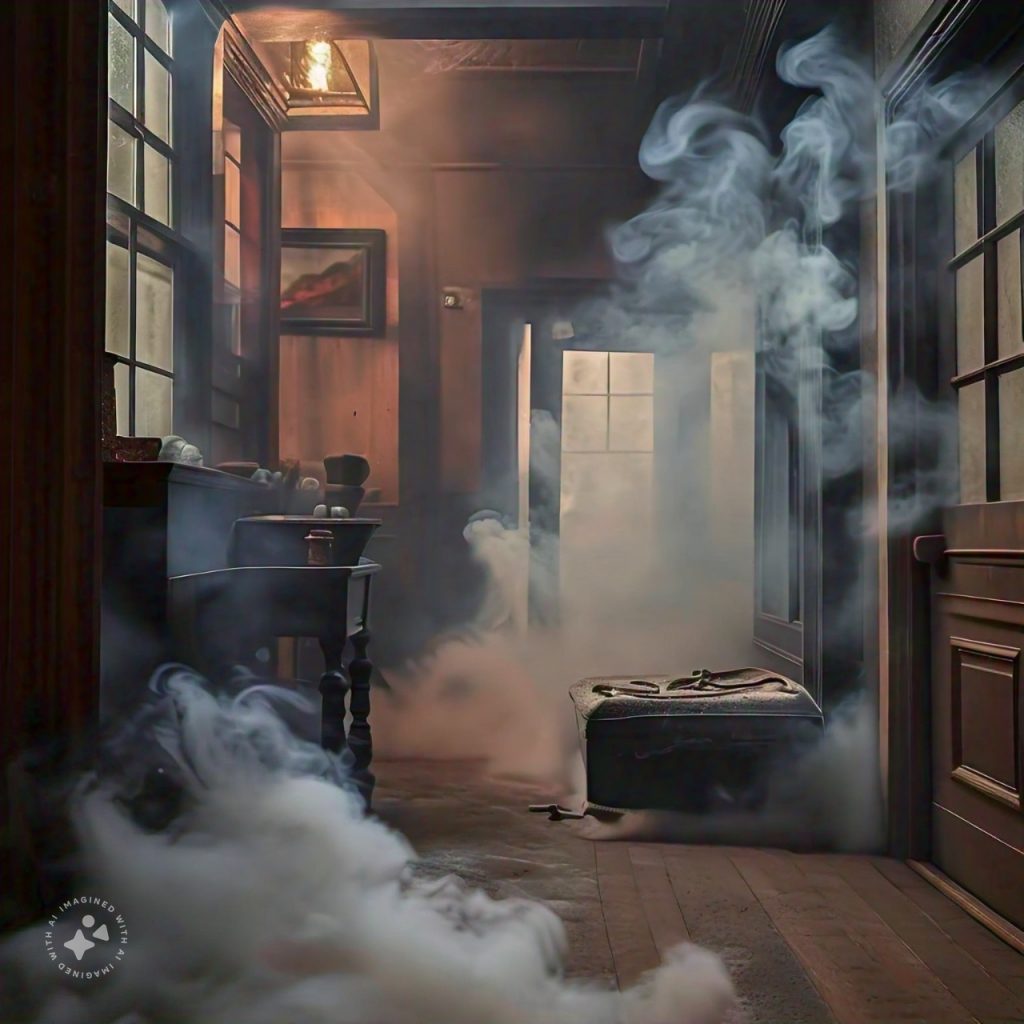
Fire Damage and Respiratory Risks
Fires release a complex mixture of particles and gases that can compromise air quality. The primary culprits affecting respiratory health include:
- Smoke: A combination of tiny solid particles and gases, smoke contains harmful substances like carbon monoxide (CO), carbon dioxide (CO2), and volatile organic compounds (VOCs).
- Soot: Fine black particles resulting from the incomplete combustion of organic matter. Soot can embed in surfaces and remain airborne, making it a persistent irritant.
- Chemical Residues: Fires involving synthetic materials can produce hazardous chemicals such as formaldehyde, benzene, and hydrochloric acid.
- Ash: While less hazardous than soot, ash can still cause irritation when inhaled or if it settles on surfaces.
Respiratory Problems Caused by Fire Damage
Exposure to fire byproducts can lead to various short-term and long-term respiratory issues, depending on the severity and duration of exposure:
Short-Term Effects:
- Coughing and Wheezing: Irritation from smoke and soot particles can trigger coughing and breathing difficulties.
- Shortness of Breath: Inhalation of toxic gases like carbon monoxide can reduce oxygen levels in the blood.
- Throat and Eye Irritation: Smoke often causes immediate discomfort in the throat and eyes due to its acidic nature.
Long-Term Effects:
- Chronic Bronchitis: Persistent inflammation of the bronchial tubes caused by repeated exposure to smoke and soot.
- Asthma: Fire-related irritants can exacerbate existing asthma or lead to the development of asthma in previously healthy individuals.
- Lung Damage: Prolonged exposure to toxic chemicals can result in permanent damage to lung tissues.
- Cancer Risk: Inhalation of carcinogenic substances like benzene and formaldehyde increases the risk of respiratory cancers.
The Aftermath Effects of Fire Damage
In addition to respiratory problems, fire damage has several other effects on health, property, and quality of life:
Health Impact:
- Psychological Stress: The trauma of experiencing a fire can lead to anxiety and depression.
- Secondary Infections: Compromised respiratory health can increase vulnerability to infections like pneumonia.
Property Damage:
- Structural Integrity: Heat can weaken walls, ceilings, and other structural elements.
- Surface Contamination: Soot and chemical residues can stain surfaces and compromise indoor air quality.
- Persistent Odors: Smoke odor can permeate fabrics, carpets, and furniture, making it difficult to eliminate.
Environmental Impact:
- Water Damage: Efforts to extinguish the fire often leave behind significant water damage, creating additional cleanup challenges.
- Mold Growth: Water damage combined with soot and ash creates a breeding ground for mold, further exacerbating health risks.
Restoration Steps After Fire Damage
Effective fire damage restoration is essential for eliminating health risks and restoring a safe living environment. Here are the critical steps:
1. Assess the Damage:
- Hire a certified fire damage restoration professional to evaluate the extent of damage.
- Conduct air quality testing to identify pollutants and hazards.
2. Remove Contaminants:
- Ventilation: Open windows and use fans to expel smoke and improve air circulation.
- Deep Cleaning: Use specialized cleaning agents to remove soot and chemical residues from surfaces.
- Air Purification: Install HEPA air filters and air purifiers to remove airborne particles.
3. Address Odors:
- Use ozone treatments or thermal fogging to neutralize smoke odors.
- Replace heavily contaminated materials like carpets and upholstery.
4. Repair and Restore:
- Repair structural damage, including replacing weakened walls or ceilings.
- Repaint and refinish affected surfaces using odor-blocking primers.
5. Prevent Mold Growth:
- Remove standing water and dry damp areas using dehumidifiers.
- Inspect for mold and address any growth with professional remediation services.
6. Professional Air Quality Restoration:
- Engage air quality experts to ensure all hazardous particles and gases are eliminated.
- Monitor indoor air quality regularly to prevent recurrence.
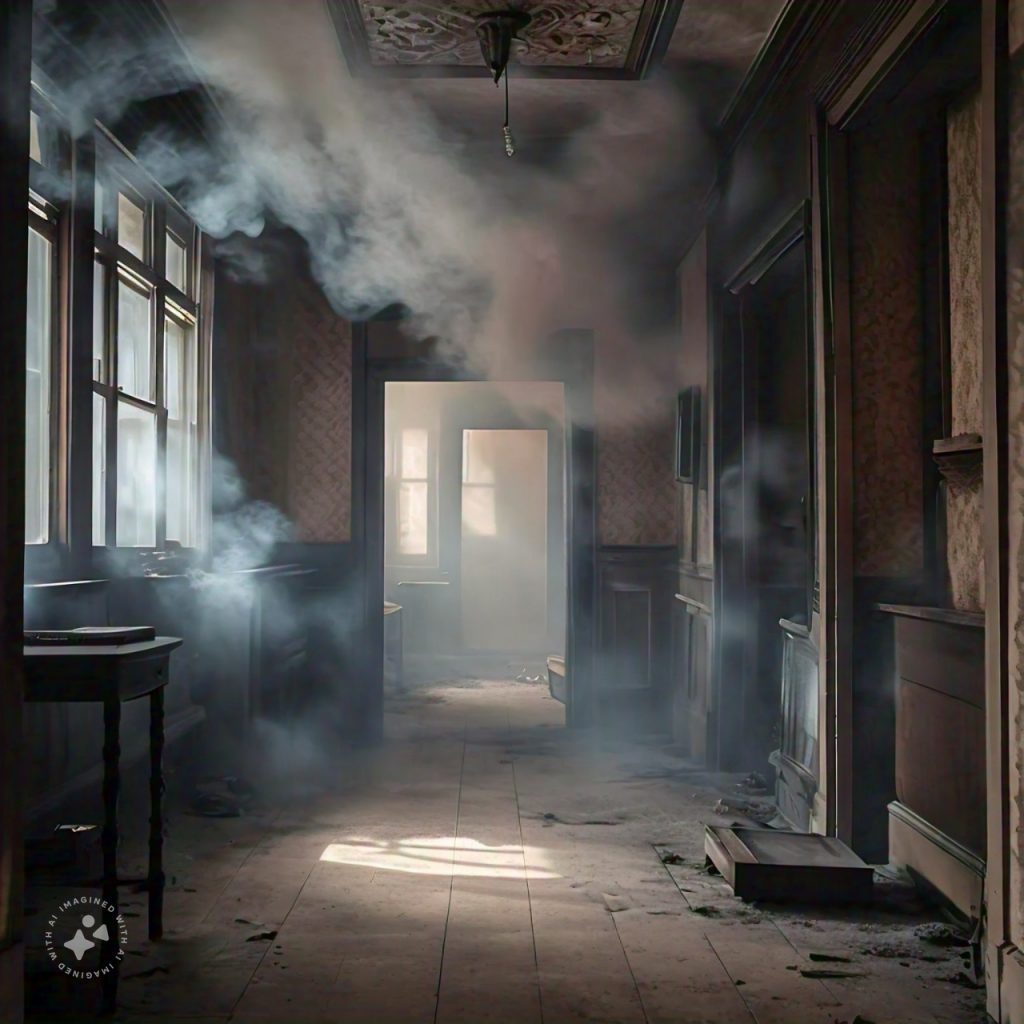
Tips for Preventing Future Risks
Preventing fire damage and its associated health risks requires a proactive approach:
- Install Smoke Alarms: Ensure working smoke detectors are installed in every room and check them regularly.
- Maintain Fire Safety Equipment: Keep fire extinguishers accessible and ensure they are in good working condition.
- Use Fire-Resistant Materials: Opt for fire-resistant building materials and furnishings where possible.
- Regular Maintenance: Clean chimneys, vents, and HVAC systems to prevent buildup that could lead to fires.
- Emergency Plan: Develop a family emergency plan and practice fire drills regularly. You can use an online fire damage calculator also.
When to Seek Professional Help
Restoring a property after a fire is a complex process that requires professional expertise. Contact a certified fire damage restoration company if:
- The fire caused extensive structural damage.
- Smoke and soot are widespread throughout the property.
- You or your family experience health issues related to fire byproducts.
Professional services like PuroClean Disaster Restoration offer comprehensive solutions, including cleanup, odor removal, air purification, and structural repairs, ensuring your home is safe and livable again.
Conclusion
Fires leave behind more than just charred walls and ruined belongings; they pose significant risks to respiratory health and overall well-being. By understanding the effects of fire damage and taking prompt action to address the aftermath, homeowners can protect their health and restore their living environment.
When disaster strikes, PuroClean Disaster Restoration is here to help you rebuild your life. For immediate assistance with fire damage restoration, contact PuroClean Disaster Restoration, Call (+1) 317-467-4436.
For homeowners in need of reliable restoration services, professional help ensures a thorough and efficient recovery process. Protect your home, your health, and your family by prioritizing fire damage restoration and prevention.