


Table of Contents
Introduction
Fire Prevention: Winter is a time for cozy nights by the fire, festive gatherings, and warm meals. Unfortunately, it is also a season when the risk of house fires significantly increases. With the colder temperatures, people rely more on heating devices, holiday decorations, and electrical appliances, all of which can become fire hazards if not used carefully.
According to the National Fire Protection Association (NFPA), winter months see a spike in home fires, with heating equipment and holiday decorations being leading causes. This blog aims to help you understand common fire hazards during the winter and provides comprehensive tips to keep your home and family safe throughout the season.

When disaster strikes, PuroClean Disaster Restoration is here to help you rebuild your life. For immediate assistance with fire damage restoration, contact PuroClean Disaster Restoration, Call (+1) 317-467-4436.
Why Are Fires More Common During Winter?
Several factors contribute to the increased risk of house fires in winter. As temperatures drop, people depend heavily on heating systems, fireplaces, and space heaters. In addition, the holidays bring increased use of electrical lights, candles, and cooking appliances. All of these create potential fire hazards, especially when safety precautions are neglected. Let’s dive into some specific causes of winter fires.
1. Heating Equipment: Fireplaces, Space Heaters, and Furnaces
Heating equipment is one of the primary causes of house fires during winter. Whether you’re using a traditional fireplace, a space heater, or a furnace, improper use or neglect can lead to disastrous consequences.
Fireplaces
Fireplaces, while adding a beautiful ambiance to the home, pose significant risks if not properly maintained and used. Creosote, a highly flammable substance, can accumulate inside chimneys, leading to chimney fires.
Fireplace Safety Tips:
- Clean your chimney: Before using your fireplace for the season, have your chimney inspected and cleaned by a professional to remove creosote buildup.
- Use a fireplace screen: A metal or glass screen will prevent embers from escaping and igniting nearby materials like rugs or furniture.
- Burn only seasoned wood: Burning green or damp wood can cause more creosote buildup. Use dry, well-seasoned wood to minimize this risk.
- Never leave a fire unattended: Always make sure the fire is completely out before going to bed or leaving the house.
- Store firewood properly: Keep firewood at least 30 feet away from your home to avoid the risk of it catching fire due to stray embers.
Space Heaters
Space heaters are commonly used to provide additional warmth in rooms that central heating may not fully cover. However, they can be a fire hazard if not used correctly.
Space Heater Safety Tips:
- Choose a safe heater: Purchase space heaters that have automatic shutoff features and are certified by recognized testing laboratories like UL (Underwriters Laboratories).
- Keep a 3-foot clearance: Ensure that space heaters are at least 3 feet away from flammable materials such as curtains, bedding, and furniture.
- Never use extension cords: Plug space heaters directly into a wall outlet to reduce the risk of overheating and electrical fires.
- Turn off when unattended: Always turn off space heaters when leaving the room or going to bed.
Furnaces
Furnaces, especially older ones, can also cause fires if they are not properly maintained. Faulty wiring, clogged filters, or gas leaks can be dangerous.
Furnace Safety Tips:
- Annual inspection: Schedule a professional inspection of your furnace each year to ensure it’s functioning safely and efficiently.
- Change filters regularly: Dirty or clogged filters can restrict airflow and cause the furnace to overheat, potentially leading to a fire.
- Monitor gas lines: If your furnace is gas-powered, regularly inspect the lines for leaks or corrosion.
2. Electrical Fires: Holiday Lights and Overloaded Circuits
Winter brings with it a heavy reliance on electricity, whether it’s from plugging in holiday decorations or keeping the lights on longer due to shorter days. Improper use of electrical outlets and extension cords is a significant cause of winter fires.
Holiday Lights
Holiday lighting, particularly strings of lights for Christmas trees or outdoor decorations, can be a fire hazard if they’re old or installed incorrectly.
Holiday Lights Safety Tips:
- Inspect lights: Before hanging up holiday lights, inspect them for frayed wires, broken bulbs, or loose connections. Replace any damaged lights.
- Use LED lights: LED lights are cooler to the touch and use less electricity, making them safer for both indoor and outdoor decorations.
- Turn off when unattended: Always turn off holiday lights when you leave the house or go to bed to reduce the risk of electrical fires.
- Follow manufacturer guidelines: Avoid connecting too many light strands together, as this can overload circuits and create a fire hazard. Follow the manufacturer’s recommendations for maximum connections.
Overloaded Circuits
During the winter, many people use additional heating devices, lights, and electrical appliances, which can overload circuits and lead to electrical fires.
Electrical Fire Prevention Tips:
- Don’t overload outlets: Avoid plugging too many devices into a single outlet or power strip. This can cause overheating and lead to an electrical fire.
- Use surge protectors: Plug sensitive devices like heaters and computers into surge protectors to reduce the risk of electrical damage or fire from power surges.
- Update old wiring: If your home has outdated wiring, consider having it inspected by a licensed electrician. Old wiring is more susceptible to sparking and causing fires.
3. Cooking Fires: The Leading Cause of House Fires in Winter
The kitchen is one of the most dangerous places in the home, especially during the holiday season when cooking activities are at their peak. Unattended cooking is the leading cause of house fires year-round, and it’s especially prevalent during winter holidays like Thanksgiving and Christmas.
Cooking Fire Safety Tips:
- Stay in the kitchen: Never leave the kitchen unattended while cooking, especially when frying or grilling.
- Keep flammable objects away from the stove: Dish towels, wooden utensils, and paper towels should be kept away from the stovetop.
- Use a timer: If you’re simmering food or baking, set a timer to remind yourself to check on it. It’s easy to forget about a dish when you’re busy with holiday activities.
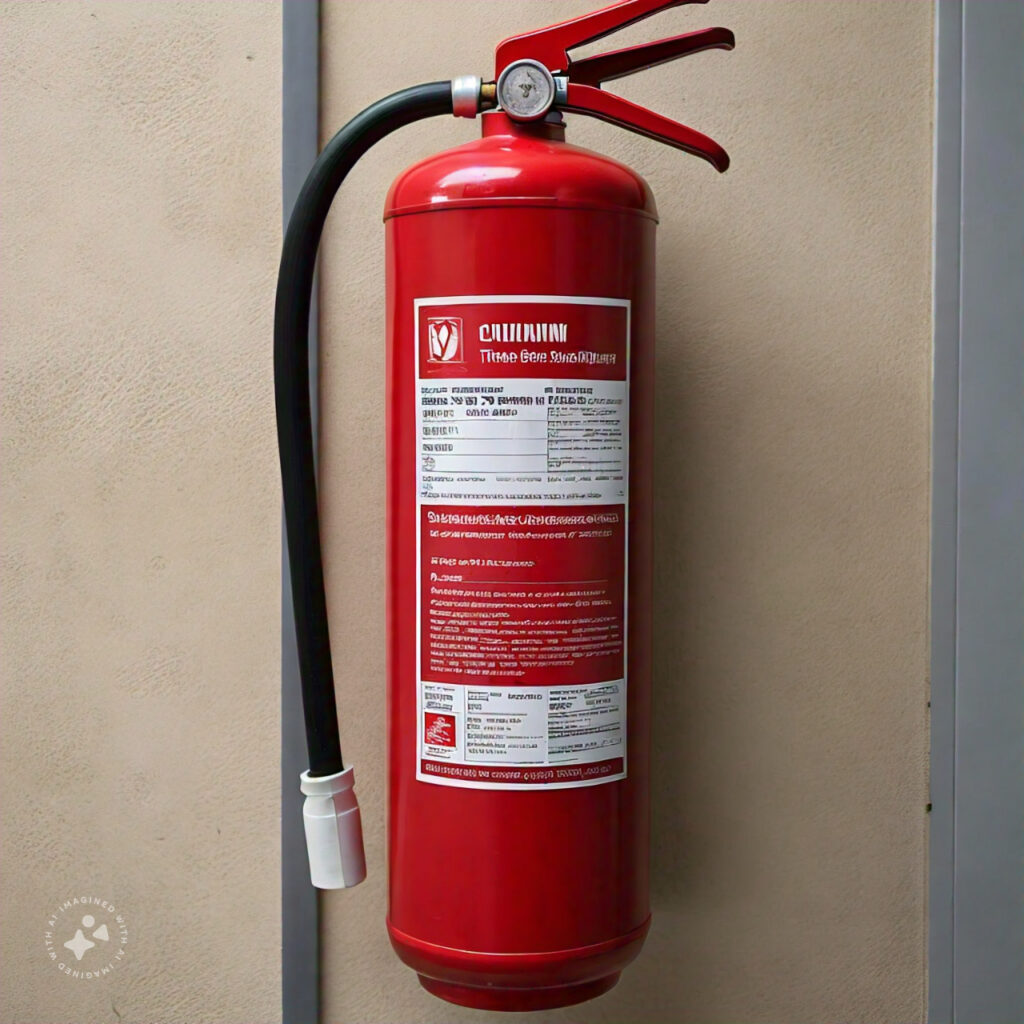
- Keep a fire extinguisher nearby: A fire extinguisher in the kitchen can be a lifesaver. Make sure you know how to use it and that it’s readily accessible.
4. Candles and Decorations: Festive Yet Risky
Candles are a favorite during the holiday season for their warmth and ambiance. However, candles are a leading cause of home fires, especially during Christmas and New Year celebrations.
Candle Safety
Candles create a significant fire risk, particularly if they are left unattended or placed too close to flammable materials.
Candle Fire Safety Tips:
- Keep candles away from flammable objects: Ensure that candles are placed on stable surfaces and away from items like curtains, bedding, and holiday decorations.
- Use flameless candles: Battery-operated flameless candles offer the same ambiance without the fire risk.
- Extinguish candles before bed: Never leave candles burning when you go to sleep or leave the room.
- Place candles out of reach: If you have children or pets, make sure candles are out of their reach to prevent accidents.
5. Carbon Monoxide Poisoning: A Silent Winter Danger
While not a fire hazard per se, carbon monoxide poisoning is a significant winter risk due to the increased use of heating equipment like gas furnaces, fireplaces, and portable generators. Carbon monoxide is an odorless, colorless gas that can be deadly if it accumulates in your home.
Carbon Monoxide Prevention Tips:
- Install CO detectors: Place carbon monoxide detectors on every level of your home, particularly near bedrooms and areas with gas appliances.
- Service your furnace: Have a professional inspect and service your furnace annually to prevent carbon monoxide leaks.
- Use generators safely: If you use a portable generator, make sure it’s placed outside and far away from windows and doors to prevent exhaust fumes from entering your home.
6. Dryer Fires: A Forgotten Hazard
Dryers are often overlooked as a fire risk, but during the winter months, people tend to use their dryers more frequently, leading to a higher chance of lint buildup and, in turn, dryer fires.
Dryer Fire Prevention Tips:
- Clean the lint filter: After every use, clean the dryer’s lint filter to reduce the risk of lint buildup.
- Check the exhaust vent: Make sure the dryer’s exhaust vent is clear of lint and debris. A clogged vent can cause the dryer to overheat and ignite a fire.
- Avoid overloading the dryer: Overloading the dryer can cause it to work harder and increase the risk of overheating.
Conclusion: Stay Safe This Winter
Winter is a season to enjoy with family and friends, but it’s also a time to remain vigilant about fire safety. By taking precautions with heating equipment, electrical devices, cooking practices, and decorations, you can significantly reduce the risk of fire in your home.
Fires can be devastating, but most are preventable with proper care and attention. Make sure your home is equipped with smoke detectors and fire extinguishers, and practice these fire prevention tips to keep your home and loved ones safe during the cold season.
Final Thoughts:
- Review your fire safety plan with your family.
- Schedule maintenance for your furnace and chimney.
- Inspect your holiday lights and avoid overloading electrical circuits.
By staying proactive and following these tips, you can enjoy the warmth and coziness of winter while keeping fire risks at bay.