


Table of Contents
Introduction
Pipes: Winter brings challenges that can take a toll on your home, particularly your plumbing system. Freezing temperatures can cause pipes to freeze and burst, leading to costly repairs and water damage. Proper winter plumbing maintenance can help you avoid such problems.
In this guide, we’ll cover effective ways to protect your pipes and ensure your plumbing system remains intact throughout the cold months.
Why Do Pipes Freeze?
Pipes freeze when the temperature around them drops below 32°F (0°C). Water expands as it freezes, exerting pressure on the pipes and potentially causing them to crack or burst. Pipes in unheated or poorly insulated areas, such as basements, attics, garages, and exterior walls, are especially vulnerable.
Signs of Frozen Pipes
Identifying frozen pipes early can save you from significant damage. Common signs include:
- No Water Flow: A lack of water or reduced water flow from faucets.
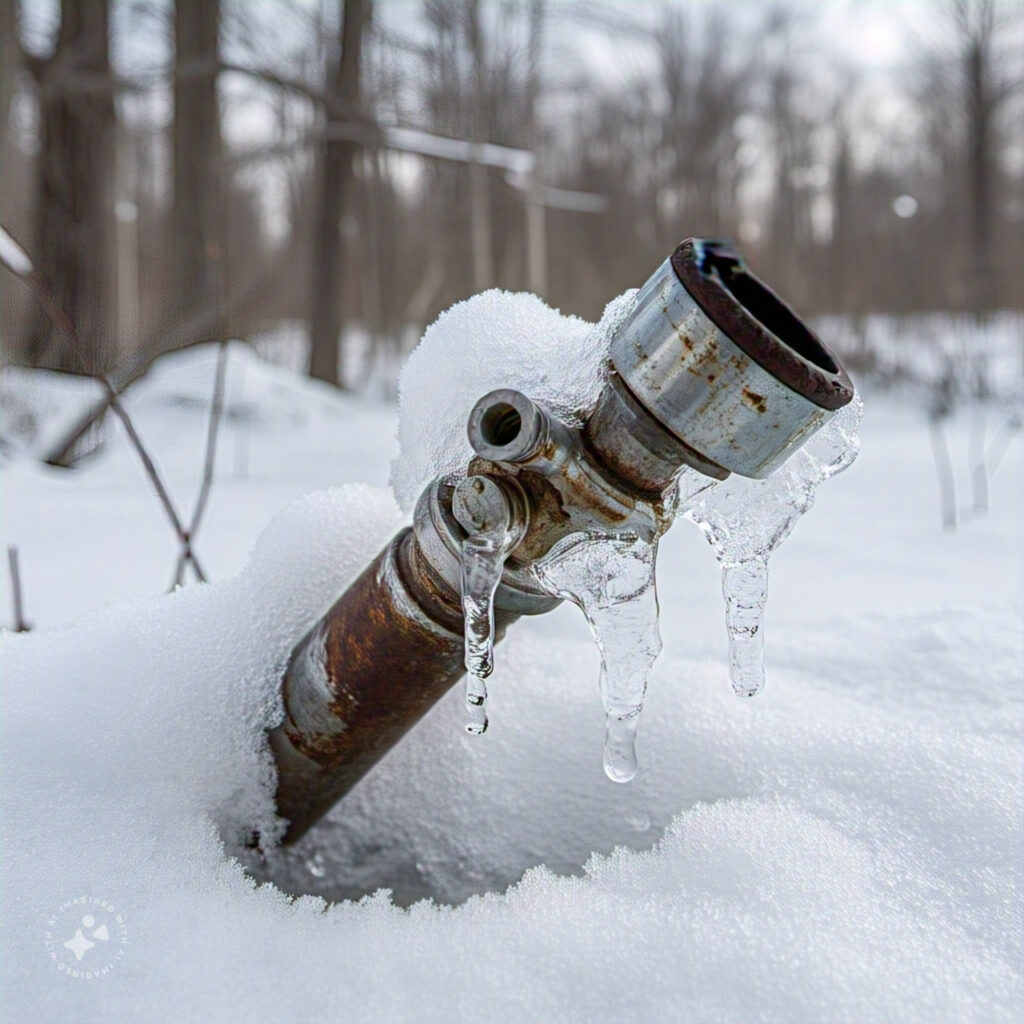
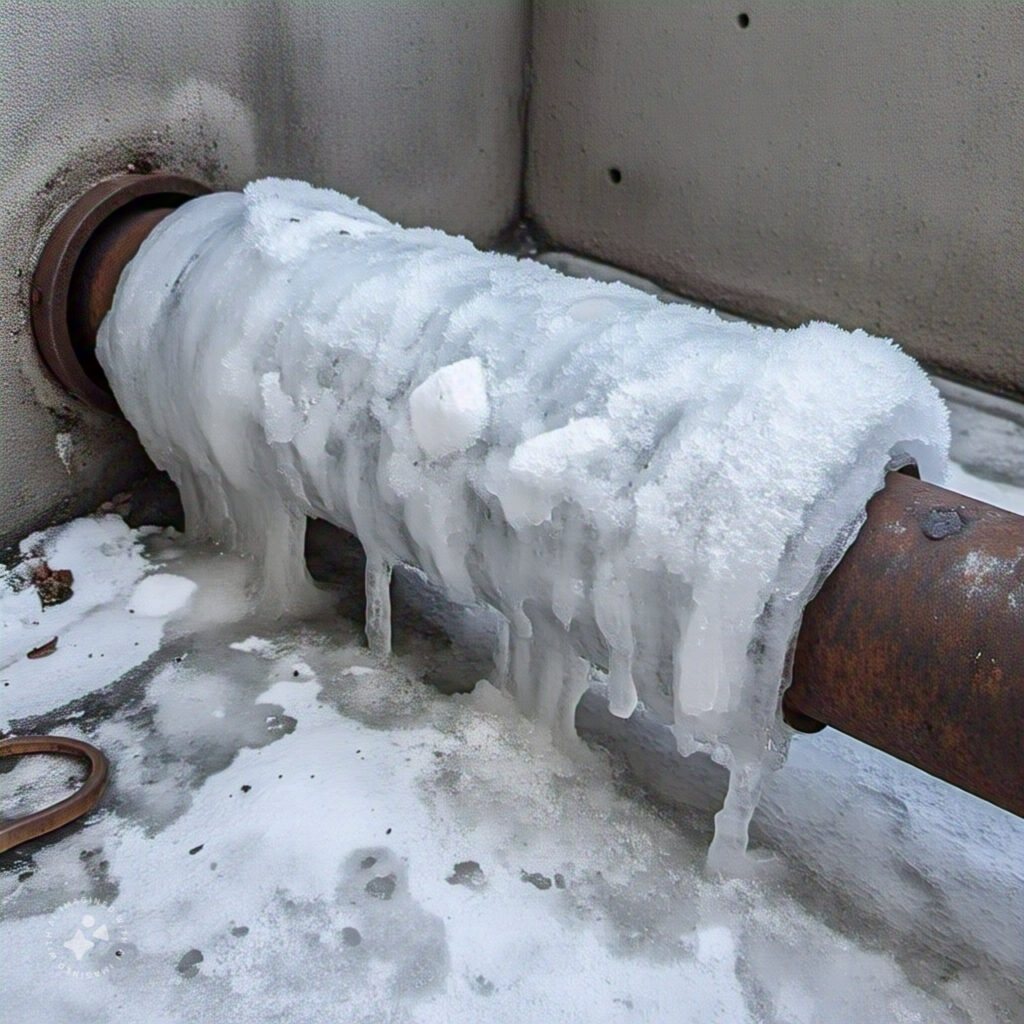
- Frost on Pipes: Visible frost or ice accumulation on the exterior of pipes.
- Unusual Sounds: Gurgling or banging noises when you turn on taps.
- Unpleasant Odors: Foul smells coming from drains, indicating a blockage caused by ice.
If you notice these signs, take immediate action to prevent further damage.
Steps to Protect Pipes from Freezing
Preventive measures can help you avoid the headaches of frozen or burst pipes. Here are the most effective steps to take:
1. Insulate Your Pipes
Pipe insulation is one of the most cost-effective ways to protect against freezing temperatures.
- Use foam pipe insulation sleeves for pipes in unheated areas.
- Wrap pipes with heat tape or thermostatically controlled heat cables.
- Insulate exterior faucets and hose bibs using faucet covers.
2. Seal Cracks and Openings
Cold air can seep into your home through cracks and gaps, exposing pipes to freezing temperatures.
- Seal gaps around doors, windows, and walls where pipes run.
- Use caulking or expanding foam to fill any visible cracks.
- Install weather stripping around doors and windows.
3. Keep the Heat On
Maintain a consistent indoor temperature to prevent pipes from freezing.
- Set your thermostat to at least 55°F (13°C) even when you’re away from home.
- Open cabinet doors under sinks to allow warm air to circulate around plumbing.
- Use space heaters in areas where pipes are particularly vulnerable, but follow safety precautions.
4. Drain Outdoor Water Systems
Water left in outdoor plumbing can freeze and cause damage.
- Disconnect garden hoses and store them indoors.
- Shut off and drain outdoor faucets.
- Winterize your sprinkler system by blowing out excess water.
5. Allow Faucets to Drip
Letting faucets drip slightly during extreme cold can prevent freezing.
- Open the faucet furthest from your water source to keep water moving through the system.
- Use both hot and cold water taps to balance the system.
6. Install a Smart Leak Detector
Leak detectors can alert you to potential plumbing issues before they escalate.
- Install detectors near water heaters, washing machines, and other key areas.
- Consider systems that monitor temperature and humidity to prevent freezing conditions.
What to Do If Pipes Freeze
Despite precautions, pipes may still freeze. Here’s what to do:
1. Locate the Frozen Pipe
- Check exposed pipes in unheated areas for frost or bulging.
- If the frozen pipe is behind a wall, look for signs of moisture or swelling.
2. Shut Off the Water
- Turn off the main water supply to prevent flooding if the pipe bursts.
3. Thaw the Pipe Safely
- Use a hairdryer or portable space heater to gradually warm the pipe.
- Apply hot towels or a heating pad to the affected area.
- Never use open flames, as this could cause fire damage.
4. Check for Leaks
- Once the pipe is thawed, inspect it for cracks or leaks before turning the water back on.
- If you find damage, call a plumber immediately.
Long-Term Solutions for Winter Plumbing Maintenance
Investing in long-term solutions can save you money and stress in the future:
1. Upgrade Your Insulation
- Add insulation to walls, floors, and ceilings in areas with exposed pipes.
- Use foam boards or spray foam for better thermal protection.
2. Install Frost-Proof Faucets
- Replace traditional outdoor faucets with frost-proof models to reduce the risk of freezing.
3. Maintain Your Heating System
- Schedule annual maintenance for your furnace or boiler to ensure it’s functioning efficiently.
- Replace air filters regularly to maintain proper airflow and heating.
4. Consider Pipe Relocation
- Relocate pipes that are consistently exposed to freezing temperatures.
- Work with a professional plumber to reroute pipes to safer, insulated areas.
The Cost of Neglecting Winter Plumbing Maintenance
Failing to protect your pipes can result in:
- Burst Pipes: Repairs can cost thousands of dollars depending on the extent of the damage.
- Water Damage: Flooded areas may require extensive restoration and mold remediation.
- Higher Utility Bills: Leaks caused by frozen pipes can increase water usage.
Preventive maintenance is a small investment compared to the potential costs of damage and repairs.
When to Call a Professional
Some plumbing issues require professional expertise. Contact a licensed plumber if:
- You cannot locate or thaw a frozen pipe safely.
- You notice persistent leaks or water damage.
- Your water pressure remains low after thawing frozen pipes.
For immediate assistance with Water damage restoration, contact PuroClean Disaster Restoration, Call (+1) 317-467-4436.
Conclusion
Winter plumbing maintenance is essential for protecting your home and avoiding costly repairs. By taking preventive measures such as insulating pipes, sealing gaps, and maintaining consistent indoor temperatures, you can keep your plumbing system in excellent condition throughout the season. If you do encounter frozen pipes, act quickly and consult a professional when necessary. With proper care, your home will stay safe and warm, no matter how cold it gets outside.