


Green mold in the house: Mold is a persistent and potentially hazardous problem for homeowners and businesses alike. Among the various types of mold, green mold is one of the most common yet often misunderstood. In this guide, we’ll delve deep into the world of green mold, covering its description, how to detect it, its dangers, and effective mitigation strategies. We’ll also explore its effects on health and clarify the difference between mold and algae.
What Is Green Mold?
Green mold is not a specific species of mold but a term used to describe several types of mold that appear green. It is often associated with species like Aspergillus, Penicillium, and Cladosporium. These molds thrive in damp, humid environments and can grow on a wide range of surfaces, including walls, ceilings, food, and fabrics.
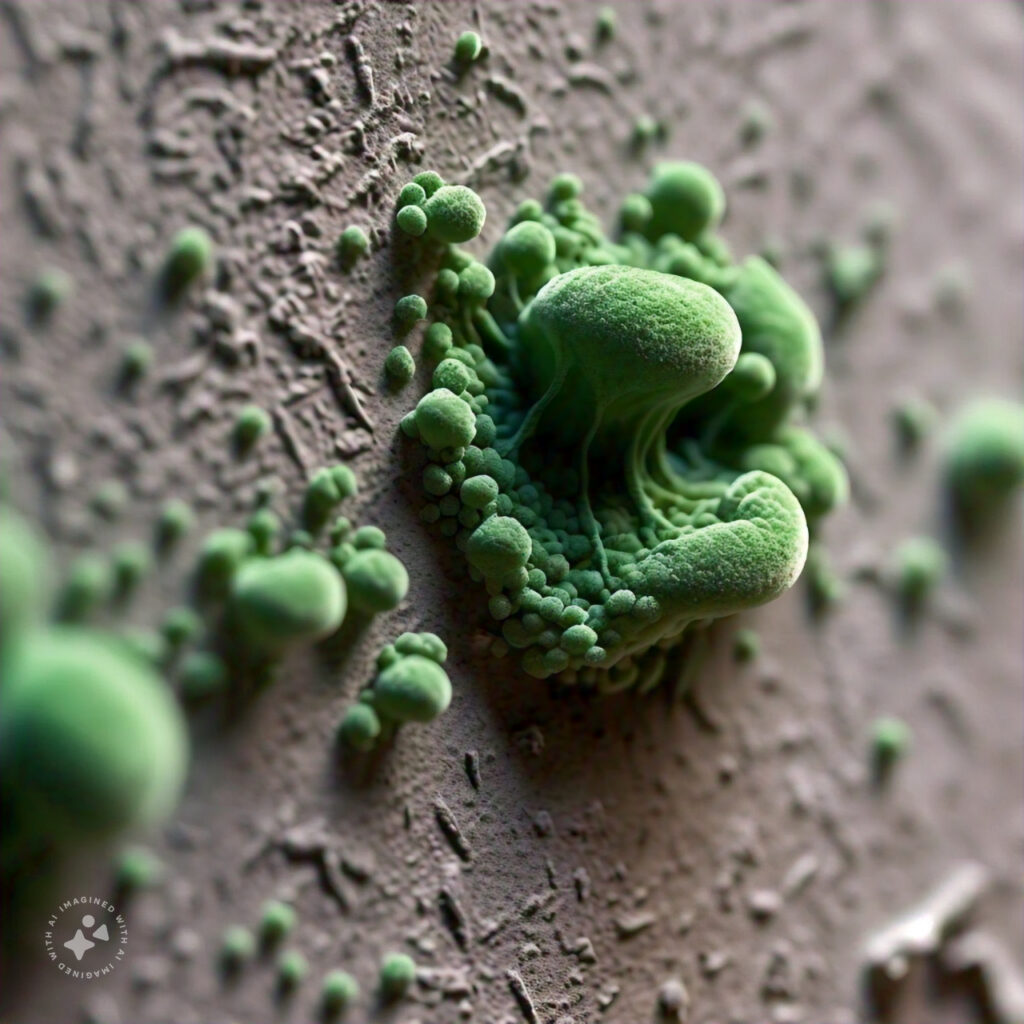
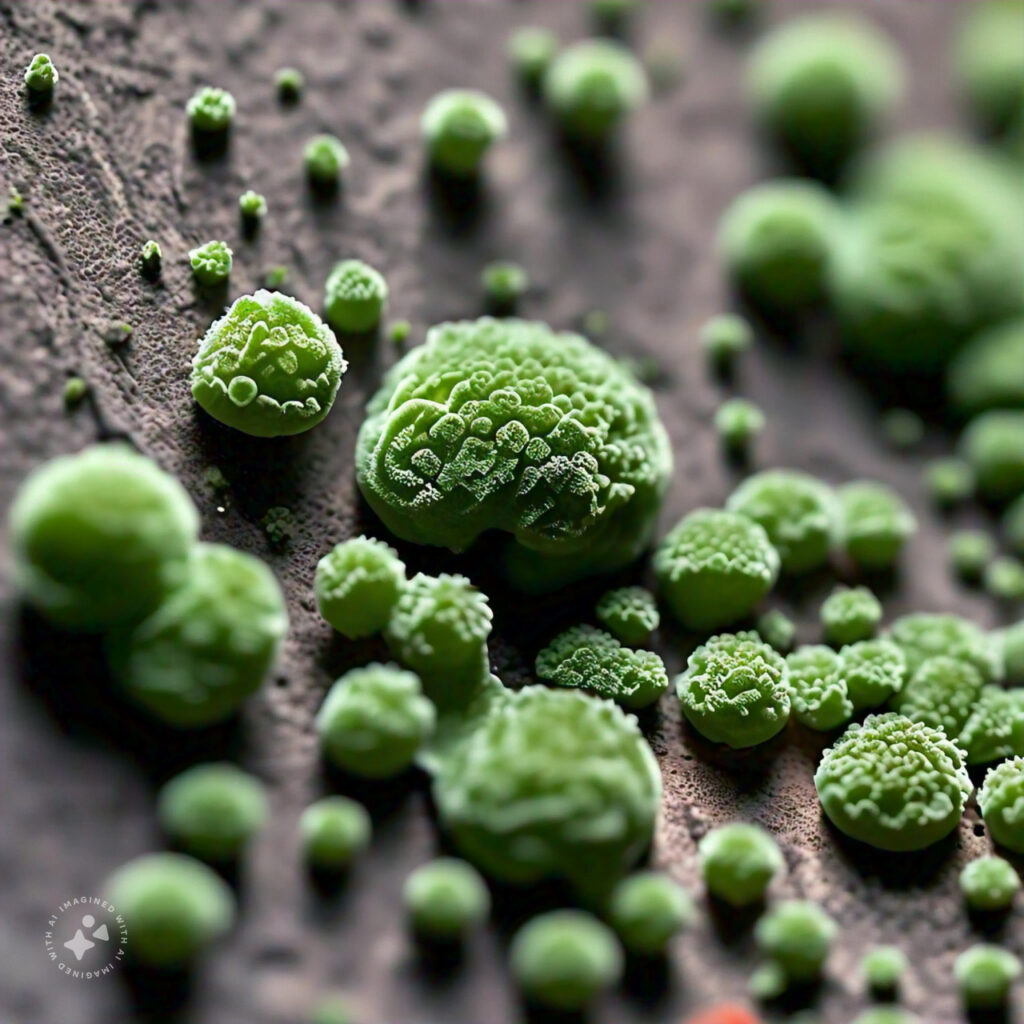
Green mold typically has a velvety or powdery texture, depending on the species and surface it grows on. It may appear as patches or spots in varying shades of green, often with a musty odor. While green is the dominant color, it can also contain hints of blue, yellow, or black, depending on the stage of growth and environmental conditions.
Detection of Green Mold
Detecting green mold early is critical to prevent its spread and minimize health risks. Below are some common ways to identify its presence:
- Visual Inspection
Green mold often appears as circular patches or fuzzy clusters on surfaces. Inspect areas prone to moisture, such as bathrooms, basements, kitchens, and around windows. - Odor
Mold produces a musty, earthy smell. If you notice an unpleasant odor in specific areas of your home, it could be a sign of hidden mold growth. - Discoloration on Surfaces
Green mold may cause discoloration, making walls, ceilings, or fabrics appear stained. - Moisture Detection Tools
Beyond the traditional mold testing method, you can also use an online artificial intelligent mold growth predictor to check for mold growth potential, check out the Mold Predictor. Also, using moisture meters can help identify damp areas where mold is likely to grow. - Professional Mold Testing
If you’re unsure about the type of mold or its extent, professional testing can confirm its presence and identify the species.
Possible Dangers of Green Mold
Green mold, like all molds, can pose significant dangers if left untreated:
1. Property Damage
- Green mold breaks down organic materials, weakening structures like wood, drywall, and insulation.
- It can ruin fabrics, furniture, and personal belongings.
2. Health Risks
- Prolonged exposure to green mold can lead to respiratory problems, allergies, and more severe health issues.
- Vulnerable populations, such as children, the elderly, and those with weakened immune systems, are at higher risk.
3. Allergic Reactions
- Symptoms include sneezing, coughing, runny nose, and itchy eyes.
- Skin contact may cause irritation or rashes.
Mitigation Strategies for Green Mold
Addressing green mold requires a combination of cleaning, repair, and prevention. Here’s a step-by-step guide:
1. Identify and Eliminate Moisture Sources
- Repair leaks in plumbing, roofing, and HVAC systems.
- Ensure proper ventilation in damp areas like bathrooms and kitchens.
- Use dehumidifiers to maintain indoor humidity levels below 50%.
2. Protect Yourself
- Wear protective gear such as gloves, goggles, and a mask while cleaning mold.
- Seal off affected areas to prevent mold spores from spreading.
3. Clean Affected Areas
- For small areas, scrub moldy surfaces with a mixture of water and detergent.
- Use a commercial mold cleaner or a solution of white vinegar and baking soda for stubborn patches.
4. Remove and Replace Damaged Materials
- Severely infested drywall, carpeting, and insulation should be removed and replaced.
- Seal exposed wood or concrete with a mold-resistant primer.
5. Hire Professionals
- For extensive infestations, professional mold remediation services are recommended.
6. Prevent Recurrence
- Regularly inspect your home for leaks and dampness.
- Apply mold-resistant paints in high-risk areas.
- Keep gutters clean to prevent water buildup near your foundation.
Effects of Green Mold on Health
Green mold produces allergens, irritants, and sometimes toxic substances, depending on the species. Here’s a closer look at its health impacts:
- Respiratory Issues
- Inhaling mold spores can cause coughing, wheezing, and shortness of breath.
- Asthma sufferers may experience worsening symptoms.
- Allergic Reactions
- Sneezing, nasal congestion, and itchy eyes are common.
- Symptoms may persist as long as mold is present in the environment.
- Fungal Infections
- In rare cases, individuals with compromised immune systems may develop infections like aspergillosis.
- Toxic Reactions
- Some species of green mold produce mycotoxins, which can lead to neurological symptoms and organ damage in extreme cases of prolonged exposure.
Mold vs. Algae: Key Differences
It’s easy to confuse green mold with algae, as both can appear in similar environments. However, they are fundamentally different organisms:
| Feature | Mold | Algae |
|---|---|---|
| Type of Organism | Fungi | Photosynthetic organisms |
| Nutritional Source | Absorbs organic matter | Produces energy via photosynthesis |
| Habitat | Indoors and outdoors on damp, organic surfaces | Outdoors in sunlight and water-rich areas |
| Growth Appearance | Velvety, fuzzy, or powdery texture | Slimy, smooth texture |
| Health Risk | Can cause respiratory issues, allergies, and infections | Generally harmless but can cause slippery surfaces outdoors |
Conclusion
Green mold is more than just an unsightly nuisance—it can significantly impact your health and property if left unchecked. By understanding what green mold is, how to detect it, and the dangers it poses, you can take proactive steps to safeguard your home. With effective mitigation and prevention strategies, you can keep green mold at bay and ensure a healthy living environment for you and your family.
For immediate assistance with Mold restoration, contact PuroClean Disaster Restoration, Call (+1) 317-467-4436.
When in doubt or dealing with extensive infestations, always consult a professional mold remediation service to ensure thorough and safe removal.