


Key Takeaways for Homeowners
- Mold can colonize within 24 to 72 hours after water intrusion, often in places homeowners never inspect.
- Central Indiana’s humid continental climate, combined with older housing stock and clay-heavy soils, creates persistent moisture conditions ideal for hidden mold.
- IICRC S520 mold remediation standards require containment, HEPA filtration, and antimicrobial treatment, not just surface cleaning.
- Homeowners insurance coverage for mold varies significantly based on the water source and whether the damage was sudden or gradual.
- Calling a certified restoration professional at the first sign of water damage is the most cost-effective way to prevent structural compromise and health risks.
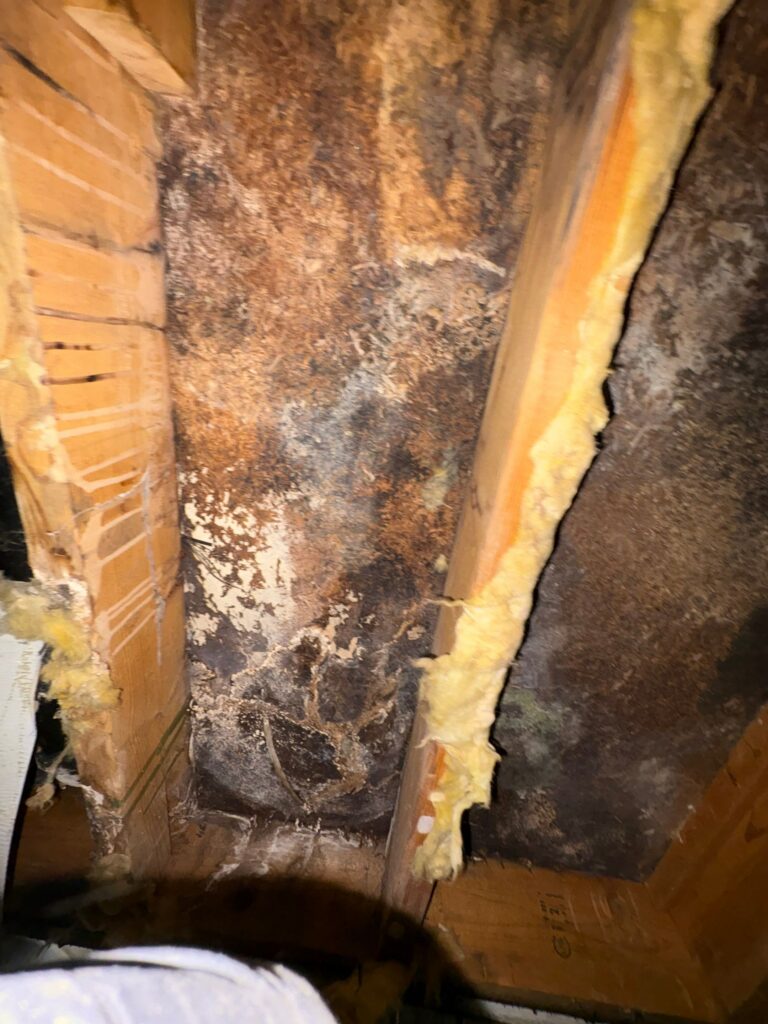
Why Central Indiana Homes Are Vulnerable to Hidden Mold
Greenfield and Indianapolis sit within a humid continental climate zone where annual precipitation exceeds 40 inches and summer humidity regularly climbs above 70 percent. This moisture load becomes particularly problematic in the region’s prevalent housing styles: pre-1980s ranch homes with crawl space foundations, mid-century brick colonials with aging plaster systems, and newer subdivisions built on Indiana’s expansive clay soils that trap groundwater against foundations.
When water damage occurs, whether from a burst pipe in a Broad Ripple bungalow or foundation seepage in a Greenfield ranch, the clock starts immediately. IICRC S500 standards for water damage restoration establish that Category 1 water can degrade to Category 2 within 24 hours, and microbial growth can begin in as little as 24 to 72 hours under favorable conditions. The challenge is that mold rarely grows where you can see it first. It establishes colonies in concealed cavities, using your home’s structural materials as a food source.
The following 11 locations represent the most commonly overlooked mold habitats after water damage in Central Indiana residences. Understanding these hidden risks empowers homeowners to act before colonies spread and before mycotoxin production elevates health concerns.
Behind Baseboards and Trim Work
Water wicks horizontally through drywall and vertically through wall cavities with surprising efficiency. In Indianapolis homes with plaster and lath construction, particularly common in Meridian-Kessler and Irvington neighborhoods, water travels along the wood lath behind baseboards. Mold species such as Stachybotrys chartarum and Chaetomium thrive in these cellulose-rich environments.
Homeowners often repaint or replace baseboards without addressing the cavity behind them. Proper remediation requires moisture mapping with thermal imaging, removal of affected trim, and controlled drying with desiccant dehumidification before antimicrobial biocide application.
Inside HVAC Ductwork and Air Handlers
Central Indiana’s seasonal temperature swings force HVAC systems to work intensively year-round. When water damage occurs, airborne mold spores get drawn into return ducts and colonize on dust accumulation within the ductwork. The dark, humid environment inside metal ducts provides ideal conditions for Aspergillus and Penicillium species.
Post-water damage, IICRC S520 protocols mandate HVAC inspection and cleaning using HEPA-filtered negative air pressure systems. Simply running the system can cross-contaminate every room in the house. In Indianapolis, where many homes have original ductwork from the 1970s or 1980s, this risk is amplified by deteriorating duct insulation and poor filtration.
Underneath Vinyl and Laminate Flooring
The popularity of luxury vinyl plank and laminate flooring in Greenfield new construction creates a perfect moisture trap. These materials are essentially waterproof on the surface but impermeable underneath, preventing evaporation from the subfloor. Water from dishwasher leaks, refrigerator supply lines, or slab moisture gets trapped beneath the flooring material.
By the time homeowners notice a musty odor or warping, mold has often spread across the entire subfloor area. Remediation requires removal of the flooring, treatment of the subfloor with antimicrobial agents, and installation of moisture barriers where slab-on-grade conditions exist. Psychrometric monitoring ensures the subfloor reaches safe moisture content levels before new flooring is installed.
Within Insulated Wall Cavities
Fiberglass batt insulation acts like a sponge when water enters wall cavities. In Indianapolis homes with exterior insulation finishing systems or older brick veneer, water intrusion behind the facade soaks insulation without visible interior signs. The insulation then holds moisture against studs and drywall for weeks or months.
Mold in insulated cavities requires full cavity opening, removal of contaminated insulation, and structural drying with injected air systems. Attempting to dry insulation in place almost always fails and leads to recurring mold issues. This is particularly common in Greenfield’s 1990s-era subdivisions where construction practices prioritized energy efficiency over moisture management.
Beneath Kitchen and Bathroom Cabinets
Sink cabinet bases are notorious for slow leaks that go undetected for months. The particle board or MDF commonly used for cabinet boxes in mid-range Indianapolis homes delaminates and swells when wet, creating an ideal substrate for mold. The confined space under sinks maintains high humidity with minimal air circulation.
Water damage restoration professionals use borescope cameras to inspect behind cabinet boxes without full demolition when possible. However, significant mold colonization typically requires cabinet removal, treatment of wall cavities, and replacement of water-damaged cabinet components. In historic Indianapolis homes with original cabinetry, this presents both a restoration challenge and a preservation concern.
Inside Ceiling Cavities Below Upstairs Bathrooms
Second-story bathroom leaks create cascading damage through ceiling cavities. In two-story Greenfield and Indianapolis homes, the space between bathroom subfloors and first-floor ceilings contains joist cavities that collect water and support mold growth on both the subfloor above and the ceiling drywall below.
Thermal imaging during moisture mapping often reveals these hidden reservoirs before they become visible stains. Remediation requires controlled demolition of ceiling drywall, inspection of joist cavities, and structural drying from both above and below. Without proper containment and negative air pressure, demolition releases concentrated mold spore loads into living spaces.
Within Crawl Space Joist Bays and Sill Plates
Central Indiana’s heavy clay soils and seasonal groundwater fluctuations make crawl spaces particularly vulnerable. Many Greenfield homes built between 1960 and 1990 have vented crawl spaces that actually draw humid summer air into the cool substructure, where it condenses on joists and sill plates. Add any water damage from plumbing leaks or foundation seepage, and mold colonization becomes inevitable.
IICRC S500 standards recognize crawl spaces as specialized environments requiring dedicated dehumidification and encapsulation strategies. Mold remediation in crawl spaces involves HEPA vacuuming of all surfaces, antimicrobial treatment of framing members, and often installation of vapor barriers and dehumidification systems to prevent recurrence.
Behind Shower and Tub Surrounds
Tile and fiberglass surrounds create a false sense of security. Grout lines crack, caulk fails, and water penetrates behind shower walls into stud cavities. In Indianapolis homes with original 1950s and 1960s bathrooms, the mortar beds behind ceramic tile are particularly susceptible to saturation.
Mold behind tub surrounds often produces the first noticeable sign: a persistent musty smell in the bathroom that no amount of cleaning eliminates. Proper remediation requires removal of the surround, inspection of wall cavities, and reconstruction with modern moisture barriers. Simply recaulking or regrouting without addressing hidden mold guarantees continued problems.
Inside Window Sill Cavities and Frames
Indiana’s temperature differentials between heated interiors and cold winter exteriors create condensation on windows. When combined with water damage from roof leaks or improper flashing, window sills and the cavities within double-hung window frames become mold incubators. Older Indianapolis homes with original wood windows are especially susceptible.
Mold in window assemblies affects indoor air quality directly because windows represent a natural air exchange point. Remediation involves disassembly of window components, HEPA cleaning of all cavities, and often replacement of rotted wood components. Modern replacement windows with proper flashing and drainage channels reduce recurrence risk.
Within Attic Spaces Near Roof Penetrations
Indianapolis experiences significant ice damming during winter freeze-thaw cycles. When ice dams force water under shingles and into attic spaces, insulation and roof decking become saturated. Attic mold, particularly Stachybotrys on roof decking, is common in homes with inadequate ventilation or insulation gaps.
Attic mold remediation requires careful containment because attic hatches and HVAC penetrations create pathways for spore migration into living spaces. Negative air pressure, HEPA filtration, and often removal of contaminated insulation are necessary. Post-remediation, addressing ventilation and insulation deficiencies prevents recurrence.
Behind Electrical Panels and Within Wall Switch Boxes
This is perhaps the most dangerous hidden location because it combines moisture, mold, and electrical systems. Water traveling through wall cavities reaches electrical panels and switch boxes, where the metal enclosures create cold surfaces for condensation and the organic dust within boxes provides nutrients for mold.
In addition to mold concerns, water in electrical systems presents fire and shock hazards. Any water damage affecting electrical components requires evaluation by licensed electricians in coordination with restoration professionals. Mold remediation in these areas demands extreme caution and specialized protocols.
The Professional Remediation Process
When hidden mold is suspected or confirmed, professional intervention follows established IICRC S520 protocols:
- Containment: Physical barriers and negative air pressure isolate affected areas from occupied spaces.
- Air Filtration: HEPA air scrubbers run continuously during remediation to capture airborne spores.
- Material Removal: Non-salvageable materials are removed using controlled demolition techniques.
- Cleaning and Treatment: Remaining surfaces receive HEPA vacuuming followed by antimicrobial biocide application.
- Drying: Industrial dehumidification and air movement reduce moisture content to safe levels.
- Verification: Post-remediation inspection, often including air sampling, confirms successful remediation.
- Restoration: Reconstruction returns the property to pre-loss condition.
Frequently Asked Questions
Does home insurance cover mold caused by high humidity in Greenfield or Indianapolis?
Standard homeowners insurance policies typically exclude mold damage resulting from long-term humidity, maintenance neglect, or gradual leaks. Coverage usually applies only when mold results from a sudden, covered peril such as a burst pipe or storm damage. However, some insurers offer mold endorsements for additional premium. Central Indiana homeowners should review their declarations pages carefully and consider supplemental coverage given the region’s humidity challenges.
How quickly must I act after discovering water damage to prevent mold?
The 24 to 72 hour window is critical. Within the first 24 hours, water extraction and structural drying can often prevent mold colonization entirely. After 72 hours, mold growth becomes highly probable and professional remediation becomes necessary rather than optional.
Can I use bleach to kill hidden mold?
Bleach is ineffective for hidden mold and can worsen the problem by adding moisture to affected materials. IICRC S520 standards prohibit bleach for professional remediation because it does not penetrate porous materials and can drive mold deeper while creating harmful chemical byproducts.
What health symptoms indicate hidden mold exposure?
Respiratory irritation, persistent coughing, nasal congestion, skin rashes, headaches, and worsening asthma symptoms may indicate mold exposure. Mycotoxins produced by certain mold species can cause more severe neurological and immunological effects with prolonged exposure. Individuals with compromised immune systems, children, and elderly residents face elevated risks.
Why do Indianapolis homes have more hidden mold than drier climates?
Central Indiana’s combination of high summer humidity, significant annual precipitation, freeze-thaw cycles that damage building envelopes, and prevalence of basement and crawl space construction creates multiple pathways for moisture intrusion. The region’s aging housing stock, with many homes exceeding 50 years, compounds these vulnerabilities.
When to Call PuroClean Disaster Restoration
Hidden mold threatens your home’s structural integrity and your family’s health. If you suspect mold growth after water damage anywhere in Greenfield, Indianapolis, or surrounding neighborhoods, immediate professional assessment is essential. PuroClean Disaster Restoration provides certified IICRC S500 and S520 compliant water damage restoration and mold remediation throughout Central Indiana.
Call (317) 467-4436 now for immediate mold removal and water damage remediation assistance in Greenfield. Our emergency response team is available 24/7 to inspect, contain, and remediate hidden mold before it spreads further. Every hour of delay increases remediation costs and health risks. Protect your home and your family today.