


Table of Contents
Mold growth is a common issue many homeowners face, and it can lead to serious health problems and structural damage if left untreated. Mold thrives in damp, humid conditions and often takes root on walls, ceilings, and other surfaces in your home. Preventing mold growth not only protects your family’s health but also preserves the integrity of your home.
In this comprehensive guide, we will explore effective ways to prevent mold growth on walls, restoration tips if mold is already present, and actionable advice to keep your home mold-free.
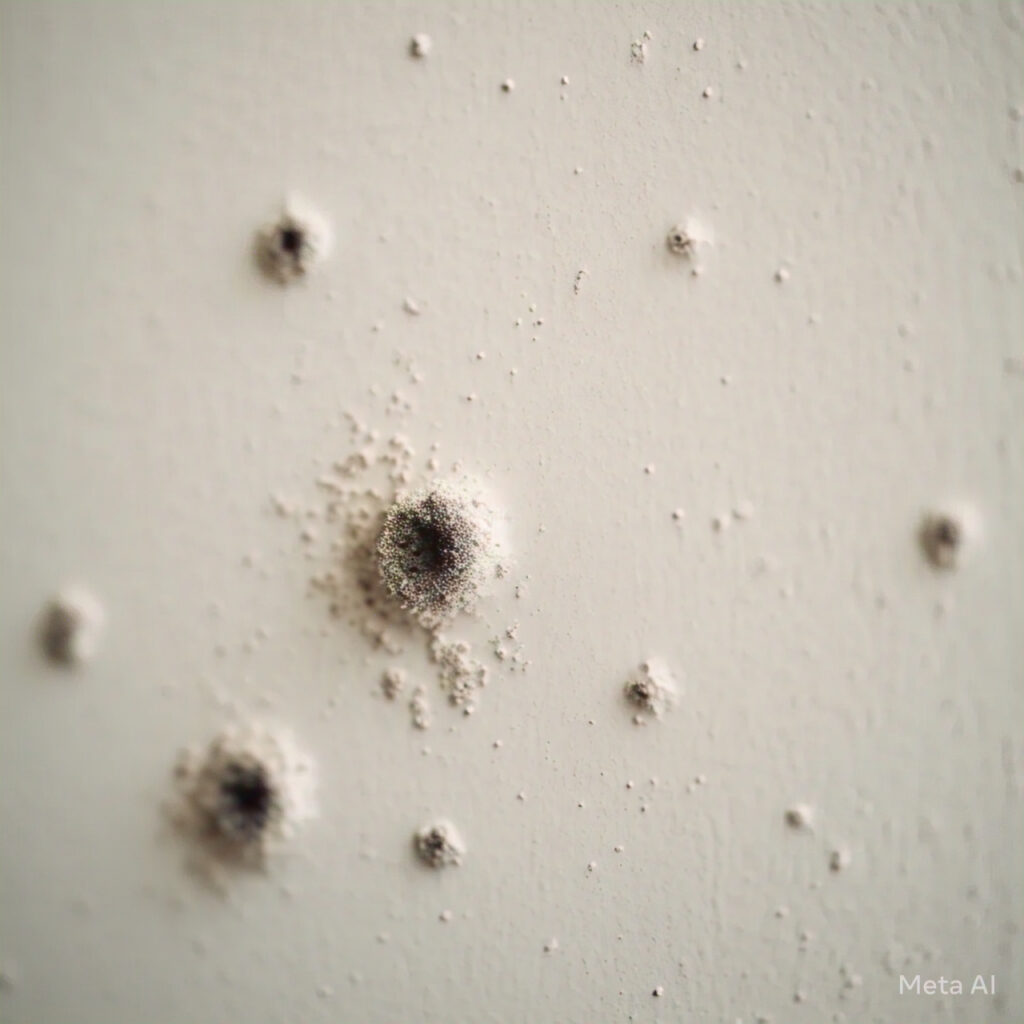
Mold Growth and Its Causes
Mold is a type of fungus that grows in moist environments. It can appear as black, green, white, or even orange spots on walls and other surfaces. To effectively prevent mold, it’s essential to understand what causes it to grow. The main culprits include:
- Excess Moisture: Leaks, condensation, or high humidity levels can create the perfect breeding ground for mold.
- Poor Ventilation: Lack of airflow traps moisture, especially in bathrooms, kitchens, and basements.
- Water Damage: Flooding or burst pipes can saturate walls, allowing mold to thrive.
- Temperature: Mold grows best in warm environments between 77°F and 86°F.
- Organic Materials: Paint, drywall, and wood are ideal surfaces for mold to latch onto.
How to Prevent Mold Growth on Walls
1. Control Humidity Levels
Maintaining indoor humidity levels between 30% and 50% is one of the most effective ways to prevent mold growth. Use a hygrometer to monitor humidity and:
- Install dehumidifiers in damp areas like basements.
- Use air conditioners to reduce indoor humidity during warmer months.
2. Improve Ventilation
Proper airflow reduces moisture accumulation. To improve ventilation:
- Open windows and doors regularly to allow fresh air to circulate.
- Use exhaust fans in bathrooms and kitchens to vent moisture outside.
- Ensure your HVAC system is working efficiently and clean air filters regularly.
3. Fix Leaks Immediately
Addressing leaks promptly prevents water from seeping into walls and creating a hospitable environment for mold. Inspect your home regularly for:
- Plumbing leaks under sinks, behind toilets, and in basements.
- Roof leaks that allow water to drip down walls.
- Cracks in walls and foundations where water can enter.
4. Waterproof Your Walls
Applying a waterproof sealant to walls in high-moisture areas like bathrooms and basements can protect them from water infiltration. Additionally:
- Use mold-resistant paint or primers that contain antimicrobial properties.
- Install waterproof panels or tiles in areas prone to moisture exposure.
5. Clean Regularly
Regular cleaning removes dust and organic debris that mold feeds on. Focus on:
- Wiping down walls, especially in damp areas.
- Vacuuming carpets and upholstery with HEPA filters to reduce mold spores.
- Washing shower curtains and bathroom mats frequently.
Restoration Tips for Mold-Infested Walls
If you’ve discovered mold growth on your walls, don’t panic. Follow these steps to safely and effectively remove it:
1. Assess the Damage
Before starting, determine the extent of the mold growth. If the affected area is larger than 10 square feet, it’s best to consult a professional mold remediation service. For smaller areas, you can handle the cleanup yourself.
2. Protect Yourself
Mold spores can be harmful when inhaled. Wear appropriate protective gear, including:
- N95 respirator mask.
- Rubber gloves.
- Goggles to protect your eyes.
3. Prepare the Area
To prevent mold spores from spreading:
- Seal off the affected room by closing doors and windows.
- Cover vents, furniture, and floors with plastic sheeting.
4. Remove Mold from Walls
For non-porous surfaces (e.g., tile or painted walls):
- Mix one cup of bleach with one gallon of water.
- Scrub the moldy area using a brush or sponge.
- Rinse with clean water and dry thoroughly.
For porous surfaces (e.g., drywall):
- If mold has penetrated deeply, remove and replace the affected section of drywall.
- Clean the surrounding area with a mold-killing solution.
5. Dry and Ventilate the Area
After cleaning, ensure the area is completely dry to prevent mold from returning:
- Use fans or dehumidifiers to speed up the drying process.
- Keep windows open to allow air circulation.
6. Dispose of Moldy Materials Safely
Seal moldy debris in heavy-duty plastic bags and dispose of it according to local regulations. Clean all tools and equipment thoroughly to avoid cross-contamination.
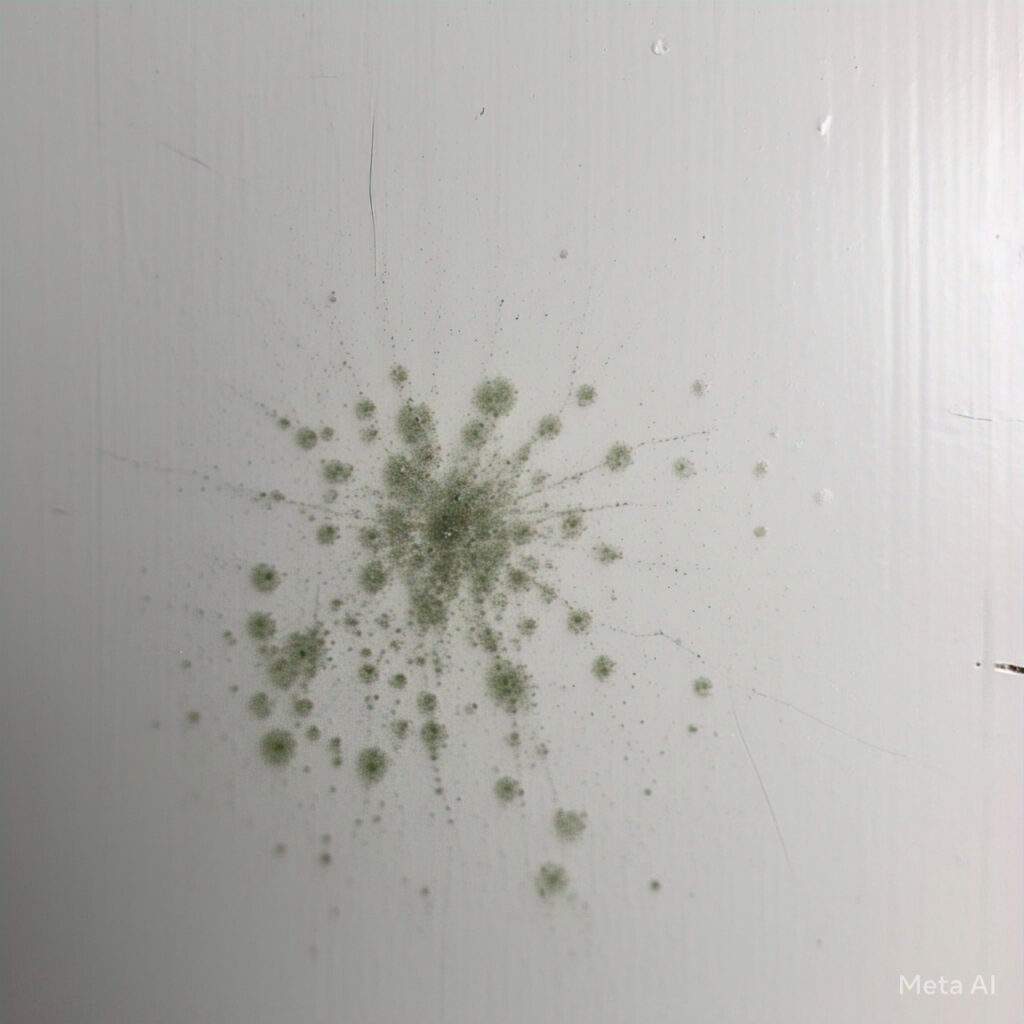
Preventing Further Mold Growth After Restoration
Once the mold is removed, take steps to prevent it from coming back:
- Upgrade Insulation: Proper insulation can reduce condensation on walls during colder months.
- Regular Maintenance: Inspect and maintain gutters, downspouts, and plumbing to prevent water intrusion.
- Monitor Moisture: Keep an eye out for signs of moisture, such as peeling paint, water stains, or musty odors.
- Use Mold-Resistant Products: Consider using mold-resistant drywall, insulation, and paint during renovations.
When to Call Professionals For Mold Issue
Some mold issues require expert intervention, especially when:
- Mold covers a large area (more than 10 square feet).
- There is significant water damage or structural issues.
- You suspect black mold (Stachybotrys chartarum), which is toxic and requires specialized handling.
Professional mold remediation services use advanced equipment like HEPA vacuums and air scrubbers to eliminate mold safely and thoroughly. They also provide long-term solutions to prevent recurrence.
Conclusion
Mold growth on walls is more than just an eyesore; it poses risks to your health and home’s structure. By controlling moisture, improving ventilation, and addressing leaks promptly, you can prevent mold from taking hold. For existing mold problems, follow safe and effective restoration practices or consult professionals for severe cases.
For immediate assistance with Mold restoration, contact PuroClean Disaster Restoration, Call (+1) 317-467-4436. With these strategies, you can maintain a healthy, mold-free living environment for you and your family.
For expert mold remediation services, contact PuroClean Disaster Restoration. Our certified technicians are here to help restore your home and peace of mind. Call us today to schedule an assessment!