


Table of Contents
Moisture and mold are two of the most common culprits behind property damage, yet they often go unnoticed until the damage is significant. Excess moisture in homes and buildings provides the perfect environment for mold growth, which can compromise structural integrity, create health hazards, and lead to costly repairs. Understanding how moisture leads to mold formation, recognizing early warning signs, and implementing prevention and remediation strategies are crucial for maintaining a safe and healthy property.
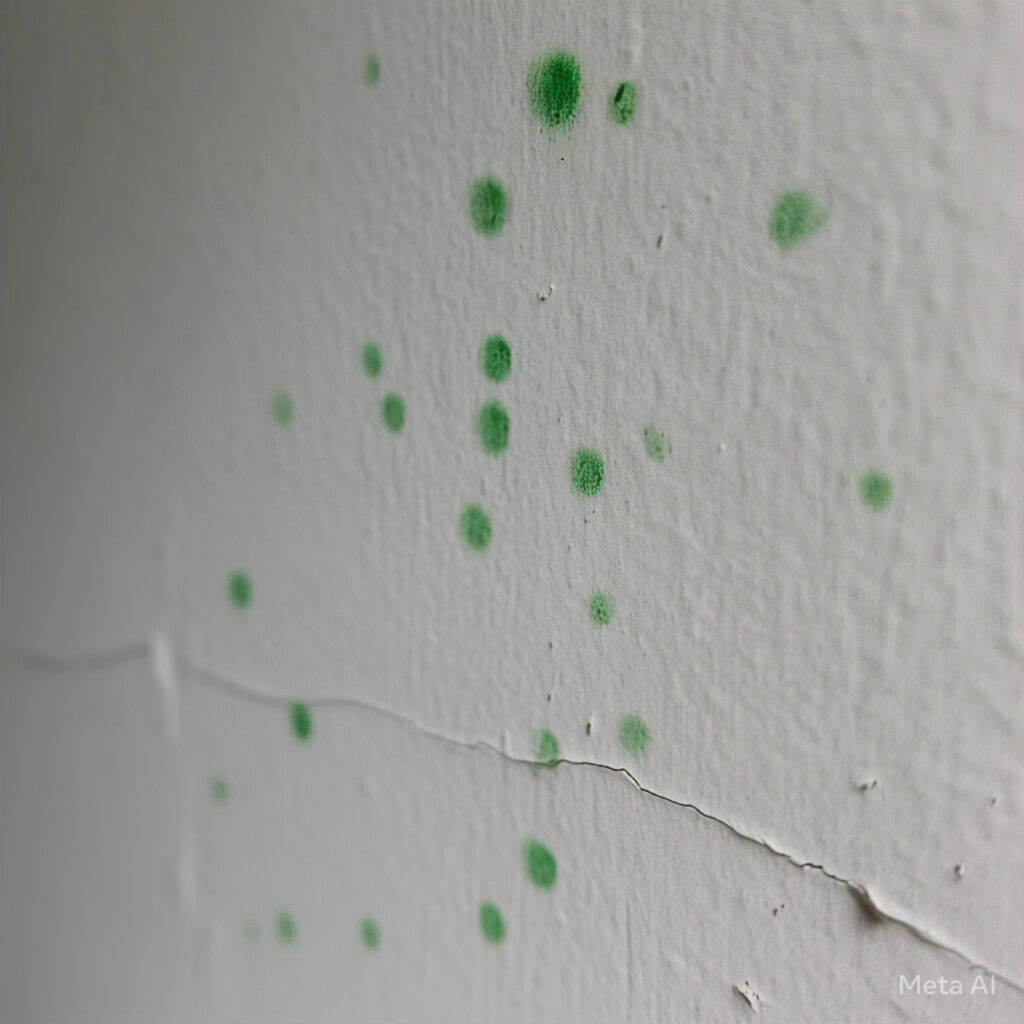
How Moisture Leads to Mold Growth
Mold spores are naturally present in the air and only require moisture, warmth, and organic material to thrive. When excessive moisture accumulates in a home—whether from leaks, flooding, or high humidity—it creates the ideal breeding ground for mold.
Common Sources of Moisture in Properties
- Leaking Pipes and Plumbing Issues
- Dripping faucets, broken pipes, and hidden leaks behind walls introduce continuous moisture.
- Roof Leaks
- Damaged or missing shingles allow rainwater to seep into attics and ceilings.
- Condensation Buildup
- Poor ventilation in bathrooms, kitchens, and basements leads to water vapor accumulation on surfaces.
- Flooding and Water Intrusion
- Heavy rains, storms, or burst pipes can result in standing water that encourages mold growth.
- Damp Basements and Crawl Spaces
- Poor drainage and high groundwater levels contribute to persistent dampness.
- HVAC System Issues
- Improperly maintained air conditioning units can produce excessive moisture in ducts and vents.
The Dangers of Mold Infestations
Mold is not just a cosmetic issue—it can severely impact both health and property.
1. Structural Damage
- Mold weakens wood, drywall, insulation, and flooring, causing decay and deterioration.
- Over time, unchecked mold growth can compromise a building’s foundation.
2. Health Risks
- Mold exposure can cause respiratory issues, allergic reactions, and asthma flare-ups.
- Prolonged exposure to toxic mold species, such as black mold (Stachybotrys chartarum), may lead to serious health complications.
3. Decreased Property Value
- Mold infestations can significantly reduce a property’s value, making it difficult to sell or insure.
- Unaddressed mold problems may result in legal disputes with tenants or buyers.
How to Identify Mold and Moisture Problems
Early detection is key to preventing extensive property damage. Be on the lookout for the following signs:
Signs of Excess Moisture:
- Persistent musty odors in certain areas
- Water stains or discoloration on walls and ceilings
- Peeling or bubbling paint and wallpaper
- Condensation on windows and metal surfaces
Signs of Mold Growth:
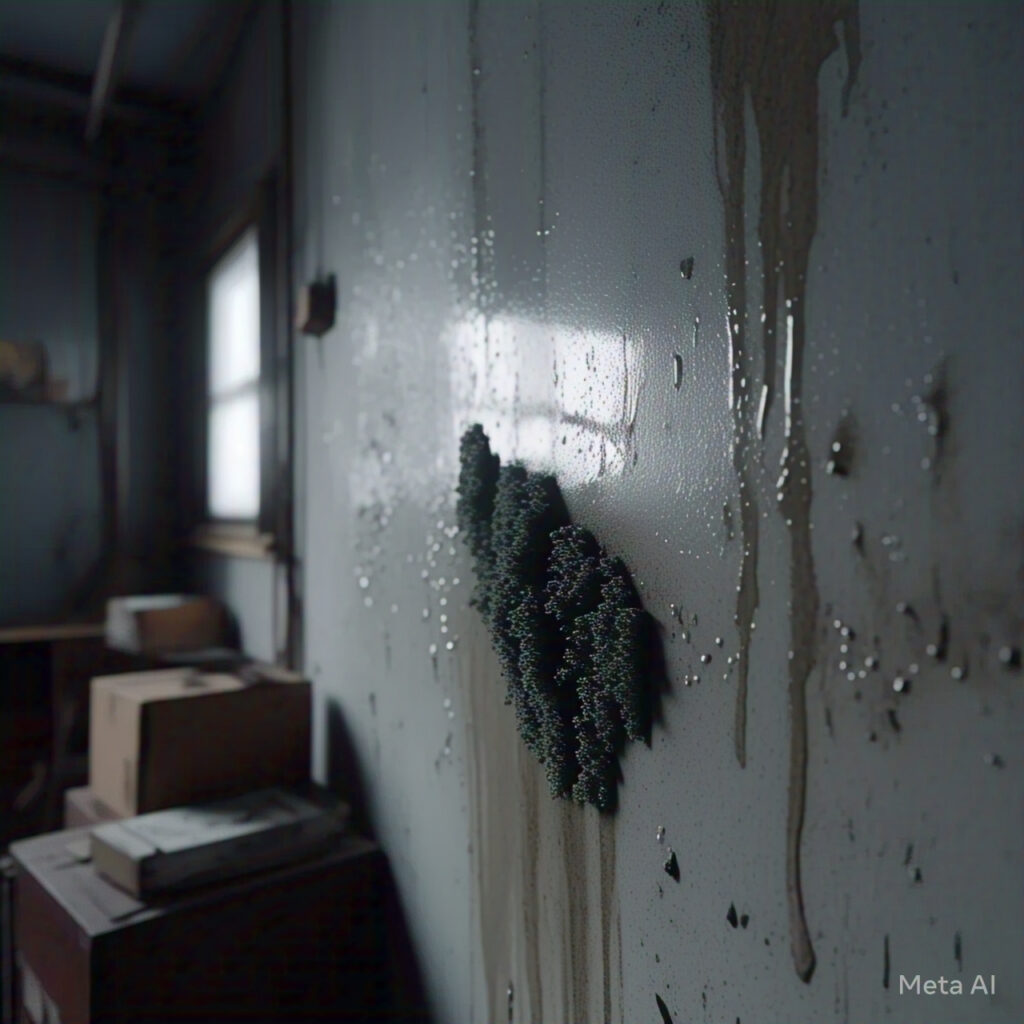
- Visible mold patches on walls, ceilings, floors, and furniture
- Increased allergic reactions, coughing, or respiratory discomfort indoors
- Warped wood or soft spots in flooring
Preventing Moisture and Mold Damage
Taking proactive steps can help reduce the risk of moisture buildup and mold infestations in your home.
1. Control Indoor Humidity Levels
- Maintain humidity levels between 30% and 50% using dehumidifiers.
- Use exhaust fans in bathrooms and kitchens to reduce condensation.
2. Fix Leaks Immediately
- Regularly inspect and repair plumbing, roofing, and HVAC leaks.
- Use water-resistant materials in moisture-prone areas like bathrooms and basements.
3. Improve Ventilation
- Ensure proper airflow in attics, basements, and crawl spaces.
- Open windows periodically to enhance air circulation.
4. Waterproof Your Property
- Seal foundation cracks and apply waterproof coatings to basements.
- Install gutters and downspouts to divert water away from the home.
5. Maintain Your HVAC System
- Clean and service HVAC units regularly to prevent moisture buildup.
- Replace air filters and check for condensation issues.
How to Remove Mold and Restore Your Property
If mold is already present in your home, immediate action is necessary to prevent further damage.
1. Identify the Source of Moisture
- Mold removal is ineffective if the moisture problem remains unresolved.
- Conduct a thorough inspection to pinpoint and eliminate moisture sources.
2. DIY Mold Removal for Small Areas
- Use a mixture of water and white vinegar or hydrogen peroxide to clean non-porous surfaces.
- Scrub affected areas with a stiff brush and let them dry completely.
- Dispose of mold-infested materials like carpets and drywall if the damage is severe.
3. Professional Mold Remediation for Extensive Damage
- If mold covers more than 10 square feet, it is advisable to hire a professional remediation service.
- Experts use HEPA filters, air scrubbers, and industrial-grade cleaners to remove mold safely.
4. Restoring Damaged Property
- Replace rotted wood, drywall, and insulation.
- Apply mold-resistant paints and sealants to prevent future infestations.
5. Ongoing Prevention and Maintenance
- Schedule routine inspections and moisture control checks.
- Educate household members on recognizing early signs of moisture and mold.

Conclusion
Moisture and mold are closely linked, posing serious threats to property integrity and indoor air quality. By understanding the causes, implementing preventive measures, and taking swift action when mold appears, homeowners can safeguard their properties from long-term damage. Addressing moisture issues proactively not only protects structural components but also ensures a healthier living environment for occupants.
For immediate assistance with Mold restoration, contact PuroClean Disaster Restoration, Call (+1) 317-467-4436 or (+1) 260-263-9788 for Fort Wayne location
Regular inspections, timely repairs, and proper ventilation are essential in keeping mold and moisture problems at bay. If mold damage is extensive, seeking professional remediation services is the best course of action. By staying vigilant and proactive, you can prevent costly repairs and maintain a mold-free home.