Key Takeaways for Homeowners
- Water damage worsens within the first 24 to 48 hours, making rapid professional response critical for structural preservation and indoor air quality.
- IICRC S500 and S520 standards define the scientific protocols that certified restoration technicians follow for water extraction, structural drying, and mold remediation.
- DIY cleanup often misses hidden moisture pockets behind walls, under flooring, and inside HVAC systems, creating long-term risks for mold colonization and material degradation.
- PuroClean Disaster Restoration serves Greenfield, Indianapolis, and surrounding communities with 24/7 emergency response. Call (317) 467-4436 for immediate assistance.
When water invades your home, every minute counts. Whether the source is a burst pipe, a backed-up sump pump, or heavy spring rainfall overwhelming your foundation, the decisions you make in the first few hours determine the scope of damage and the total cost of recovery. Many homeowners in Greenfield and the greater Indianapolis area consider handling water damage cleanup themselves to save money. Unfortunately, this approach often transforms a manageable water intrusion into a costly structural and health crisis.
This guide explains six powerful reasons why professional water damage restoration consistently outperforms DIY cleanup. We anchor every recommendation to IICRC S500 (Standard and Reference Guide for Professional Water Damage Restoration) and IICRC S520 (Standard and Reference Guide for Professional Mold Remediation), the industry gold standards that define how certified technicians assess, extract, dry, and restore water-damaged properties.
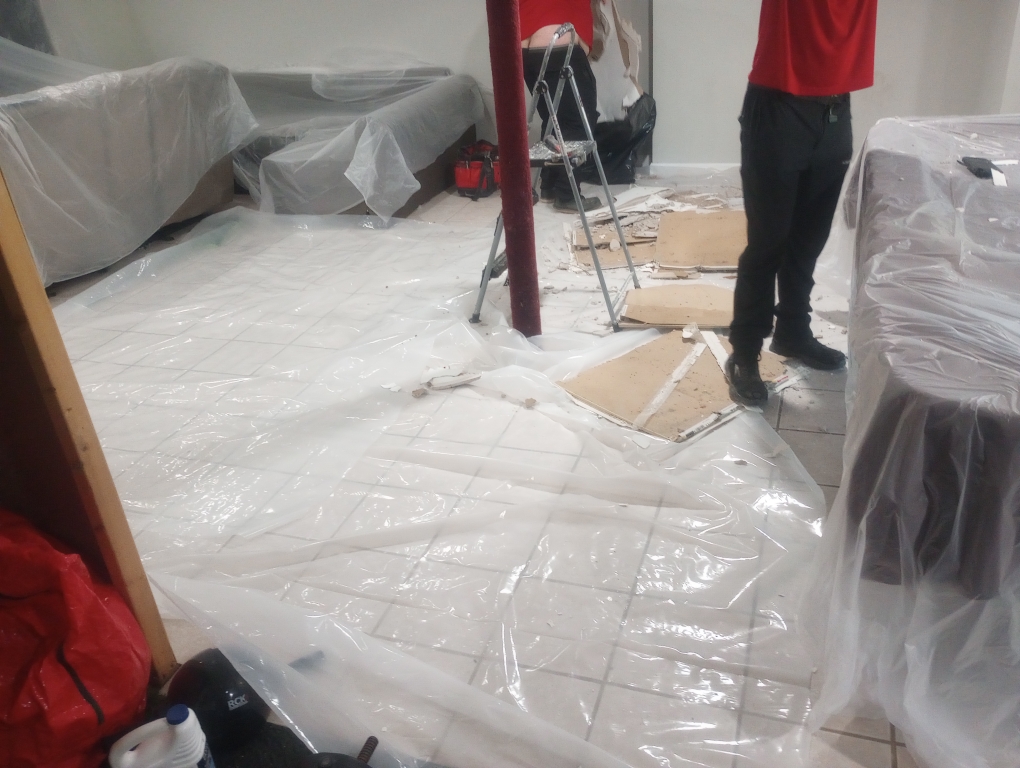
What Is the IICRC S500 Standard and Why Does It Matter?
The Institute of Inspection, Cleaning and Restoration Certification (IICRC) publishes the S500 standard to establish scientifically validated procedures for water damage restoration. This standard categorizes water contamination into three classes: Category 1 (clean water), Category 2 (gray water), and Category 3 (black water). Each category demands specific safety protocols, equipment configurations, and disposal methods.
Professional technicians trained in IICRC S500 standards use moisture mapping, thermal imaging, and psychrometric calculations to locate hidden moisture and calculate precise drying goals. Without this training, DIY efforts typically address only visible water while leaving saturated subfloors, wall cavities, and insulation untouched.
Reason 1: Hidden Moisture Destroys Structures Silently
Water follows the path of least resistance. It seeps behind baseboards, wicks upward through drywall, pools inside wall cavities, and saturates subflooring materials. Surface drying with household fans and towels only addresses the water you can see.
Professional restoration teams employ infrared thermal imaging cameras and non-penetrating moisture meters to detect elevated moisture content in building materials. They create detailed moisture maps that document every affected area. This process prevents secondary damage such as warping hardwood floors, delaminating plywood subfloors, and corroding metal fasteners.
In Greenfield and Indianapolis, where summer humidity levels regularly reach 70 to 85 percent relative humidity, evaporation rates slow dramatically. Without commercial-grade dehumidification systems sized to the specific cubic footage of the affected space, DIY drying efforts allow moisture to linger in structural materials for weeks.
Reason 2: Mold Colonization Begins Within 24 to 48 Hours
Mold spores exist everywhere in the indoor environment. When moisture levels in porous materials exceed 16 to 20 percent moisture content, those spores germinate and colonize rapidly. The IICRC S520 standard recognizes that mold remediation requires more than surface cleaning. It demands containment barriers, negative air pressure systems, HEPA filtration, and antimicrobial biocide applications.
DIY mold cleanup frequently disturbs colonies and releases mycotoxins and microbial volatile organic compounds (MVOCs) into breathable air. Without proper containment and air scrubbing, homeowners inadvertently spread contamination throughout the HVAC system and into unaffected rooms.
Professional mold remediation technicians establish physical containment using polyethylene sheeting and create negative air pressure within the work zone. Industrial air scrubbers equipped with HEPA filters capture particles as small as 0.3 microns, protecting occupants and preventing cross-contamination.
Reason 3: Water Category Classification Determines Safety Protocols
Not all water damage is equal. Category 1 clean water from a broken supply line poses different risks than Category 2 gray water from a dishwasher overflow or Category 3 black water from a sewage backup or flooding. The IICRC S500 standard mandates specific personal protective equipment (PPE), cleaning agents, and disposal procedures for each category.
DIY cleanup rarely accounts for these distinctions. A homeowner handling sewage-contaminated water without proper PPE exposes themselves to pathogenic bacteria, viruses, and parasites. Professional restoration technicians wear full protective gear and use EPA-registered disinfectants formulated to neutralize biological contaminants safely.
Reason 4: Professional Equipment Delivers Measurable Results
Effective structural drying requires equipment that homeowners cannot rent from hardware stores. Professional restoration companies deploy:
- Low-grain refrigerant (LGR) dehumidifiers that remove moisture from air even at low humidity levels
- High-velocity axial and centrifugal air movers that create laminar airflow across wet surfaces
- Injectidry systems that force dry air into wall cavities through small injection ports
- Desiccant dehumidifiers for large commercial losses or cold-weather drying scenarios
- Truck-mounted extraction units that remove hundreds of gallons of standing water per hour
Psychrometrics, the study of air and moisture relationships, guides equipment placement and drying chamber configuration. Technicians measure temperature, relative humidity, and vapor pressure daily to adjust the drying plan and verify progress.
Reason 5: Local Climate and Building Factors Amplify Damage in Greenfield and Indianapolis
Greenfield experiences approximately 47 inches of annual precipitation, with June typically bringing the heaviest rainfall. Winter temperatures drop to an average low of 19 degrees Fahrenheit, creating freeze-thaw cycles that stress plumbing systems and foundation waterproofing.
Many homes in the Indianapolis metro area, including Greenfield, feature basements built on clay-heavy soils that resist drainage. When spring storms deliver intense rainfall, hydrostatic pressure pushes water through foundation cracks and window wells. Older homes with galvanized plumbing or original cast-iron drain lines face elevated failure risks during temperature fluctuations.
Indiana building codes, based on the 2018 International Residential Code, establish baseline construction standards, but homes built before widespread code adoption may lack modern moisture barriers, sump pump systems, or proper foundation drainage. Professional restoration technicians understand these regional vulnerabilities and adapt their drying and repair strategies accordingly.
Reason 6: Insurance Documentation and Claims Support Protect Your Financial Recovery
Professional water damage restoration companies provide detailed documentation that insurance adjusters require for claim approval. This documentation includes moisture readings, photographic evidence, equipment logs, and scope-of-work reports prepared using industry-standard estimating software.
DIY cleanup generates no such documentation. If mold develops months later or structural damage becomes apparent, insurers may deny secondary claims because no professional assessment established the initial loss scope. Working with a certified restoration firm from day one protects your ability to recover full policy benefits.
Frequently Asked Questions
How quickly should I respond to water damage in my Greenfield home?
You should initiate professional water extraction and drying within the first 24 hours. Mold colonization begins within 24 to 48 hours, and structural materials like oriented strand board (OSB) and drywall begin losing integrity rapidly when saturated. PuroClean Disaster Restoration provides 24/7 emergency response throughout Greenfield and Indianapolis.
Does home insurance cover mold caused by high humidity in Greenfield, Indiana?
Standard homeowners insurance policies typically cover mold remediation only when the mold results from a covered peril, such as sudden and accidental water damage from a burst pipe. Mold caused by long-term humidity issues, poor ventilation, or maintenance neglect is usually excluded. Documentation from a professional IICRC-certified restoration company strengthens your claim by establishing that the moisture source was sudden and accidental.
Can I use a shop vacuum and fans to dry my basement after flooding?
Shop vacuums and household fans are insufficient for structural drying. They lack the airflow volume, dehumidification capacity, and moisture monitoring capabilities required to achieve the drying goals defined in IICRC S500. Residual moisture in subflooring, wall studs, and insulation will support mold growth and material decay.
What are mycotoxins and why should I worry about them?
Mycotoxins are toxic secondary metabolites produced by certain mold species, including Stachybotrys chartarum, Aspergillus, and Penicillium. Exposure can trigger respiratory distress, neurological symptoms, and immune system suppression. Professional remediation using HEPA filtration and containment protocols is the only safe approach to mycotoxin-laden environments.
How do I know if water has seeped into my walls?
Signs include bubbling paint, warped baseboards, musty odors, and elevated humidity readings in adjacent rooms. Professional technicians use thermal imaging and moisture meters to confirm hidden moisture without destructive investigation.
Do Not Gamble With Your Home or Health
Water damage is a time-sensitive emergency that demands scientific expertise, industrial equipment, and strict adherence to IICRC S500 and S520 protocols. DIY cleanup may appear cost-effective initially, but the hidden costs of mold remediation, structural repairs, and health complications far exceed professional restoration fees.
If you live in Greenfield, Indianapolis, or the surrounding neighborhoods and have experienced water damage, call PuroClean Disaster Restoration immediately at (317) 467-4436. Our certified technicians are standing by 24/7 to protect your property, your health, and your peace of mind.