Key Takeaways for Homeowners
- Fire damage restoration is a scientific process governed by IICRC S500 and S550 standards, not simple cleanup.
- Soot particles, smoke odor, and corrosive residues begin destroying surfaces within hours.
- Greenfield and Indianapolis homeowners face added challenges from Indiana’s humid continental climate and freeze-thaw cycles.
- Immediate board-up services, corrosion mitigation, and HEPA air scrubbing are non-negotiable first steps.
- Professional pack-out services, ultrasonic cleaning, and thermal fogging protect both structure and contents.
- Insurance claims move faster when triage assessment documentation begins on day one.
- If your property is in Greenfield, Indianapolis, or surrounding Hancock and Marion County neighborhoods, call PuroClean Disaster Restoration at (317) 467-4436 for immediate emergency response.
What Is the Core Entity of Professional Fire Damage Restoration?
Fire damage restoration is a specialized discipline within the disaster recovery industry. The Institute of Inspection, Cleaning and Restoration Certification (IICRC) establishes the authoritative framework through the S500 Standard for Professional Water Damage Restoration and the S550 Standard for Professional Restoration of Fire and Smoke Damaged Personal Property. These standards define every phase of recovery, from initial emergency pre-cleaning to final deodorization and structural drying.
When a fire strikes your Greenfield or Indianapolis home, the damage extends far beyond charred walls. Fire suppression water saturates framing and drywall. Soot particles embed into porous materials. Acidic smoke residues trigger corrosion on metal fixtures and electronics. Without IICRC-certified intervention, secondary damage often exceeds the primary fire loss. This is why the core entity of restoration is not “cleaning.” It is a controlled, documented, scientifically sequenced recovery protocol.
Why Does Indiana’s Climate Make Fire Restoration More Complex?
Greenfield sits in Hancock County, just east of Indianapolis, within a humid continental climate zone. Summers bring sustained humidity levels between 65 and 75 percent, while winters deliver hard freeze-thaw cycles that can compromise structural integrity after fire suppression flooding.
High humidity accelerates smoke odor absorption into drywall, insulation, and unfinished wood. In older ranch-style and two-story traditional homes common throughout Hancock and Marion Counties, this means odor molecules penetrate deep into wall cavities before emergency crews even leave the scene. Freeze-thaw cycles compound the problem: water used to extinguish flames seeps into masonry foundations and exterior brickwork. When temperatures drop, expansion cracks form, creating hidden pathways for moisture and soot infiltration.
Local building codes in Indiana follow statewide adopted standards, with Hancock County enforcing the International Residential Code for structural repairs. Any fire restoration project involving framing, electrical, or plumbing must secure proper permits and pass county inspection. Working with a local restoration firm that understands these jurisdictional requirements prevents costly delays.
What Are the 10 Proven Fire Damage Restoration Tips That Speed Up Recovery?
1. Initiate Emergency Board-Up and Roof Tarping Immediately
Broken windows, compromised roofing, and exposed wall cavities invite weather intrusion and vandalism. Emergency board-up services create a secure perimeter and prevent additional water damage from Indiana rain and snow. This is always step one.
2. Deploy HEPA Air Scrubbers Within the First Hour
Airborne soot particles are respirable and carcinogenic. High-Efficiency Particulate Air (HEPA) filtration systems capture particles as small as 0.3 microns, protecting both occupants and restoration technicians. Negative air pressure containment may be necessary to prevent cross-contamination into unaffected areas.
3. Begin Corrosion Mitigation on Metal Surfaces
Smoke residue is acidic. Within hours, it initiates corrosion on stainless steel appliances, copper wiring, and HVAC components. Professional technicians apply specialized corrosion inhibitors and begin dry ice blasting or wet cleaning protocols based on surface sensitivity.
4. Conduct a Triage Assessment for Salvage vs. Replace Decisions
Not everything must be discarded. A systematic triage assessment evaluates contents, fixtures, and structural elements for restorability. Items with heavy charring or toxic contamination are inventoried for insurance replacement. Recoverable items move to pack-out services.
5. Remove Fire Suppression Water Using Structural Drying Protocols
Thousands of gallons of water often accompany firefighting efforts. Standing water must be extracted immediately. Industrial dehumidifiers, axial air movers, and moisture mapping tools track drying progress. IICRC S500 guidelines govern this phase to prevent microbial amplification in humid Indiana conditions.
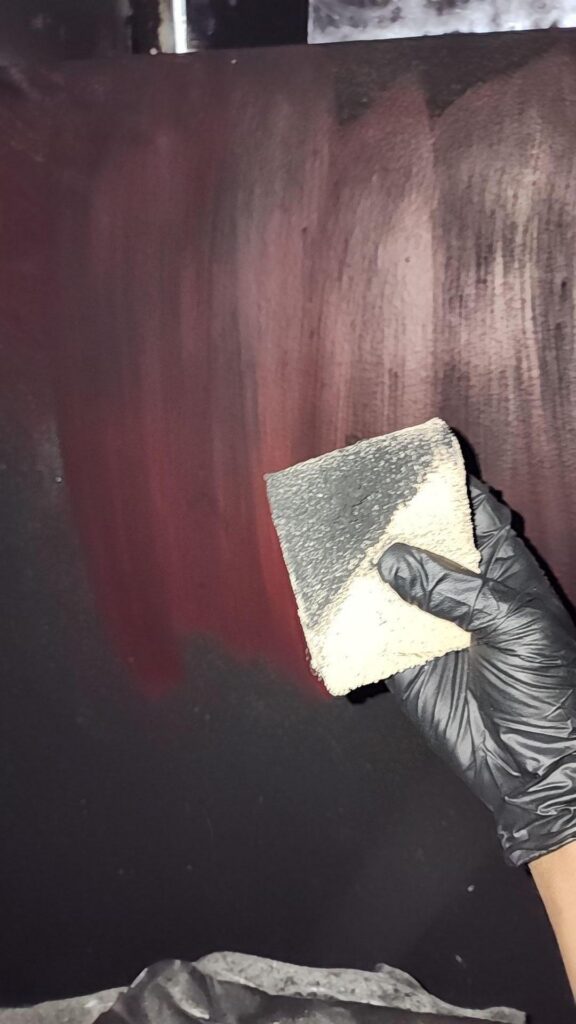
6. Perform Soot Removal with Appropriate Media
Soot composition varies based on what burned. Protein fires from kitchens require enzyme-based cleaners. Synthetic fires from plastics and petroleum products demand solvent-based approaches. Dry ice blasting, soda blasting, and ultrasonic cleaning are selected based on substrate delicacy and soot type.
7. Deodorize Using Thermal Fogging and Hydroxyl Generators
Smoke odor is not a surface problem. It is a vapor-phase contaminant that has bonded at the molecular level. Thermal fogging recreates the heat and pressure of the fire, opening pores in materials so deodorizing agents can neutralize odor molecules. Hydroxyl generators provide safe, continuous odor destruction while occupants remain in adjacent areas. Ozone treatment may be used in unoccupied spaces for severe contamination.
8. Clean Contents Off-Site with Ultrasonic Technology
Pack-out services transport salvageable belongings to a controlled facility. Ultrasonic cleaning uses cavitation bubbles in specialized solutions to remove soot and smoke residue from electronics, jewelry, china, and intricate items without abrasion.
9. Restore or Rebuild Under Local Code Compliance
Reconstruction in Greenfield and Indianapolis must comply with Indiana statewide building codes and local amendments. Electrical rewiring, drywall replacement, and HVAC duct cleaning must meet inspection standards. Partnering with a restoration firm that offers full-service reconstruction eliminates the gap between mitigation and rebuild.
10. Document Everything for Insurance Acceleration
Photographs, moisture readings, inventory lists, and line-item estimates streamline the claims process. When documentation begins during the emergency phase, homeowners receive faster approvals and fewer disputes over coverage limits.
What Should Homeowners Know About Insurance and Local Regulations?
Does Home Insurance Cover Fire Damage Restoration in Greenfield and Indianapolis?
Most standard HO-3 and HO-5 policies cover fire damage restoration, including structural repairs, content cleaning, and additional living expenses. However, coverage limits vary. Indiana policies often include specific deductibles for wind and hail, but fire typically falls under the standard peril list. If fire suppression caused water damage, that is also covered as a direct result of the fire loss. Always request a certified copy of your policy declarations page and begin documentation before debris removal.
How Long Does Fire Restoration Take in Central Indiana?
Timeline depends on severity. A localized kitchen fire may require two to four weeks. A whole-house event with structural compromise can extend to three to six months. Humidity and winter weather in Hancock County can lengthen drying and reconstruction phases. Starting emergency mitigation within the first 24 hours is the single biggest factor in compressing that timeline.
Are There Local Contractors Who Understand Hancock County Building Codes?
Yes. Local restoration firms regularly work with the Hancock County Building Department and Indianapolis code enforcement offices. They understand permit requirements, inspection schedules, and the specific housing stock common to the area, from 1970s ranch homes near Greenfield’s downtown to newer subdivisions approaching Indianapolis.
When Should You Call a Professional?
If you smell smoke, see soot, or have experienced any level of fire or fire suppression water damage, you need professional assessment. DIY cleaning often drives soot deeper into porous surfaces and voids insurance requirements for certified restoration.
Call PuroClean Disaster Restoration at (317) 467-4436 for immediate fire damage restoration in Greenfield, Indianapolis, and all surrounding Hancock and Marion County neighborhoods. Our IICRC-certified technicians are available 24/7 for emergency board-up, water extraction, soot removal, and complete reconstruction.