


Key Takeaways for Homeowners
- Delaying water extraction beyond 24 hours can trigger Category 3 black water contamination and structural compromise under IICRC S500 standards.
- DIY drying without psychrometric monitoring leaves hidden moisture pockets that fuel mold amplification, producing mycotoxins within 48 to 72 hours.
- Indianapolis area homes face unique risks: high seasonal humidity (averaging 66% annually, spiking to 72% in July) , clay-heavy soils that trap groundwater against foundations, and aging stormwater infrastructure in older neighborhoods like Fountain Square and Broad Ripple.
- Skipping professional moisture mapping and antimicrobial biocide application voids most insurance claims for secondary damage.
- If you are in Greenfield, Indianapolis, or surrounding neighborhoods and have experienced rainwater flooding, call PuroClean Disaster Restoration immediately at (317) 467-4436. Our IICRC certified technicians deploy industrial-grade negative air pressure systems and HEPA filtration to protect your home and your health.
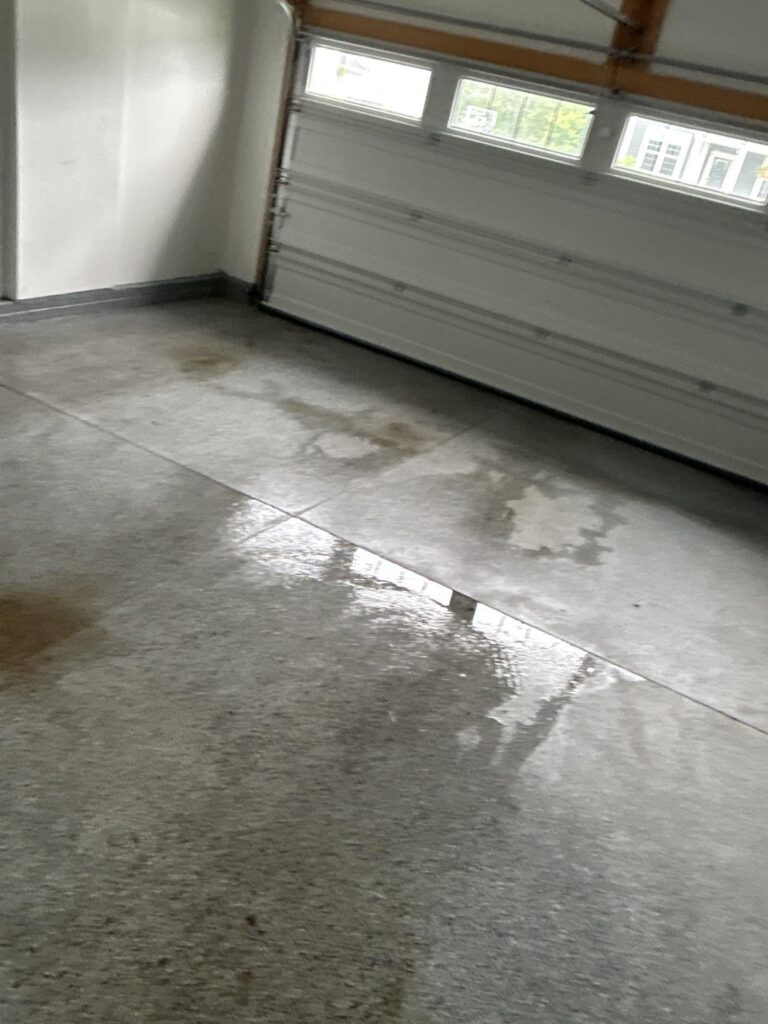
Why Rainwater Flooding in Indianapolis Is More Dangerous Than Most Homeowners Realize
Indianapolis and its eastern suburb of Greenfield sit within the humid continental climate zone, where annual precipitation averages 44.25 inches per year. What makes this region particularly vulnerable is not just the volume of rain, but the intensity. Climate data shows rainfall during the four wettest days of the year has increased 35 percent, amplifying flash flood risk dramatically.
When heavy runoff overwhelms municipal drainage systems, water does not simply disappear. It follows the path of least resistance, often seeping through foundation cracks, weeping tile failures, and compromised window wells. For homeowners in the Indianapolis metro area, particularly those in post-war ranch-style homes common in Greenfield and the near-east side, this means crawl spaces and basements become collection points for contaminated groundwater.
The core entity here is IICRC S500 Water Damage Restoration and IICRC S520 Mold Remediation. These are not arbitrary guidelines; they are the ANSI-approved standards that define professional water damage restoration. Any response that falls outside these protocols is, by definition, incomplete.
Mistake 1: Waiting More Than 24 Hours to Begin Water Extraction
Why the 24-Hour Window Is Non-Negotiable
Under IICRC S500, water damage is categorized by contamination level. Clean rainwater (Category 1) can degrade to gray water (Category 2) within 24 to 48 hours as it picks up soils, chemicals, and microbial content from building materials. Beyond 48 hours, Category 3 black water conditions develop, requiring full PPE protocols, antimicrobial biocide application, and potential disposal of porous structural materials.
- Step 1: Shut off electricity to affected areas at the breaker panel.
- Step 2: Document damage with photos for insurance before moving anything.
- Step 3: Extract standing water using submersible pumps or wet/dry vacuums.
- Step 4: Deploy air movers and commercial dehumidifiers at calculated rates based on cubic footage and class of water loss.
- Step 5: Call PuroClean Disaster Restoration at (317) 467-4436 for emergency water extraction and IICRC certified structural drying.
Mistake 2: Assuming Rainwater Is “Clean” and Safe
The Hidden Contaminants in Indianapolis Runoff
Rainwater traveling across asphalt shingles, through soffits, and across soil laden with lawn chemicals, pet waste, and automotive fluids is no longer pure. In Indianapolis, where combined sewer overflows (CSOs) still occur during extreme weather events in older districts, floodwater may contain raw sewage, industrial runoff, and pathogenic bacteria.
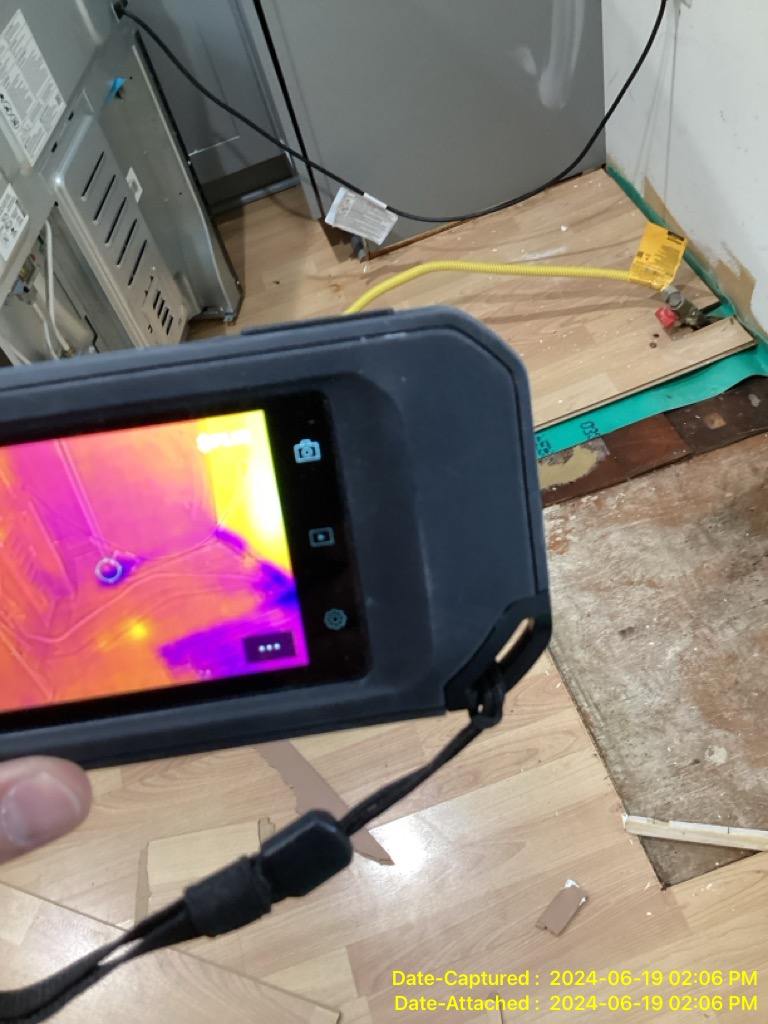
Professional restoration requires moisture mapping with thermal imaging cameras and non-penetrating moisture meters to identify hidden saturation in wall cavities, subfloors, and insulation. Without this data, you are guessing, and guessing costs thousands.
Mistake 3: Using Household Fans Instead of Commercial Dehumidification
The Science of Psychrometrics
Psychrometrics is the study of air and moisture relationships. Effective structural drying requires manipulating temperature, relative humidity, and airflow simultaneously. Household box fans move air but do not remove moisture from the environment. Commercial LGR (Low Grain Refrigerant) dehumidifiers pull moisture from the air at rates measured in pints per day, creating the vapor pressure differential necessary to draw water from deep within building materials.
- Target conditions: 70 to 80 degrees Fahrenheit with relative humidity below 40 percent.
- Equipment needed: Air movers (1 per 10 to 16 linear feet of wall), dehumidifiers sized by AHAM rating, and continuous psychrometric monitoring.
Mistake 4: Ignoring the Crawl Space
Greenfield’s High Water Table Problem
Homes in Greenfield and eastern Marion County often feature crawl spaces built over clay-dense soils that retain moisture for weeks after rainfall. Standing water in crawl spaces creates perfect conditions for wood-destroying fungi and subfloor rot. Vapor barriers alone are insufficient once flooding occurs.
LSI Entities to address: Encapsulation, sump pump redundancy, French drain installation, and soil gas mitigation. Professional remediation includes negative air pressure containment to prevent cross-contamination of HVAC systems.
Mistake 5: Skipping Antimicrobial Treatment
When Mold Becomes a Health Hazard
Mold colonization begins within 24 to 48 hours of water intrusion. Species like Stachybotrys chartarum, Aspergillus, and Penicillium produce mycotoxins that can trigger respiratory distress, cognitive fog, and immune suppression. IICRC S520 mandates HEPA filtration (99.97% efficiency at 0.3 microns) during remediation to capture airborne spores.
DIY bleach solutions do not penetrate porous materials like drywall and OSB subflooring. Professional application of EPA-registered antimicrobial biocides followed by physical removal of contaminated materials is the only compliant approach.
Mistake 6: Failing to Address HVAC Contamination
How Your Ductwork Becomes a Distribution System
Once moisture enters ductwork, the entire forced-air system becomes a vector for mold spores and bacteria. Indianapolis homes with basement furnaces are especially vulnerable. IICRC standards require inspection of duct interiors with borescope cameras and, if contamination is present, HEPA vacuuming and antimicrobial fogging of the entire system.
Mistake 7: Not Understanding Insurance Coverage Gaps
Does Home Insurance Cover Rainwater Flooding in Indianapolis?
Standard HO3 policies typically exclude flood damage unless caused by a sudden, accidental pipe burst or wind-driven rain entering through a compromised roof. Groundwater intrusion through foundations is usually excluded. However, if rainwater flooding results in mold growth within 14 days and the initial water damage was covered, subsequent mold remediation may be partially covered.
Critical action: Document everything, obtain a professional moisture report, and file claims immediately. PuroClean Disaster Restoration works directly with all major insurers serving the Indianapolis metro area.
Mistake 8: Neglecting Electrical System Inspection
The Invisible Killer in Flood-Damaged Homes
Water and electricity are lethal combinations. Even after visible water recedes, moisture remains inside wall cavities where Romex wiring, outlets, and junction boxes reside. Indianapolis homes built before 1980 may have ungrounded systems or cloth-insulated wiring that degrades rapidly when wet. Always have a licensed electrician inspect the system before restoring power to affected circuits.
Mistake 9: Rebuilding Before Proper Dry-Out
The Cost of Impatience
Installing new drywall over damp studs traps moisture and guarantees future mold problems. IICRC S500 defines “dry” as returning materials to within 4 percentage points of their normal equilibrium moisture content (EMC). For oak framing in Indianapolis’ humid climate, this means approximately 9 to 14 percent moisture content. Only professional moisture meters can verify this.
Mistake 10: Trying to Handle Category 3 Losses Without Professional Certification
When DIY Becomes a Liability
Category 3 water damage requires containment, PPE, hazardous waste disposal, and detailed documentation for insurance and health department compliance. Attempting this without IICRC certification exposes homeowners to legal liability if occupants later develop health issues. It also almost certainly voids insurance coverage for improper mitigation.
Frequently Asked Questions
Does home insurance cover mold caused by high humidity in Greenfield, Indianapolis?
Generally, no. Mold resulting from chronic humidity or maintenance issues is excluded under standard policies. However, if mold grows as a direct result of a covered water loss (like sudden rainwater intrusion through storm damage) and is reported promptly, remediation may be covered up to policy sublimits, typically $1,000 to $10,000. Document the initial water damage immediately and call PuroClean Disaster Restoration at (317) 467-4436 for a certified moisture report to support your claim.
How long does professional water damage restoration take in Indianapolis?
A typical Class 2 water loss in a residential basement requires 3 to 5 days of active drying under IICRC S500 protocols. Class 3 or 4 losses, where water has wicked into ceilings and walls, may require 7 to 10 days. Reconstruction adds additional time. PuroClean uses thermal imaging and daily moisture readings to verify dry standards before rebuilding begins.
What makes Indianapolis area flooding different from other Midwest cities?
Indianapolis faces a combination of aging infrastructure, clay-heavy soils that limit absorption, increasingly intense rainfall events, and a high percentage of homes with basements and crawl spaces. The city’s flat topography in many residential areas also means water pools rather than drains, extending exposure time and increasing contamination risk.
Can I stay in my home during water damage restoration?
For Category 1 and small Category 2 losses, yes, with containment barriers in place. For Category 3 losses or extensive mold remediation requiring negative air pressure and HEPA filtration, temporary relocation is strongly recommended, especially for children, elderly residents, and those with respiratory conditions.
The PuroClean Difference: IICRC Certified Restoration for Indianapolis and Greenfield
When rainwater flooding strikes your Indianapolis or Greenfield home, every minute counts. PuroClean Disaster Restoration employs IICRC S500 and S520 certified technicians who use industrial-grade extraction equipment, LGR dehumidifiers, thermal imaging moisture mapping, and HEPA-filtered negative air machines to restore your property to pre-loss condition.
We understand the local building stock, from the ranch homes of Greenfield to the historic properties of Irvington and Fountain Square. We know how Indiana’s humidity interacts with post-war construction materials. And we know how to document losses so your insurance company pays what they owe.
Do not let a mistake today become a $50,000 reconstruction bill tomorrow. If you are in Indianapolis, Greenfield, or any surrounding neighborhood and have experienced rainwater flooding, call PuroClean Disaster Restoration now at (317) 467-4436. We answer calls 24/7 and can be on-site within 60 minutes.