


Smoke damage: As the cold weather settles in and heating season begins, many homeowners turn to their wood-burning fireplaces for warmth and ambiance. While fireplaces can create a cozy environment, they also pose risks, including smoke damage to your home. Preventing smoke damage not only protects your property but also ensures the health and safety of your family.
This guide explores practical steps to avoid smoke damage from wood-burning fireplaces and chimneys this heating season.
Smoke Damage
Smoke damage occurs when particles and gases produced by incomplete combustion settle on surfaces, causing discoloration, unpleasant odors, and even structural damage. In addition to being unsightly, smoke particles can be harmful to your health, exacerbating respiratory issues and other health concerns. The primary causes of smoke damage from wood-burning fireplaces include:
- Poor chimney draft
- Blockages in the chimney or flue
- Use of unseasoned or damp firewood
- Improper fireplace operation
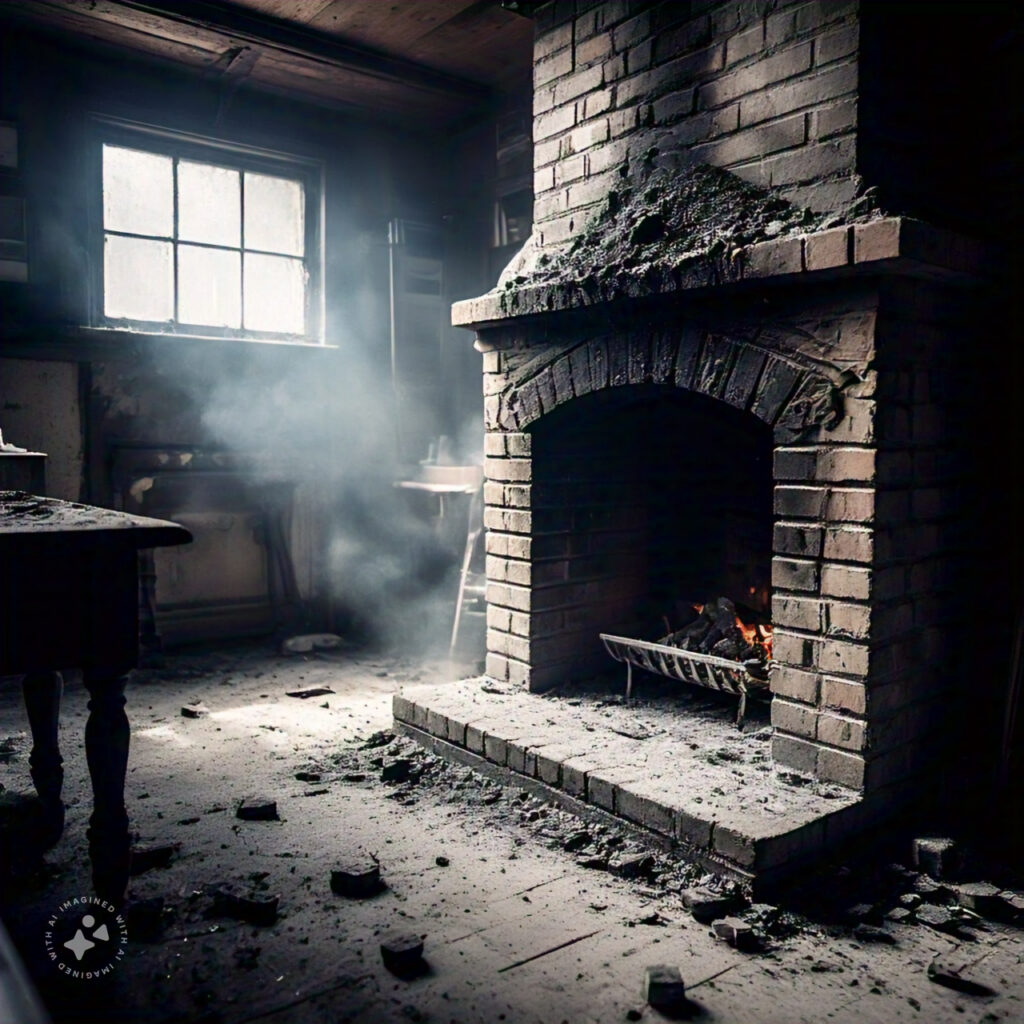
Preventive Measures for Smoke Damage
1. Schedule Regular Chimney Inspections and Cleanings
A well-maintained chimney is your first line of defense against smoke damage. Creosote, a by product of burning wood, can build up inside the chimney, reducing airflow and increasing the risk of smoke entering your home.
- Inspection Frequency: Have your chimney inspected annually by a certified professional.
- Cleaning: Schedule a chimney sweep if there’s a creosote build up of 1/8 inch or more.
- Repair: Address any structural issues, such as cracks in the chimney liner, promptly.
2. Burn Proper Firewood
The type of wood you burn significantly impacts the amount of smoke your fireplace produces.
- Seasoned Firewood: Use wood that has been dried for at least 6-12 months. Seasoned wood burns cleaner and produces less smoke.
- Hardwood vs. Softwood: Choose hardwoods like oak or maple, which burn longer and produce less creosote.
- Avoid Damp Wood: Wet or green wood creates excessive smoke and increases creosote buildup.
3. Ensure Proper Ventilation
Good airflow is essential for a smoke-free fireplace experience.
- Open the Damper: Always ensure the damper is fully open before lighting a fire.
- Use Fireplace Doors or Screens: These help contain smoke and prevent it from spilling into the room.
- Ventilation Fans: Use a ceiling fan on a low setting to circulate warm air and reduce smoke accumulation.
4. Install a Chimney Cap
A chimney cap prevents external debris, such as leaves and animal nests, from blocking your chimney. It also reduces downdrafts that can force smoke back into your home.
- Material: Choose a stainless steel or copper cap for durability.
- Maintenance: Check the cap regularly to ensure it remains intact and free of blockages.
5. Light Fires Correctly
Improper fire-starting techniques can contribute to smoke issues. Follow these tips for efficient fire-starting:
- Use Kindling: Start with small, dry kindling and gradually add larger logs.
- Top-Down Method: Place larger logs at the bottom and kindling on top for a cleaner burn.
- Avoid Overloading: Use the appropriate amount of wood to prevent an overly smoky fire.
6. Upgrade Your Fireplace System
Modern upgrades can enhance your fireplace’s efficiency and reduce smoke emissions.
- Insert Stoves: Install a wood stove insert to improve heat output and minimize smoke.
- EPA-Certified Fireplaces: These are designed to burn wood more cleanly and efficiently.
- Glass Doors: Adding glass doors to your fireplace can prevent smoke from escaping into your living space.
7. Monitor Weather Conditions
External factors, such as weather, can influence how your fireplace performs.
- Avoid Windy Days: Strong winds can create downdrafts that push smoke back into your home.
- Cold Air Blockage: Preheat the flue by burning a rolled-up newspaper before starting the main fire to establish a draft.
Addressing Smoke Damage Quickly
Despite your best efforts, smoke damage may still occur. Addressing it promptly can minimize long-term consequences.
Cleaning Smoke-Stained Surfaces
- Walls and Ceilings: Use a dry sponge or a mixture of white vinegar and warm water to clean soot stains.
- Carpets and Upholstery: Hire professional cleaners for deep cleaning to remove smoke particles.
- Air Purification: Use HEPA air purifiers to remove lingering smoke odors and particles from the air.
Dealing with Persistent Odors
- Baking Soda: Sprinkle baking soda on carpets and furniture to neutralize odors.
- Activated Charcoal: Place charcoal in affected rooms to absorb smells.
- Professional Restoration Services: For severe cases, consult smoke damage restoration experts to restore your home.
Health Implications of Smoke Exposure
Prolonged exposure to smoke can have serious health consequences, particularly for individuals with asthma, allergies, or other respiratory conditions according to this website. Symptoms of smoke exposure include:
- Irritation of the eyes, nose, and throat
- Shortness of breath
- Aggravation of chronic respiratory issues
Preventing smoke from entering your living space is crucial to protecting your family’s health.
When to Call a Professional
If you encounter persistent smoke issues or suspect significant damage, consult a professional chimney inspector or smoke damage restoration specialist. Professionals can:
- Diagnose underlying chimney or fireplace issues
- Provide thorough cleaning and repairs
- Restore smoke-damaged areas effectively
For immediate assistance with Water damage restoration, contact PuroClean Disaster Restoration, Call (+1) 317-467-4436.
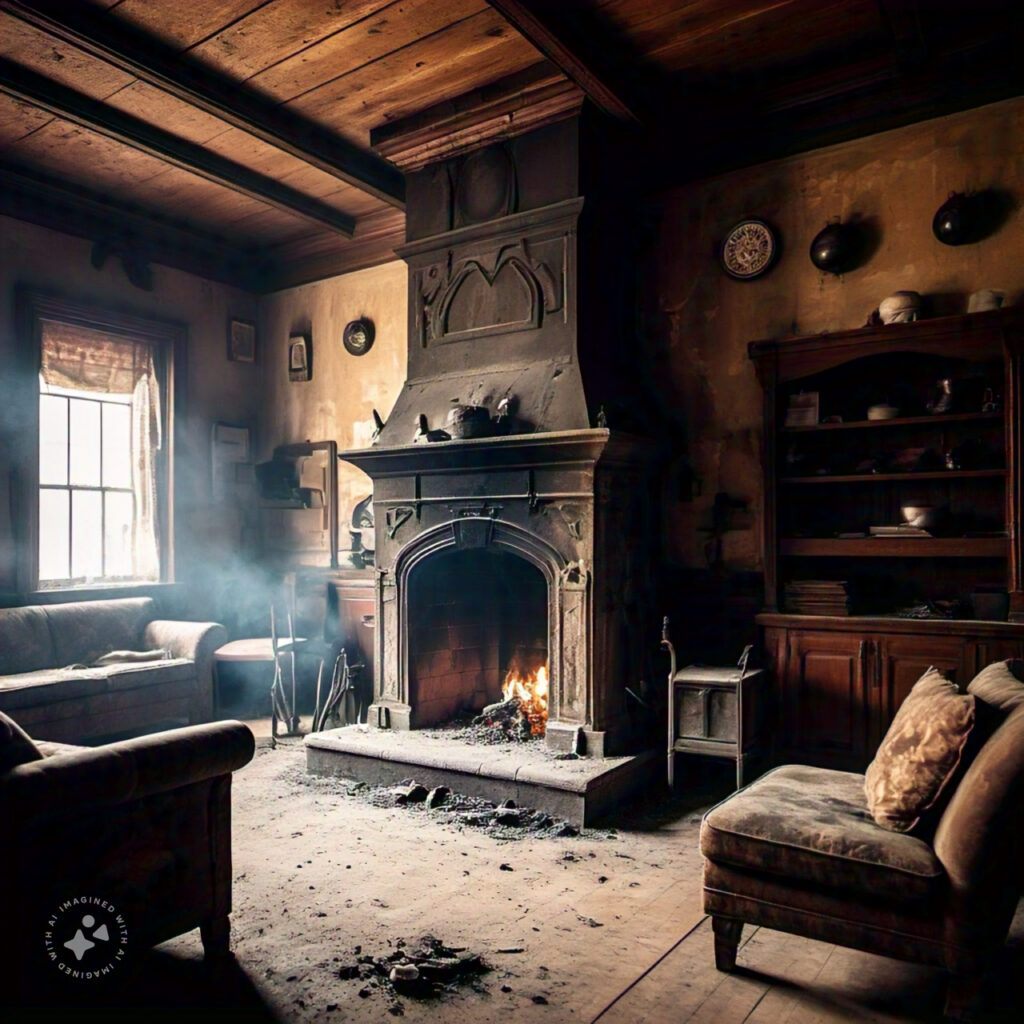
Winter Fire Hazard Smoke Damage: Major Causes of Sudden Fires in Homes
As the winter months approach, the risk of sudden fires in homes increases significantly. The combination of cold temperatures, holiday decorations, and increased use of heating sources creates a perfect storm for fires to occur. In this blog, we’ll explore the major causes of sudden fires in homes during winter and provide tips on how to prevent them.
1. Space Heaters
Space heaters are a common cause of winter fires. They can overheat, ignite nearby flammable materials, or even tip over, causing a fire to spread quickly. To use space heaters safely:
- Keep them at least 3 feet away from flammable materials
- Never leave them unattended
- Choose space heaters with automatic shut-off and overheat protection
2. Electrical Issues
Electrical issues, such as faulty wiring, overloaded outlets, and damaged cords, can cause fires to spark. To prevent electrical fires:
- Have your home’s electrical system inspected by a licensed electrician
- Avoid overloading outlets and extension cords
- Replace damaged or frayed cords immediately
3. Candles and Open Flames
Candles, fireplaces, and other open flames can ignite nearby materials, such as curtains, bedding, or decorations. To use candles and open flames safely:
- Never leave them unattended
- Keep them away from flammable materials
- Use flameless candles or LED candles as an alternative
4. Holiday Decorations
Holiday decorations, such as lights, garlands, and wreaths, can be a fire hazard if not used properly. To prevent fires caused by holiday decorations:
- Use only UL-certified decorations
- Avoid overloading electrical outlets
- Keep decorations away from heat sources and flammable materials
5. Heating System Maintenance
Poorly maintained heating systems can cause fires to occur. To prevent heating system fires:
Keep the area around your heating system clear of clutter and flammable materials
Have your heating system inspected and maintained annually by a licensed professional
Conclusion
As you enjoy the warmth and charm of your wood-burning fireplace this heating season, take proactive steps to prevent smoke damage. Regular maintenance, proper firewood usage, and efficient ventilation are key to keeping your home safe and smoke-free. By addressing potential issues early and investing in modern fireplace solutions, you can enjoy a cozy winter without the hassle and hazards of smoke damage.