Reviewed for technical accuracy by PuroClean Disaster Restoration’s IICRC-certified restoration team.
Smoke odor removal after a house fire follows the IICRC S700 Standard for Fire and Smoke Damage Restoration, which sets the accepted framework for evaluating soot type, identifying affected materials, and selecting the correct deodorization method. Odor that lingers after a fire is not just an unpleasant smell. It is a sign that smoke particles and combustion byproducts have physically bonded to walls, fabric, and even structural framing. Removing that odor for good requires more than air freshener or an open window. It requires matching the right technique to the type of residue left behind, something homeowners in Greenfield and across Hancock County often learn the hard way after trying DIY fixes that mask the smell instead of eliminating it.
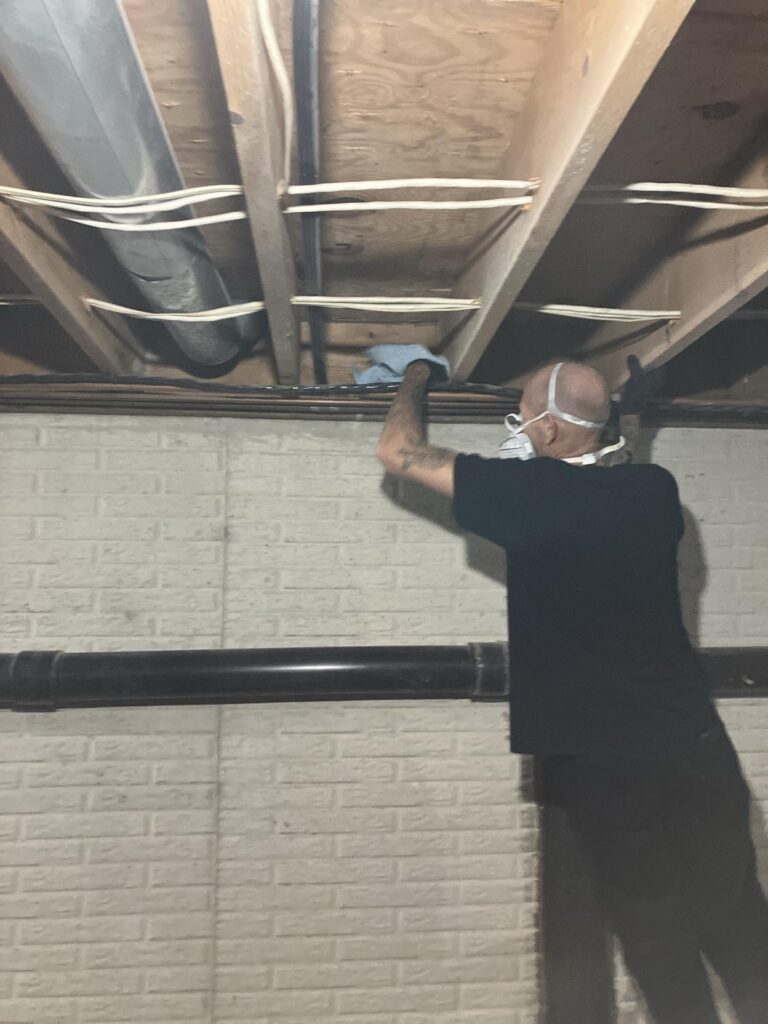
Key Takeaways for Homeowners
- Smoke odor is caused by microscopic soot particles that penetrate porous materials, not just surface residue.
- The IICRC S700 standard guides professional smoke and fire restoration decisions in Greenfield and nationwide.
- Ozone treatment, thermal fogging, and HEPA air scrubbing are three of the most effective professional deodorization methods.
- DIY cleaning often pushes odor deeper into drywall, insulation, and subfloor materials instead of removing it.
- Homeowners insurance frequently covers professional smoke odor remediation when tied to a covered fire loss.
- Waiting to treat smoke odor allows acidic soot residue to continue corroding metal fixtures and discoloring surfaces.
Smoke damage does not wait for a convenient time to be addressed, and every day soot sits untreated it becomes more chemically bonded to your home’s surfaces. If your Greenfield or Hancock County home was recently affected by fire, call PuroClean Disaster Restoration at (317) 467-4436 for a same-day assessment before odor and residue set further into your walls and belongings.
Why Does Smoke Odor Linger After a Fire Is Out?
Smoke odor lingers because combustion releases microscopic particles and gases that embed into porous materials like drywall, carpet padding, and wood framing. These particles carry an acidic residue that continues reacting with surfaces long after the flames are extinguished, which is why the smell often returns even after surface cleaning.
Different fire sources leave different soot types, and each requires its own cleaning approach. A protein fire, like a grease fire on the stove, leaves a nearly invisible residue with an intensely strong odor. A synthetic fire involving plastics or electronics leaves a sticky, smeary soot that is difficult to remove with standard cleaners. A natural material fire, such as burning wood, leaves a dry, powdery residue that is comparatively easier to clean but still penetrates fabric and drywall.
Restoration technicians use moisture mapping and thermal imaging during the initial inspection, not because water is always present, but because heat exposure and any fire suppression water can create hidden pockets of dampness inside walls. In many Hancock County homes, especially the postwar ranch and split-level houses common throughout Greenfield subdivisions, smoke travels through HVAC ductwork and wall cavities far beyond the room where the fire started.
Takeaway: Odor that returns after cleaning almost always means residue is still trapped inside porous materials, not just sitting on the surface.
Method 1: Thermal Fogging for Deep Odor Neutralization
Thermal fogging uses heated deodorizing solution converted into a fine fog that mimics how smoke originally traveled through a structure, reaching the same cracks, crevices, and fabric fibers that absorbed the original odor. Technicians deploy this method inside a sealed containment barrier to concentrate the treatment and prevent cross-contamination into unaffected rooms.
The process typically follows this sequence:
- Remove or protect items sensitive to heat and chemical exposure.
- Seal off the treatment area to maintain negative air pressure and stop odor migration.
- Heat the deodorizing agent in a specialized fogging machine until it vaporizes into a fine mist.
- Circulate the fog through the space for a set dwell time, often 20 to 45 minutes depending on the severity of the smoke penetration.
- Ventilate the area using air scrubbers before technicians or homeowners re-enter.
This method works well for whole-room odor that has settled into carpet, upholstery, and wall cavities, but it is not a standalone fix for heavily charred materials, which usually require removal rather than deodorization.
Takeaway: Thermal fogging reaches the same hidden spaces smoke originally penetrated, making it far more effective than surface wiping alone.
Method 2: HEPA Air Scrubbing and Negative Air Pressure
HEPA filtration combined with negative air pressure removes airborne soot particles before they resettle on cleaned surfaces. Technicians position air scrubbers to pull contaminated air through a sequence of filters, capturing particles as small as 0.3 microns, which is small enough to include much of the residue responsible for lingering odor.
Negative air pressure is created by setting up containment barriers around the affected area and using the air scrubber to draw air inward, preventing soot-laden air from drifting into unaffected rooms. In a multi-room fire event, this step often determines whether odor remediation succeeds on the first attempt or has to be repeated after particles cross-contaminate clean spaces.
Hygrometer readings are typically taken alongside this process to confirm humidity levels are not encouraging odor-causing residue to reactivate on damp surfaces, particularly relevant in Greenfield’s humid continental climate where summer humidity can slow drying and intensify smoke smell.
Takeaway: Filtering the air itself, not just the surfaces, prevents soot particles from resettling and causing odor to return.
Method 3: Ozone Treatment for Severe, Persistent Odor
Ozone treatment uses an ozone generator to produce a reactive gas that chemically breaks down odor-causing molecules rather than masking them. This method is reserved for severe cases and is always performed in an unoccupied structure, since ozone is not safe to breathe at treatment concentrations.
Technicians run ozone generators for a calculated period based on room volume and odor severity, then fully ventilate the space before anyone re-enters. Ozone is particularly effective on odors that have resisted thermal fogging alone, but it must be used carefully around certain materials, since prolonged exposure can degrade rubber and some plastics over time.
Takeaway: Ozone is a powerful tool for stubborn odor but should be used selectively and always under professional supervision.
Method 4: Hydroxyl Generators for Occupied Structures
Hydroxyl generators produce the same odor-neutralizing effect as ozone but do so safely in occupied spaces, making them useful when residents need to remain in part of the home during treatment. These units work more slowly than ozone but avoid the material degradation risks associated with high ozone concentrations.
This method is often chosen for partial-loss fires, such as a contained kitchen fire in an otherwise livable Greenfield home, where displacing the entire family is not necessary but odor still needs active neutralization rather than passive air freshening.
Takeaway: Hydroxyl treatment lets homeowners stay in unaffected parts of the home while odor removal continues nearby.
Method 5: Sealing and Encapsulating Porous Structural Materials

When soot has penetrated framing, subfloor materials, or drywall too deeply for cleaning alone, encapsulation seals the odor source with a specialized sealant designed to lock in residual smoke particles permanently. This step often follows subfloor delamination assessment, since heat and any firefighting water can weaken adhesives and cause flooring layers to separate, requiring replacement rather than sealing in isolated spots.
Technicians typically clean the surface as thoroughly as possible first, confirm dryness with hygrometer readings, then apply a sealant coat before any new finish material, paint, or flooring goes back down.
Takeaway: Sealing is the last line of defense for structural materials that have absorbed smoke odor too deeply to clean.
Method 6: Textile and Contents Cleaning With Antimicrobial Biocide
Clothing, curtains, and upholstered furniture require dedicated cleaning separate from structural deodorization. Ultrasonic cleaning, ozone chambers sized for contents, and specialized detergents are used depending on fabric type, and an antimicrobial biocide treatment is often applied when fire suppression water has introduced dampness that could otherwise lead to mold alongside the smoke odor.
Items are typically inventoried, photographed, and transported to a contents cleaning facility, then returned once the structure itself has passed a final odor and moisture check.
If you notice a musty or mildew smell developing alongside smoke odor in the days after a fire, stop attempting further cleaning on your own and call a restoration professional immediately, since this combination often signals hidden moisture that needs specialized dehumidification before it leads to secondary mold damage.
Takeaway: Fabric and upholstered items often need to leave the home for proper deodorization rather than being treated in place.
Why Greenfield Homeowners Choose Local, Certified Restoration
Greenfield’s mix of postwar ranch and split-level homes and older brick houses near the historic downtown each present different odor removal challenges, from tighter, more insulated newer construction that traps smoke concentration, to older fieldstone and block basements that can develop secondary moisture issues after firefighting efforts. PuroClean Disaster Restoration operates with 24/7 emergency dispatch throughout Hancock County and the surrounding Indianapolis-metro area, works directly with insurance carriers through direct billing, and staffs IICRC-certified technicians trained specifically to the S700 standard rather than general cleaning protocols.
Frequently Asked Questions
Does homeowners insurance cover smoke odor removal after a fire? Most homeowners insurance policies cover professional smoke odor remediation when the fire itself is a covered peril, though coverage details vary by carrier and policy. Documentation from a certified restoration company, including photos and a written scope of work, helps support the claim. Greenfield homeowners should contact their insurance agent promptly and request an itemized restoration estimate.
How much does professional smoke odor removal cost in Greenfield? Costs vary widely based on the size of the affected area, the type of soot residue, and whether structural materials need replacement versus cleaning. A single-room kitchen fire with contained smoke damage typically costs less than a whole-house event requiring fogging, ozone treatment, and contents cleaning. A certified technician can provide an itemized estimate after inspection.
How long does smoke odor removal take? Contained, single-room smoke odor treatment can often be completed within one to three days, while whole-structure remediation involving fogging, ozone or hydroxyl treatment, and contents cleaning typically takes one to two weeks. Timelines extend when subfloor delamination or hidden moisture from firefighting efforts complicates the drying and sealing process.
Can I remove smoke odor myself with vinegar or baking soda? Household remedies like vinegar and baking soda can help with very minor, surface-level odor but do not neutralize soot residue embedded in porous materials. For anything beyond a small, contained incident, these methods typically mask odor temporarily rather than eliminating it, and can even push residue deeper into drywall and fabric.
Is smoke odor a health risk to my family? Lingering smoke odor indicates the continued presence of fine combustion particles, which can irritate airways and worsen respiratory conditions like asthma with prolonged exposure. Households with young children, elderly residents, or anyone with existing respiratory issues should treat persistent smoke odor as a signal to bring in professional remediation rather than a cosmetic issue.
When should I call a professional instead of cleaning it myself? Call a professional if odor persists after surface cleaning, if soot residue is smeary or sticky rather than dry, if the fire involved synthetic materials or affected more than one room, or if you notice musty smells suggesting hidden moisture. These signs indicate residue has penetrated beyond what household cleaning can reach.
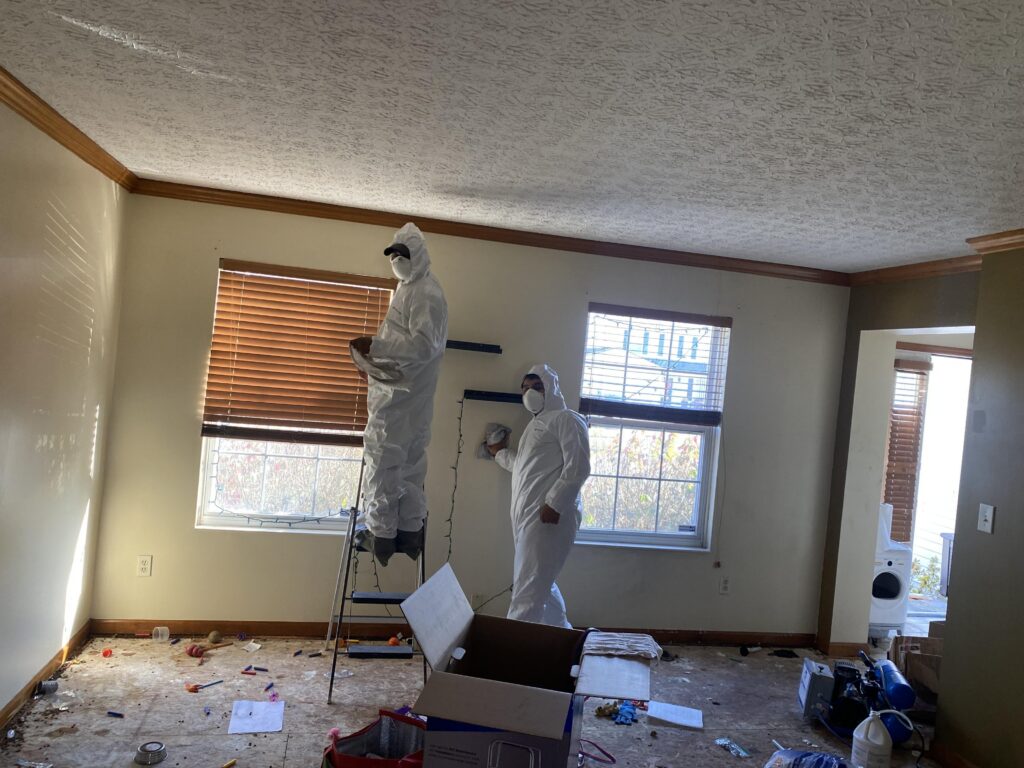
Get Professional Smoke Odor Removal in Greenfield
If smoke odor is lingering in your Greenfield or Hancock County home after a fire, do not wait for it to fade on its own, because untreated soot residue continues to degrade surfaces and air quality the longer it sits. PuroClean Disaster Restoration provides 24/7 emergency response, works directly with your insurance company through direct billing, and sends IICRC-certified technicians trained to the S700 fire and smoke restoration standard. Call (317) 467-4436 or visit PuroClean Disaster Restoration at 625 S. State St., Greenfield, IN 46140 for a full assessment.