


Introduction
Unvented Have you ever walked into your laundry room and noticed a musty smell? Maybe you’ve been sneezing more often, or spotted strange dark patches around the corners. If so, your unvented clothes dryer might be the silent culprit behind mold growth in your home.
Mold infections in the house are not just unsightly they pose serious health risks and can cause expensive structural damage over time. While mold can grow from several sources of excess moisture, unvented clothes dryers are one of the most overlooked contributors.
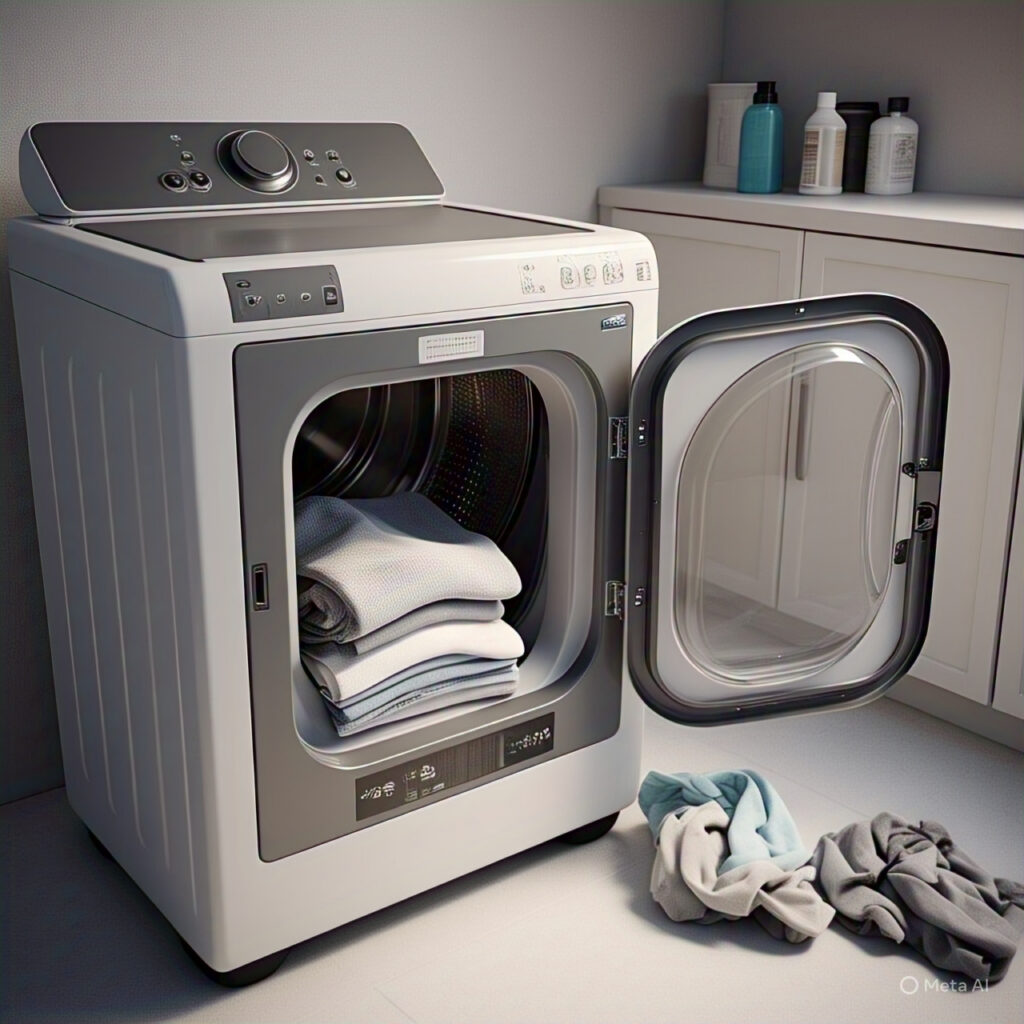
In this post, we’ll explore how unvented clothes dryers contribute to mold infections in the house, the dangers involved, real-life examples, and practical solutions to stop mold before it spreads.
What Causes Mold from Unvented Clothes Dryers?
Clothes dryers work by heating wet clothes and removing moisture. Normally, that moisture should exit the home through a properly installed vent to the outside. But when dryers are unvented or improperly vented, the moist air stays indoors, increasing humidity levels significantly.
Here’s what typically happens:
- Moist air saturates walls, ceilings, and floors of the laundry room or nearby spaces.
- Condensation builds up, especially on cooler surfaces.
- Mold spores, which are naturally present in the environment, find this moisture the perfect environment to grow.
Over time, this can result in mold colonies behind walls, under floors, around dryer vents, or even on your freshly laundered clothes.
For immediate assistance with Mold restoration, contact PuroClean Disaster Restoration, Call (+1) 317-467-4436 or (+1) 260-263-9788 for Fort Wayne location.
PuroClean Disaster Restoration has over 19 years of experience in the mold removal, remediation and mitigation industry, with over 100 five star reviews on Google serving Indianapolis. Click on this link to see it’s online reviews and ratings.
Why Is This a Problem?
Mold in the house is more than just a cosmetic issue. It brings:
- Health risks: Respiratory problems, allergic reactions, asthma triggers, skin irritations.
- Property damage: Weakening drywall, damaging insulation, ruining wooden floors, and causing paint to peel.
- Odor problems: Musty smells that are hard to remove.
People Also Search:
- “Why does my laundry room smell musty after using the dryer?”
- “Can my clothes dryer cause mold in the house?”
- “How do I prevent mold from my unvented dryer?”
Sarah’s Mold Nightmare
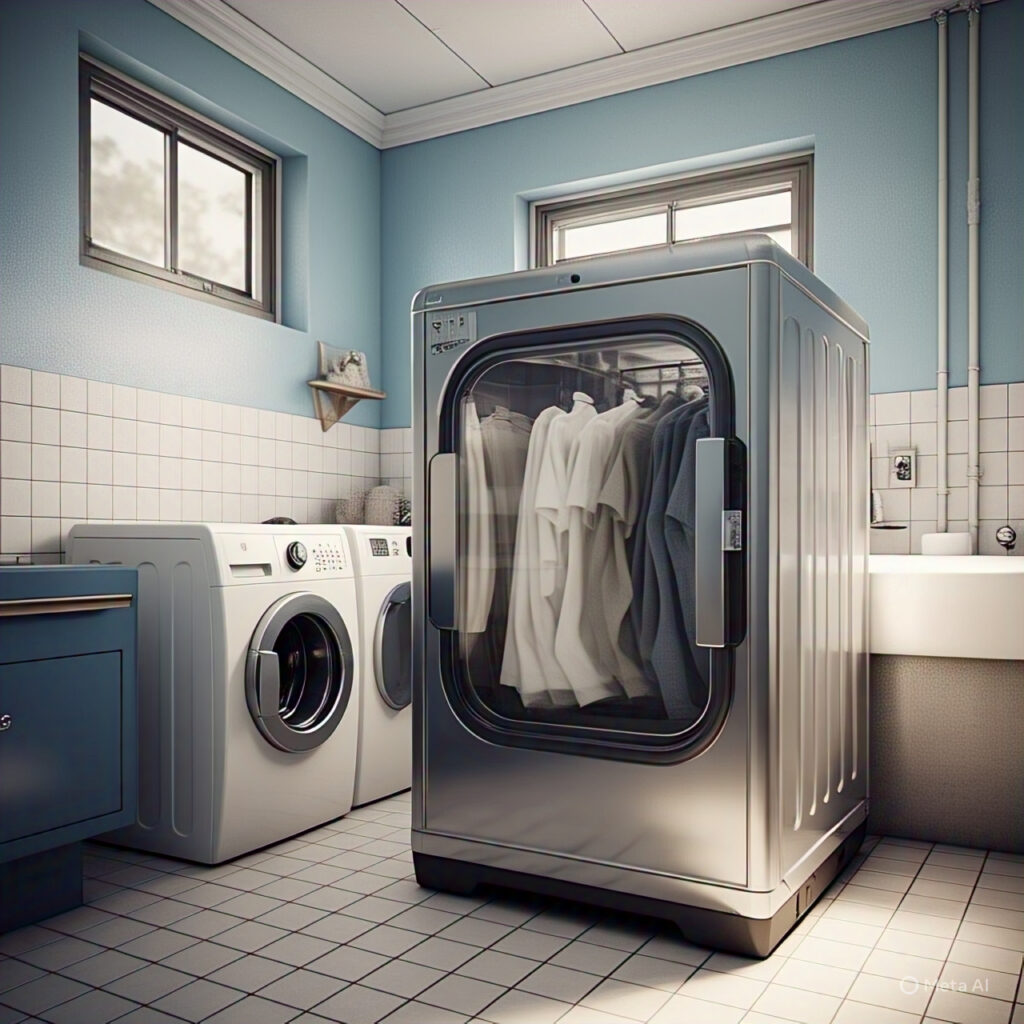
Sarah, a busy mom of three, loved the convenience of doing laundry while working from home. But she started noticing a persistent musty smell in her hallway, right near the laundry area. Then came the sneezing fits and her kids started developing skin rashes.
One day, Sarah moved her dryer forward to clean behind it. What she saw left her speechless: black mold creeping up the wall. Her dryer had never been vented to the outside properly. For years, it had been pumping warm, moist air straight into her home.
After hiring a mold remediation specialist, Sarah faced thousands of dollars in repairs, including replacing drywall, repainting, and deep-cleaning HVAC ducts.
Sarah learned her lesson the hard way: vent your dryer properly, or risk your family’s health and home.
Common Signs of Mold Growth from Unvented Clothes Dryers
How can you tell if your unvented dryer is causing mold issues?
- Musty or Damp Smell, especially in and around the laundry area.
- Visible Mold Spots on walls, behind appliances, near vent pipes, or on ceilings.
- Peeling Paint or Wallpaper indicating moisture buildup.
- Unexplained Health Symptoms recurring respiratory issues, headaches, fatigue.
- Condensation on Windows especially during or after using the dryer.
Preventing Mold from Unvented Clothes Dryers
Luckily, preventing mold from unvented dryers doesn’t have to be difficult. Follow these proven steps:
1. Install a Proper Vent System
- External Venting is a Must: Dryers should always vent to the outside, never inside the home or attic.
- Metal Ducts Preferred: Use rigid or semi-rigid metal ducts, not plastic or foil, to reduce the risk of buildup and fire hazards.
- Check for Blockages: Regularly inspect and clean the vent pipe to ensure proper airflow.
2. Use a Condenser or Heat Pump Dryer (For Ventless Systems)
- If venting outdoors isn’t an option (e.g., in apartments), invest in a ventless condenser dryer or heat pump dryer.
- These systems collect moisture in a reservoir or drain it directly into plumbing.
3. Regular Cleaning
- Clean the lint filter after every load.
- Deep-clean the vent duct at least once a year.
- Wipe down dryer surfaces and nearby walls regularly.
4. Monitor Indoor Humidity
- Ideal indoor humidity: 30-50%.
- Use dehumidifiers or install ventilation fans in laundry spaces.
5. Check for Hidden Leaks
- Sometimes, mold growth isn’t from the dryer alone. Make sure plumbing around your laundry area isn’t contributing to excess moisture.
Common Search Online:
- “How can I vent my dryer to prevent mold?”
- “Best dryers for apartments without vents”
- “Do ventless dryers cause mold?”
Health Risks of Mold from Unvented Cloth Dryers
- Respiratory Irritations: Mold spores can inflame nasal passages, throat, and lungs.
- Asthma Triggers: Mold is a common trigger for asthma attacks.
- Weakened Immune Systems: People with compromised immune systems are particularly vulnerable.
- Skin Issues: Rashes, hives, or general skin irritation.
DIY vs. Professional Mold Remediation in the US
If you’ve spotted minor mold growth around your dryer, you can usually clean it with:
- White vinegar
- Hydrogen peroxide
- Commercial mold cleaners
However, for extensive growth (greater than 10 square feet), or if mold has penetrated walls or floors, call a certified mold remediation specialist.
Choosing the Right Professional Help for Mold Remediation and Removal in Greenfield Indianapolis
When hiring a professional:
- Look for certifications like IICRC.
- Ask for before and after photos of previous mold jobs.
- Verify that they can help fix the venting issue to prevent recurrence.
Common Search Questions on Mold from Unvented Clothes Dryers:
- “Certified mold remediation experts near me”
- “Can vinegar kill mold around dryers?”
- “Cost of mold removal from laundry room walls”
Final Thoughts
Ignoring mold caused by unvented clothes dryers can lead to costly repairs, serious health hazards, and ongoing inconvenience. Taking preventive action today by installing proper venting or switching to safe alternatives will protect your home and loved ones.
Don’t wait for your laundry room to become a mold hotspot. Act now.
FAQs About Mold from Unvented Clothes Dryers
1. Can I vent my dryer into the house if I use a filter or water trap?
No. Even with filters or traps, venting a dryer indoors will increase humidity, which promotes mold growth. Always vent to the outside when possible.
2. What are ventless dryers, and are they safe?
Ventless dryers, such as condenser or heat pump dryers, collect moisture in a water reservoir or drain it out. They don’t release moist air into your home, making them a safer alternative in spaces where outdoor venting isn’t feasible.
3. How often should I clean my dryer vent to avoid mold issues?
At least once a year, or more frequently if you use the dryer regularly. Cleaning ensures that lint and moisture don’t accumulate in the vent, reducing both mold and fire risks.
4. What type of ducting is best for venting dryers?
Rigid or semi-rigid metal ducts are best. Avoid flexible plastic or foil ducts, as they are prone to tearing, trapping moisture, and posing fire hazards.
5. Can mold from the dryer spread to other parts of the house?
Yes. Once established, mold spores can become airborne and spread through HVAC systems, affecting other rooms and surfaces throughout your home.
6. What should I do if I discover mold behind my dryer?
Start by wearing gloves and a mask. Clean small areas with white vinegar or hydrogen peroxide. If the affected area is large or the mold seems to have spread into walls or floors, call a certified mold remediation expert.
7. Will homeowners insurance cover mold damage from an unvented dryer?
Sometimes. Policies vary, and many standard homeowners insurance policies exclude mold unless it results from a covered event (like sudden plumbing leaks). Check your policy details or consult your insurer.
8. What humidity level should I maintain to avoid mold growth?
Maintain indoor humidity between 30% and 50%. You can use a hygrometer to monitor humidity levels in your laundry area.
9. Do dehumidifiers help prevent mold in laundry rooms?
Yes. Dehumidifiers can help keep humidity in check, especially in small or poorly ventilated spaces like laundry rooms.
10. Can moldy laundry make me sick?
Yes. Mold on fabrics can cause skin irritations and respiratory problems. Always dry laundry fully, clean the dryer regularly, and never leave damp clothes sitting inside the machine.
Voice Search Optimization Example for FAQs:
- “Is it bad to vent my dryer inside?”
- “Do condenser dryers cause mold?”
- “Best way to clean mold behind dryer”
Need professional help with mold problems in your home? Contact certified mold remediation experts today to keep your family safe and your home mold-free.