


Key Takeaways for Homeowners
- Fire damage leaves behind invisible toxins that standard cleaning cannot remove.
- Smoke residue contains polycyclic aromatic hydrocarbons (PAHs), heavy metals, and acidic soot that penetrate porous materials.
- Porous items including mattresses, upholstered furniture, and children’s toys must be discarded per IICRC S500/S520 fire and smoke restoration standards.
- Greenfield and Indianapolis homeowners face compounded risks from the region’s humid continental climate, where elevated moisture levels accelerate secondary contamination.
- Professional contents evaluation, HEPA filtration, and thermal fogging are required for safe recovery.
- Contact PuroClean Disaster Restoration at (317) 467-4436 for immediate fire damage assessment and toxic contents removal in Greenfield, Indianapolis, and surrounding neighborhoods.
Why Fire Damage Creates Invisible Toxic Hazards in Your Home
A house fire does not end when the flames are extinguished. The aftermath introduces a complex matrix of chemical contaminants that standard household cleaning methods cannot neutralize. According to IICRC S500 standards for professional water damage restoration and IICRC S520 standards for mold remediation, fire and smoke damage creates a Category 3 contamination scenario where materials are exposed to hazardous substances requiring specialized remediation protocols.
When synthetic materials, plastics, foam insulation, and treated wood burn, they release toxic byproducts including hydrogen cyanide, carbon monoxide, formaldehyde, and dioxins. These compounds settle as ultrafine particulate matter that embeds into porous surfaces, HVAC ductwork, wall cavities, and personal belongings. The danger is not visible to the naked eye. A surface may appear clean while still harboring concentrations of carcinogenic residue that pose serious long-term health risks.
In Greenfield and Indianapolis, the humid continental climate amplifies these hazards. Summers are long, warm, humid, and wet, with temperatures ranging from 22°F to 84°F and humidity levels frequently climbing above 70%. This moisture interacts with acidic soot residue, accelerating corrosion of metal fixtures, electrical components, and structural elements. It also creates ideal conditions for secondary microbial growth on fire-damaged materials that retain moisture from fire suppression efforts. The combination of smoke toxins and elevated humidity creates a compounding effect that makes professional intervention non-negotiable.
The 8 Toxic Items You Must Discard After Fire Damage
1. Mattresses and Box Springs
Mattresses are constructed from highly absorbent materials including memory foam, polyurethane, cotton batting, and innerspring coils wrapped in fabric. During a fire, these materials act like sponges for smoke particulates, soot, and chemical vapors. The internal structure of a mattress traps ultrafine particles deep within the foam layers where surface cleaning cannot reach.
IICRC S500 protocols classify fire-damaged mattresses as non-restorable porous contents. Even mattresses in adjacent rooms can absorb enough smoke odor and particulate matter to trigger respiratory irritation, skin reactions, and long-term exposure to PAHs. Box springs share the same risk profile due to their fabric coverings and internal wood framing that absorbs both moisture and chemical residue.
2. Upholstered Furniture and Cushions
Sofas, recliners, dining chairs, and ottomans present one of the highest risk categories for toxic retention. Upholstery fabrics, foam cushions, and down-filled inserts create a three-layer contamination trap. Smoke particles penetrate the outer fabric, saturate the internal foam or fiberfill, and bond with the chemical fire retardants already present in the furniture.
Professional upholstery cleaning using hot water extraction or dry solvent methods cannot remove deeply embedded soot and toxic residue. IICRC fire restoration guidelines recommend discarding all upholstered furniture that has been exposed to structural fire smoke, even if the items show no visible damage.
3. Children’s Toys and Stuffed Animals
Children’s toys require special consideration due to the heightened vulnerability of young immune and respiratory systems. Plastic toys may appear salvageable, but heat exposure causes off-gassing of phthalates, BPA, and other plasticizers that migrate to the surface. Stuffed animals and fabric toys absorb smoke and soot with the same efficiency as upholstery.
Soft plastic toys exposed to heat can release volatile organic compounds (VOCs) that continue to outgas for weeks after the fire. Any toy that has been in a smoke-impacted environment should be discarded to eliminate exposure risks for children.
4. Food and Food Packaging
All food items, including unopened canned goods, must be discarded after fire exposure. Heat can compromise the integrity of can seals, allowing smoke and chemical vapors to penetrate the contents. Refrigerated and frozen foods are not safe if the power was disrupted, as temperature fluctuations promote bacterial growth that compounds fire-related contamination.
Cardboard and paper packaging offers no barrier to smoke infiltration. Even items in sealed plastic bags can absorb VOCs through the packaging material. The USDA and FDA both recommend discarding all food items following a house fire.
5. Cosmetics and Toiletries
Cosmetics, skincare products, and toiletries stored in bathrooms or bedrooms are vulnerable to heat degradation and smoke contamination. Heat can alter the chemical composition of lotions, creams, and makeup, creating skin irritants or toxic compounds. Soot particles can settle on product surfaces and be transferred to skin during application.
Medications exposed to heat or smoke should also be discarded, as temperature fluctuations can reduce efficacy or create harmful byproducts. Contact your pharmacist for guidance on replacing fire-exposed medications.
6. Clothing and Textiles
Clothing, bedding, curtains, and towels that have been in direct contact with smoke or fire suppression water must be evaluated carefully. Synthetic fabrics including polyester, nylon, and acrylic can melt or fuse with soot particles, creating a permanent bond that washing cannot break. Natural fibers including cotton and wool can absorb enough smoke residue to remain hazardous even after multiple wash cycles.
Items with visible soot staining, strong smoke odor, or exposure to fire suppression chemicals should be discarded. Dry cleaning is not a reliable solution for heavily contaminated textiles.
7. Carpets and Area Rugs
Wall-to-wall carpeting and large area rugs function as massive filtration systems during a fire. Carpet fibers trap soot, ash, and chemical particulates throughout the pile and into the carpet pad beneath. The pad itself, typically made from urethane foam or rebond material, absorbs both moisture and toxins.
Steam cleaning or hot water extraction cannot remove contamination that has penetrated to the pad level. IICRC standards recommend removal and replacement of all carpets in fire-impacted structures, particularly in homes where synthetic carpet materials were present.
8. HVAC Filters and Duct-Lined Materials
Your HVAC system acts as a distribution network for smoke and soot during and after a fire. Filters become saturated with particulate matter and must be replaced immediately. Ductwork lined with fiberglass insulation poses a special hazard, as the porous insulation material traps smoke residue and can continue to circulate contaminated air throughout the home.
Duct cleaning using HEPA-filtered negative air machines and rotary brush systems is required, but any flexible ductwork or duct board with internal insulation should be replaced rather than cleaned.
How Greenfield and Indianapolis Climate Factors Complicate Fire Damage Recovery
The regional climate in Greenfield and Indianapolis creates unique challenges for fire damage restoration that homeowners in drier regions do not face. The area experiences a humid continental climate with long, warm, humid summers and freezing, snowy winters. Annual rainfall averages 40 to 45 inches per year, and humidity levels frequently range between 65% and 75%.
This moisture profile creates several compounding risks after a fire:
- Accelerated Soot Acidification: Humid air reacts with acidic soot residue on metal surfaces, electrical components, and structural materials, accelerating corrosion within 72 hours of exposure.
- Secondary Microbial Growth: Fire suppression water combined with high ambient humidity creates conditions where mold and bacteria can colonize within 24 to 48 hours on organic materials and building substrates.
- Odor Permanence: Smoke odors bind more permanently to porous materials in humid environments because moisture opens the pores of materials, allowing deeper penetration of odor molecules.
- HVAC System Contamination: High humidity causes condensation within ductwork, creating a wet surface where soot particles adhere more aggressively and microbial growth can establish.
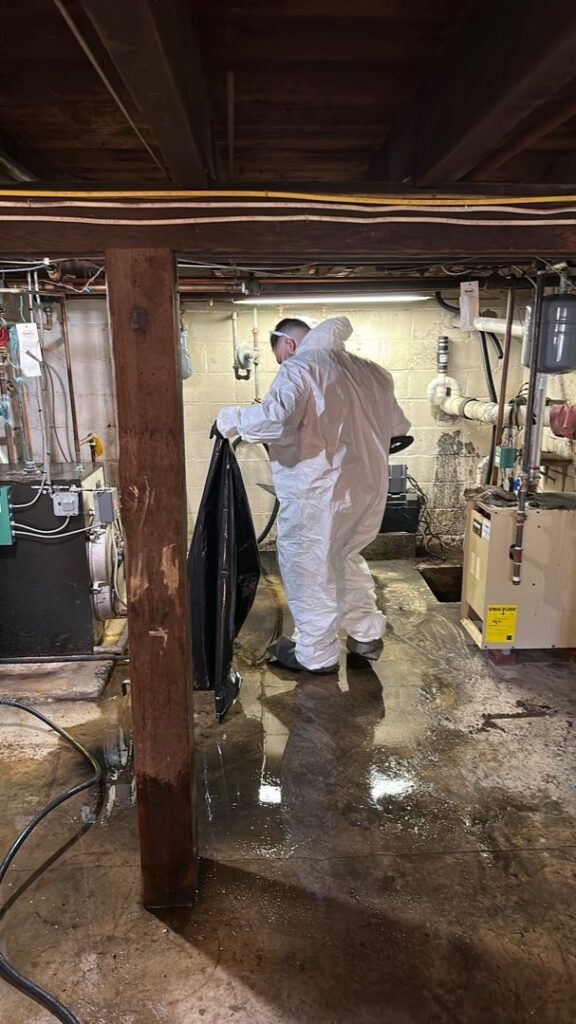
Local housing styles in the Greenfield and Indianapolis area include a mix of traditional single-family homes, ranch-style houses common in suburban developments, and historic homes in older neighborhoods. Many homes feature basements, which are particularly vulnerable to moisture accumulation after fire suppression efforts. The combination of basement moisture, high regional humidity, and fire damage residue creates an environment where professional moisture mapping, psychrometric monitoring, and antimicrobial biocide application are essential components of the restoration process.
The Professional Fire Damage Restoration Process
Step-by-Step Contents Evaluation and Removal
- Step 1: Safety Assessment — Certified technicians conduct a structural safety evaluation and air quality assessment using calibrated particulate counters and VOC meters.
- Step 2: Contents Inventory — All personal property is documented using photo and video evidence for insurance claims, with items categorized as restorable, cleanable, or non-restorable.
- Step 3: Toxic Item Removal — Non-restorable items including mattresses, upholstered furniture, and contaminated textiles are safely bagged in heavy-duty poly sheeting and removed from the structure.
- Step 4: HEPA Filtration — Portable HEPA air scrubbers with activated carbon filters are deployed to capture airborne particulates and neutralize odor molecules.
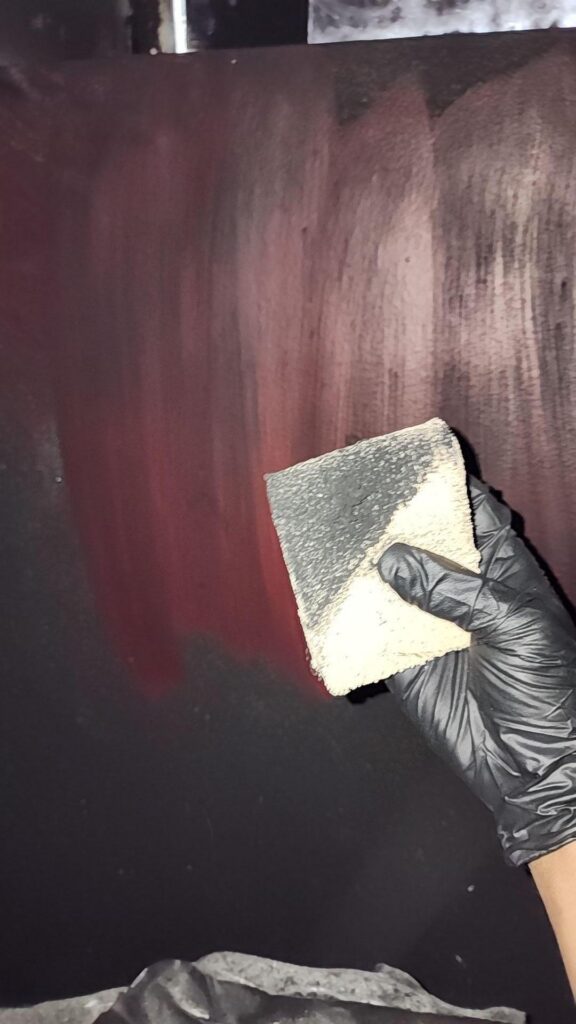
- Step 5: Surface Cleaning — Structural surfaces are cleaned using dry sponges, chemical sponges, and specialized cleaning agents formulated for smoke residue removal.
- Step 6: Thermal Fogging and Odor Neutralization — Thermal fogging equipment disperses deodorizing agents that penetrate porous materials at the same depth as smoke particles.
- Step 7: Moisture Mapping and Drying — Psychrometric readings guide the placement of commercial dehumidifiers and air movers to achieve target humidity levels below 60%.
- Step 8: Antimicrobial Application — EPA-registered antimicrobial biocides are applied to prevent secondary microbial growth on fire-damaged substrates.
- Step 9: Final Air Quality Testing — Post-remediation air sampling confirms that particulate levels, VOC concentrations, and microbial spore counts have returned to safe thresholds.
Frequently Asked Questions
Does home insurance cover the cost of replacing toxic items after a fire in Greenfield or Indianapolis?
Most standard homeowners insurance policies cover the replacement of personal property damaged by fire, including the items listed in this guide. Coverage typically falls under the “contents” or “personal property” portion of your policy. However, policy limits, deductibles, and specific exclusions vary. Document everything with photos before discarding items, and work with a restoration company that provides detailed inventory reports to support your claim. Some policies also cover additional living expenses if your home is uninhabitable during restoration.
Can I clean smoke-damaged items myself, or do I need professional help?
Surface cleaning of non-porous items such as glass, metal, and hard plastics can sometimes be accomplished with specialized cleaning agents. However, porous items including mattresses, upholstered furniture, and textiles should never be cleaned by homeowners. Without proper personal protective equipment, HEPA filtration, and knowledge of chemical residue behavior, DIY cleaning can spread contamination and expose you to carcinogenic compounds. Professional fire restoration technicians are trained in IICRC S500 and S520 protocols and have access to industrial-grade equipment that homeowners cannot rent or purchase.
How long do I have before fire damage residue becomes permanent?
The clock starts ticking immediately. Within the first 24 hours, acidic soot residue begins etching and discoloring surfaces. Within 48 to 72 hours, permanent staining can occur on metals, plastics, and painted surfaces. In Greenfield and Indianapolis, where humidity levels are consistently elevated, these timelines compress further because moisture accelerates chemical reactions between soot and building materials. Immediate professional intervention is the only way to prevent permanent damage and reduce restoration costs.
What should I do if my fire-damaged home has a basement?
Basements in the Greenfield and Indianapolis area are common and particularly vulnerable after fire damage. Fire suppression water, combined with the region’s high water table and clay-heavy soils, can lead to standing water and prolonged moisture retention. Basements require specialized water extraction, subfloor drying, and moisture barrier evaluation. Do not enter a flooded basement until electrical systems have been evaluated by a licensed electrician, as water and fire-damaged wiring create electrocution hazards.
Will my home ever smell normal again after a fire?
Yes, but only with professional odor neutralization. Smoke odor is caused by microscopic particles that penetrate deep into porous materials. Standard air fresheners, ozone generators used improperly, or surface cleaning will not eliminate the source. Professional restoration uses thermal fogging, hydroxyl generators, and activated carbon filtration to break down odor molecules at the chemical level. The process requires specialized equipment and trained technicians to achieve permanent results.
Call PuroClean Disaster Restoration for Immediate Fire Damage Assistance
If your home in Greenfield, Indianapolis, or the surrounding neighborhoods has suffered fire damage, do not wait to address toxic contamination. Every hour that passes allows soot residue to etch deeper into your home’s structure and personal belongings. PuroClean Disaster Restoration follows IICRC S500 and S520 standards to safely evaluate, remove, and restore your property.
Our certified technicians are available 24/7 for emergency response. We provide comprehensive contents evaluation, toxic item removal, HEPA air filtration, thermal fogging, moisture mapping, and antimicrobial treatment tailored to the unique climate challenges of central Indiana.
Call PuroClean Disaster Restoration now at (317) 467-4436 for immediate fire damage assessment and restoration services in Greenfield, Indianapolis, and surrounding communities.