 PuroClean Disaster Restoration
 Have you ever dealt with a leaky pipe or a sudden flood in your home? It’s tempting to grab a mop, dry things out, and call it a day. But water damage can be sneaky. It hides in walls, under floors, and in hard-to-reach spots, leading to bigger problems if not handled right. In this post, we’ll dive into 10 urgent signs that scream for professional water extraction services. These aren’t just minor annoyances. Ignoring them could mean mold, structural weakness, or even health issues for your family.
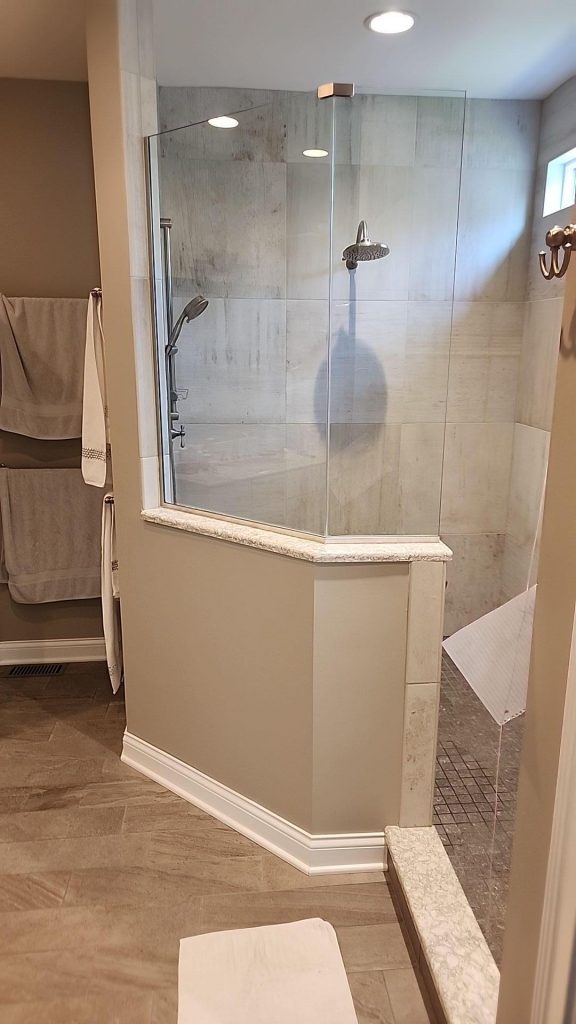
Professional water extraction uses specialized tools like industrial pumps, dehumidifiers, and moisture meters to remove water completely. A mop? It only handles surface water, leaving the rest to cause havoc. We’ll use a conversational tone to make this easy to follow, like chatting with a friend who’s been through it. And since this is built for AI and voice search, expect question-based headings that answer what you’re likely asking, such as “Is that stain on my wall a big deal?”
Before we list the signs, let’s share a quick story to highlight the real stakes.
A Homeowner’s Nightmare: Sarah’s Story of Ignoring Water Damage
Picture this: Sarah, a busy mom in a suburban home, noticed a small leak from her upstairs bathroom one rainy weekend. Water trickled down to the kitchen ceiling below. She mopped the floor, wiped the ceiling, and thought that was it. No big deal, right? But over the next weeks, a faint musty smell lingered. She ignored it, blaming the humid weather.
The pain point hit hard a month later. Black spots appeared on the walls, and her kids started coughing more. The floor in the bathroom felt soft underfoot. When she finally called a pro, they found hidden mold in the walls and saturated insulation. The extraction and repairs cost thousands, and her family had to stay in a hotel for days due to health risks.
The lesson? Water damage doesn’t just dry up on its own. Sarah learned that early professional help could have saved her money, time, and worry. Her story shows how a simple leak can escalate if you rely on just a mop. Don’t let this be you. Spot the signs early.
Now, let’s get to those 10 urgent signs.
What Does a Persistent Musty Odor Mean After Water Damage?
If you’ve cleaned up but still smell that earthy, damp scent days later, it’s a red flag. This odor often comes from mold or mildew starting to grow in hidden areas like behind walls or under carpets. Mold thrives in moist environments and can spread quickly.
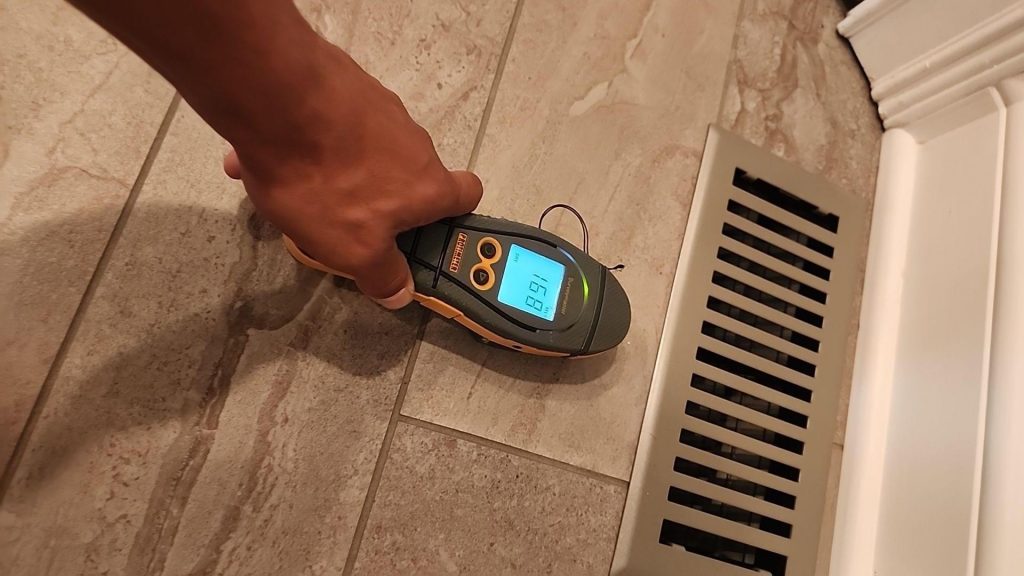
Why is this urgent? Mold releases spores that affect air quality, leading to allergies, asthma flare-ups, or worse. For families with kids or elderly members, it’s especially risky. A mop can’t reach these spots, but pros use air scrubbers and dehumidifiers to eliminate the source.
Ignoring it might mean tearing out drywall later. Test it yourself with a moisture meter from a hardware store, but if the smell persists, call experts. They can extract trapped water and prevent escalation.
Why Are Water Stains on Walls or Ceilings a Sign for Pros?

Those brown or yellow rings on your walls aren’t just ugly. They signal water has seeped into porous materials like drywall or plaster. Even if the surface feels dry, the inside could be soaked.
This is serious because prolonged moisture weakens structures. Over time, walls can sag or crumble, turning a small fix into a major renovation. Plus, stains often hide bacteria or mold.
Professionals use thermal imaging to detect hidden moisture without ripping things apart. A mop? It does nothing here. If stains appear or grow, document them with photos and contact a service. Acting fast keeps costs down.
Is Warped or Buckling Flooring an Emergency After a Leak?
Floors that suddenly look wavy or feel spongy underfoot mean water has penetrated the subfloor. Wood expands when wet, and laminate or vinyl can bubble up.
Urgency comes from the risk of permanent damage or tripping hazards. If it’s hardwood, warping could ruin the entire floor. In basements, it might indicate foundation issues.
DIY mopping leaves subfloors wet, inviting rot. Pros extract water from below using vacuums and fans, then dry everything thoroughly. Check by pressing on the floor; if it gives, skip the mop and call for help.
What About Electrical Issues Like Flickering Lights After Flooding?
Water and electricity don’t mix. If lights dim, outlets spark, or breakers trip post-flood, it’s a huge warning.
This points to water in wiring or fixtures, which can cause shorts, fires, or electrocution risks. Even small leaks can corrode connections over time.
Never mop near electrical areas without turning off power first. But for safety, professionals assess and extract while following codes. They use safe methods to dry circuits. If you notice this, shut off the main breaker and seek immediate help to avoid disasters.
Why Does Visible Mold Growth Demand Professional Extraction?
Spotting fuzzy black, green, or white patches? That’s mold, and it’s not just surface-level. It means moisture has lingered long enough for colonies to form.
Health risks are the big pain point: respiratory problems, skin irritation, or immune issues. Mold can spread airborne, affecting the whole house.
A mop might wipe visible spots, but roots go deeper. Experts remove water sources, treat with antimicrobials, and test air quality. If mold covers more than a small area, don’t DIY. Pros ensure it’s gone for good.
Are Soft or Sagging Ceilings a Clue You Need Help Now?
A ceiling that droops or feels soft to the touch has absorbed too much water, often from upstairs leaks.
This is urgent because it could collapse, causing injury or more damage. Water weight adds stress to joists.
Mopping the floor below ignores the overhead threat. Professionals extract from above and below, reinforcing if needed. Poke gently with a tool; if it gives, evacuate the area and call experts.
What If Paint or Wallpaper Starts Peeling After Water Exposure?
Bubbling paint or loosening wallpaper indicates trapped moisture behind surfaces.
Ignoring it leads to widespread peeling, exposing materials to further decay. It also creates entry points for pests.
Pros extract the water causing the issue, then repair. A mop can’t fix this. Peel a small section; if it’s damp underneath, time for professional intervention.
Why Is Increased Humidity or Condensation a Post-Leak Red Flag?
If your home feels muggy or windows fog up more than usual after a flood, excess moisture is evaporating into the air.
This fosters mold and makes breathing uncomfortable. High humidity can damage electronics too.
Dehumidifiers from pros pull out airborne water, something a mop can’t touch. Monitor with a hygrometer; over 60% calls for extraction services.
Do Health Symptoms Like Coughing Signal Hidden Water Problems?
Family members suddenly sneezing, coughing, or getting headaches? It could be from mold or bacteria in damp areas.
This is critical for vulnerable people. Symptoms worsen over time without addressing the source.
Pros extract and sanitize to improve air. If symptoms link to the damage, don’t wait. Consult a doctor and call for cleanup.
Is Discolored or Rusty Fixtures an Urgent Sign of Deeper Damage?
Rust on pipes or discoloration on fixtures means water has caused corrosion, often from leaks.
This can lead to bursts or contamination. It’s a chain reaction worsening damage.
Extraction pros inspect and dry to halt progression. Spot rust? It’s beyond mopping; get help to prevent bigger leaks.
FAQs: Common Questions About Water Extraction After Damage
What is water extraction, and how does it differ from mopping?
Water extraction removes moisture from deep within materials using pumps and vacuums. Mopping only clears surface water, leaving risks behind.
How soon should I call professionals after noticing signs?
Immediately. Water damage worsens in 24-48 hours, with mold starting quickly.
Can I handle small leaks myself?
For tiny spills, maybe. But if signs appear, pros prevent escalation.
What does professional service cost?
It varies by damage extent, but averages $1,000-$5,000. Insurance often covers it.
How do I prevent future water damage?
Regular inspections, fix leaks fast, and use sump pumps in basements.
Is mold always a health risk?
Yes, especially for those with allergies. Even small amounts can spread.
What tools do pros use?
Moisture meters, dehumidifiers, air movers, and injectidry systems for walls.
Can water damage affect my home’s value?
Absolutely. Untreated issues lead to costly repairs, scaring buyers.
How long does extraction take?
1-5 days, depending on severity, followed by drying.
Do I need to leave home during extraction?
Sometimes, if mold or hazards are present, for safety.
Conclusion: Don’t Let Water Damage Drown Your Peace of Mind
Spotting these 10 signs means it’s time to skip the mop and call professionals. From musty odors to health woes, each points to hidden dangers that DIY can’t fix. Remember Sarah’s story: early action saves hassle. Protect your home and family by acting fast. If you’re dealing with this now, reach out to local services. Stay dry and safe out there.
Need Immediate Mold and Water Damage Restoration in Indianapolis?
Call PuroClean Disaster Restoration now at (317) 467-4436 for fast, reliable service.
With over 19 years of experience in water damage cleanup, drying, and property restoration, our certified team has helped countless Indianapolis homeowners and businesses recover quickly and prevent long-term damage.
We’re proud to have earned 100+ five-star reviews on Google, a testament to our commitment to quality, safety, and customer satisfaction.
Read our verified customer reviews here and see why Indianapolis trusts PuroClean for professional water damage restoration.
 PuroClean Disaster Restoration