


Table of Contents
Introduction
Severe weather events such as heavy rainstorms, hurricanes, and snowmelt can lead to significant water damage in homes and commercial buildings. When left unaddressed, water damage can cause structural deterioration, mold growth, and a host of other costly issues.
Understanding how to respond effectively to weather-related water damage is crucial for property owners looking to restore their homes and prevent further damage.
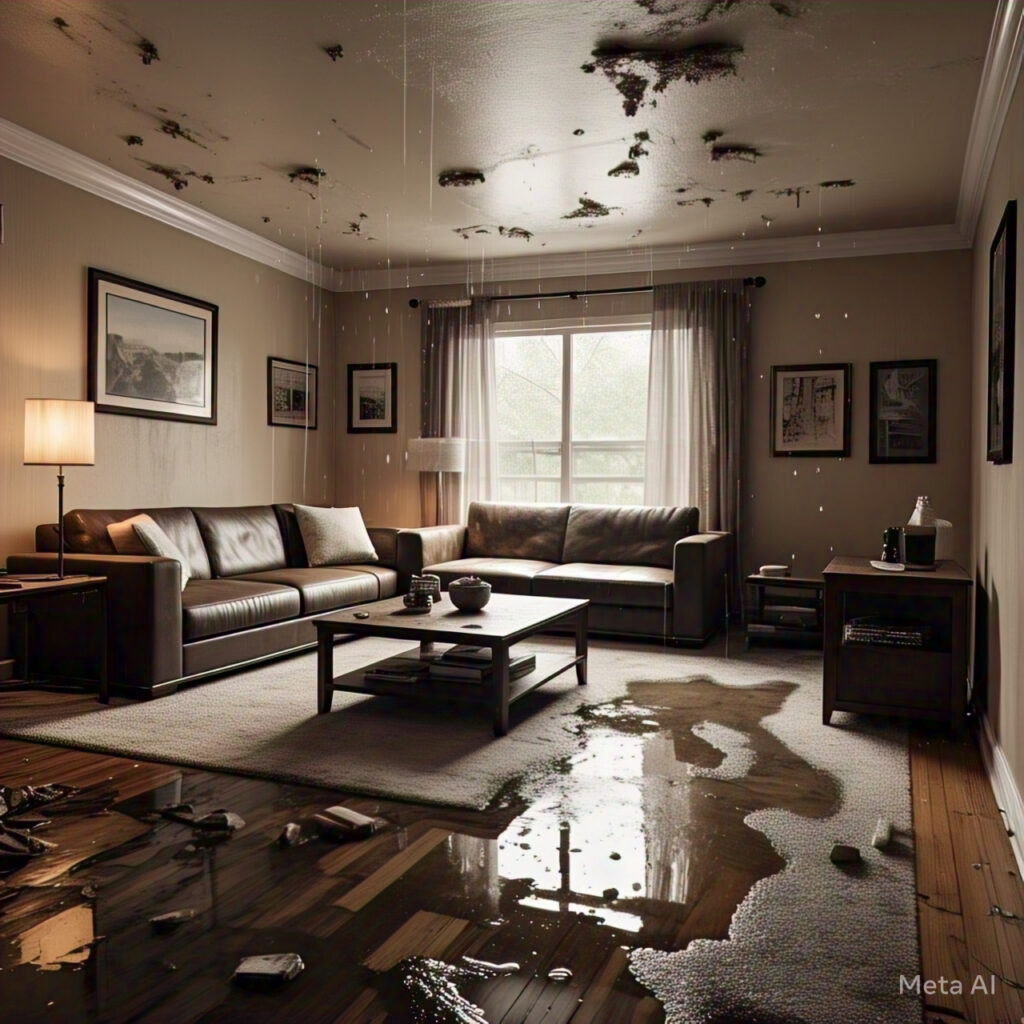
In this comprehensive guide, we will walk you through the water damage restoration process after weather-related incidents, covering essential steps, expert recommendations, and preventive measures to safeguard your property in the future.
Common Causes of Weather-Related Water Damage
These are the common major causes of weather related water damage for homeowners:
- Heavy Rainfall and Flash Floods – Excessive rain can overwhelm drainage systems, causing water to seep into basements and foundations.
- Hurricanes and Tropical Storms – These powerful storms bring strong winds and heavy rain, leading to roof leaks, broken windows, and widespread flooding.
- Snowmelt and Ice Dams – Rapid melting of snow can result in water infiltration, especially in poorly insulated homes.
- Tornadoes and Strong Winds – High winds can damage roofs, siding, and windows, allowing water to enter a building.
- Leaking or Burst Pipes – Freezing temperatures can cause pipes to burst, leading to severe water damage.

Immediate Steps to Take After Water Damage
When weather damage results in water infiltration, acting quickly is key to minimizing the impact. Here’s what you should do immediately:
1. Ensure Safety First
- Turn off the electricity if water has reached electrical outlets or appliances.
- Wear protective gear such as gloves and waterproof boots when assessing the damage.
- Evacuate if the structure is unsafe due to potential collapse risks.
2. Stop the Source of Water Infiltration
- If flooding is ongoing, identify and block further entry points if possible.
- If the roof is leaking, use tarps to cover damaged areas until repairs can be made.
- In case of a burst pipe, shut off the main water supply immediately.
3. Document the Damage for Insurance Claims
- Take clear photos and videos of the affected areas before starting cleanup.
- Record details of damaged furniture, flooring, and structural elements.
- Contact your insurance company promptly to file a claim.
Water Damage Restoration Process
Once immediate threats have been addressed, the restoration process begins. This involves professional intervention to restore your property and prevent long-term damage.
Step 1: Water Extraction
Removing standing water is the first and most crucial step. Restoration professionals use powerful pumps and vacuums to extract water from floors, carpets, and other surfaces.
Step 2: Drying and Dehumidification
- Dehumidifiers and industrial fans are used to remove moisture from the air and surfaces.
- Special equipment such as moisture meters helps detect hidden damp areas within walls and floors.
Step 3: Cleaning and Sanitization
- Water damage can introduce bacteria, mold, and foul odors. Professionals use antimicrobial treatments to disinfect affected areas.
- Upholstery, carpets, and personal belongings may need deep cleaning or replacement.
Step 4: Mold Prevention and Remediation
- Mold growth can begin within 24-48 hours of water exposure. To prevent this, drying and dehumidification must be thorough.
- If mold has already developed, remediation specialists use specialized treatments to remove mold spores and prevent regrowth.
Step 5: Structural Repairs and Restoration
- Damaged drywall, insulation, and flooring may need to be replaced.
- Roof and window repairs are essential to prevent future leaks.
- Structural reinforcements may be required for severely affected areas.
Professional vs. DIY Restoration: When to Call Experts
While minor water damage (e.g., small leaks) can be handled with household equipment, extensive damage requires professional restoration services. Consider hiring experts if:
- Water damage covers a large area or multiple rooms.
- There is visible mold growth or strong musty odors.
- Water has come into contact with electrical systems.
- The foundation, structural components, or insulation has been compromised.
- Contaminated water (e.g., sewage backup) is involved.
Preventive Measures to Reduce Future Water Damage
Preventing weather-related water damage is key to protecting your property in the long term. Here are some proactive steps you can take:
1. Maintain Your Roof and Gutters
- Inspect your roof for missing shingles or weak spots.
- Clean gutters and downspouts regularly to prevent blockages.
- Install gutter guards to minimize debris accumulation.
2. Improve Drainage Around Your Home
- Ensure the ground slopes away from your foundation to prevent water pooling.
- Install French drains or sump pumps in flood-prone areas.
3. Seal Windows and Doors
- Apply weather stripping and caulk to prevent leaks during storms.
- Consider impact-resistant windows for hurricane-prone areas.
4. Install a Backup Sump Pump
- A battery-powered sump pump ensures continued operation during power outages caused by storms.
5. Insulate and Protect Pipes
- Wrap pipes in insulation to prevent freezing and bursting in cold weather.
- Keep indoor temperatures stable to reduce the risk of pipe damage.

Conclusion
Water damage after severe weather can be devastating, but a prompt and effective response can prevent long-term destruction. By taking immediate action, employing professional restoration services when necessary, and implementing preventive measures, property owners can protect their homes and businesses from future water-related disasters.
For immediate assistance with Mold restoration, contact PuroClean Disaster Restoration, Call (+1) 317-467-4436 or (+1) 260-263-9788 for Fort Wayne location
If you’ve recently experienced weather-related water damage, consider consulting with a professional restoration company to ensure a thorough and effective recovery process. Investing in prevention today can save you from costly repairs in the future.