


Spring in Greenfield, Indianapolis, brings both beauty and risk. While many residents enjoy mild temperatures, seasonal wildfires in nearby areas can expose homes to hazardous smoke, even when the flames never touch local properties. Smoke damage is more than just a lingering odor—it penetrates surfaces, fabrics, and HVAC systems, potentially causing structural and health concerns.
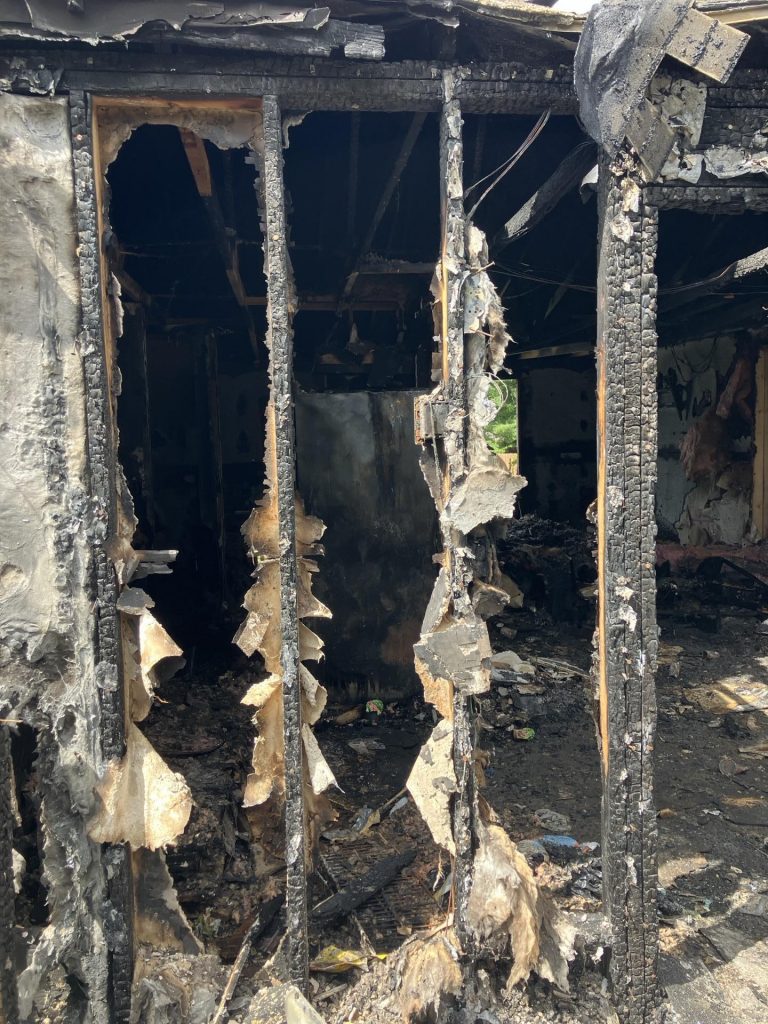
Understanding the Core Entity: Smoke and Fire Restoration
When addressing wildfire smoke damage, the primary service entity is residential smoke and fire restoration guided by IICRC S500 and S520 standards. These internationally recognized protocols provide a framework for assessing, mitigating, and restoring homes affected by fire, smoke, and associated water or chemical damage.
Key aspects include:
- Comprehensive damage assessment of walls, ceilings, and structural components
- Smoke particle identification to determine cleaning methods
- Odor neutralization using advanced chemical and thermal treatments
- Integration with mold prevention protocols when moisture exposure occurs
Step 1: Conduct a Thorough Home Inspection
Wildfire smoke leaves microscopic particulate matter that penetrates every surface. Professional inspection ensures no affected area is overlooked.
Inspection checklist:
- Examine all walls, ceilings, and floors for visible residue
- Assess HVAC systems for smoke contamination
- Evaluate fabrics, draperies, and upholstery
- Use moisture mapping tools to detect residual dampness that can lead to mold growth
- Identify areas with heavy deposition where antimicrobial biocide may be required
Local insight: Homes in Greenfield often feature brick exteriors with wooden interiors, which can trap smoke between surfaces, emphasizing the need for detailed inspection.
Step 2: Remove Contaminants Safely
Once inspected, the next step is the careful removal of smoke-laden debris. This step prevents secondary contamination and health risks.
Removal process:
- Dispose of heavily damaged materials according to local building codes
- Apply negative air pressure to contain dust and prevent airborne spread
- Clean surfaces with HEPA-filtered vacuums to capture microscopic particles
- Implement psychrometric controls to stabilize humidity, minimizing further smoke penetration
Tip: DIY cleaning may leave residual particles that continue to off-gas odors, making professional services crucial.
Step 3: Deep Cleaning and Surface Decontamination
After debris removal, all remaining surfaces must be decontaminated.
Techniques include:
- Wet cleaning with antimicrobial biocides for wooden and painted surfaces
- Specialized cleaners for porous materials like carpets and upholstery
- Thermal fogging to neutralize smoke odors embedded in structural materials
- HEPA-filtered air scrubbers to continually remove airborne smoke particles
Pro insight: Persistent odors often indicate deep contamination in hidden cavities; trained restoration technicians address these areas to prevent future issues.
Step 4: HVAC and Air Quality Restoration
Wildfire smoke infiltrates HVAC systems, spreading contaminants throughout the home. Ignoring this can prolong odors and health risks.
HVAC restoration steps:
- Dismantle and clean ductwork using HEPA vacuuming
- Apply antimicrobial coatings where mold or bacterial growth is possible
- Replace filters and consider ultraviolet germicidal irradiation (UVGI) for additional air purification
- Test indoor air quality to confirm contaminant removal
Regional factor: In Indianapolis, seasonal humidity can combine with smoke residues to promote mold growth in HVAC systems.
Step 5: Preventive Measures and Ongoing Monitoring
Restoration doesn’t stop at cleaning. Preventive measures ensure long-term home safety and air quality.
Prevention strategies:
- Apply sealants or protective coatings to walls and floors to inhibit smoke re-absorption
- Maintain stable indoor humidity using dehumidifiers
- Schedule periodic inspections to detect any lingering smoke or mold
- Educate residents on wildfire smoke risks and local building codes
Local tip: Homes in Greenfield often have older basements prone to humidity-related issues. Proactive moisture mapping reduces mold risk and safeguards family health.
Frequently Asked Questions
Does home insurance cover smoke damage in Greenfield, Indianapolis?
Most standard homeowners’ policies cover smoke damage caused by wildfires, but coverage may vary. It typically includes structural repairs and sometimes content replacement. Check for specific clauses about smoke inhalation or odor remediation.
How quickly should restoration begin after smoke exposure?
Immediate action is essential. Ideally, restoration should start within 24–48 hours to minimize particle embedding and prevent mold growth from moisture accumulation.
Are DIY cleaning methods effective for wildfire smoke?
DIY approaches can remove surface dust but rarely eliminate deeply embedded particulates. Professional methods aligned with IICRC S500/S520 standards ensure complete restoration.
What health risks are associated with lingering smoke?
Exposure to volatile organic compounds (VOCs), soot, and mycotoxins from secondary mold growth can trigger respiratory irritation, allergies, and other long-term health concerns.
Why Choose PuroClean Disaster Restoration in Greenfield, Indianapolis?
PuroClean provides certified smoke and fire restoration using the latest IICRC-aligned techniques. With advanced HEPA filtration, negative air pressure containment, psychrometric control, and antimicrobial biocides, they ensure homes are restored safely and efficiently.
Call now: (317) 467-4436 for immediate support and professional assistance. Protect your home, health, and peace of mind with trusted local experts.