Table of Contents
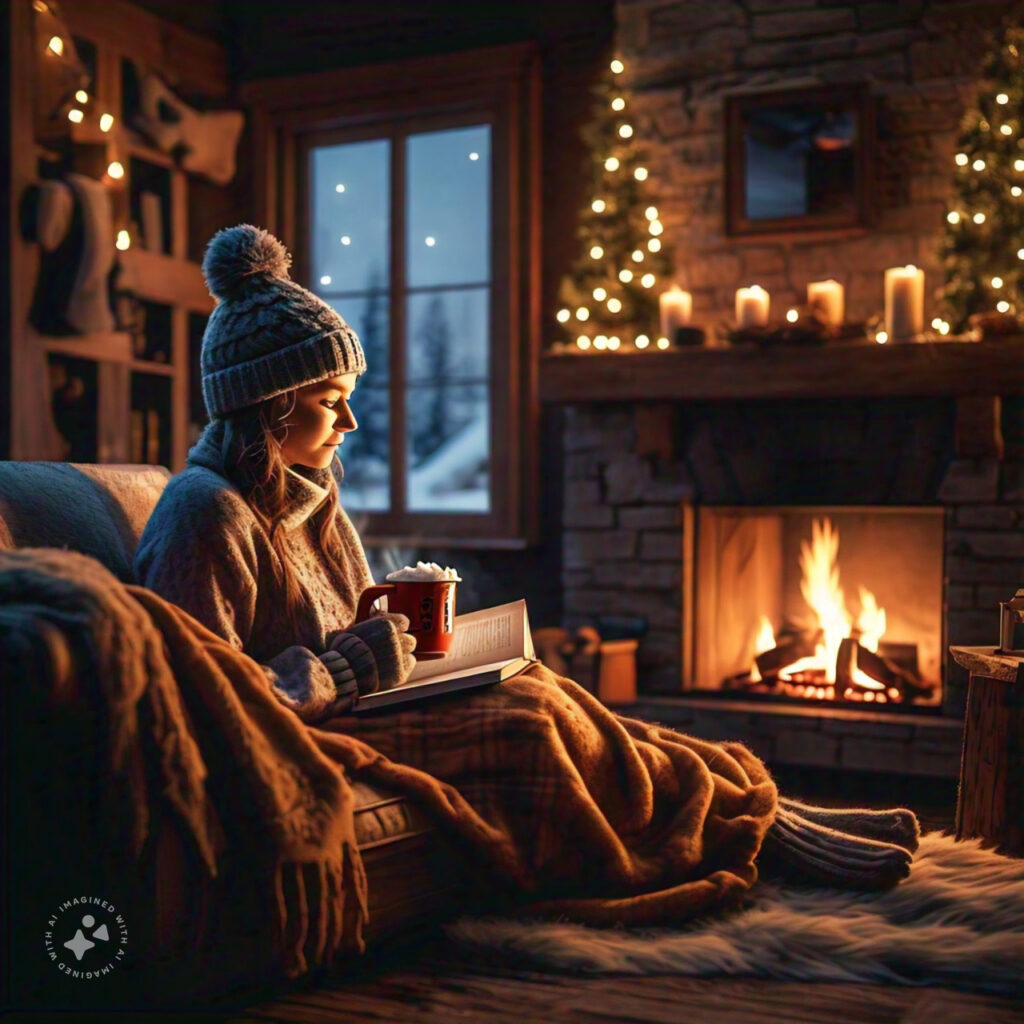
Winter brings cozy nights by the fireplace, the warmth of heaters, and holiday festivities. However, it also brings an increased risk of fire hazards and the potential for poor indoor air quality. Understanding how to prevent fires, restore your home after damage, and maintain healthy indoor air can keep your winter safe and comfortable.
Here’s a comprehensive guide to ensure your home stays safe and your air remains clean this season.
Winter Fire Risks To Prepare For
Common Winter Fire Hazards
- Heating Equipment: Space heaters, fireplaces, and central heating systems are leading causes of winter fires. Misuse or malfunction of these devices can quickly lead to disaster.
- Holiday Decor: Christmas trees, candles, and decorative lighting can pose fire hazards if left unattended or improperly installed.
- Cooking: With more indoor cooking during holidays, unattended stoves and grease fires become more common.
- Electrical Overload: Overloading outlets with holiday lights or heating devices can lead to electrical fires.
Prevention Tips for Winter Fire Hazards
- Keep flammable materials at least three feet away from heating sources.
- Never leave fireplaces, candles, or space heaters unattended.
- Ensure all electrical equipment is in good condition and does not overload circuits.
- Have chimneys and heating systems inspected annually.
Steps to Take After a Fire Accident
If your home experiences a fire, acting quickly is crucial to mitigate damage and restore indoor air quality.
Immediate Actions
- Ensure Safety: Once the fire is extinguished, ensure everyone is safe and the property is secure. Contact emergency services if needed.
- Contact Professionals: Reach out to a fire restoration company for immediate assistance in assessing and repairing damage.
Fire Restoration Process
- Assessment: Professionals evaluate the extent of fire, smoke, and water damage.
- Debris Removal: Burned materials and soot are removed to prepare the space for cleaning.
- Cleaning and Deodorization: Surfaces are cleaned, and smoke odors are neutralized using specialized equipment.
- Structural Repairs: Damaged structures are repaired or replaced.
For immediate assistance with fire damage restoration, contact PuroClean Disaster Restoration, Call (+1) 317-467-4436.
Indoor Air Quality Challenges After a Fire
Fires release harmful pollutants like carbon monoxide, soot, and volatile organic compounds (VOCs) into the air. Poor air quality can persist long after the fire is extinguished. You can check for your house air quality index online with this tool.
Health Risks of Poor Indoor Air Quality
- Respiratory issues like coughing, wheezing, and asthma.
- Eye, nose, and throat irritation.
- Headaches and fatigue.
- Long-term exposure can lead to chronic health conditions.
Restoring Indoor Air Quality Post-Fire
Tips for Improving Air Quality
- Ventilation:
- Open windows and doors to let fresh air in, weather permitting.
- Use exhaust fans to remove lingering smoke.
- Air Purifiers:
- Invest in a high-efficiency particulate air (HEPA) purifier to capture fine particles and VOCs.
- Change filters regularly for optimal performance.
- Professional Air Cleaning:
- Hire professionals to clean HVAC systems and ductwork. This removes soot and other contaminants that can circulate throughout your home.
- Remove Contaminated Materials:
- Replace carpets, drapes, and upholstered furniture that absorbed smoke.
- Use Non-Toxic Cleaning Products:
- Avoid harsh chemicals that can further degrade air quality. Opt for natural or non-toxic cleaning solutions.
How Prevent Indoor Air Quality Issues During Winter
Even without a fire, maintaining good indoor air quality during winter can be challenging. Homes are often sealed tightly against the cold, reducing ventilation and trapping pollutants indoors.
Tips to Maintain Healthy Air
- Monitor Humidity Levels:
- Keep humidity levels between 30-50% to prevent mold growth and reduce airborne irritants.
- Regular Cleaning:
- Dust and vacuum frequently using a vacuum with a HEPA filter to reduce allergens and particles.
- Use a Humidifier:
- If indoor air is too dry, a humidifier can add moisture, making breathing easier and reducing the risk of static electricity.
- Avoid Smoking Indoors:
- Tobacco smoke is a major indoor pollutant and should be avoided altogether.
- Green Your Space:
- Add indoor plants known for their air-purifying properties, such as snake plants or peace lilies.
Fire Prevention Tips for a Safe Winter
Fireplace Safety
- Install a fire screen to prevent sparks from escaping.
- Only burn seasoned wood to minimize creosote buildup in the chimney.
- Clean your chimney regularly to prevent blockages and fires.
Space Heater Safety
- Use space heaters with automatic shut-off features.
- Place heaters on flat, non-flammable surfaces, away from rugs and curtains.
Holiday Decor Safety
- Check lights for frayed wires or broken bulbs before use.
- Turn off holiday lights when you leave the house or go to bed.
- Keep live Christmas trees well-watered to prevent them from drying out and becoming a fire hazard.
When to Call a Professional
If a fire does occur, professional restoration services are essential. Companies like PuroClean specialize in:
- Comprehensive fire damage restoration.
- Air quality testing and remediation.
- Mold prevention from water used during firefighting efforts.
Hiring professionals ensures your home is restored safely and efficiently, with a focus on both structural repairs and health considerations.
Conclusion
Winter is a time for comfort and celebration, but it also requires vigilance to prevent fires and maintain indoor air quality. By taking preventative measures, acting quickly in the event of a fire, and focusing on air quality restoration, you can enjoy a safe and healthy winter season.
Remember, the key to staying safe is preparedness. Equip your home with fire extinguishers, smoke detectors, and carbon monoxide alarms, and never hesitate to call in professionals for fire restoration and air quality improvements.
Stay safe, stay warm, and breathe easy this winter!