


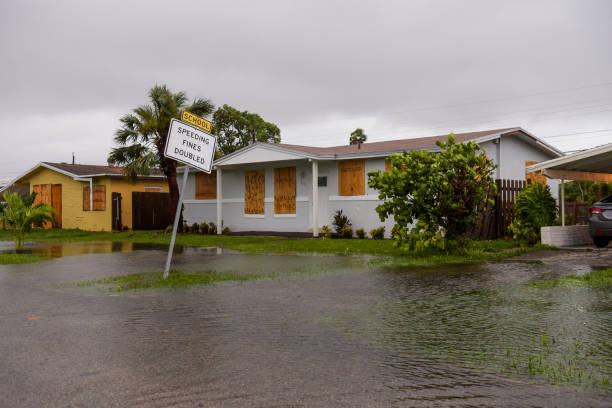
Miramar residents got some genuinely good news earlier this year: the city is actively working to lower flood insurance premiums, not just talking about flood risk in the abstract. This guide covers what that effort actually involves, why Miramar’s geography makes it worth paying attention to, and what water damage restoration in Miramar looks like when the inevitable happens anyway.
Why Miramar Is Rethinking Its Flood Risk Right Now
In May 2026, Miramar News reported that the Miramar City Commission took its first steps toward forming a permanent Floodplain Management Planning Committee — a move aimed at improving the city’s standing under FEMA’s National Flood Insurance Program Community Rating System (CRS). Miramar currently holds a Class 8 rating, which gives residents a 5% discount on flood insurance premiums. City officials have stated a goal of reaching Class 7 (a 10% discount) in the near term, with an eventual target of Class 5 — a 25% discount — within three to six years, according to city commission meeting records from July 2026.
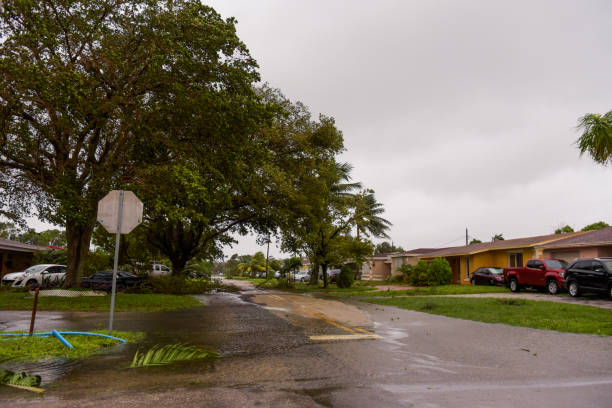
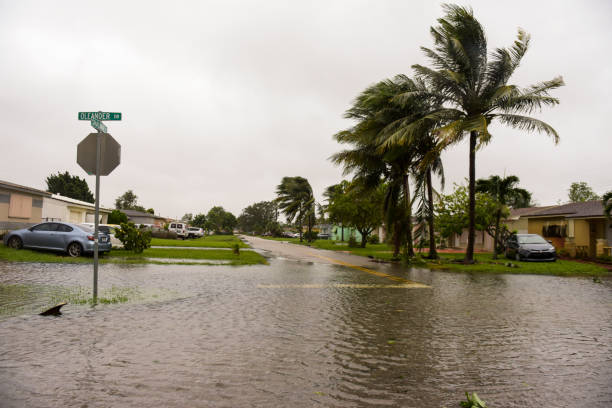
That’s not a small initiative. The city’s own draft Floodplain Management Plan lays out 15 specific mitigation actions, including continued work on the Historic Miramar Flood Mitigation project and C-9 canal outfall improvements aimed at reducing how long it takes water to recede after heavy rain. Real flooding is still part of the current picture, too — commissioners noted in a July 2026 meeting that residents in the Tropical Park area experienced ankle-deep flooding during a recent rain event, with staff directed to prioritize the worst-affected areas.
Why Miramar’s Geography Makes This Worth Watching
Miramar sits on flat terrain with a high water table, and relies on the C-9 canal system and Snake Creek Canal for drainage — infrastructure it shares with neighboring cities, but with its own set of pressure points. Broward County as a whole carries significant flood exposure: county-wide data shows 1,517 properties with multiple flood insurance losses, including 225 classified as severe repetitive loss, and $92 million in FEMA mitigation funding invested across 405 properties as of mid-2026. Miramar’s push to improve its CRS class is, in a real sense, a direct response to that county-wide exposure.
1. Understand What Your CRS Class Actually Means for You
A CRS discount applies automatically to flood insurance premiums for properties in participating communities — Miramar residents don’t need to apply for it individually, but it’s worth confirming with your insurance agent that your policy is reflecting the correct class as the city’s rating improves over the next few years.
2. Document Water Damage Thoroughly — It Helps More Than Just Your Claim
Photographing and reporting water damage isn’t just good practice for your own insurance claim. Consistent resident reporting also feeds into the kind of flood risk data that supports a city’s CRS rating improvements over time, since part of the CRS scoring system rewards documented outreach and preparedness efforts.
3. Know the Difference Between Water Damage and Flood Damage Coverage
Standard homeowners insurance generally covers sudden, accidental water damage — a burst pipe or appliance failure — but not flooding from rising water like canal overflow or storm surge. That requires separate flood insurance through the NFIP or a private carrier (FEMA — Flood Insurance). Even as Miramar’s CRS class improves the cost of that separate flood policy, it doesn’t replace the need for one.
4. Get Professional Extraction and Drying Fast, Regardless of Insurance Status
Whatever your coverage situation, the physical reality doesn’t change: standing water needs to be extracted and the structure dried within days, not weeks, to avoid secondary mold growth. Certified water damage restoration in Miramar starts with moisture mapping and proper dehumidification — not just visible cleanup.
5. Certified Restoration Records Support Property Value, Not Just Claims
For a city actively working to improve its flood profile, individual properties with a documented history of proper, certified water damage restoration — rather than DIY patch jobs — are in a stronger position both for future insurance underwriting and for resale, since buyers and their agents increasingly ask about past water damage history in flood-exposed areas.
Residential and Commercial Properties Both Benefit From This Effort
Miramar’s CRS rating improvements and drainage infrastructure investments affect flood insurance costs for commercial properties as well as homes. Offices, retail centers, and industrial buildings along the city’s canal-adjacent corridors face the same C-9 and Snake Creek Canal drainage exposure as residential neighborhoods, meaning Miramar commercial properties follow the same certified process as residential work, scaled for larger square footage and business-continuity needs.
Frequently Asked Questions
What is Miramar’s current CRS flood insurance rating? As of 2026, Miramar holds a Class 8 rating under FEMA’s Community Rating System, giving residents a 5% flood insurance discount, with a stated city goal of reaching Class 7 in the near term and Class 5 within three to six years.
Does a better CRS rating mean I don’t need flood insurance? No. A higher CRS class lowers the cost of flood insurance premiums for participating communities, but it doesn’t replace the need for a separate flood policy — flooding remains excluded from standard homeowners insurance.
Why does Miramar flood in the first place? Miramar’s flat terrain, high water table, and reliance on the C-9 canal system and Snake Creek Canal for drainage create conditions where heavy rainfall can outpace what the drainage system can move, particularly in low-lying areas like Tropical Park.
How fast should I get water damage restoration after a flood in Miramar? As soon as possible. Standing water needs professional extraction and structural drying within days to prevent secondary mold growth, regardless of your insurance situation.
Does this affect commercial properties too, or just homes? Both. Commercial properties in Miramar’s canal-adjacent areas face the same drainage exposure as residential properties and can also benefit from the city’s CRS rating improvements on their flood insurance costs.
Get Certified Water Damage Restoration in Miramar
Whether you’re dealing with water damage right now or want to understand how Miramar’s flood insurance changes affect your property, PuroClean of Hallandale Beach provides certified water damage restoration for residential and commercial properties throughout Miramar — coincidentally, right in our own backyard.
- IICRC-certified technicians trained in structural drying and moisture remediation
- 35+ years of insurance claims experience, backed by founder Shawntel Jackson’s background in insurance claims and risk management — especially valuable while Miramar’s flood insurance landscape is actively changing
- 24/7 emergency availability for both residential and commercial properties throughout Miramar
Don’t wait for water damage to compound while insurance questions get sorted out. Call PuroClean of Hallandale Beach at (754) 263-0203 for certified water damage restoration today.
Related Reading
More from PuroClean of Hallandale Beach:
- Water Damage Restoration Hallandale Beach: 5 Hidden Risks Your Condo’s Milestone Inspection Might Reveal
- Flood Damage Restoration in Pembroke Pines: 5 Proven Fixes — a useful contrast: Pembroke Pines’ chronic canal-drainage flooding vs. Miramar’s insurance-focused mitigation approach
- Storm Damage Restoration Near Me: Why Local Response Time Saves You Money
From PuroClean’s national resources:
Available 24/7/365 | IICRC Certified | (754) 263-0203 | Contact Us Online | Google Business Profile