 PuroClean of Hendersonville
Every homeowner in the greater Nashville area—from Hendersonville to the rolling hills of Green Hills—knows the unsettling sound of a major storm rolling in. The rapid downpours, strong winds, and occasional severe weather events common to Middle Tennessee pose a constant threat of water intrusion, which can quickly turn a beautiful home into a nightmare of costly damage. Proactive preparation is not just smart; it’s essential property preservation. That’s where effective water mitigation comes into play.
Water mitigation is the critical process of preventing further damage after water intrusion or, even better, taking steps to prevent the intrusion in the first place. As your trusted, local water mitigation company serving Hendersonville, Cottontown, Gallatin, Goodlettsville, and all surrounding cities, Puroclean of Hendersonville is committed to helping you safeguard your most valuable asset. This comprehensive guide details the preventative and preparatory steps you can take today to ensure your home is ready to weather any storm, minimizing the risk of expensive water damage repair down the line.
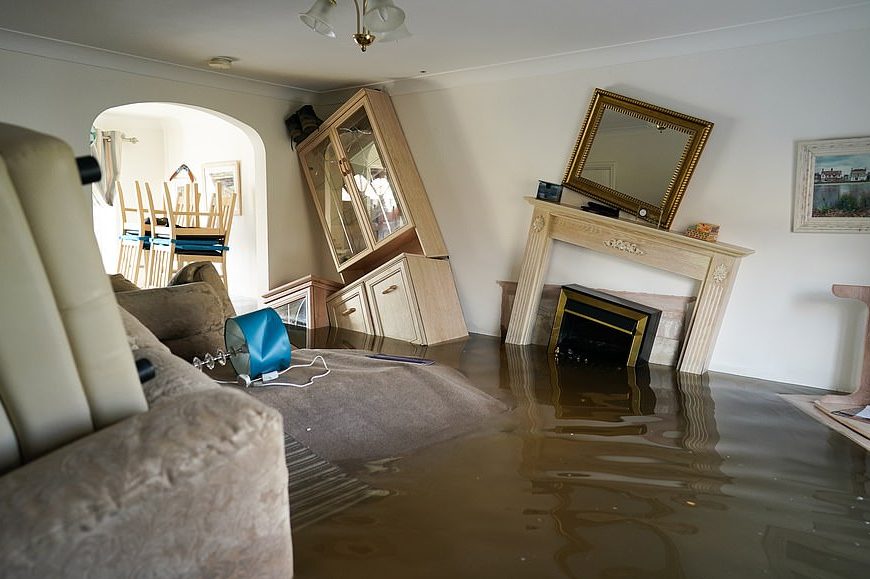
Understanding the Difference: Mitigation vs. Restoration
Before diving into the tips, it’s crucial to understand the language of property care. Many people use the terms interchangeably, but they are distinctly different phases of the recovery process.
- Water Mitigation: This is the immediate action phase. It’s about preventing more damage. Examples include tarping a roof, boarding up a broken window, or the process of industrial drying to stop mold growth after a flood. It is an emergency response designed to stabilize the property and reduce the total loss.
- Water Damage Restoration: This is the repair phase. It involves replacing, rebuilding, and restoring the property to its pre-loss condition once the structure is dry. This includes things like installing new drywall, replacing flooring, and painting.
READ ALSO: Wet Drywall Repair: What To Do When You Have Wet Drywall in Hendersonville, TN
By prioritizing strategic, preventative water mitigation, you drastically reduce the scope and cost of the future water damage restoration Hendersonville work, securing a faster return to normalcy.
Section 1: Exterior Water Mitigation: Controlling the Flow from Roof to Ground
The vast majority of home water damage starts with external water intrusion, rain, melting snow, or excessive runoff that finds a weak point in your home’s envelope. These tips focus on the outside defenses that are non-negotiable for water mitigation that Green Hills homeowners must prioritize.
1. The Gutter and Downspout Patrol
Gutters are your home’s primary defense against water pooling around the foundation. In the Hendersonville area, clogged gutters are a leading cause of foundation and siding damage.
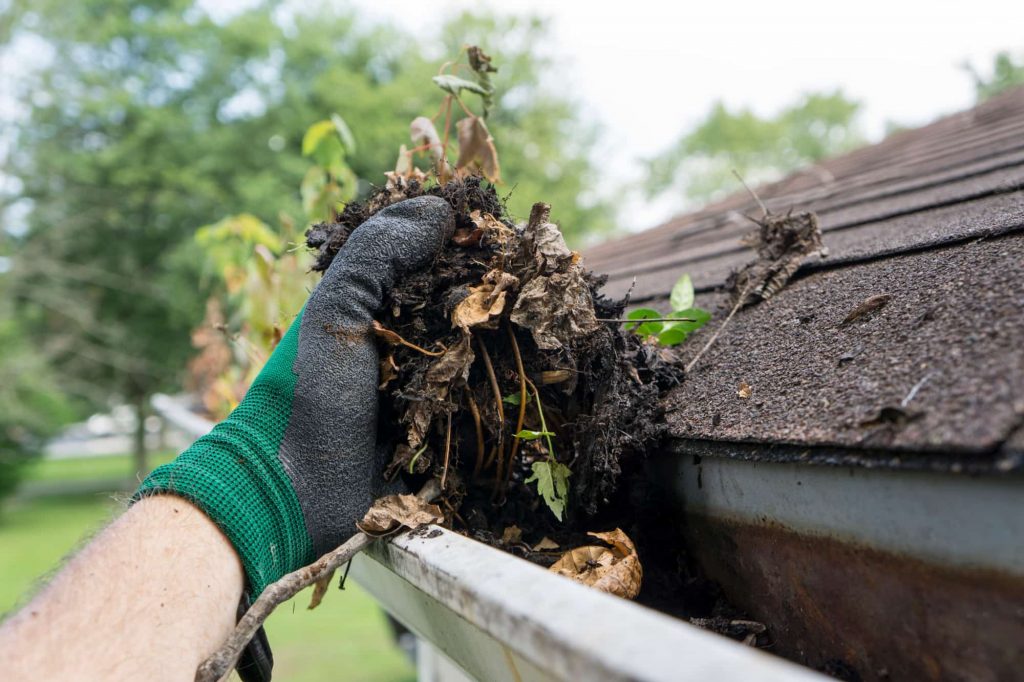
- Clean Out Completely: Perform a thorough cleanout at least twice a year, especially after heavy leaf fall. Clogged gutters cause water to spill over and pool against your siding, leading to rot and foundation cracks.
- Extend Downspouts: Critically, downspouts must discharge water at least five to ten feet away from the foundation. If you are on a slope in Lakewood or Ridgetop, ensure the water is diverted downhill, away from your home and neighboring properties. Investing in plastic extensions is a small, cheap form of water mitigation.
- Fix Leaks: Repair any seams that are leaking. A stream of water shooting out the middle of a downspout is water not being directed away from your home.
2. Inspect and Maintain the Roof (The First Line of Defense)
Your roof is constantly exposed to the elements. Small issues, like a single missing shingle, can lead to severe water leak restoration issues.
- Shingle and Flashing Check: Before storm season, visually inspect your roof (safely, from the ground or a secure ladder) for loose, cracked, or missing shingles. Pay special attention to the flashing around vents, chimneys, and skylights. These are prime areas where water penetrates.
- Tree Trimming: Trim back any tree limbs hanging over the roof. High winds in Gallatin, Tennessee, can cause branches to scrape the roof, leading to abrasion and shingle failure, or worse, fall and cause massive, immediate damage that requires urgent water and flood restoration.
3. Grading and Drainage Around the Foundation
Proper grading ensures that gravity is your friend, not your enemy. This is vital, particularly in areas like Cottontown where soil composition can shift.
- Slope Away: The ground around your foundation should slope away from the house at a rate of at least six inches for every ten feet. If you see water pooling right next to your foundation, you need to add fill dirt to correct the grade.
- A/C Condensate Line: Ensure the condensation line from your HVAC unit drains away from the foundation. Constant dripping in one spot will saturate the soil and find its way into your basement water cleanup area.
Section 2: Interior Water Mitigation: Protecting What’s Inside
Internal systems—plumbing, appliances, and moisture buildup—are the sources of non-storm-related water damage. These require regular, proactive checks.
4. Inspect Plumbing and Appliances Annually
Slow leaks from plumbing or appliances can lead to widespread, insidious damage that often goes unnoticed until mold appears.
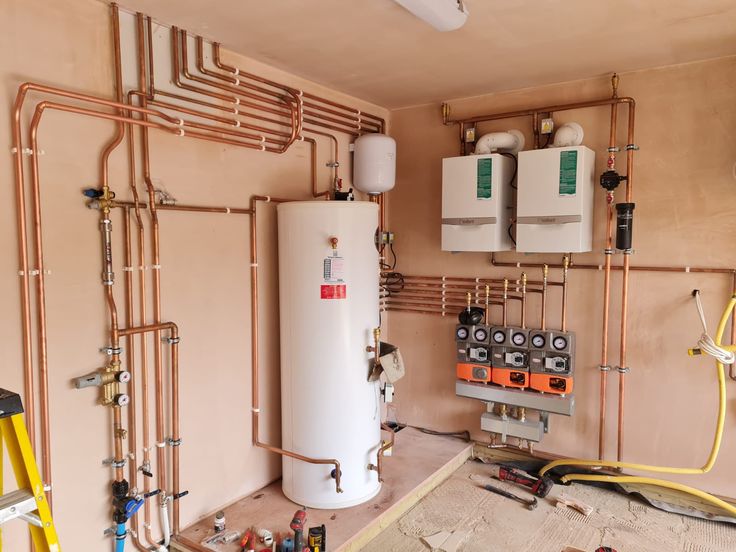
- Hot Water Heater: Know the age of your water heater. Most have a lifespan of 8–12 years. If yours is older, consider replacing it before it fails catastrophically. Always place the unit in a drain pan connected to a drain, if possible.
- Supply Lines: Check the flexible supply lines to dishwashers, washing machines, and toilets. Replacing older, rubber or plastic hoses with braided stainless steel hoses is one of the cheapest and most effective forms of water mitigation.
- Sinks and Tubs: Look under sinks for any signs of water stains on the cabinet base. Check the caulking around tubs and showers annually and reapply as needed to prevent water from seeping into walls and floors, which can turn into a serious home water damage restoration problem.
5. Basement and Crawl Space Vetting
The lower levels are the most vulnerable, especially for homes built on a slab or with partial basements in areas like Goodlettsville.
- Sump Pump Maintenance: If you have a basement, your sump pump is a lifeline. Test it every three months by pouring water into the pit to ensure the float switch works. Check the discharge pipe to ensure it’s not clogged. A failed sump pump is a primary cause of water removal from basement emergencies.
- Vapor Barriers: In crawl spaces, ensure the plastic vapor barrier is intact and covers the soil completely. This prevents ground moisture from evaporating and condensing on wood framing, leading to mold and decay.
- Window Wells: Clean out leaves and debris from window wells and ensure the drains are clear. Consider covers to prevent water from accumulating during heavy rain.
6. Managing the Kitchen and Laundry Zones
These two rooms contain the highest volume of water and the most failure-prone appliances.
- Refrigerators/Ice Makers: Pull out the fridge annually to check the ice maker line, which is notorious for slow, damaging leaks.
- Washing Machine Hoses: As mentioned, replace old hoses. Also, turn off the water supply valves when you leave for an extended vacation. A burst line while you are away can lead to a total loss situation, requiring massive residential water restoration.
Section 3: The Role of Professional Water Mitigation and Preparedness
While the preventative steps above are crucial, even the best preparation can be overwhelmed by a severe storm, especially in low-lying areas or flood zones. This is when having a trusted water mitigation contractor like Puroclean of Hendersonville on standby is essential.
7. Preparing for Evacuation and Emergency Response
If a flood warning is issued for your area, or if you plan to be away during a storm, take these final steps.
- Elevate Valuables: Move electronics, heirloom furniture, and important documents (passports, insurance papers) off the floor, especially in basements and ground-floor rooms.
- Shut Off Utilities: If you anticipate serious flooding or are asked to evacuate, turn off the main water valve and the main electrical breaker. This prevents catastrophic appliance damage or dangerous electrical hazards when the water rises.
- Emergency Contact List: Keep the number for Puroclean of Hendersonville readily available (615) 348-7200. When you need urgent 24/7 water damage restoration, you don’t want to be searching for a “best water damage restoration company.” Just Call!
8. Understanding Insurance and Professional Partnership
We often help homeowners navigate the aftermath of a flood. A proactive conversation with your insurer can be an important form of water mitigation.
- Review Flood Coverage: Standard homeowner’s policies do not cover rising floodwaters. Review your policy and consider a separate NFIP (National Flood Insurance Program) policy if you are in a high-risk area.
- Choose Your Contractor: When you have a loss, your insurance company will often recommend a vendor. Remember, you have the right to choose your water restoration contractor. Choosing an established, local company like ours ensures faster response times and local accountability. We are known for working seamlessly with all major insurance carriers.
9. Proactive Property Inspection: Your Hidden Defense
As experts in water mitigation near you, we offer proactive property inspections that look for the risks you can’t easily see.
- Thermal Imaging and Moisture Mapping: We use specialized equipment to check for elevated moisture levels in walls, ceilings, and floors that indicate a slow, hidden leak. This preventative service can catch a small problem (e.g., a pinhole pipe leak) before it becomes a massive, costly house water damage restoration project.
- Attic Ventilation Checks: Proper attic ventilation and insulation prevent condensation—the silent killer of drywall and insulation. We ensure your roof vents are clear and your insulation isn’t compressed or wet.
Section 4: Local Scenarios and Real-World Water Mitigation Success
In Middle Tennessee, we see specific issues that require our local knowledge and expertise.
- The Freeze-Thaw Cycle: Winter in areas like Graball can see temperatures swing wildly. This cycle puts intense pressure on exterior pipes, leading to bursts. Our preventative water damage restoration service tips include ensuring all exterior spigots are drained and supply lines are insulated before the first deep freeze.
- Storm Runoff in Steep Areas: In areas of Green Hills with steep yards, heavy rain can turn into a flash flood washing directly toward basement windows. We advise on temporary diversion measures, such as sandbag placement or the installation of French drains, as part of comprehensive water and flood restoration planning.
The bottom line is that prevention is always cheaper than restoration. Investing a few hundred dollars and a weekend into proactive water mitigation can save you thousands in repairing water damage and the headache of dealing with a mold remediation scenario.

Frequently Asked Questions (FAQs) for Nashville-Area Homeowners
Q1: What is the single most effective, low-cost water mitigation step I can take?
A: The most effective, low-cost step is ensuring your gutters and downspouts are clean and extended at least 5 to 10 feet away from your foundation. This immediately diverts thousands of gallons of water away from your basement and foundation during a heavy rain event, drastically reducing the risk of a flooded basement repair.
Q2: If I find a leak, should I call a plumber or a water mitigation company first?
A: Call a plumber only to stop the source of the leak (e.g., fix the pipe). Call Puroclean of Hendersonville, your local water mitigation company near me, immediately after to handle the cleanup, extraction, and drying. A plumber fixes the pipe; we save the structure and prevent mold. You need both, but mitigation is time-sensitive.
Q3: How do I know if I have a hidden leak in my walls?
A: Signs of a hidden leak include musty odors (the smell of mold), bubbling or peeling paint, warped baseboards, or a sudden, unexplained spike in your water bill. If you suspect a hidden leak, contact us immediately. We use non-invasive thermal imaging and moisture meters to pinpoint the source without tearing down walls unnecessarily.
Q4: When should I worry about mold after a water leak?
A: Mold can begin to grow on wet materials within 24 to 48 hours. This is why immediate water mitigation is crucial. If the water damage is not professionally dried and cleaned within that window, mold remediation becomes a high probability. Our structural drying protocols eliminate the moisture needed for mold growth.
Q5: Does a slow, dripping leak require professional water mitigation?
A: Yes. A slow, dripping leak is often more damaging than a sudden flood because it goes unnoticed. It saturates materials over weeks or months, leading directly to structural decay and extensive mold growth in areas like Millersville or Shackle Island. It requires professional services to dry the saturated materials and confirm the structure is safe.
Your Proactive Partner in Water Mitigation and Property Safety
The peace of mind that comes from knowing your home is protected is invaluable. At Puroclean of Hendersonville, we don’t just react to disasters; we help you prevent them. Our expertise in water mitigation means we see the risks before they become reality.
Don’t wait until the next thunderstorm warning lights up your phone. Take action now to implement these defensive strategies. And if the unexpected happens, remember that our local experts are on call 24/7, ready to provide rapid, professional flood and water restoration to the entire Nashville area, ensuring your property is secure, dry, and safe.
Protect Your Home Today. Call Puroclean of Hendersonville for an Inspection or Emergency Service.
Your Trusted Local Partner for Water Mitigation and Restoration.

 PuroClean of Hendersonville