


When disaster strikes and your home becomes uninhabitable, you could face unexpected costs beyond the repairs themselves. This is where Additional Living Expenses (ALE) come into play. These expenses can cover the extra costs you incur while living away from your home during the restoration process, ensuring that you’re not financially burdened during this challenging time. But what exactly are additional living expenses, and does your insurance policy include this valuable coverage?
What Are Additional Living Expenses?
Additional living expenses refer to the costs that arise when you are forced to live elsewhere because your home is damaged due to a covered peril, like fire or water damage. These expenses go beyond your usual living costs. If you normally spend $1,500 a month on rent or mortgage payments, ALE could cover the extra cost if you need to stay in a hotel or rental while your home is being repaired. The purpose of ALE is to ensure you maintain your normal standard of living, even if you’re displaced.
Key Components of Additional Living Expenses Coverage
Here’s a breakdown of what additional living expenses may cover:
- Temporary Housing: If your home is deemed uninhabitable, ALE will cover the cost of temporary housing, whether it’s a hotel, rental home, or apartment, depending on the duration of the restoration. This can be one of the most significant parts of ALE coverage.

- Increased Living Expenses: While you are living away from home, ALE can also cover additional costs that you wouldn’t typically incur, such as meals at restaurants (if you don’t have access to a kitchen), laundry services, and increased transportation costs. Keep in mind that ALE only covers the excess amount you’re spending compared to your regular budget. For instance, if you usually spend $500 a month on groceries but end up spending $700 on eating out, ALE may cover the $200 difference.
- Coverage Limit: ALE coverage is typically subject to a limit, either a fixed dollar amount or a percentage of your dwelling coverage. This means there’s a cap on how much your insurer will pay for these additional expenses, so it’s crucial to check your policy to understand the limits.
- Covered Perils: It’s important to note that ALE only kicks in if the damage to your home was caused by a peril covered by your home insurance policy. For example, if your policy covers fire and your home suffers significant fire damage, ALE will help. However, if your home is damaged by something that’s not covered, like a flood in an area where flood insurance is required but not purchased, ALE won’t apply.
When Should You Consider Leaving Your Home?
Deciding whether to stay in your home during repairs or leave depends on several factors, including the severity of the damage and the advice of your restoration company. Here’s a closer look at some common scenarios where additional living expenses might be needed:
Fire Damage
In cases of fire damage, it’s often advisable to leave your home temporarily, especially if the fire is extensive. Even after the flames are extinguished, the aftermath can present hazards such as smoke, soot, and toxic fumes like carbon monoxide. The restoration process may involve sealing smoke odors, cleaning up dangerous chemicals, and conducting structural repairs, making your home unsafe to occupy.
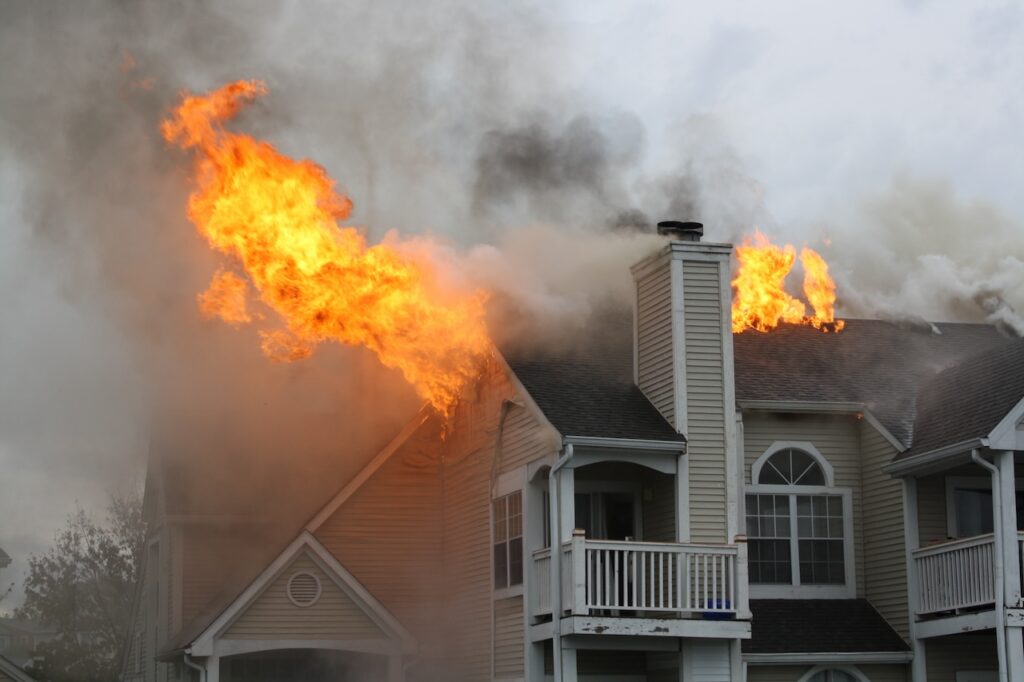
Consider leaving if: There is extensive fire or smoke damage, lingering odors, or if your home requires significant structural repairs.
Water Damage
Water damage can range from mild to severe, but if your home experiences extensive flooding or sewage or gray water contamination, staying put may be unsafe. According to the U.S. Environmental Protection Agency, mold can grow on multiple surfaces, including wood and carpet, if it remains wet for over 24 hours. By inhaling mold, you can get extremely sick. Flood water may also contain bacteria and chemicals that can affect your health.
Consider leaving if: There is significant flooding, electrical hazards, or contaminated water, which could pose health risks to you and your family.
Minor vs. Major Damage: General Guidelines
If the damage to your home is relatively minor and confined to a small area, and the restoration team is able to section off the affected area with minimal disruption to your daily life, you may be able to remain in your home during the repairs. However, if the damage is more severe and affects a large portion of your home or poses health and safety risks—like toxins, mold, or electrical dangers—it’s generally safer to leave and let the experts handle the situation.
Minor Damage:
- The restoration area is small.
- Minimal disturbance to your daily routine.
- No health or safety risks (toxins, mold, etc.).
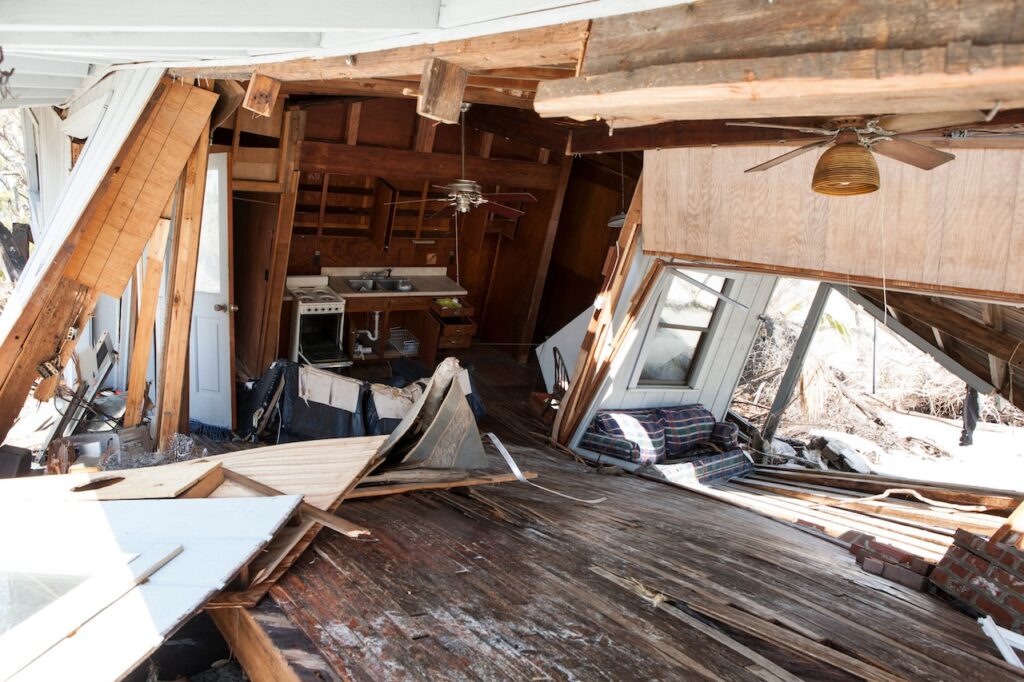
Major Damage:
- Significant portions of your home are damaged.
- Health risks like hazardous chemicals, smoke, or mold.
- Structural damage requiring extensive repairs.
Is ALE Included in Every Insurance Policy?
Not every home insurance policy includes ALE coverage, so it’s crucial to check your specific plan. If ALE is included, be sure to understand the coverage limits and what specific expenses are covered. If it’s not included in your policy, consider adding it, especially if you live in an area prone to natural disasters or other risks.
Additional living expenses coverage provides an essential safety net, ensuring that you’re not financially burdened when your home is uninhabitable due to a covered peril. Whether you need temporary housing, help with extra meals, or coverage for other unforeseen costs, ALE offers peace of mind during a stressful time.
However, it’s critical to review your insurance policy to confirm if ALE is included and understand its limits. If your policy doesn’t cover ALE, it may be worth considering as an added layer of protection for your home and finances.
Call PuroClean of Central Southwest Houston for Professional Fire Damage Restoration Services
If you’re facing fire damage and need property restoration services in Houston and the surrounding areas, turn to PuroClean of Central Southwest Houston. Our dedicated team of experts specializes in efficient and effective fire damage restoration to help you recover as quickly as possible and return home. Contact us today at (832) 856-5900 to learn more about our services. Let us assist you in restoring your property and your peace of mind!