


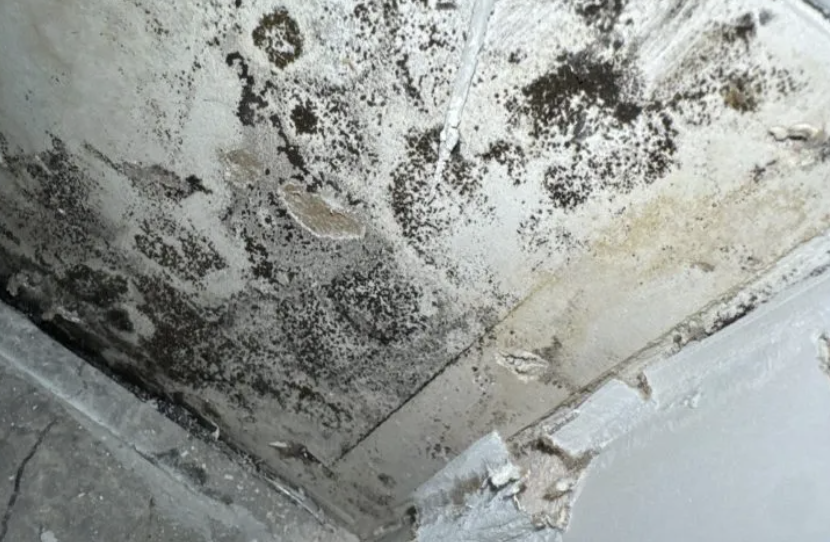
Yes. Roof leaks are one of the leading causes of attic mold in Houston homes. Even small leaks can introduce enough moisture to support mold growth on roof decking, rafters, trusses, insulation, and other attic materials. Houston’s humid climate can accelerate mold development once moisture enters the attic space.
Need Professional Attic Mold Removal?
Table of Contents
How Roof Leaks Cause Attic Mold
Whenever water enters an attic through a damaged roof, flashing failure, vent penetration, or storm-related opening, moisture can become trapped inside the attic structure. Wood framing and roof decking absorb moisture, creating conditions that allow mold colonies to develop.
Many roof leaks go unnoticed because they occur above insulation or in areas homeowners rarely inspect. As a result, mold may develop long before visible ceiling damage appears inside the home.
Why Houston Homes Are Vulnerable
Houston presents a unique environment for mold growth. High humidity, severe thunderstorms, hurricanes, and extended rainy periods all increase the likelihood of moisture intrusion.
Even after a roof leak stops, elevated humidity can keep affected materials damp for extended periods. This combination of water intrusion and humidity often accelerates mold growth inside attic spaces.
Many Houston homeowners discover attic mold after:
- Major storms
- Hurricane season
- Roof replacement projects
- Home inspections
- Insurance claims
- Persistent musty odors
Signs a Roof Leak May Be Causing Mold
Several warning signs may indicate that a roof leak has contributed to attic mold growth.
- Musty odors in the home
- Dark staining on roof decking
- Visible mold growth on attic framing
- Water stains on ceilings
- Wet or compressed insulation
- Peeling paint near ceilings
- Condensation on attic surfaces
- Previous roof repair history
These symptoms should be investigated as soon as possible to minimize damage.
Common Roof Leak Locations
Not all roof leaks originate from missing shingles. Several components commonly allow water to enter attic spaces.
- Roof flashing failures
- Damaged shingles
- Pipe penetrations
- Attic vents
- Skylights
- Chimney flashing
- Valleys where roof sections meet
- Storm-damaged roofing materials
Even small failures can allow enough water into an attic to support mold growth over time.
How Quickly Mold Can Grow After a Roof Leak?
Mold can begin developing within 24 to 48 hours when moisture remains present. The exact timeline depends on humidity levels, temperature, ventilation, and the amount of water involved.
Houston’s climate often creates favorable conditions for rapid mold development, particularly during summer months when humidity levels are elevated.
The longer moisture remains trapped inside attic materials, the greater the potential for widespread contamination.
Preventing Roof Leak Mold Problems
Homeowners can reduce the risk of attic mold by identifying and correcting roof leaks quickly.
- Schedule regular roof inspections
- Address storm damage promptly
- Inspect attic spaces after severe weather
- Maintain proper attic ventilation
- Repair flashing and roof penetrations
- Monitor humidity levels
- Investigate water stains immediately
Early action often prevents more expensive remediation and structural repairs later.
Related Mold and Water Damage Services
Roof leaks often contribute to multiple moisture-related issues throughout a property.
- Attic Mold Removal Houston
- Crawl Space Mold Remediation Houston
- AC Leak Mold Cleanup Houston
- Humidity Damage Restoration Houston
Frequently Asked Questions
Can a small roof leak cause attic mold?
Yes. Even minor leaks can introduce enough moisture to support mold growth if the leak remains undetected or unresolved.
How do I know if a roof leak caused attic mold?
Water staining, wet insulation, roof damage, and mold growth near leak locations often indicate a connection between the leak and mold contamination.
Can attic mold develop without visible ceiling damage?
Yes. Many attic mold problems develop long before homeowners notice staining or damage inside the living space.
Does homeowners insurance cover roof leak mold?
Coverage depends on the cause of the leak and the specific policy terms. Homeowners should review their policy and consult their carrier for details.
Should attic mold be professionally inspected?
Professional inspections can help determine the extent of contamination, identify moisture sources, and recommend appropriate remediation strategies.