


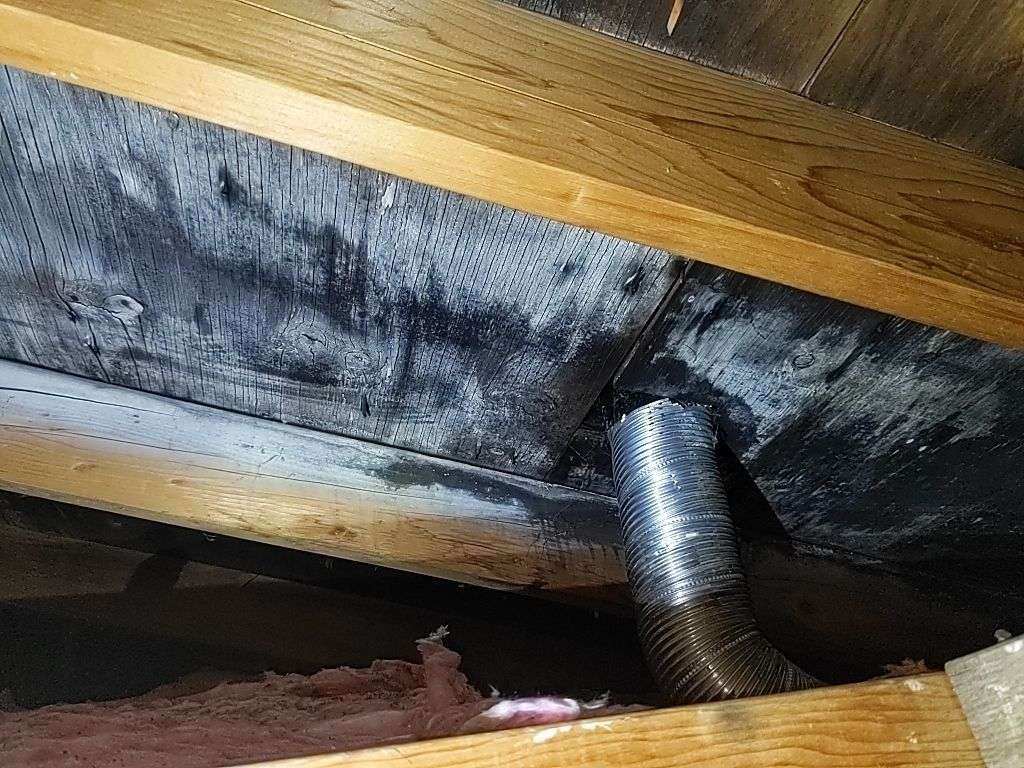
Homeowners insurance may cover attic mold when the mold results from a sudden and accidental covered event, such as certain storm-related roof damage or a covered water loss. Coverage often depends on the cause of the mold, the specific policy language, and any applicable exclusions or coverage limits.
Need Professional Attic Mold Removal?
Table of Contents
When Insurance May Cover Attic Mold
Insurance companies often focus on the cause of the mold rather than the mold itself. If mold develops because of a covered event, portions of the remediation and repairs may qualify for coverage.
Examples may include:
- Storm-related roof damage
- Sudden water intrusion
- Covered wind damage
- Certain accidental plumbing failures
- Specific covered water losses identified in the policy
Each policy is different, and coverage decisions ultimately depend on the insurer’s investigation and policy language.
When Attic Mold May Not Be Covered
Many homeowners are surprised to learn that mold resulting from long-term maintenance issues is often excluded.
Examples frequently cited by insurers include:
- Long-term roof leaks
- Deferred maintenance
- Poor ventilation
- Humidity-related mold growth
- Neglected property conditions
- Gradual water intrusion over time
If the insurer determines the issue developed slowly or could have been prevented through routine maintenance, coverage may be limited or denied.
Roof Leaks and Mold Claims
Roof leaks are one of the most common causes of attic mold in Houston homes. Whether mold resulting from a roof leak is covered often depends on what caused the leak.
For example, a roof damaged during a severe storm may present a stronger coverage argument than a roof that deteriorated over many years without maintenance.
Because Houston experiences hurricanes, tropical storms, and severe weather events, prompt documentation is important whenever roof damage occurs.
How to Document Mold Damage
Proper documentation can help support an insurance claim.
- Take photographs of visible mold
- Photograph roof damage if present
- Document water intrusion
- Keep repair invoices and receipts
- Save inspection reports
- Record dates of damage discovery
- Maintain communication records with the insurer
The more documentation available, the easier it may be to establish the cause and timeline of the damage.
Tips for Filing a Mold Insurance Claim
If you discover attic mold, acting quickly is important.
- Mitigate additional damage immediately
- Contact your insurance carrier promptly
- Schedule a professional inspection
- Document all visible damage
- Follow insurer reporting requirements
- Avoid delaying necessary mitigation work
Timely action can help reduce damage and strengthen claim documentation.
Why Professional Inspections Matter
Many attic mold issues involve hidden contamination that homeowners cannot easily identify. Professional inspections help determine the extent of the problem and identify moisture sources contributing to mold growth.
An inspection may reveal:
- Hidden attic mold
- Roof leak locations
- Ventilation deficiencies
- Condensation problems
- Insulation damage
- Structural concerns
This information can be useful when discussing repairs and potential coverage with an insurance company.
Related Mold and Water Damage Services
- Attic Mold Removal Houston
- Crawl Space Mold Remediation Houston
- AC Leak Mold Cleanup Houston
- Humidity Damage Restoration Houston
Frequently Asked Questions
Does homeowners insurance cover attic mold?
Coverage depends on the cause of the mold and the specific terms of the policy. Mold resulting from certain covered events may qualify for coverage.
Is mold from a roof leak covered by insurance?
It depends on the cause of the roof leak. Storm-related damage may be treated differently than long-term maintenance issues.
Does insurance cover mold testing?
Some policies may cover testing or inspection costs when associated with a covered loss. Coverage varies by carrier and policy.
Should I file a claim for attic mold?
Homeowners should review the circumstances of the damage, document the issue, and discuss coverage questions with their insurer.
Can poor ventilation cause uncovered mold damage?
Poor ventilation is commonly considered a maintenance-related issue and may affect coverage eligibility depending on the policy.