


Smoke damage restoration cost in Houston, TX can vary significantly depending on the severity of the fire, the amount of soot contamination, odor penetration, HVAC contamination, structural damage, and the size of the affected property. Even small fires can create widespread smoke and soot damage throughout a home or commercial building.
In Houston, smoke damage restoration projects commonly result from kitchen fires, electrical fires, garage fires, apartment fires, wildfire smoke exposure, commercial fire losses, and HVAC smoke contamination. Smoke particles can quickly spread through walls, ceilings, insulation, ductwork, flooring, furniture, and personal belongings.
This 2026 guide explains average smoke damage restoration costs in Houston, what affects pricing, what property owners should expect during cleanup, and how to reduce long-term restoration expenses after a fire or smoke event.
Table of Contents
- Average Smoke Damage Restoration Cost in Houston
- What Affects Smoke Damage Restoration Cost?
- Fire Damage vs Smoke Damage
- Smoke Odor Removal Costs
- Commercial vs Residential Smoke Damage Costs
- Soot Cleanup and Structural Cleaning
- Does Insurance Cover Smoke Damage Restoration?
- Our Smoke Damage Restoration Process
- How to Reduce Long-Term Smoke Damage Costs
- FAQs
Average Smoke Damage Restoration Cost in Houston
Smoke damage restoration pricing depends on the amount of smoke exposure, soot contamination, odor penetration, structural damage, and cleaning requirements throughout the property.
Typical smoke damage restoration cost ranges in Houston include:
- minor smoke cleanup projects: $1,000-$3,000
- moderate smoke and soot restoration: $3,000-$10,000
- major smoke damage restoration projects: $10,000-$50,000+
- commercial and large-loss fire restoration: substantially higher depending on scope
Small projects may involve localized smoke odor removal and soot cleanup, while larger projects may require demolition, structural cleaning, HVAC decontamination, insulation replacement, and reconstruction.
What Affects Smoke Damage Restoration Cost?
Several factors affect the total cost of smoke damage restoration in Houston properties.
Severity of Smoke Exposure
Heavy smoke saturation increases cleaning complexity and may require deeper structural restoration procedures.
Soot Contamination
Soot can penetrate walls, ceilings, HVAC systems, insulation, flooring, and contents throughout the property.
Odor Penetration
Smoke odors may become embedded inside porous materials and require deodorization treatments.
Structural Damage
Properties with heat damage or structural fire damage often require reconstruction and demolition work.
HVAC Contamination
Smoke particles can spread throughout ductwork and HVAC systems, increasing restoration scope.
Property Size
Larger homes and commercial buildings typically require additional labor, equipment, and cleaning time.
Fire Damage vs Smoke Damage
Even properties with limited direct fire damage may still suffer major smoke contamination throughout the structure.
Smoke damage may affect:
- walls and ceilings
- furniture and contents
- HVAC systems
- electrical systems
- insulation materials
- flooring and carpets
- appliances and electronics
Properties with larger structural fire losses may also require commercial fire damage restoration in Houston.
Smoke Odor Removal Costs
Smoke odor removal is often one of the most challenging aspects of the restoration process because odors can penetrate porous building materials and ventilation systems.
Common odor removal procedures include:
- thermal fogging
- HEPA air filtration
- hydroxyl treatments
- ozone treatments
- deep structural cleaning
- HVAC deodorization
Properties with severe odor issues may also require smoke odor removal services in Houston.
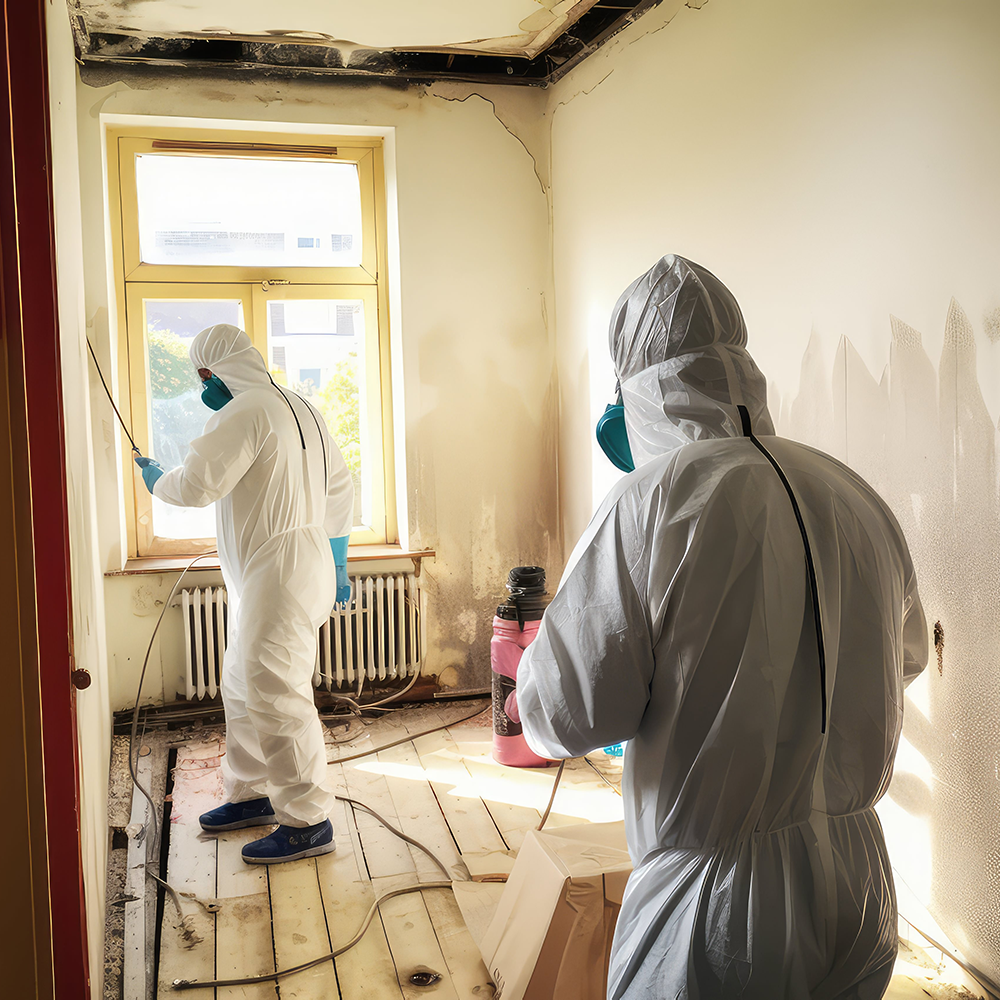
Commercial vs Residential Smoke Damage Costs
Commercial smoke damage restoration projects are often more complex than residential losses due to larger structures, operational downtime, equipment contamination, and tenant disruption.
Commercial properties may involve:
- large HVAC systems
- warehouse contamination
- office equipment cleanup
- retail inventory damage
- business interruption concerns
- industrial cleaning procedures
Properties experiencing large-loss smoke contamination may also require large loss restoration services in Houston.
Soot Cleanup and Structural Cleaning
Soot contamination can spread rapidly throughout a structure after a fire event. Acidic soot residue may permanently stain or damage materials if not removed quickly.
Soot cleanup commonly involves:
- wall and ceiling cleaning
- HEPA vacuuming
- surface decontamination
- contents cleaning
- HVAC cleaning
- air filtration
Fast restoration helps reduce permanent staining, odor penetration, and long-term material deterioration.
Does Insurance Cover Smoke Damage Restoration?
Smoke damage restoration is often covered under homeowners or commercial insurance policies when caused by a covered fire event.
Coverage may include:
- smoke cleanup
- soot removal
- odor removal
- structural cleaning
- demolition and reconstruction
- contents restoration
Documentation, photos, inventories, and professional mitigation reports may help support the insurance claims process.
Our Smoke Damage Restoration Process
PuroClean follows a structured smoke damage restoration process designed to stabilize the property and reduce long-term contamination.
1. Inspection and Damage Assessment
We inspect the property and identify smoke, soot, odor, and structural contamination.
2. Emergency Board-Up and Stabilization
Emergency stabilization helps secure the structure after fire damage.
3. Soot Cleanup and Surface Cleaning
Contaminated surfaces are cleaned thoroughly using specialized restoration procedures.
4. Odor Removal and Air Filtration
Industrial deodorization and air filtration systems help reduce smoke odors and airborne contaminants.
5. Structural Drying and Restoration
Water damage from firefighting efforts may also require structural drying and mitigation.
6. Reconstruction and Final Restoration
Damaged materials may be repaired or replaced as part of the final restoration process.
How to Reduce Long-Term Smoke Damage Costs
Rapid emergency response and professional mitigation help reduce long-term smoke restoration expenses.
Early mitigation helps reduce:
- permanent soot staining
- odor penetration
- structural deterioration
- HVAC contamination
- contents damage
- secondary water damage
Fast restoration often improves salvageability and reduces reconstruction scope.
FAQs
How much does smoke damage restoration cost in Houston?
Smoke damage restoration costs in Houston may range from several thousand dollars for small losses to tens of thousands for major fire and smoke restoration projects.
What affects smoke restoration pricing?
Soot contamination, odor penetration, property size, structural damage, and HVAC contamination commonly affect restoration costs.
Does insurance cover smoke damage cleanup?
Many insurance policies cover smoke damage restoration when caused by a covered fire event.
Can smoke odors be completely removed?
Professional deodorization procedures can significantly reduce or eliminate smoke odors in many situations.
How quickly should smoke damage be cleaned?
Smoke and soot damage should be addressed quickly to reduce permanent staining and material deterioration.