


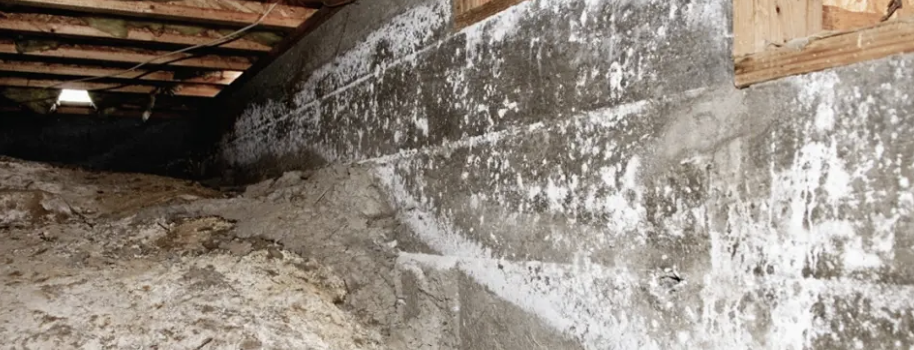
What Causes Crawl Space Mold in Houston?
Crawl space mold in Houston is commonly caused by high humidity, poor ventilation, plumbing leaks, groundwater intrusion, condensation, and moisture trapped beneath the home. Houston’s warm, humid climate creates ideal conditions for mold growth whenever excess moisture accumulates inside a crawl space.
Need Professional Crawl Space Mold Removal?
Table of Contents
Why Crawl Space Mold Is Common in Houston
Houston homeowners face unique moisture challenges due to the area’s high humidity, heavy rainfall, tropical storms, and occasional flooding. Crawl spaces are naturally vulnerable because they sit close to the ground where moisture accumulates and airflow is often limited.
Unlike attics that experience high heat, crawl spaces frequently remain damp for extended periods. This combination of moisture, darkness, and organic building materials creates ideal conditions for mold growth.
High Humidity and Moisture
Humidity is one of the most common causes of crawl space mold in Houston.
When humid outdoor air enters a crawl space, moisture can accumulate on:
- Wood framing
- Floor joists
- Subfloor materials
- Support beams
- Insulation
- HVAC components
Over time, elevated humidity levels can support widespread mold growth even without an active water leak.
Groundwater Intrusion and Flooding
Houston’s frequent storms can allow groundwater to enter crawl spaces. Poor drainage, clogged gutters, grading issues, and heavy rainfall can all contribute to water accumulation beneath a home.
Common causes include:
- Poor site drainage
- Flooding events
- Standing water beneath the home
- Foundation drainage problems
- Storm-related water intrusion
Even small amounts of standing water can create conditions that allow mold to develop rapidly.
Plumbing Leaks Under the Home
Hidden plumbing leaks are another leading cause of crawl space mold. Because these leaks often go unnoticed for extended periods, significant mold growth may occur before homeowners discover the problem.
Common sources include:
- Supply line leaks
- Drain line failures
- Water heater leaks
- Sewer line issues
- Condensation from plumbing pipes
Even slow leaks can create enough moisture to support mold growth on nearby wood and insulation materials.
Poor Crawl Space Ventilation
Insufficient airflow allows moisture to become trapped beneath the home.
Signs of poor crawl space ventilation include:
- Musty odors
- Visible condensation
- Damp insulation
- Elevated humidity readings
- Persistent mold growth
Many crawl space mold issues involve a combination of moisture intrusion and inadequate ventilation.
HVAC and Condensation Issues
Crawl spaces often contain HVAC ductwork and mechanical systems. Condensation forming on cold duct surfaces can introduce significant moisture into the crawl space environment.
Common issues include:
- Sweating ductwork
- HVAC condensation
- Poor insulation around ducts
- Improperly sealed systems
- Excess humidity near mechanical equipment
Over time, these conditions can contribute to mold growth on structural components and insulation.
How to Prevent Crawl Space Mold
Preventing crawl space mold requires controlling moisture before contamination develops.
- Address drainage issues promptly
- Repair plumbing leaks immediately
- Monitor crawl space humidity levels
- Improve ventilation when necessary
- Inspect crawl spaces regularly
- Correct standing water problems
- Maintain HVAC systems properly
Early intervention often prevents costly mold remediation and structural damage.
Related Mold Remediation Services
- Crawl Space Mold Remediation Houston
- Attic Mold Removal Houston
- AC Leak Mold Cleanup Houston
- Humidity Damage Restoration Houston
Frequently Asked Questions
What is the most common cause of crawl space mold in Houston?
High humidity combined with trapped moisture is one of the most common causes of crawl space mold throughout the Houston area.
Can plumbing leaks cause crawl space mold?
Yes. Hidden plumbing leaks frequently create the moisture conditions necessary for mold growth beneath homes.
Can crawl space mold spread into the house?
Yes. Air movement can allow mold spores from a crawl space to affect indoor air quality throughout the home.
How do I know if my crawl space has mold?
Musty odors, visible discoloration, elevated humidity, and moisture issues beneath the home are common warning signs.
How can I prevent crawl space mold?
Controlling moisture through proper drainage, leak repairs, humidity management, and routine inspections is the most effective prevention strategy.