


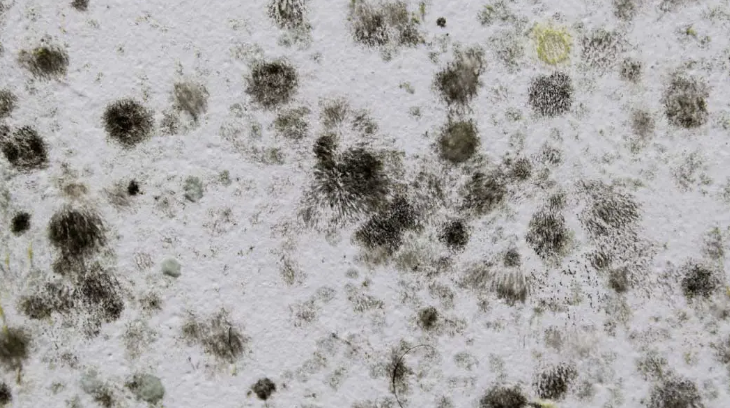
Attic mold often appears as black, gray, green, white, or brown discoloration on roof decking, rafters, trusses, insulation, and other attic surfaces. Mold may appear as spots, stains, streaks, fuzzy growth, or widespread dark patches depending on the moisture source and severity of contamination.
Need Professional Attic Mold Removal?
Table of Contents
Common Attic Mold Appearance
Attic mold can take many forms depending on the amount of moisture present, the materials affected, and how long the contamination has been developing.
Homeowners commonly notice:
- Black staining on roof decking
- Gray or white patches on wood framing
- Green discoloration on attic surfaces
- Fuzzy or powdery growth
- Dark streaking patterns
- Spot-like colonies expanding across wood
In many Houston homes, mold first appears on roof decking because condensation and humidity often accumulate there.
Where Attic Mold Usually Grows
Attic mold tends to develop in areas where moisture remains trapped for extended periods.
Common locations include:
- Roof decking
- Rafters and trusses
- Attic sheathing
- Insulation surfaces
- Around attic vents
- Near HVAC equipment
- Areas affected by roof leaks
Because attics are rarely visited, mold often spreads significantly before it is discovered.
Is It Black Mold?
Many homeowners refer to any dark attic mold as “black mold,” but appearance alone cannot identify a mold species.
Several types of mold may appear black, dark brown, gray, or green. Regardless of the species involved, visible mold growth generally indicates a moisture problem that should be addressed.
The more important issue is identifying and correcting the source of moisture that allowed the mold to develop.
Mold vs Water Stains
Not every dark mark in an attic is mold.
Water stains may appear as:
- Yellow discoloration
- Brown staining
- Water rings
- Darkened wood surfaces
Mold often appears more irregular and may have a fuzzy, spotted, or textured appearance compared to simple water staining.
A professional inspection can help determine whether discoloration represents active mold growth or previous moisture damage.
What Causes Attic Mold?
Attic mold develops when moisture combines with organic building materials and inadequate airflow.
Common causes include:
- Roof leaks
- High humidity
- Poor attic ventilation
- HVAC condensation
- Bathroom exhaust vent issues
- Storm damage
- Condensation on roof decking
Houston’s warm, humid climate creates ideal conditions for mold growth whenever moisture becomes trapped inside an attic.
When to Schedule an Inspection
If you notice discoloration, musty odors, visible growth, or signs of moisture intrusion, a professional inspection may help determine the extent of the problem.
Early detection often helps reduce remediation costs and prevent structural damage.
Many homeowners discover attic mold during:
- Roof inspections
- Home sales
- Insurance claims
- Storm damage assessments
- Attic renovations
Related Mold Remediation Services
- Attic Mold Removal Houston
- Crawl Space Mold Remediation Houston
- AC Leak Mold Cleanup Houston
- Humidity Damage Restoration Houston
Frequently Asked Questions
What color is attic mold?
Attic mold may appear black, gray, white, green, brown, or a combination of colors depending on the environmental conditions and affected materials.
Does attic mold always look black?
No. Many types of mold appear gray, white, green, or brown rather than black.
Can attic mold look like dirt?
Yes. Some attic mold appears as dark staining or dusty patches that homeowners may initially mistake for dirt or dust accumulation.
Can I identify mold by looking at it?
Visible growth can indicate mold, but appearance alone typically cannot determine the specific mold type present.
Should visible attic mold be inspected?
Visible mold growth often indicates a moisture issue that should be evaluated and corrected to prevent additional damage.