24/7 Emergency Services For Water, Fire, Mold and Biohazard in Smoke Damage Restoration Houston Smoke Odor Soot Cleanup Services
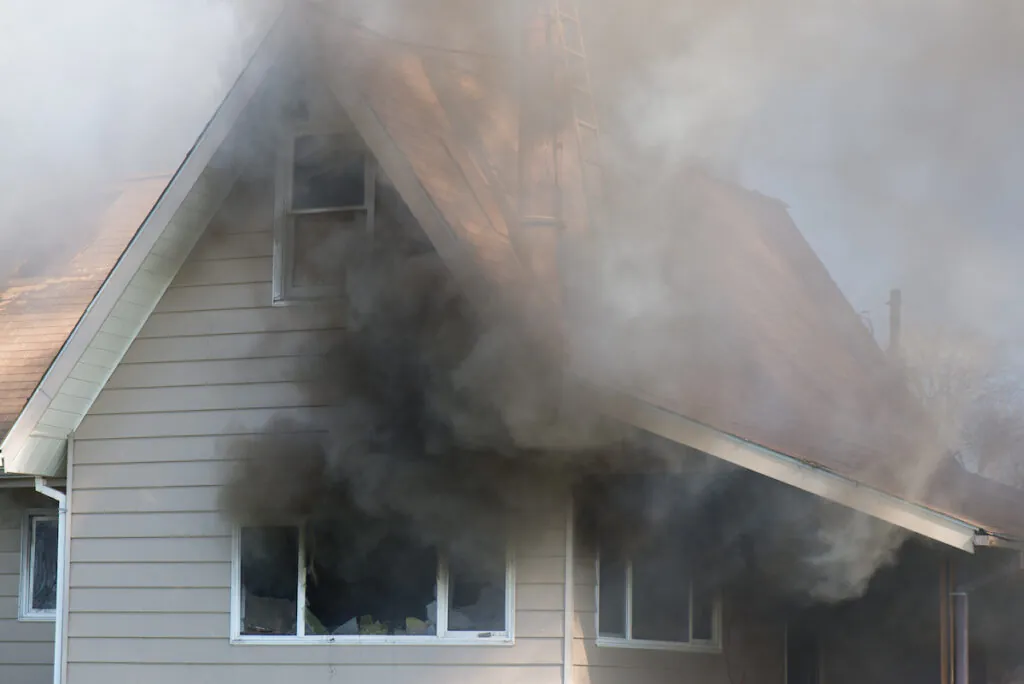
Smoke damage restoration in Houston helps homeowners, businesses, and property managers recover after structure fires, kitchen fires, electrical malfunctions, commercial fire losses, and other smoke-contamination events. Smoke and soot can travel far beyond the original fire, affecting walls, ceilings, flooring, HVAC systems, furniture, electronics, contents, and indoor air quality. PuroClean of Central Southwest Houston provides soot cleanup, smoke odor removal, structural cleaning, content cleaning, and coordinated property restoration throughout Houston and surrounding communities.
Smoke damage is the residue, odor, staining, and material deterioration caused by airborne particles and combustion byproducts after a fire or smoke-producing event. Visible soot is only one part of the problem. Fine particles can settle inside cabinets, electronics, fabrics, insulation, ventilation systems, and other areas that may appear unaffected during an initial inspection.
Even a relatively small fire can create widespread contamination affecting:
Professional smoke remediation begins by identifying the fire source, the materials burned, the types of residue present, and the surfaces affected. This information determines which cleaning and deodorization methods may be appropriate.
Houston properties can experience smoke contamination from residential, commercial, mechanical, and weather-related incidents.
Cooking fires can release greasy or protein-based residues that spread beyond the kitchen. These residues may be difficult to see while still producing strong, persistent odors.
Damaged wiring, overloaded circuits, electrical panels, batteries, appliances, and equipment can create smoke and soot contamination even when the visible fire remains relatively contained.
Overheated motors, damaged equipment, and electrical failures inside mechanical systems may distribute smoke particles through vents and connected spaces.
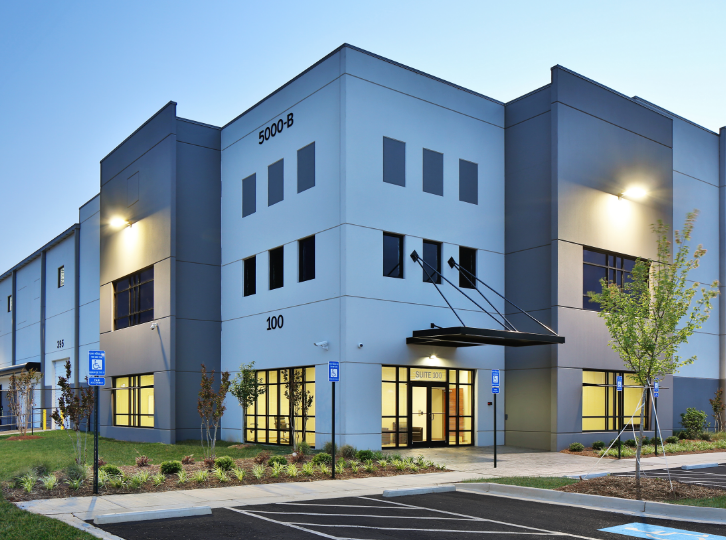
Commercial fires can affect offices, restaurants, retail properties, apartment buildings, warehouses, and industrial facilities. These losses may involve larger affected areas, specialized equipment, inventory, tenant coordination, and business-interruption concerns. Learn more about commercial fire damage restoration in Houston.
Smoke generated outside a building may enter through doors, windows, roof openings, and mechanical ventilation. The restoration approach depends on the duration and severity of exposure and whether smoke residue entered the building.
Not every smoke loss can be cleaned using the same products or procedures. The fuel source, fire temperature, oxygen level, and materials burned affect the residue left behind.
Fast-burning, high-temperature fires may produce a fine, powdery residue. Dry soot can spread easily and may be driven deeper into porous surfaces if improper cleaning methods are used.
Slow-burning, lower-temperature fires can produce sticky, smeared residue with a strong odor. Wet smoke residue often requires specialized cleaning methods.
Kitchen and cooking fires may leave a nearly invisible residue on walls, cabinets, ceilings, and nearby contents. Although discoloration may be limited, the odor can remain substantial.
Burned plastics, rubber, petroleum products, and synthetic materials can leave dark or oily deposits. The affected materials and combustion products must be considered before cleaning begins.
Heat and pressure generated during a fire move smoke into adjoining rooms, wall cavities, ceiling spaces, and ventilation systems. Smoke particles can follow air currents and settle in cooler areas far from the original source.
Commonly affected locations include:
This movement explains why cleaning only the visibly burned area may not resolve soot deposits or lingering odors. The complete affected area must be evaluated.
Smoke residue can continue affecting materials after the fire has been extinguished. Depending on the type of soot and the surface involved, delayed treatment may contribute to discoloration, corrosion, etching, odor absorption, and permanent material damage.
Prompt professional evaluation can help:
Avoid wiping soot with household cleaners before the residue has been evaluated. The wrong product or technique can smear soot, set stains, or move residue farther into porous materials.
The scope of smoke restoration depends on the severity of the fire, the residue present, the affected surfaces, and any related structural or water damage. A typical project may include the following stages.
The property is evaluated for visible fire damage, smoke migration, soot deposits, odor penetration, affected contents, and water introduced during firefighting or suppression efforts.
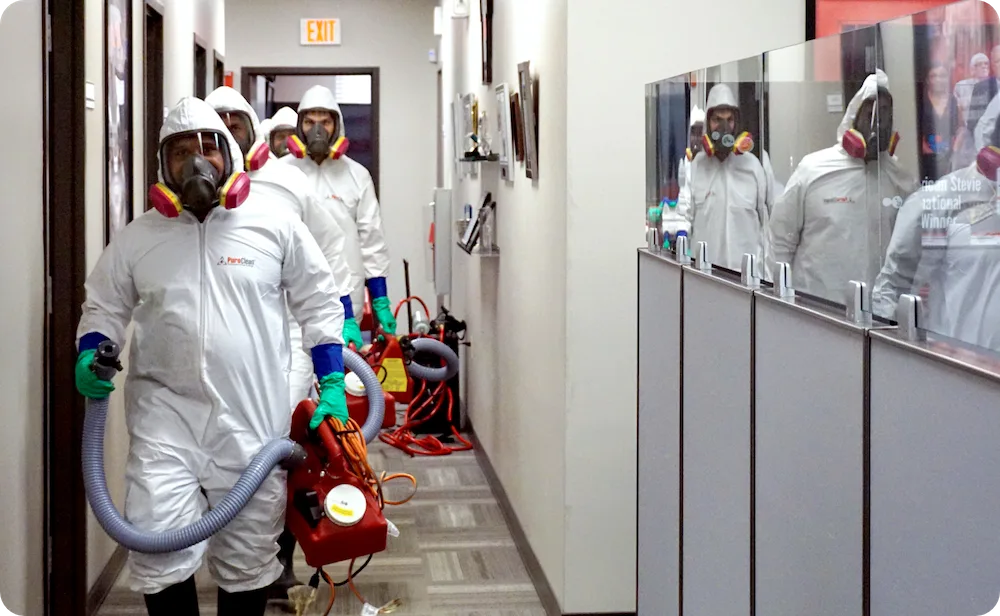
Unsafe areas are identified, and appropriate containment or access controls may be established. Air filtration equipment may be used when conditions require airborne-particle control.
Salvageable belongings may be protected, relocated, inventoried, or prepared for cleaning. Controlling movement between affected and unaffected areas helps limit soot transfer.
Cleaning methods are selected according to the residue and material involved. Procedures may include HEPA vacuuming, dry cleaning, wet cleaning, surface-specific products, or other professional restoration methods.
Walls, ceilings, fixtures, furnishings, and other salvageable materials are cleaned according to their condition. Items that cannot be safely or effectively restored may require removal.
Smoke odor treatment begins with removing residue and unsalvageable materials. Additional deodorization methods may then be selected based on the affected area and the materials involved.
After cleaning and mitigation are complete, damaged drywall, flooring, insulation, cabinetry, and other building materials may require repair or replacement. Properties with extensive damage may also need large-loss restoration in Houston.
Smoke odors can remain inside porous materials, furnishings, insulation, and concealed spaces after visible soot has been removed. Lasting deodorization requires locating and addressing the source rather than covering the odor with fragrance.
Depending on conditions, smoke odor remediation may include:
Learn more about professional smoke odor removal in Houston and services related to indoor air quality after property damage.
Fire losses frequently include water damage from sprinkler systems, fire hoses, damaged plumbing, or exposure through a compromised roof. Water may migrate beyond the visibly burned area and enter flooring, walls, insulation, and lower levels.
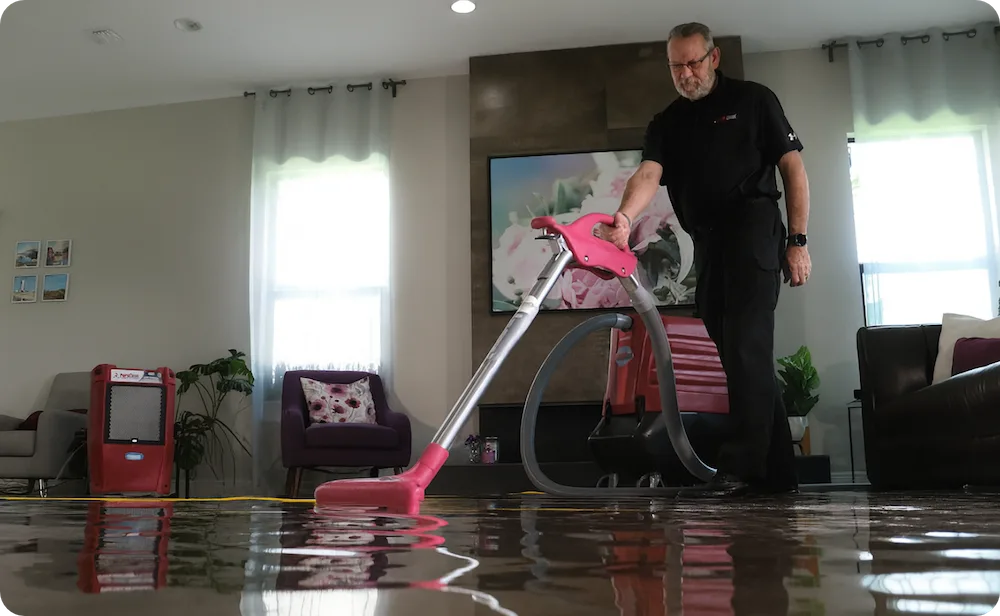
Standing water should be extracted, affected materials evaluated, and the structure dried before repairs are completed. PuroClean also provides water damage restoration in Houston for fire-related water losses and other moisture emergencies.
Commercial smoke damage may affect employees, customers, tenants, inventory, equipment, records, and normal business operations. Restoration can require phased cleaning, containment, after-hours coordination, and communication with property managers and insurance representatives.
Properties served may include:
Commercial properties requiring broader repair coordination may also benefit from property-management restoration services in Houston.
Smoke losses often overlap with fire, water, structural, and emergency stabilization needs. Related services include:
Smoke losses require careful evaluation because residue, odors, water, and material damage can extend beyond the visible fire area. PuroClean of Central Southwest Houston provides coordinated residential and commercial restoration with an emphasis on documenting affected areas, selecting material-appropriate cleaning methods, and addressing contamination at its source.
Yes. Smoke can move through doorways, wall openings, ceiling cavities, and HVAC systems. Rooms far from the fire may still contain soot residue or persistent odors.
Many smoke odors can be successfully addressed when contaminated residue and damaged materials are properly identified and treated. Results depend on the materials burned, the duration of exposure, and how deeply smoke penetrated porous surfaces.
Avoid wiping or washing soot before its type and the affected material have been evaluated. Household cleaners can smear residue, set stains, or damage delicate surfaces.
It can. Smoke particles may enter returns, vents, filters, equipment, and accessible ductwork. The system should be evaluated before normal operation if contamination is suspected.
Fire restoration frequently includes water extraction and structural drying because sprinkler systems, fire hoses, or damaged plumbing may introduce significant moisture.
Evaluation and mitigation should begin as soon as the property has been released for safe entry. Prompt action can limit soot transfer, corrosion, staining, and odor absorption.
Yes. Smoke and fire restoration services are available for offices, retail properties, restaurants, warehouses, apartment communities, and other commercial facilities in the Houston area.
For professional smoke cleanup, soot removal, deodorization, and coordinated property restoration, contact PuroClean of Central Southwest Houston.
Water damage can result from unexpected leaks, flooding from storms, plumbing failures, or appliance malfunctions. Our certified teams focus on rapid water removal, drying, and stabilization to help prevent further damage and mold growth.
 Explore Our Water Damage Mitigation Services
Even after a fire is extinguished, smoke, soot, and odor can continue to affect your home. Fire damage restoration services address visible damage while also helping reduce lingering effects that impact indoor air quality and surfaces.
Explore Our Fire and Smoke Damage Restoration Services
Mold often develops as a result of unresolved moisture or hidden water damage. Professional mold remediation helps identify affected areas, contain growth, and restore healthy indoor conditions.
Explore Our Mold Removal and Remediation Services
Biohazard situations, including crime scene cleanup and virus decontamination, require specialized cleaning and handling to protect health and safety. Biohazard cleanup services address contamination using proper protocols and professional care.
Explore Our Biohazard Cleanup Services
In some cases, property damage requires repairs beyond cleanup and mitigation. Reconstruction services help restore damaged areas of the home after water, fire, or other incidents, supporting a smoother transition from damage to recovery.
Explore Our Reconstruction Services Services
PuroClean provides 24/7 commercial property damage restoration services for businesses and facilities across the United States.
Explore Our Commercial Services
Water damage can result from unexpected leaks, flooding from storms, plumbing failures, or appliance malfunctions. Our certified teams focus on rapid water removal, drying, and stabilization to help prevent further damage and mold growth.
Explore Our Water Damage Mitigation Services
Find answers to common questions about our services
After emergency responders extinguish the fire and the scene is secure, your first two calls should be to your insurance company and a certified fire restoration provider, like PuroClean of Central Southwest Houston . Insurers require prompt reporting, and restoration professionals can begin mitigation immediately to prevent further loss. Quick action protects both safety and your ability to recover costs through your insurance policy.
Professional odor removal goes beyond surface cleaning. Techniques such as thermal fogging, hydroxyl generators, and ozone treatment chemically neutralize odor-causing molecules rather than masking them. These methods are selected based on the type of fire, the materials affected, and whether the property is occupied during restoration. Proper deodorization ensures odors do not return once the property is rebuilt.
Safety comes first. Do not re-enter the property until fire officials confirm it is safe to do so. Once cleared, a local, professional restoration company who will guide you through the process and assist in documentation for your insurance provider. Early steps such as securing the property, extracting water from firefighting efforts, and addressing soot damage help limit further loss and support your insurance claim.
In many cases, yes. Non-porous materials such as glass, metal, and stone often respond well to specialized cleaning. Porous items, including textiles, upholstery, and insulation, are more difficult and may need replacement. The sooner restoration begins, the better the chance of salvaging belongings, since soot and odor residues set deeper over time. Restoration professionals evaluate each item individually to determine whether cleaning or replacement is the best option.
The timeline varies significantly depending on the severity of the fire and the extent of damage. A contained fire in one room may take only a few days to clean and deodorize, while a larger structural fire that requires demolition, reconstruction, and content restoration can take several weeks or even months. The pace of restoration also depends on insurance approvals and the complexity of smoke or water damage.
After emergency responders extinguish the fire and the scene is secure, your first two calls should be to your insurance company and a certified fire restoration provider, like PuroClean of Central Southwest Houston . Insurers require prompt reporting, and restoration professionals can begin mitigation immediately to prevent further loss. Quick action protects both safety and your ability to recover costs through your insurance policy.
Professional odor removal goes beyond surface cleaning. Techniques such as thermal fogging, hydroxyl generators, and ozone treatment chemically neutralize odor-causing molecules rather than masking them. These methods are selected based on the type of fire, the materials affected, and whether the property is occupied during restoration. Proper deodorization ensures odors do not return once the property is rebuilt.
Safety comes first. Do not re-enter the property until fire officials confirm it is safe to do so. Once cleared, a local, professional restoration company who will guide you through the process and assist in documentation for your insurance provider. Early steps such as securing the property, extracting water from firefighting efforts, and addressing soot damage help limit further loss and support your insurance claim.
In many cases, yes. Non-porous materials such as glass, metal, and stone often respond well to specialized cleaning. Porous items, including textiles, upholstery, and insulation, are more difficult and may need replacement. The sooner restoration begins, the better the chance of salvaging belongings, since soot and odor residues set deeper over time. Restoration professionals evaluate each item individually to determine whether cleaning or replacement is the best option.
The timeline varies significantly depending on the severity of the fire and the extent of damage. A contained fire in one room may take only a few days to clean and deodorize, while a larger structural fire that requires demolition, reconstruction, and content restoration can take several weeks or even months. The pace of restoration also depends on insurance approvals and the complexity of smoke or water damage.
What Our Customers Say:
When you need water damage restoration services near you, call the experts at PuroClean. We are here day or night, 24/7, to help remove any standing water quickly and begin your water restoration service. We monitor the drying process so you can rest assured that your property is dried thoroughly. We offer commercial water restoration services for businesses and residential water damage restoration for homeowners.
Contact Us for 24/7 Emergency Response
(832) 856-5900
Contact Us
PuroClean of Central Southwest Houston
(832) 856-5900
3635 Willowbend Boulevard, Ste 318, Houston, TX 77054


© 2026 PuroClean. All Rights Reserved.