 PuroClean of Sammamish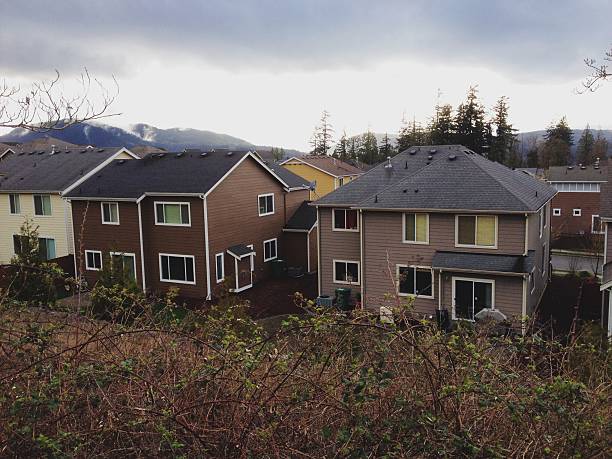
The Dangerous Myth That Issaquah Is Too Wet to Burn
“We get too much rain for wildfires to be a real problem here.”
I’ve heard variations of that statement from dozens of Issaquah neighbors over the years. It’s the Pacific Northwest’s most dangerous misconception, and wildfire experts say it could cost us everything.
Dr. Evan Medler, a wildfire expert from Western Washington University, put it bluntly when discussing places that keep him awake at night: “The ones that keep me awake at night are places like Issaquah.”
He compared present-day Issaquah to Paradise, California, before the 2018 Camp Fire killed more than 80 people and burned 14,000 homes to the ground.
That comparison should terrify every Issaquah homeowner. But instead, most residents remain dangerously complacent about wildfire risk, assuming our rainfall protects us. It doesn’t.
When fire does strike your Issaquah home (and climate trends suggest “when” not “if”) you’ll need immediate 24/7 emergency response for fire damage Issaquah WA to prevent total loss. Understanding why our wet reputation creates false security is the first step toward real protection.
What Wildfire Experts See When They Look at Issaquah
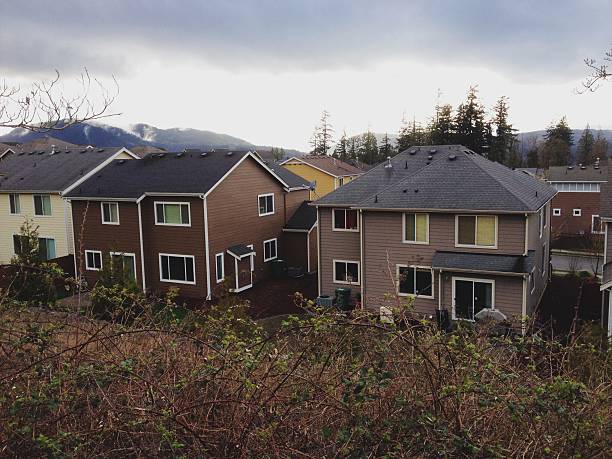
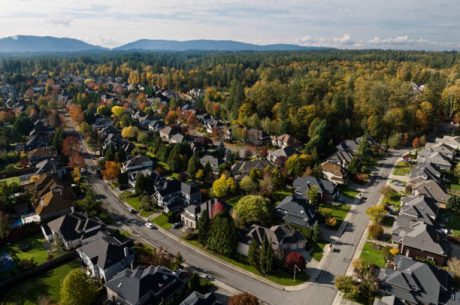
Much of Issaquah sits squarely in the wildland-urban interface (WUI), where homes and development meet undeveloped forested lands. These areas face dramatically higher wildfire risk because fires spread to structures quickly once they start.
According to King County’s Wildfire Risk Reduction Strategy, more than 350,000 people (about 15% of King County’s population) live in the wildland-urban interface. Issaquah represents a significant portion of that vulnerable population.
Here’s what fire experts see when they examine Issaquah:
Heavy vegetation spilling into backyards, often pressing directly against wood-sided homes. Dense conifer forests with branches brushing against roofs and siding. Neighborhoods built along mountain slopes with strong seasonal east winds and limited evacuation routes, some with only a single access point for hundreds of households.
Sound familiar? It should. Those exact conditions defined Paradise, California before it burned.
Jason Ritchie, who owns a home just north of Issaquah in neighboring Sammamish, experienced a 2015 fire in the woods beside his property. “It grew so fast,” he said. “Had the wind been blowing from the north to the south, it would have engulfed the neighborhood very, very quickly.”
The only thing preventing catastrophic wildfire in Issaquah right now is weather. As one expert stated: “The only thing that’s keeping it from going off like a nuclear bomb is the weather.”
But climate change is systematically removing that protection.
How Climate Change Is Removing Issaquah’s Wet Weather Protection
Global warming is bringing higher temperatures, lower humidity, and longer drought periods to the Pacific Northwest. Our historical “too-wet-to-burn” protection is evaporating, literally.
Firefighters in South King County responded to more than 700 brush fires between May 1 and September 30, 2021 alone. That’s not Eastern Washington. That’s here, in supposedly wet Western Washington.
The 2020 Labor Day fires in Western Oregon demonstrated what these new climatic conditions can produce. Those fires exploded under a specific blend of dry fuels and strong east winds bringing low humidity, the exact scenario Issaquah could face.
With historically short summers, the Pacific Northwest has long been protected by a “veil of moisture” that made even medium-sized fires relatively rare. But warmer temperatures and extended dry periods are stripping away that protection faster than most residents realize.
According to fire ecology experts, the long gaps between major fires in our region have created a dangerous perception gap. Residents and even some officials struggle to see wildfire as a legitimate threat because we lack recent experience with catastrophic burns.
That inexperience means fewer homes built with fire-resistant materials, more vegetation growing dangerously close to structures, and evacuation plans that exist mostly on paper rather than in practiced reality.
Professional 24/7 emergency response for fire damage Issaquah WA understands this evolving risk landscape. When fire does strike, every minute counts, and the difference between a contained room fire and total home loss often comes down to immediate professional intervention.
The Two Fire Scenarios Threatening Issaquah Homes
The City of Issaquah identifies two distinct wildfire scenarios residents face:
Frequent, smaller fires that can occur in many conditions. These fires stay relatively small due to response efforts but may smolder for extended periods due to challenging terrain. Steep elevations impede firefighter access, allowing fires to persist longer than in flat areas.
Large, fast-moving fires requiring a specific climatic blend: dry fuels, strong east winds, and low humidity. These are the catastrophic events that destroy entire neighborhoods before residents can evacuate.
The first scenario creates a different kind of emergency requiring 24/7 emergency response for fire damage Issaquah WA. Even “small” fires produce massive smoke and soot damage extending far beyond visible flame contact. Professional restoration becomes essential for making homes livable again.
The second scenario is what keeps wildfire experts awake at night. When the right conditions align—and climate change makes that alignment increasingly likely—Issaquah faces a Paradise-style catastrophe.
The Evacuation Challenge Nobody Wants to Talk About
Issaquah commissioned an evacuation study that revealed uncomfortable truths about our community’s ability to escape fast-moving wildfires.
The study found that residents take between 15 minutes to over four hours to be ready for evacuation. That’s an enormous range, and the slow end of that spectrum is deadly during fast-moving wildfire scenarios.
The study examined evacuation times by neighborhood, identifying which areas face the longest escape periods. Some Issaquah neighborhoods feature only a single access point for hundreds of households—making simultaneous evacuation extremely difficult and creating potential death traps during fast-moving fires.
Typically, the route you usually take to leave your home will be your best option for evacuation. But what happens when that single route is blocked by fire, fallen trees, or panicked traffic?
The study helps officials understand how long resident evacuations will take, identify tactics for efficient evacuation, and plan long-term projects to decrease evacuation times. But here’s the reality: those long-term projects take years to implement, while climate change is accelerating wildfire risk right now.
If you live in an area with limited evacuation routes—particularly neighborhoods backing against forested areas with single-point access—your family needs a practiced evacuation plan today. Waiting for infrastructure improvements could prove fatal.
The Hidden Fire Damage That Destroys Homes After Flames Are Out
Most Issaquah residents think about wildfire in terms of visible flames consuming structures. But professional 24/7 emergency response for fire damage Issaquah WA knows the real devastation often comes after firefighters extinguish the blaze.
Smoke penetration into every porous material in your home creates persistent odors and potential health hazards. Smoke particles are microscopic, infiltrating drywall, insulation, upholstery, clothing, and even sealed cabinets. Simply airing out the house doesn’t remove this contamination, it requires professional cleaning and often complete replacement of affected materials.
Soot contamination spreads far beyond fire-damaged areas. HVAC systems pull smoke and soot throughout your entire home, depositing acidic residue on surfaces in rooms that never saw flames. This soot contains toxic compounds that continue off-gassing for weeks, making homes uninhabitable without professional remediation.
Water damage from firefighting often exceeds fire damage. Firefighters use thousands of gallons to extinguish structure fires, saturating everything in the process. In Pacific Northwest humidity, this water creates perfect conditions for rapid mold growth within 24-48 hours, turning a fire emergency into a compounded fire-and-mold crisis.
Structural compromise from heat exposure isn’t always visible. Wooden framing members can lose load-bearing capacity even when they look intact from the outside. Professional assessment with thermal imaging and structural analysis determines what’s safe versus what requires replacement.
My friend’s house caught fire from a nearby brush fire that jumped to her deck. Firefighters extinguished it within 20 minutes, she thought she’d escaped catastrophe. Three days later, she noticed the persistent smoke smell and called for professional inspection.
The assessment revealed smoke contamination throughout her HVAC system distributing soot to every room, water damage in the attic from firefighting efforts beginning to grow mold, and heat-compromised roof trusses requiring replacement. The “small” deck fire resulted in $89,000 in restoration costs because she waited three days instead of calling 24/7 emergency response for fire damage Issaquah WA immediately.
Why Ember Strikes Are Issaquah’s Real Threat
Direct flame contact destroys homes in obvious ways. But ember strikes—burning debris carried by wind from fires hundreds of yards away—cause most structure loss during wildfires.
Embers land on roofs, blow into attic vents, collect in rain gutters full of dry pine needles, and ignite decks covered with flammable debris. A single ember landing in the wrong spot can ignite your home while the main fire is still blocks away.
Issaquah’s dense forest coverage and seasonal east winds create perfect ember strike conditions. When wildfires burn in the Cascades or in forest areas east of the city, strong winds carry embers directly into residential neighborhoods.
The tragic irony: homes burn not from the approaching fire wall but from ignition sources that land while residents are evacuating, leaving nobody present to extinguish the initial small fire before it spreads.
This is why defensible space around your home matters desperately. Fire preparedness guidelines emphasize clearing vegetation, removing flammable materials from within 30 feet of structures, and using fire-resistant building materials.
But even perfect defensible space can’t protect against every ember strike. When ignition occurs, immediate 24/7 emergency response for fire damage Issaquah WA makes the difference between a contained event and total home loss.
The Building Code Gap Putting Issaquah Homes at Risk
Here’s a fact that should concern every Issaquah homeowner: wildfire-oriented setbacks and less-flammable building materials still aren’t written into building codes on the city’s edges where wildland-urban interface risk is highest.
Neighborhoods built decades ago feature wood-sided homes with wooden shake roofs, untreated decks, and vegetation growing directly against structures. These homes are kindling waiting for ignition.
Even newer construction often lacks fire-resistant features because building codes haven’t caught up with evolving wildfire risk. Attic vents allow ember intrusion. Rain gutters collect flammable debris. Decks use standard lumber instead of fire-resistant materials.
The Issaquah Fire Department now fields frequent calls from homeowners concerned about wildfire protections and hosts preparedness trainings. They’ve added four wildland fire engines to their fleet—a tacit acknowledgment that wildfire response is no longer hypothetical.
But equipment and training can only do so much when hundreds of homes ignite simultaneously during catastrophic wildfire scenarios. The Camp Fire in Paradise overwhelmed every firefighting resource California could deploy. Issaquah would face similar challenges.
This reality makes pre-fire home hardening and immediate post-ignition response critical. Professional 24/7 emergency response for fire damage Issaquah WA can often contain small ignitions before they become total losses, but only if they’re called immediately rather than after homeowners attempt DIY firefighting.
What You Must Do Right Now to Protect Your Issaquah Home
Stop waiting for government solutions. Your family’s safety depends on actions you take today.
Create defensible space around your home. Clear vegetation within 30 feet of structures. Remove dead trees and branches. Keep gutters clear of pine needles and debris. Replace wood mulch near foundations with gravel or rock.
Harden your home against embers. Install mesh screens over attic vents. Replace wooden shake roofs with fire-resistant materials. Use fire-resistant siding where possible. Build decks with fire-resistant lumber or composites.
Develop and practice an evacuation plan. Identify your primary and alternate evacuation routes. Establish a family meeting location outside your neighborhood. Pack emergency supply kits with essentials for each family member including pets. Practice actually leaving—not just discussing it.
Sign up for emergency alerts through ALERT King County. During fast-moving fire scenarios, minutes matter. Emergency notifications provide the earliest possible warning.
Establish a relationship with professional fire damage restoration before you need it. Having 24/7 emergency response for fire damage Issaquah WA contact information readily available prevents critical delays when fire strikes.
Document your property with photos and video of every room, outbuilding, and valuable possession. Store these records off-site or in cloud storage. After catastrophic fire, proving what you owned becomes nearly impossible without documentation.
FAQ: Issaquah Wildfire and Fire Damage Questions
Q: Is Issaquah really comparable to Paradise, California before the Camp Fire?
According to wildfire experts, yes. Dr. Evan Medler from Western Washington University specifically cited Issaquah as comparable to Paradise in terms of wildland-urban interface risk factors. Both feature dense vegetation near homes, limited evacuation routes, and development patterns that facilitate rapid fire spread.
Q: What should I do if I see smoke or fire near my Issaquah neighborhood?
Call 911 immediately. Don’t assume someone else has reported it. Then prepare to evacuate: gather emergency supplies, secure pets, and be ready to leave within minutes if ordered. Don’t wait for official evacuation orders if you feel threatened.
Q: How quickly can fire damage restoration services respond in Issaquah?
Professional 24/7 emergency response for fire damage Issaquah WA typically arrives within 60-90 minutes during normal conditions. During major wildfire events affecting multiple properties, response times may extend to 2-4 hours as resources are deployed strategically.
Q: Is fire damage covered by homeowners insurance?
Standard homeowners policies typically cover fire damage including wildfire. However, coverage limits, deductibles, and specific exclusions vary significantly. Review your policy now—not after fire strikes—to understand what’s covered.
Q: Can I clean up fire and smoke damage myself?
No. Smoke and soot contain toxic compounds requiring professional remediation. Fire-damaged structures need assessment for hidden damage and structural integrity. Attempting DIY cleanup risks your health and often leads to incomplete remediation causing expensive problems later.
Q: What’s the most important thing I can do to protect my home from wildfire?
Create and maintain defensible space around your home. Clear vegetation within 30 feet of structures, remove flammable debris, and use fire-resistant materials where possible. This single action dramatically improves your home’s survival probability during wildfire events.
Q: How do I know if my neighborhood has adequate evacuation routes?
Review Issaquah’s evacuation study which identifies evacuation times by neighborhood. If your area has only one access point or long evacuation times, develop backup plans including alternate routes and off-site meeting locations.
When Fire Strikes Your Issaquah Home: PuroClean of Sammamish Responds 24/7
Understanding Issaquah’s wildfire risk helps you prepare. But when smoke is actually pouring from your home or embers have ignited your deck, you need immediate professional intervention.
PuroClean of Sammamish provides 24/7 emergency response for fire damage Issaquah WA with certified technicians trained in rapid fire damage assessment, smoke and soot remediation, and post-firefighting water damage restoration.
We understand that Issaquah fire scenarios differ from urban structure fires. Wildland-urban interface fires create unique challenges: ember strike ignitions requiring immediate response before they spread, smoke contamination from burning forest vegetation containing different compounds than typical house fires, and water damage from aggressive firefighting in difficult terrain.
Our team arrives within 60-90 minutes equipped with thermal imaging to assess hidden fire damage, industrial air scrubbers to remove smoke particles, commercial dehumidifiers to prevent post-firefighting mold growth, and EPA-approved antimicrobial treatments for contaminated areas.
We handle everything from emergency fire damage stabilization through complete reconstruction, working directly with insurance companies to streamline claims while you focus on family safety and recovery. Our certified technicians follow IICRC standards for fire and smoke restoration—not the inadequate surface cleaning that leaves toxic contamination festering in wall cavities and HVAC systems.
Whether you’re dealing with a small ember strike ignition caught early or extensive damage from a larger fire, PuroClean of Sammamish is ready 24/7/365 to protect your home and your family’s health through professional fire damage restoration.
Don’t assume Issaquah’s rainfall will protect you from wildfire. The experts who study these disasters say otherwise. Call PuroClean of Sammamish now at (425) 9471001 to discuss fire damage preparedness for your Issaquah property. We’ll assess your wildland-urban interface risk factors, explain what immediate response looks like during fire emergencies, and ensure you’re prepared when—not if—fire threatens your neighborhood. Available 24/7 because fire emergencies don’t wait for business hours.


 PuroClean of Sammamish