 PuroClean of Sammamish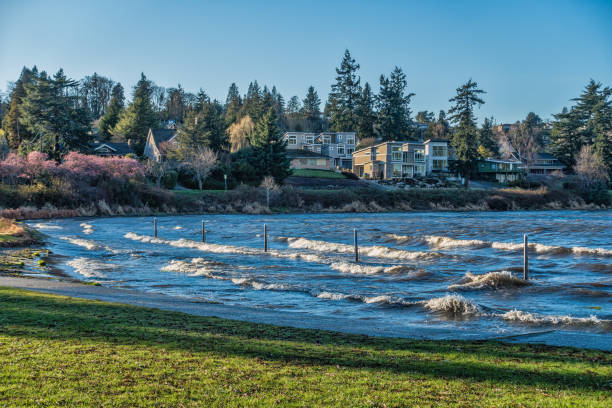
December 2025’s catastrophic Sammamish flooding wasn’t a once-in-a-lifetime event. It was a preview.
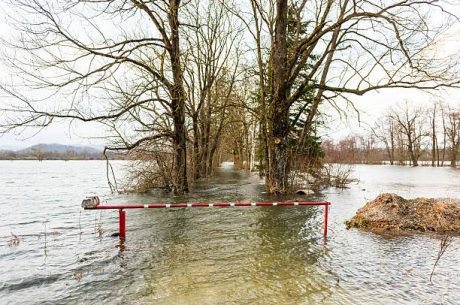
If you’re a Sammamish homeowner who just watched Lake Sammamish creep toward your home, saw Issaquah Creek overflow its banks, or witnessed the Sammamish River inundate neighborhoods—you’re probably asking the same question everyone else is: “Will this happen again?”
The answer is yes. And probably sooner than you think.
Climate projections show a 3-7% increase in maximum flows by mid-century for the Sammamish watershed. Atmospheric rivers—those devastating weather patterns that just hammered Western Washington—are increasing in frequency and intensity. The infrastructure designed to protect us (the 1965 Sammamish River Flood Project) was built for spring agricultural flooding, not winter residential catastrophes.
Here’s the uncomfortable truth: your home will face Sammamish flooding again. The only question is whether you’ll be ready.
The $100,000 Question: Prevention vs. Reconstruction
Let me put this in perspective with real numbers from recent Sammamish flooding events.
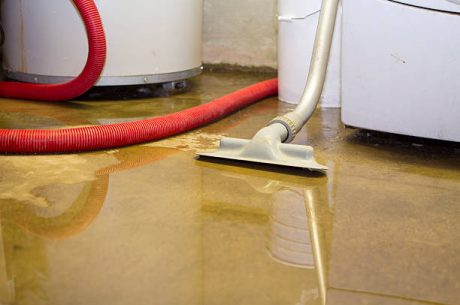
A typical home experiencing moderate flood damage faces costs of $40,000-$75,000 for water extraction and structural drying, contaminated material removal and replacement, mold remediation, HVAC system cleaning or replacement, and content restoration or replacement.
Severe flooding pushes costs to $100,000-$200,000+ when you factor in major structural repairs, complete reconstruction of damaged areas, electrical and plumbing system replacement, and extended displacement expenses.
Now compare that to prevention costs: the 10 home improvements outlined in this article total $15,000-$35,000 for comprehensive flood protection.
Do the math. Spending $25,000 now to prevent $100,000 in damage later is the easiest investment decision you’ll ever make.
Understanding Your Sammamish Flooding Risk Profile
Before diving into specific improvements, understand that Sammamish flooding manifests differently depending on your location.
Lakeshore properties (Lake Sammamish):
Flooding happens gradually as lake levels rise from high inflows from Issaquah Creek and backwater effects from Bear Creek slowing drainage. Water lingers for days or weeks because the Sammamish River weir cannot actively control lake levels—it’s fixed concrete.
Your risk: extended water exposure causing deep material penetration, shoreline erosion compromising foundations, and dock and outbuilding damage.
Creek-adjacent properties (Issaquah Creek, Bear Creek):
Flooding occurs rapidly during storm events with little warning. Creek flooding typically recedes faster than lake flooding but brings higher contamination levels from urban and agricultural runoff.
Your risk: sudden inundation, high-velocity water causing structural damage, and severe contamination requiring extensive decontamination.
Sammamish River corridor (Redmond, Woodinville, Bothell):
The 1965 flood project provides some protection but was designed for post-March agricultural flooding, not winter residential events. River flooding combines characteristics of both lake and creek patterns.
Your risk: agricultural and sewage contamination, farmland drainage issues backing up into residential areas, and infrastructure limitations that allow regular flooding.
All Sammamish properties:
Pacific Northwest humidity (69-85% year-round) accelerates damage from any flooding event. Mold colonization begins within 24-48 hours and requires professional remediation costing $15,000-$35,000 beyond standard flood restoration.
Understanding your specific risk profile helps prioritize which improvements provide maximum protection for your property.
Improvement #1: Install a Battery Backup Sump Pump System
Cost: $1,500-$3,500 | Potential Savings: $20,000-$50,000
Sump pumps are your first line of defense against basement flooding during Sammamish flooding events. But here’s what most homeowners don’t realize: standard sump pumps fail exactly when you need them most—during power outages that accompany major storms.
What this improvement includes:
A primary sump pump sized for your basement square footage (typically 1/3 to 1/2 horsepower for residential properties). A battery backup system that automatically activates when power fails, providing 4-8 hours of operation on a full charge. A high-water alarm that alerts you if water levels rise above safe thresholds, and a maintenance-free sealed battery that doesn’t require regular servicing.
Why it works:
Sump pumps collect groundwater before it enters your home, pumping it away from your foundation to safe discharge points. During December 2025’s Sammamish flooding, homes with functioning battery backup systems often avoided basement flooding entirely while neighbors without backup experienced catastrophic losses.
The sump pump should be installed at the lowest point of your basement or crawl space in a specially constructed pit. Water enters the pit through drains or natural migration, and the float switch activates pumping when levels rise.
Installation considerations:
Ensure the discharge pipe exits above ground at least 10 feet from your foundation, directing water to areas where it won’t re-enter basements or create drainage problems for neighbors. Install a check valve on the outlet pipe to prevent water from flowing back into the sump after pumping stops.
Consider a dual-pump system for properties with known flooding history—two pumps working in tandem provide redundancy if one fails.
Professional installation by certified contractors ensures proper sizing, placement, and integration with your home’s drainage system.
Improvement #2: Add a Backwater Valve to Your Sewer Line
Cost: $1,000-$2,500 | Potential Savings: $15,000-$40,000
During major Sammamish flooding, municipal sewer systems become overwhelmed. When that happens, sewage backs up into homes through the lowest drains, typically basement floor drains and toilets.
This isn’t just water damage. It’s Category 3 “black water” contamination requiring specialized hazmat remediation, complete removal of all contacted materials, and extensive decontamination protocols.
What this improvement includes:
A one-way valve installed on your main sewer line that allows wastewater to exit your home but automatically closes if sewage attempts to flow backward. Professional installation by licensed plumbers ensures the valve is properly positioned and functions correctly. Regular maintenance access through a cleanout for periodic inspection.
Why it works:
When city sewer systems reach capacity during storms, pressure forces sewage backward through service lines. A backwater valve acts as a mechanical barrier, closing automatically when reverse flow is detected.
This single device prevents contamination that would otherwise require removing all affected drywall, flooring, and personal belongings, professional decontamination of entire basement spaces, and health department inspections before reoccupancy.
Critical installation notes:
Backwater valves must be installed correctly, we’ve literally dug them out and discovered they were installed backwards, rendering them useless. Hire licensed professionals who understand local code requirements.
The valve requires periodic inspection (annually at minimum) to ensure the flapper mechanism operates freely. Debris can prevent proper closure, so maintenance is non-negotiable.
Some municipalities offer rebate programs for backwater valve installation. Check with your local water department about available incentives.
Improvement #3: Elevate Critical Mechanical Systems
Cost: $3,000-$8,000 | Potential Savings: $15,000-$30,000
Your furnace, water heater, electrical panel, and HVAC systems represent tens of thousands in replacement costs. When Sammamish flooding submerges these systems, they’re typically total losses requiring complete replacement.
What this improvement includes:
Relocating mechanical equipment above likely flood levels—either to upper floors, elevated platforms in basements, or specially constructed elevated rooms. Raising electrical panels to at least 2 feet above historical flood elevations for your area. Installing water heaters and HVAC components on elevated platforms or wall-mounted brackets. Moving washer/dryer hookups to upper floors if practical.
Why it works:
Even shallow flooding (6-12 inches) can destroy mechanical systems. Electrical components short-circuit immediately upon water contact. Gas systems require complete inspection and often replacement after submersion. Water heaters that contact floodwater become contaminated and unsafe.
Elevating these systems provides protection even during unprecedented flooding that exceeds historical levels. During December 2025’s Sammamish flooding, homes with elevated mechanicals continued operating while neighbors faced complete system replacement costing $20,000-$40,000.
Implementation strategies:
For new HVAC installations, specify wall-mounted units rather than floor-standing equipment. Create elevated platforms using pressure-treated lumber and concrete blocks in basements, ensuring platforms are anchored to prevent floating during floods.
Consider relocating laundry facilities to main floor utility rooms during renovations, eliminating basement washer/dryer vulnerability entirely.
Electrical panel elevation may require rewiring and permits, but the investment prevents both equipment loss and serious electrical hazards during flooding.
Improvement #4: Improve Property Drainage and Grading
Cost: $2,000-$6,000 | Potential Savings: $25,000-$60,000
Water follows the path of least resistance. If your property’s grading directs water toward your foundation rather than away from it, you’re inviting Sammamish flooding into your home even during moderate rain events.
What this improvement includes:
Regrading soil around your foundation so ground slopes away at minimum 6 inches per 10 feet for the first 10 feet from your home. Installing or improving French drains that intercept groundwater before it reaches foundations. Creating swales or berms that channel surface water around structures rather than toward them. Adding or extending downspout extensions so water discharges at least 10 feet from foundations.
Why it works:
Proper grading prevents water pooling near foundations where it seeps into basements through cracks, joints, and porous materials. Even without obvious flooding, water pooling near homes causes chronic dampness, mold growth, and gradual foundation deterioration.
French drains, perforated pipes surrounded by gravel installed below ground—intercept subsurface water before it reaches your foundation, directing it to safe discharge points.
During heavy rainfall events characteristic of atmospheric rivers, proper drainage prevents the gradual saturation that turns minor water intrusion into major flooding.
Professional assessment:
Hire landscape architects or drainage specialists who can evaluate your property’s unique topography. They’ll identify problem areas where water naturally flows or pools and design comprehensive solutions.
King County provides stormwater management resources through their flood services program that can guide property-specific improvements.
Improvement #5: Install Flood Vents in Crawl Spaces
Cost: $800-$1,500 | Potential Savings: $10,000-$25,000
Crawl spaces without proper venting become pressurized during Sammamish flooding, causing foundation walls to fail catastrophically. Flood vents equalize pressure while allowing water to flow through rather than building up destructive forces.
What this improvement includes:
Engineered openings in foundation walls that automatically open when water levels rise. Installation of multiple vents meeting local building codes (typically requiring 1 square inch of opening per square foot of crawl space). Proper placement ensuring vents on opposite walls to allow flow-through during flooding.
Why it works:
During flooding, water pressure against foundation walls without venting can exceed structural capacity, causing walls to bow, crack, or collapse entirely. Foundation failure creates structural damage costing $50,000-$150,000 to repair.
Flood vents allow water to enter and exit crawl spaces freely, equalizing pressure and protecting structural integrity. Yes, this means crawl spaces flood—but controlled flooding prevents catastrophic failure.
After water recedes, crawl spaces with flood vents dry faster because ventilation continues working. This reduces mold risk and allows quicker restoration.
Building code compliance:
Many flood-prone areas now require flood vents for new construction and substantial renovations. Installing them proactively demonstrates code compliance and can reduce flood insurance premiums.
Vents must be properly rated and certified to meet FEMA flood vent requirements. Don’t use DIY solutions—engineered vents ensure functionality when you need it most.
Improvement #6: Apply Foundation Waterproofing
Cost: $3,000-$8,000 | Potential Savings: $20,000-$50,000
Even without catastrophic flooding, Sammamish flooding events increase groundwater levels significantly. This elevated moisture penetrates foundations through cracks, joints, and porous concrete, causing chronic dampness that leads to mold, wood rot, and structural deterioration.
What this improvement includes:
Excavating soil around foundation perimeters to expose exterior walls. Cleaning foundation surfaces and repairing cracks with hydraulic cement or epoxy injection. Applying waterproof membrane coatings rated for below-grade use. Installing drainage matting that channels water to footer drains rather than allowing it to sit against foundations.
Why it works:
Concrete is porous. Water under pressure (hydrostatic pressure during Sammamish flooding) penetrates foundations and appears as dampness, staining, or active seepage inside basements.
Waterproof membranes create impermeable barriers preventing water penetration. Combined with proper drainage, this keeps basements dry even when surrounded by saturated soil.
Interior waterproofing (applied to inside basement walls) provides some protection but doesn’t address the root cause—water against exterior surfaces. Exterior waterproofing prevents water from ever reaching foundation walls.
Alternative approach:
For homes where exterior excavation is impractical (established landscaping, proximity to property lines, or structural concerns), interior waterproofing combined with drainage systems can provide acceptable protection at lower cost ($2,000-$4,000).
This includes installing interior drainage channels along basement perimeters that collect seeping water and direct it to sump pumps before it emerges on basement floors.
Improvement #7: Upgrade to Flood-Resistant Materials
Cost: $5,000-$15,000 (during renovation) | Potential Savings: $30,000-$70,000
If you’re renovating basements or ground floors, using flood-resistant materials dramatically reduces damage severity during future Sammamish flooding events.
What this improvement includes:
Replacing carpet with ceramic tile, luxury vinyl plank, or sealed concrete in flood-prone areas. Installing cement board drywall rather than standard gypsum drywall in basements. Using metal studs instead of wood framing in flood-vulnerable areas. Selecting water-resistant or waterproof cabinetry for basement installations. Elevating electrical outlets and switches above likely flood levels.
Why it works:
Traditional building materials suffer catastrophic damage when flooded: Carpet and padding must be disposed of entirely after contaminated flooding, drywall wicks water vertically and requires replacement if water reaches more than 12-18 inches high, wood framing swells, warps, and provides nutrients for mold colonization, and particle board cabinetry disintegrates completely when waterlogged.
Flood-resistant materials either resist water damage entirely or can be cleaned and restored rather than requiring replacement. This dramatically reduces restoration costs and timeline.
A basement finished with flood-resistant materials might require $8,000-$15,000 in cleaning and restoration after flooding. The same basement with traditional materials requires $40,000-$65,000 in complete reconstruction.
Strategic implementation:
Prioritize flood-resistant materials in basements and ground floors near entry doors where water intrusion is most likely. Upper floors can use traditional materials since flooding rarely reaches those elevations.
Consider the long-term value: yes, tile flooring costs more than carpet initially, but it lasts longer, cleans easier, and survives flooding that would destroy carpet.
Improvement #8: Create Emergency Drainage Paths
Cost: $1,500-$4,000 | Potential Savings: $15,000-$40,000
During extreme Sammamish flooding, water will enter your property. The question is whether it flows through in controlled ways or pools against structures causing maximum damage.
What this improvement includes:
Installing overflow drains near entry doors and vulnerable areas that direct excess water away from foundations before it accumulates. Creating deliberate drainage channels that guide water around structures during extreme events. Installing drain grates and catch basins in strategic locations where water naturally accumulates.
Why it works:
Engineers call this “defensive flooding”, accepting that extreme events will overwhelm primary defenses and creating secondary systems that minimize damage when primary systems fail.
During December 2025’s unprecedented rainfall, properties with emergency drainage paths experienced water flowing through yards and around homes rather than pooling against foundations and forcing entry through cracks and penetrations.
Think of it as a pressure relief valve for your property. You hope you never need it, but when storm intensity exceeds expectations, emergency drainage prevents catastrophic damage.
Design principles:
Emergency drainage should activate only during extreme events—not during normal rainfall. This typically means setting drainage channels and overflows at elevations slightly above normal capacity but below structural threat levels.
Work with landscape professionals who understand hydrology and can model water flow patterns specific to your property’s topography.
Improvement #9: Install a Whole-House Water Detection System
Cost: $500-$2,000 | Potential Savings: $20,000-$60,000
Early detection is your best defense. Water damage that’s addressed within the first 4 hours costs exponentially less than damage discovered days later after mold colonization begins.
What this improvement includes:
Wireless water sensors placed in vulnerable locations including near sump pumps, water heaters, washing machines, under sinks, near basement floor drains, and along basement perimeters. A central hub that monitors all sensors and sends alerts to your smartphone when water is detected. Smart home integration allowing automatic responses like shutting off water supply or activating pumps.
Why it works:
The homeowners who suffered the worst damage during Sammamish flooding often weren’t home when flooding began. By the time they discovered water intrusion—hours or days later—extensive damage had occurred.
Water detection systems alert you immediately when problems develop, allowing rapid response that prevents minor leaks from becoming major disasters. Many systems integrate with smart home platforms, automatically shutting off water supply when leaks are detected.
For Sammamish flooding scenarios, sensors alert you that water is rising in basements or crawl spaces, allowing you to activate emergency response before damage becomes severe.
Advanced features:
Some systems include moisture sensors that detect elevated humidity before visible water appears. This provides even earlier warning of potential problems.
Professional monitoring services can dispatch emergency responders automatically if you’re traveling or unable to respond personally.
Improvement #10: Participate in the Lake Sammamish Grant Program
Cost: 25% cash match (up to $25,000) | Potential Savings: $75,000 in grant funding
Here’s something most Sammamish residents don’t know: the King County Flood Control District offers $1 million in grants for shoreline property owners to implement flood mitigation improvements.
Program details:
Single-family homeowners along Lake Sammamish shoreline are eligible (Redmond, Sammamish, Issaquah, and Bellevue lakeshore properties). Grants up to $100,000 per property with a required 25% cash match. Funds available for design, permitting, and construction of eligible improvements. Application deadline was August 15, 2025, but watch for future funding rounds.
Eligible improvements:
Dock reconfiguration and elevation to reduce flood damage. Shoreline erosion control that protects property and improves salmon habitat. Flood-resistant infrastructure improvements. Projects that reduce flood risk while meeting environmental protection standards.
Why this matters:
This program directly subsidizes flood mitigation improvements that would otherwise cost $50,000-$150,000. By providing 75% funding, it makes comprehensive flood protection financially accessible.
Even if you missed the 2025 application deadline, contact the King County Flood Control District about future funding opportunities. Several grant programs exist beyond the Lake Sammamish pilot program, including the Steve Bleifuhs Memorial Flood Reduction Grant Program which awarded more than $14.8 million to 35 projects across King County in recent funding rounds.
Beyond Individual Properties: Community-Level Solutions
While the improvements above protect individual homes, comprehensive Sammamish flooding solutions require community and government action.
The infrastructure reality:
King County is developing a Sammamish River Capital Investment Strategy for 2025-2045 that will guide future flood control projects. However, there is no single project that will prevent all Lake Sammamish flooding—the problem requires multiple interventions across the watershed.
The Willowmoor Transition Zone project aims to alter the zone between the Sammamish River and Lake Sammamish to improve habitat while addressing maintenance costs and sustainable flood control. This represents one of the most significant infrastructure investments in regional flood management.
What homeowners can do:
Participate in public comment periods for flood control projects. Your input shapes priorities and funding allocation. Join community organizations like Washington Sensible Shorelines Association that advocate for flood protection and shoreline resilience. Attend King County Flood Control District meetings to stay informed about regional initiatives. Contact your local representatives about funding priorities for flood mitigation.
The Climate Reality: Why This Matters More Every Year
Let’s talk about what’s coming. Climate projections for the Sammamish watershed show a 3-7% increase in maximum flows by mid-century. That might not sound dramatic, but in hydrological terms, it’s significant.
More frequent atmospheric rivers mean more intense rainfall concentrated in shorter periods. Warmer temperatures shift precipitation from snow to rain, eliminating the natural “reservoir” effect of mountain snowpack that historically regulated water release. Earlier spring snowmelt combines with winter rain to create flood conditions during seasons that were traditionally lower risk.
December 2025’s Sammamish flooding demonstrated these changing patterns. Historically, major flood risk peaked in spring when mountain snowmelt combined with rainfall. Now, winter atmospheric rivers create catastrophic flooding when ground saturation combines with intense precipitation and inadequate drainage capacity.
This isn’t a one-time anomaly. This is the new normal.
Every year you delay implementing flood protection is a year you’re gambling that the next major event won’t be the one that devastates your property.
Frequently Asked Questions
Q: Which flood prevention improvements provide the best return on investment?
A: Battery backup sump pumps ($1,500-$3,500) and backwater valves ($1,000-$2,500) provide the highest protection per dollar spent, preventing tens of thousands in damage for relatively modest investment. Prioritize these first, then add additional layers of protection based on your specific flood risk profile.
Q: Can I DIY these improvements or do I need professionals?
A: Some improvements like water detection systems can be DIY projects. However, sump pumps, backwater valves, foundation waterproofing, electrical work, and drainage modifications require licensed professionals. Improper installation can void warranties, violate building codes, and fail when you need protection most.
Q: Will flood prevention improvements reduce my insurance premiums?
A: Some improvements may reduce premiums, particularly if you’re in FEMA-designated flood zones. However, reduced insurance costs aren’t the primary benefit—avoiding $100,000 in uninsured losses and out-of-pocket expenses provides far greater financial protection than premium savings.
Q: How do I prioritize improvements if I can’t afford everything at once?
A: Start with sump pump and backwater valve installations—these provide maximum protection for minimum investment. Next, address drainage and grading issues. Then add foundation waterproofing and mechanical system elevation. Finally, implement flood-resistant materials during normal renovation cycles.
Q: Are there financing options for flood mitigation improvements?
A: Some municipalities offer low-interest loans for flood mitigation. Additionally, home equity lines of credit often provide reasonable financing. King County grant programs can reduce total costs significantly. Some insurance companies offer premium discounts or rebates for mitigation investments.
Q: What if I live in an area that’s never flooded before?
A: December 2025 demonstrated that historical flood patterns no longer predict future risks. Climate change is creating flood events in areas previously considered safe. Many Lake Sammamish shoreline properties flooded for the first time despite decades without incident. Previous safety doesn’t guarantee future protection.
Q: How often should flood prevention systems be maintained?
A: Sump pumps should be tested quarterly and professionally serviced annually. Backwater valves require annual inspection to ensure proper operation. Drainage systems need periodic cleaning to remove accumulated debris. Water detection systems need battery replacement according to manufacturer schedules. Regular maintenance ensures systems function during emergencies.
Q: Will these improvements protect against catastrophic flooding like December 2025?
A: No single improvement provides absolute protection against unprecedented flooding. However, comprehensive implementation of multiple improvements creates layered defense that dramatically reduces damage severity even during extreme events. The goal is resilience—minimizing damage and accelerating recovery—rather than complete prevention.
Taking Action: Your Flood Prevention Roadmap
Here’s your practical implementation timeline:
Immediate (Next 30 days):
- Schedule professional property assessment to identify specific vulnerabilities
- Get quotes for sump pump and backwater valve installation
- Research available grant programs and application deadlines
- Document your home’s current condition for future insurance purposes
Short-term (Next 90 days):
- Install battery backup sump pump system
- Add backwater valve to sewer line
- Install whole-house water detection system
- Address obvious drainage problems around foundations
Medium-term (Next 6-12 months):
- Implement comprehensive drainage improvements
- Apply foundation waterproofing
- Elevate critical mechanical systems
- Install flood vents if applicable
Long-term (Next 1-3 years):
- Incorporate flood-resistant materials during renovations
- Create emergency drainage paths
- Participate in grant programs for larger improvements
- Continuously improve protection based on observed performance
The Cost of Inaction vs. the Value of Preparation
Let me close with a stark comparison based on actual Sammamish flooding recovery costs:
Scenario A: No Prevention Measures Home experiences moderate flooding during next major event. Total costs: $60,000-$95,000 including water extraction and drying ($15,000-$25,000), contaminated material removal and reconstruction ($25,000-$40,000), mold remediation ($10,000-$20,000), mechanical system replacement ($8,000-$15,000), content loss ($5,000-$10,000), and displacement expenses ($2,000-$5,000).
Scenario B: Comprehensive Prevention Home implements improvements totaling $22,000: Battery backup sump pump ($2,500), backwater valve ($1,500), property drainage improvements ($4,000), foundation waterproofing ($5,000), flood-resistant materials in basement ($6,000), water detection system ($1,000), emergency drainage ($2,000).
During next major event: Minor water intrusion detected early by sensors. Sump pump prevents basement flooding. Backwater valve prevents sewage backup. Improved drainage keeps water away from foundation. Total damage: $2,000-$5,000 in minor cleanup.
Net savings: $55,000-$90,000.
That’s the difference between preparation and panic. Between resilience and ruin.
When Flooding Happens: Professional Help Matters
Despite best prevention efforts, extreme events like December 2025’s atmospheric rivers can overwhelm even comprehensive protections. When that happens, rapid professional response makes all the difference.
PuroClean of Sammamish specializes in emergency water damage restoration throughout the Sammamish watershed. We understand the unique challenges of Lake Sammamish lakeshore flooding, Issaquah Creek urban flooding, Sammamish River corridor flooding, and Pacific Northwest humidity that accelerates damage.
Our comprehensive services include:
- 24/7 emergency response within 60 minutes
- Industrial water extraction removing thousands of gallons per hour
- Thermal imaging moisture detection finding hidden damage
- Commercial structural drying preventing mold colonization
- Complete documentation for insurance claims
- Content restoration saving irreplaceable belongings
- Full reconstruction restoring homes to pre-loss condition
But more importantly, we believe in prevention. Our certified technicians provide free consultations assessing your property’s flood vulnerabilities and recommending cost-effective improvements that prevent future disasters.
Call PuroClean of Sammamish at (425) 947-1001 for flood prevention consultation or emergency restoration services.
Don’t wait for the next Sammamish flooding event to wish you’d taken action. Every day you delay is another day you’re vulnerable to a storm that could arrive tomorrow.
The December 2025 floods taught us that “it won’t happen here” is no longer valid. Climate change has rewritten flood risk across the entire Sammamish watershed.
Protect your home. Protect your investment. Protect your family’s future.
The next atmospheric river is coming. Will you be ready?
PuroClean of Sammamish provides 24/7 emergency water damage restoration, flood mitigation consultation, and comprehensive recovery services throughout Sammamish, Issaquah, Redmond, Woodinville, Bellevue, and all communities in the Lake Sammamish and Sammamish River watersheds. Our IICRC-certified technicians combine emergency response expertise with long-term flood prevention planning to protect Eastside homeowners from current and future flooding events.

 PuroClean of Sammamish