


Table of Contents
Why Mold Testing Matters
Mold is far more than a cosmetic issue; it can quietly threaten your home’s structural integrity and your family’s health. That’s why mold testing plays such a vital role in home maintenance and indoor air quality management. When water enters your home, whether through leaks, humidity, or flooding, it creates an ideal environment for mold spores to thrive.
Without testing, this invisible intruder can spread unnoticed, releasing spores that trigger allergies, asthma, and other respiratory conditions. Over time, mold can damage wood, drywall, and insulation, leading to costly repairs and potential long-term health issues.
Understanding What Mold Testing Really Is
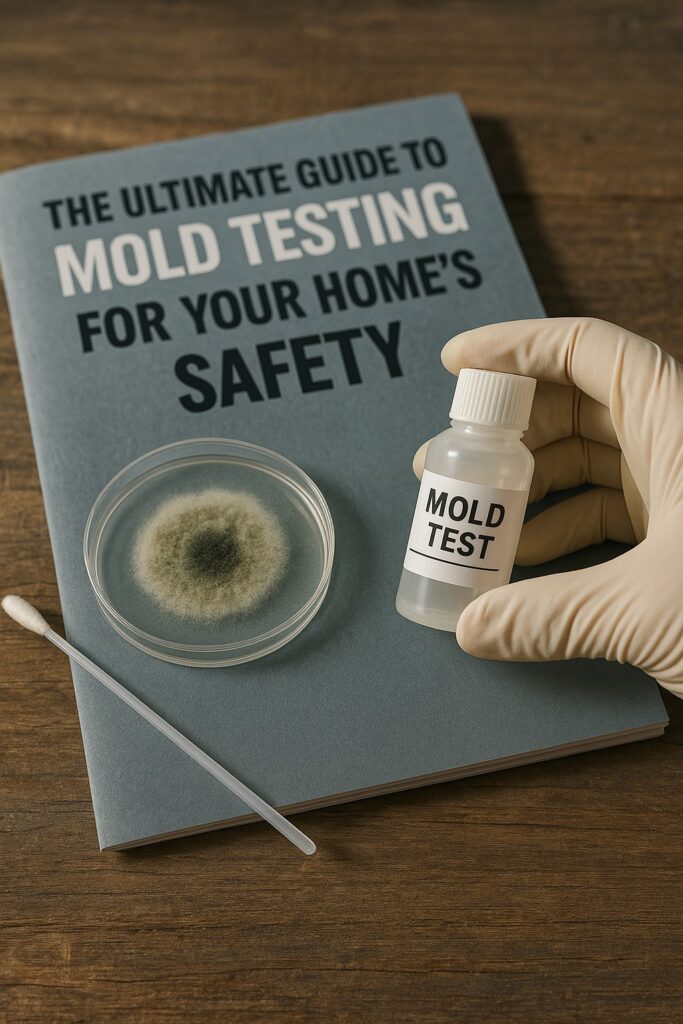
Mold testing is a professional process that detects, identifies, and measures the extent of mold growth in a building. It involves taking air or surface samples and analyzing them in a lab to determine the type and concentration of mold spores present.
According to the U.S. Environmental Protection Agency (EPA), sampling for mold “should be conducted by professionals experienced in designing mold sampling protocols, methods, and interpreting results.” The agency also emphasizes that no federal standards exist for acceptable levels of mold indoors making professional evaluation essential to understanding the true risk.
Source: EPA – Mold Testing or Sampling
Professional testing can help you:
- Identify hidden mold growth behind walls or under flooring.
- Detects moisture sources that promote mold formation.
- Receive a detailed report on contamination levels.
- Develop an effective remediation plan tailored to your home.
- Protect your indoor air quality and your health.
Signs That You Need Mold Testing
While testing isn’t required in every case, there are several clear warning signs that indicate it’s time to call professionals.
Musty Odor or Visible Growth
A persistent musty odor is often the first sign of mold growth, even when no visible patches are present. Any discoloration on walls, ceilings, or baseboards may also suggest a growing problem beneath the surface.
Recent Water Damage
If your home has experienced leaks, flooding, or high humidity, mold can begin developing within 24–48 hours. Testing ensures any hidden contamination is discovered and remediated quickly.
Unexplained Health Symptoms
If you or your family experience ongoing allergy-like symptoms such as coughing, sneezing, or eye irritation especially indoors mold may be the culprit. The Centers for Disease Control and Prevention (CDC) notes that mold exposure can worsen asthma and cause respiratory issues.
Source: CDC – Mold Testing & Remediation
Buying or Selling a Home
Real estate transactions are another time when testing is valuable. Buyers gain confidence knowing the home’s air quality is safe, and sellers can address any issues before listing.
How Mold Testing Works
The process of testing involves a few important steps that together provide a clear understanding of your home’s condition.
Visual Inspection
A certified technician begins by inspecting your property for visible mold growth, moisture intrusion, and structural conditions that support mold proliferation.
Moisture Measurement
Using advanced tools such as infrared cameras and moisture meters, professionals locate areas where dampness exists, often hidden behind walls or under flooring.
Sampling
The technician collects air samples and surface swabs from different parts of your home. Air sampling measures the concentration of spores in the atmosphere, while surface sampling confirms active mold on specific materials.
Laboratory Analysis
The collected samples are sent to a certified laboratory for analysis. Experts identify the mold species, assess the contamination level, and determine the potential health risk.
Report & Recommendations
Finally, you receive a detailed report with findings and professional recommendations. If mold is found, your provider will suggest an appropriate remediation plan.

Common Myths About Mold Testing
There are many misconceptions about mold and testing. Understanding the facts can save homeowners time, money, and frustration.
Myth 1: “No visible mold means no problem.”
False. Mold often grows in hidden places inside walls, HVAC ducts, or crawl spaces. Only professional mold testing can detect these invisible threats.
Myth 2: “DIY test kits are enough.”
Home test kits can offer clues but often provide inaccurate or incomplete results. Professional testing uses controlled sampling and accredited labs for accuracy.
Myth 3: “Air sampling tells everything.”
Air sampling is important but not the whole story. It should always be combined with visual inspection and moisture testing for complete results.
Why Professional Mold Testing Is Crucial
Mold testing should always be handled by certified professionals rather than a DIY approach. Qualified technicians have the expertise, tools, and laboratory access necessary for accurate results.
Professionals also understand how to interpret the data correctly differentiating between harmless background spores and those indicating a serious problem. This ensures homeowners receive a clear, actionable plan rather than confusing or misleading numbers.
Additionally, professionals helps ensure your remediation process is both effective and safe. Following remediation, post-testing verifies that mold has been fully removed and that indoor air quality meets healthy standards.
How to Prepare for Mold Testing
Before a technician arrives for testing, take a few simple steps to ensure accurate results:
- Close windows and doors for at least 24 hours before testing to maintain stable air conditions.
- Avoid cleaning or disturbing suspected mold areas.
- Turn off HVAC systems to prevent spore movement during sampling.
- Provide the technician with background information about water leaks, odors, or previous remediation.
The Cost and Long-Term Value of Mold Testing
While prices vary based on property size and testing scope, mold testing is a worthwhile investment in your home’s safety and health.
It helps prevent major repairs, reduces health risks, and maintains property value. Early detection allows for targeted remediation before mold spreads widely saving thousands in potential damage costs. Compared to the expense of structural restoration or ongoing medical treatments due to poor air quality, mold testing is a proactive and affordable solution.
Preventing Mold Growth After Testing
Once you’ve completed mold testing and remediation, prevention becomes the next crucial step. Mold thrives in moist, dark, and poorly ventilated environments, so controlling humidity and moisture is key.
Practical prevention tips include:
- Keep indoor humidity below 50%.
- Use dehumidifiers and exhaust fans in bathrooms and kitchens.
- Regularly inspect plumbing and roof lines for leaks.
- Ensure your basement or crawl space is well-ventilated and dry.
- Dry wet materials immediately after leaks or floods.
Mold prevention is ongoing; it’s about maintaining good ventilation, proper insulation, and moisture control year-round.
Regional Considerations for Mold Testing in Jericho, NY
Homes in Jericho and across Long Island face specific environmental challenges that make testing even more important. Coastal humidity, aging home infrastructure, and periodic storms increase the likelihood of water intrusion.
Basements and crawl spaces are particularly vulnerable to mold development in this region. That’s why homeowners in Nassau and Suffolk Counties should consider scheduling tests after any flooding, plumbing leak, or seasonal dampness.
Local experts, such as PuroClean of Jericho, understand these unique regional conditions and respond quickly with advanced mold testing and remediation technology tailored for Long Island properties.
Why Mold Testing Should Be a Regular Home Health Check
Your home is a living system where air, moisture, temperature, and structure interact constantly. Routine mold testing helps you monitor those dynamics and detect problems early, just as a doctor’s check-up maintains your health.
It provides measurable insight into indoor air quality, identifies hidden threats, and helps you take proactive measures before mold spreads or causes health symptoms. Scheduling periodic testing every few years or after major weather events ensures your environment stays safe, clean, and healthy.
Final Thoughts on Mold Testing
Mold testing is more than a diagnostic, it’s a preventive investment that secures your property and protects your loved ones. When done professionally, it reveals hidden contamination, guides precise remediation, and prevents future outbreaks.
If you’ve experienced water damage, notice a persistent musty odor, or simply want peace of mind about your home’s air quality, it’s time to call the professionals.
Protect your home today with professional mold testing from PuroClean of Jericho.
Our certified technicians use advanced testing and remediation methods to detect and eliminate mold at its source fast, safely, and effectively.
Call (516) 421-6400 today to schedule your inspection and safeguard your home from hidden mold. Trust PuroClean of Jericho, your local property restoration experts, to restore comfort and health to your home.