What mold removal equipment do professionals use in Westwood, NJ? Learn about HEPA vacuums, air scrubbers, dehumidifiers and safe cleanup after flooding.
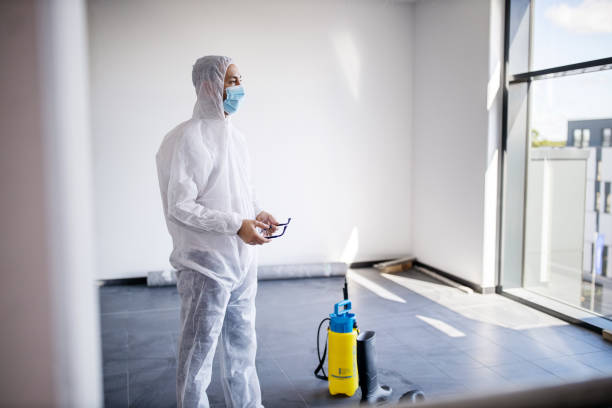
Mold Removal Equipment in Westwood, NJ: What Professionals Use and Why It Matters
The basement has finally stopped flooding. You’ve removed the standing water, opened a few windows, and brought in a fan.
But two days later, something still isn’t right.
The carpet feels damp. There’s a musty smell near the walls. And you’re beginning to wonder whether the moisture has reached places you can’t see.
Should you rent a bigger dehumidifier? Buy a HEPA vacuum? Or is this the kind of problem that needs professional equipment?
If you’re researching mold removal equipment in Westwood, NJ, those are reasonable questions.
The truth is that removing mold after water damage involves more than drying what you can see. Professionals use different tools to locate moisture, contain contamination, clean affected surfaces, and dry building materials.
Understanding what those tools do can help you decide whether a cleanup is manageable on your own or requires professional assistance.
At PuroClean of Ridgewood, we help Westwood property owners deal with mold and water damage using professional restoration methods and equipment.
Need help after a leak or flood? Call (551) 751-1288 for 24/7 assistance or request an on-site estimate.
Why the Right Mold Removal Equipment Matters
Mold doesn’t grow because a basement is old or a room hasn’t been cleaned recently.
It grows when moisture remains on suitable materials.
After a flood, water can soak into drywall, insulation, wooden framing, carpet padding, and other materials. Some of that moisture may remain hidden even after the floor looks dry.
This is where professional equipment becomes important.
A household fan can move air around a room, but it cannot tell you whether moisture remains behind a wall.
A regular vacuum can collect visible debris, but it may not capture the fine particles released when mold-contaminated materials are disturbed.
And a dehumidifier can lower humidity without removing existing mold contamination.
Professional mold remediation uses different equipment for different purposes.
The goal is to understand where moisture remains, control the work area, remove affected materials appropriately, and verify that drying is progressing.
7 Pro Tools for Mold Removal Equipment Westwood NJ
1. Moisture Meters: Finding Water You Cannot See
One of the first tools restoration professionals use is a moisture meter.
A moisture meter helps determine whether building materials contain excess moisture.
Depending on the equipment and material, technicians may use pin-type meters or non-invasive moisture detection tools.
These readings help identify areas that need further investigation and track drying progress.
Why This Matters After a Westwood Basement Flood
Imagine that water entered your basement during a storm.
You removed the standing water and dried the visible floor. Everything looks normal.
But moisture may still be present inside the drywall or beneath the flooring.
Without checking the materials, you may assume the room is dry before it actually is.
Moisture meters help technicians make decisions based on measurements rather than appearance alone.
Important: A moisture meter does not detect mold. It measures moisture conditions that may support mold growth.
2. Thermal Imaging Cameras: Looking for Hidden Moisture Patterns
A thermal imaging camera is another tool used during water damage investigations.
It displays temperature differences across surfaces.
Because wet materials can sometimes have different temperatures from surrounding dry materials, thermal imaging may help identify areas that deserve closer examination.
For example, a technician might notice an unusual temperature pattern on a basement wall or ceiling.
That finding can then be checked using a moisture meter or other inspection methods.
Thermal imaging is useful, but it has limitations.
It cannot see through walls or confirm that mold is present. Temperature differences can have several causes, including insulation gaps and airflow.
Think of it as a tool that helps professionals decide where to investigate, not a camera that directly reveals mold.
3. HEPA Air Scrubbers: Helping Control Airborne Particles
If you’ve ever watched a professional mold remediation project, you may have noticed a large machine connected to flexible ducting.
That machine may be a HEPA-filtered air scrubber or negative air machine.
Its purpose is to help capture airborne particles while contaminated materials are being disturbed.
HEPA stands for High-Efficiency Particulate Air.
A true HEPA filter is designed to capture at least 99.97% of particles measuring 0.3 microns under its specified test conditions.
During mold remediation, HEPA filtration can help capture airborne mold particles and other fine debris.
Why Not Just Open the Windows?
Opening windows may help ventilation in some circumstances, but it does not replace controlled filtration and containment during mold remediation.
When contaminated drywall or other materials are removed, particles can become airborne.
Without appropriate precautions, those particles may spread into other areas.
Professional air filtration equipment helps manage this risk as part of a properly designed remediation process.
An air scrubber alone, however, does not remove mold growing on building materials.
4. Containment Barriers and Negative Air Pressure
Not all important mold remediation equipment has a motor.
Plastic containment sheeting, sealed openings, and protective barriers can be just as important as powered machines.
Containment helps separate the affected area from the rest of the property.
For larger or more complex projects, technicians may establish negative air pressure within the work area.
This means air is drawn into the contained area rather than being allowed to flow freely outward.
The purpose is to reduce the movement of contamination into unaffected rooms.
Why Containment Matters in a Finished Basement
Suppose mold is discovered behind a finished basement wall.
Removing the damaged drywall without appropriate containment could release particles into the surrounding room.
If the basement connects directly to living areas, those particles may travel beyond the immediate work area.
Containment helps limit that spread while remediation is underway.
The specific containment measures depend on the extent of contamination and the remediation plan.
5. HEPA Vacuums: Cleaning Fine Dust and Mold Particles
A HEPA vacuum is different from an ordinary household vacuum.
Professional HEPA vacuums are designed to collect fine particles while limiting their release back into the surrounding air.
They may be used during remediation to remove settled dust and debris from appropriate surfaces.
However, a HEPA vacuum is not a complete mold removal solution.
It cannot make heavily contaminated drywall or insulation suitable for reuse simply by vacuuming the surface.
The material’s condition determines whether cleaning or removal is appropriate.
Can You Use a Shop Vacuum for Mold?
A standard shop vacuum is generally not suitable for collecting mold-contaminated debris.
Without appropriate filtration and sealing, fine particles may pass through the equipment and return to the air.
Even a vacuum marketed as having a HEPA filter may not perform like a properly sealed HEPA vacuum system.
If you’re considering renting equipment, ask about the machine’s filtration, intended use, and safe handling requirements.
For extensive contamination, professional remediation is the safer approach.
6. Commercial Dehumidifiers: Removing Excess Moisture From the Air
After a flood or major leak, drying the structure becomes a priority.
Commercial dehumidifiers help remove moisture from indoor air, creating conditions that support drying.
Depending on the project, restoration professionals may use refrigerant or desiccant dehumidifiers.
The equipment selected depends on temperature, humidity, the size of the affected space, and the materials being dried.
Is a Household Dehumidifier Enough?
Sometimes a household dehumidifier is useful for controlling routine basement humidity.
However, a flooded basement may contain substantial moisture inside walls, flooring, and other building materials.
A small household unit may not have sufficient capacity for that drying workload.
Professional technicians monitor moisture conditions and adjust equipment as needed.
The EPA recommends drying wet materials within 24 to 48 hours, where possible, to help prevent mold growth.
A dehumidifier helps control moisture. It does not remove mold that has already developed.
7. Air Movers: Speeding Up Structural Drying
Air movers are powerful fans designed to direct airflow across wet surfaces.
They are commonly used during professional water damage restoration alongside dehumidifiers.
The movement of air helps moisture evaporate from affected materials, while dehumidifiers remove moisture from the surrounding air.
Together, these tools can support structural drying.
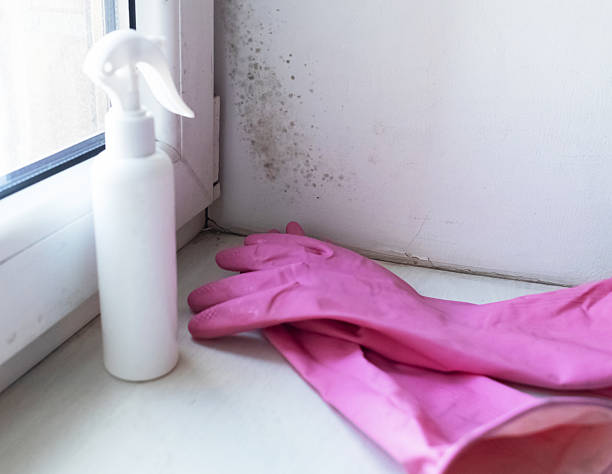
However, there is an important distinction between drying water-damaged materials and disturbing an area with established mold contamination.
Should You Point a Fan at a Moldy Wall?
Not without considering the contamination.
Directing strong airflow across exposed mold may release particles and spread them into other areas.
Professional restoration teams determine when air movers can be used safely and whether containment or material removal must occur first.
This is one reason that simply renting industrial fans is not always an appropriate solution.
8. Personal Protective Equipment: Protecting People During Cleanup
Mold remediation can involve contact with contaminated materials, airborne particles, and cleaning products.
Protective equipment is therefore an important part of the work.
Depending on the project, this may include:
- Appropriate respiratory protection
- Protective gloves
- Eye protection
- Disposable protective clothing
- Suitable footwear
The EPA recommends at least an N95 respirator, protective gloves, and appropriate eye protection for certain small-scale mold cleanup activities.
Larger or more hazardous projects may require additional protective measures and properly fitted respirators.
People with asthma, allergies, weakened immune systems, or other relevant health concerns should avoid participating in mold cleanup.
Protective equipment reduces exposure risks, but it does not replace safe remediation procedures.
Which Mold Removal Equipment Do You Actually Need?
Not every water damage problem requires the same machines.
The equipment depends on the source of water, extent of contamination, affected materials, and drying requirements.
| Equipment | Main purpose |
|---|---|
| Moisture meter | Measures moisture in building materials |
| Thermal imaging camera | Helps identify temperature patterns that may indicate moisture |
| HEPA air scrubber | Captures airborne particles |
| Containment barriers | Separates affected areas from clean spaces |
| Negative air machine | Helps control airflow in contained areas |
| HEPA vacuum | Collects fine dust and particles from appropriate surfaces |
| Commercial dehumidifier | Removes excess moisture from indoor air |
| Air mover | Supports drying through controlled airflow |
| Protective equipment | Helps reduce worker exposure |
A small, isolated moisture problem may require relatively limited equipment.
A flooded basement with contaminated drywall, wet insulation, and extensive water damage may require a more involved restoration plan.
The right equipment should be selected based on the actual conditions, not simply because a machine is available.
Flood Damage in Westwood: When Equipment Alone Isn’t Enough
Westwood is located in Bergen County, and the Pascack Brook watershed has a history of flooding concerns.
For properties affected by heavy rainfall or water intrusion, the type of water matters.
Clean water from a recently broken supply pipe presents different risks from floodwater entering from outside or sewage backing up through a drain.
Floodwater can carry bacteria, chemicals, sewage, and other contaminants.
In these situations, ordinary drying equipment and household cleaning products may not be sufficient.
Contaminated porous materials may require removal, and the cleanup may involve additional safety procedures.
The EPA advises seeking professional assistance when mold or water damage involves sewage or other contaminated water.
If you’re dealing with sewage-related damage, read our guide to sewage cleanup in Westwood.
What Should You Do While Waiting for Professional Help?
If your basement has flooded:
- Stay out of standing water if electrical hazards may be present.
- Keep children and pets away from affected areas.
- Avoid disturbing visible mold or contaminated materials.
- Take photographs of the damage when it is safe.
- Contact a qualified restoration professional for guidance.
Do not enter floodwater to shut off electrical equipment. Contact your utility or a qualified electrician when electrical safety is uncertain.
Can You Rent Mold Removal Equipment Instead of Hiring Professionals?
Yes, some restoration equipment is available for rent.
You may be able to rent dehumidifiers, air movers, or certain HEPA-filtered machines.
But renting equipment and completing mold remediation safely are not the same thing.
The difficult part is often knowing:
- Which materials are contaminated
- Whether hidden moisture remains
- What needs to be removed
- How to contain the affected area
- When drying equipment can be used safely
- How to determine whether the remediation is complete
For a small, manageable surface problem, appropriate homeowner cleanup may be possible.
For extensive mold, contaminated floodwater, or moisture hidden inside building materials, professional assessment and remediation are generally advisable.
Before renting multiple machines, consider whether an inspection could help you avoid unnecessary equipment costs or incomplete cleanup.
How Mold Removal Equipment Affects Your Restoration Estimate
When you receive a professional mold remediation estimate, you may see charges associated with equipment, labor, containment, material removal, and drying.
That doesn’t necessarily mean every project needs every machine.
For example, a basement with extensive moisture damage may require multiple dehumidifiers and air movers over several days.
A smaller, contained remediation project may require a different equipment setup.
The total cost depends on the size of the affected area, the condition of the materials, the amount of moisture present, and the duration of the work.
Before approving an estimate, ask the contractor to explain which equipment is necessary and why.
You should also understand whether the quote includes material removal, cleaning, drying, testing, or repairs.
At PuroClean of Ridgewood, we can discuss the damage and help you understand the proposed restoration work.
Request an on-site estimate or call (551) 751-1288.
Frequently Asked Questions About Mold Removal Equipment in Westwood, NJ
What equipment do professionals use to remove mold?
Professional mold remediation may involve moisture meters, thermal imaging cameras, HEPA vacuums, air scrubbers, containment barriers, negative air machines, dehumidifiers, air movers, and protective equipment. The specific tools depend on the project.
Does a HEPA air scrubber remove mold from walls?
No. A HEPA air scrubber captures airborne particles, but it does not remove mold growing on drywall, wood, or other materials. Contaminated surfaces still require appropriate cleaning or removal.
Can I use a regular vacuum to clean mold?
A standard household vacuum is not recommended for mold-contaminated debris because it may release fine particles back into the air. Properly designed HEPA vacuum equipment is used for appropriate remediation tasks.
Will a dehumidifier kill mold?
No. A dehumidifier lowers humidity and can help discourage new growth, but it does not reliably eliminate existing mold contamination. The affected materials and moisture source still need attention.
How long should drying equipment run after flooding?
There is no fixed duration for every property. Drying depends on the amount of water, affected materials, temperature, humidity, and equipment capacity. Professionals monitor moisture readings to determine when appropriate drying goals have been reached.
Is professional equipment necessary after basement flooding?
It depends on the extent and source of the water. Significant flooding, contaminated water, hidden moisture, and established mold growth often require professional restoration methods and equipment.
Can air movers spread mold spores?
Yes. Strong airflow directed across exposed mold contamination can disturb particles and spread them. Air movers should be used appropriately as part of a controlled drying and remediation process.
Where can I get professional mold remediation in Westwood?
PuroClean of Ridgewood provides mold remediation and related restoration services for Westwood property owners. Call (551) 751-1288 or visit our contact page to discuss your property.
Need Professional Mold Removal Equipment in Westwood, NJ?
After a flood or major leak, it’s natural to want the basement dry and usable again as quickly as possible.
But a dry-looking floor doesn’t always mean the structure is dry, and removing a visible mold stain doesn’t necessarily solve the underlying problem.
Professional mold remediation combines the right equipment with proper assessment, containment, material removal, and moisture control.
At PuroClean of Ridgewood, we help homeowners and businesses in Westwood address mold and water damage with professional restoration services.
Whether you’re dealing with a damp basement, mold after flooding, or moisture hidden inside walls, contact us to discuss the next steps.
Call (551) 751-1288 for 24/7 assistance.
Or request an on-site estimate.
Learn more about our mold removal and remediation services and our Westwood service area.
PuroClean of Ridgewood — professional mold remediation and water damage restoration serving Westwood, NJ.