

Table of Contents
- Introduction
- What is Hazardous Material Cleanup?
- Types of Hazardous Materials Found in Nassau County
- 7 Shocking Facts You Didn’t Know About Hazardous Material Cleanup
- Risks of Improper Cleanup
- The Role of Professionals in Hazardous Material Cleanup
- Why Nassau County Faces Unique Challenges
- Regulations and Compliance Requirements
- Choosing the Right Cleanup Partner
- Call PuroClean of Jericho — Your Trusted Cleanup Experts
Hazardous material cleanup isn’t just a service—it’s a lifesaving necessity, especially in a densely populated and industrially diverse area like Nassau County. Whether it’s a chemical spill, mold contamination, biohazard exposure, or even meth lab residues, ignoring or mishandling hazardous materials can lead to devastating consequences.
In this article, we dive deep into what hazardous material cleanup really involves, reveal seven shocking facts you likely didn’t know, and explain why PuroClean of Jericho is the trusted name in restoring health and safety to homes and businesses in Nassau County.
1. What is Hazardous Material Cleanup?
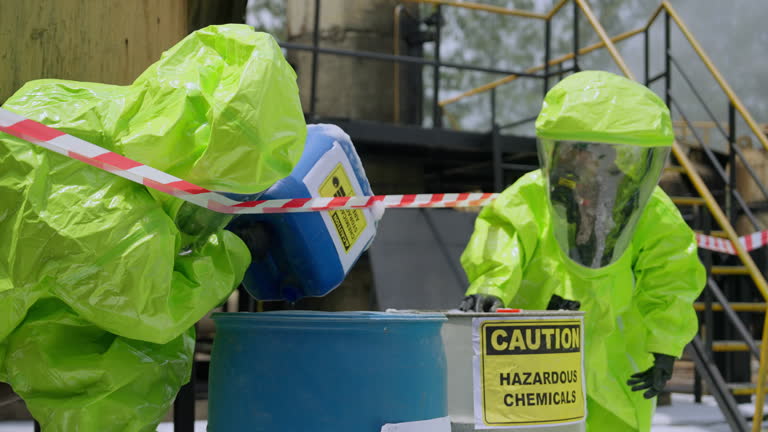
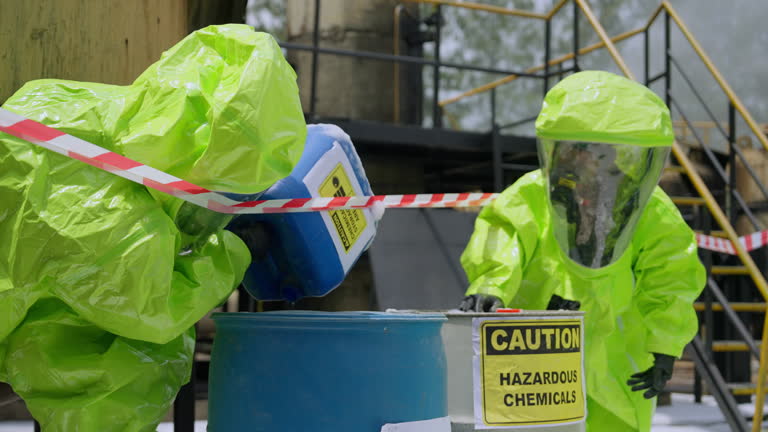
Hazardous material cleanup refers to the identification, removal, treatment, and safe disposal of substances that pose a risk to health, safety, or the environment. These substances may include:
- Toxic chemicals
- Radioactive materials
- Biohazardous waste (e.g., bodily fluids, medical waste)
- Asbestos
- Mold
- Lead-based paint
- Petroleum products
This process often involves specialized equipment, trained personnel, and strict adherence to local, state, and federal regulations.
2. Types of Hazardous Materials Found in Nassau County
Nassau County, located on Long Island in New York, is home to a mix of residential areas, commercial zones, and industrial sites. Because of this diversity, it’s exposed to a wide range of hazardous materials, including:
- Household chemicals: cleaners, pesticides, paints
- Commercial waste: solvents, oils, heavy metals
- Construction debris: asbestos, lead
- Biological waste: bloodborne pathogens from trauma scenes
- Mold infestations from moisture-prone basements and attics
Every material type requires a unique approach to cleanup and disposal, often regulated by the EPA, OSHA, and local authorities.
3. 7 Shocking Facts You Didn’t Know About Hazardous Material Cleanup
1. DIY Cleanup Can Be Illegal
In Nassau County, it is illegal to attempt the cleanup of certain hazardous materials—like asbestos or biohazards—without proper certification. DIY methods can lead to serious fines or even criminal charges.
2. Mold is Legally Classified as a Hazardous Material
While mold might seem minor, New York State laws categorize it as a hazardous material when it affects more than 10 square feet, making professional remediation legally necessary.
3. Cleanup Can Cost More When Delayed
Waiting too long to deal with a hazardous spill or contamination often leads to secondary damage—such as structural deterioration, pest infestation, and extensive mold growth—making cleanup significantly more expensive.
4. Some Materials Can’t Be Seen or Smelled
Toxic substances like carbon monoxide or certain airborne chemicals are odorless and colorless, making them incredibly dangerous if left undetected.
5. Children and Pets Are the Most Vulnerable
In residential settings, children and pets are more likely to suffer long-term health effects from exposure to hazardous materials due to their size and developing immune systems.
6. Fire Damage Often Involves Hazardous Residues
After a fire, you’re not just dealing with soot and ashes. Chemical residues from burnt plastics, electronics, and insulation can be extremely toxic and require specialized cleanup.
7. Insurance Doesn’t Always Cover It
Many homeowners assume their insurance covers all types of hazardous material cleanup. Unfortunately, most policies have exclusions, especially for mold or long-term contamination unless caused by a covered peril.
4. Risks of Improper Cleanup
Attempting to handle hazardous materials without the right training and equipment can have devastating outcomes:
- Health Risks: Exposure to toxins can cause respiratory issues, skin conditions, neurological disorders, and even cancer.
- Environmental Damage: Spills can contaminate soil and water, affecting local wildlife and drinking water supplies.
- Legal Liability: Failing to follow regulations can result in lawsuits, fines, and shutdowns for businesses.
- Structural Damage: Delays in cleanup can compromise a building’s foundation, walls, and electrical systems.
5. The Role of Professionals in Hazardous Material Cleanup
Certified cleanup professionals play a crucial role in managing dangerous materials safely. They bring:
- Expertise: Technicians are trained to handle a wide variety of hazardous substances.
- Specialized Equipment: From air scrubbers to hazmat suits, the right tools make all the difference.
- Regulatory Knowledge: Professionals ensure compliance with all local and federal guidelines.
- Documentation: A proper cleanup includes logs, reports, and photos that may be required by insurance or local authorities.
6. Why Nassau County Faces Unique Challenges
Nassau County isn’t just another suburban area—it’s a zone where old infrastructure meets modern development. This creates unique risks:
- Aging buildings often contain lead paint and asbestos.
- Frequent flooding in coastal areas increases mold and biohazard concerns.
- Population density makes fast and efficient cleanup essential to protect public health.
- Proximity to NYC means stricter regulations and greater oversight.
Cleanup services here must balance speed with absolute thoroughness to prevent community-wide impacts.
7. Regulations and Compliance Requirements
Nassau County residents and business owners must comply with a maze of overlapping regulations including:
- EPA guidelines for hazardous waste handling
- OSHA standards for worker protection
- New York State Department of Health rules for mold remediation
- DOT regulations for transporting dangerous goods
Ignoring these can result in severe penalties or legal action. Professional cleanup services ensure full compliance so you stay protected.
8. Choosing the Right Cleanup Partner
Given the high stakes, it’s critical to choose a reputable, experienced, and fully licensed hazardous material cleanup company. Look for:
- IICRC or OSHA certification
- 24/7 emergency response availability
- Positive client reviews and case studies
- A strong presence in Nassau County
- Transparent pricing and insurance assistance
A good partner doesn’t just clean up—they also restore your peace of mind.
9. Call PuroClean of Jericho — Your Trusted Cleanup Experts
If you’re dealing with any kind of hazardous material situation in Nassau County—don’t wait. The longer you delay, the greater the risk to your health, your property, and your legal standing.
PuroClean of Jericho offers:
✅ 24/7 Emergency Response
✅ Licensed and Insured Technicians
✅ EPA & OSHA Compliance
✅ Rapid Response Times Throughout Nassau County
✅ Full-Service Restoration After Cleanup
We handle everything from initial assessment to final restoration, ensuring your space is safe, compliant, and fully livable again.
Contact PuroClean of Jericho for Immediate Help
If you need hazardous material cleanup in Nassau county and environs, PuroClean of Jericho is ready to provide fast, reliable, and professional service. Our team is available 24/7 to assist homeowners with emergency water damage restoration services.
Call us today at (516) 421-6400 for a consultation and let us help restore your home to its pre-flood condition. With PuroClean of Jericho, you can have peace of mind knowing that your home is in expert hands.
Instagram | Facebook | Direction | Check Reviews