


Table of Contents
Mold Removal in Suffolk County: Understanding the Growing Need for Professional Solutions
Mold is one of the most persistent and dangerous threats to homes in Suffolk County. With coastal humidity, fluctuating temperatures, and aging housing structures, the region has become a hotspot for mold growth in basements, crawlspaces, attics, bathrooms, HVAC systems, and hidden places homeowners rarely inspect. As awareness increases about the dangers mold poses not only to homes but to human health mold removal in Suffolk County has transformed from an optional service into an urgent necessity.
In recent years, Suffolk County has seen repeated periods of excessive rainfall, prolonged humidity, and storm-related flooding. These climate patterns are ideal breeding grounds for mold. Homeowners often don’t realize that mold can begin growing in as little as 24 to 48 hours after moisture intrusion. By the time visible signs appear, the underlying infestation is usually far worse than expected.
This comprehensive guide explores everything you need to know about effective mold removal in Suffolk County, including health risks, causes, prevention, remediation steps, and why partnering with trained experts is the smartest way to protect your home.
Mold Removal in Suffolk County Starts With Awareness
To fully understand the importance of professional mold removal in Suffolk County, homeowners must first understand what causes mold to grow so rapidly in this area. Mold spores exist naturally in the environment, but they require specific conditions to colonize:
Moisture
Moisture is the primary fuel for mold. In Suffolk County, storms, flooding, leaking roofs, poor ventilation, and even condensation can create wet environments where mold thrives.
Humidity
Outdoor humidity often reaches 70% or higher levels at which mold can easily grow indoors. Without proper dehumidification, basements, bathrooms, kitchens, and laundry rooms become mold hotspots.
Organic Materials
Mold feeds on cellulose and organic matter, including wood, paper, drywall, carpeting, insulation, and dust. Many homes in Suffolk County contain older construction materials that absorb moisture quickly, making them ideal mold hosts.
Poor Ventilation
Airflow is essential to reducing moisture. Homes with closed-off rooms, clogged vents, or poorly ventilated attics and crawlspaces are significantly more prone to mold problems.
Hidden Water Damage
Leaky pipes, cracked foundations, and roof damage often go unnoticed until mold has already begun to flourish.
By recognizing these contributors, homeowners can more effectively prevent mold growth or take immediate action when issues arise long before the problem worsens.
Why Mold Removal in Suffolk County Is Critical for Protecting Your Health
One of the most important reasons for prioritizing mold removal in Suffolk County is the serious impact mold can have on your health. Many people assume mold only causes musty odors and cosmetic damage, but the truth is far more concerning.
Mold releases spores and mycotoxins that become airborne and circulate throughout your home. When inhaled or touched, these particles can cause:
- Respiratory irritation
- Chronic coughing
- Wheezing
- Sneezing and congestion
- Skin irritation
- Eye irritation
- Headaches and fatigue
- Aggravation of asthma and allergies
For infants, the elderly, and individuals with respiratory conditions or compromised immune systems, the risks are even higher.
The U.S. Environmental Protection Agency (EPA) warns about the health dangers of household mold and offers guidance to homeowners.
These health risks make it clear that mold removal in Suffolk County is not a DIY task for homeowners. Handling mold incorrectly can spread spores, worsen the problem, and expose your family to harmful contaminants.
Common Signs You Need Mold Removal in Suffolk County Immediately
Many Suffolk County homeowners don’t realize they have a mold problem until the issue has become severe. Early detection can prevent major damage and costly repairs. If you notice any of the following signs, it’s time to schedule a professional inspection for mold removal in Suffolk County:
Visible Mold Growth in Damp or Dark Areas
Mold may appear in colors such as black, green, white, gray, or brown. Even small spots can indicate a much larger hidden colony.
Musty or Earthy Odors
A persistent musty smell, especially in basements, bathrooms, or attics, is often the first sign of hidden mold growth.
Water Stains or Discolored Surfaces
Brown, yellow, or dark patches on walls or ceilings can signal moisture buildup and hidden mold.
Recent Water Damage
If your home recently experienced leaks or flooding, mold is likely already forming.
Increased Allergy Symptoms Indoors
If respiratory issues worsen at home but improve elsewhere, mold may be circulating through the air.
Recognizing these signs early can save you from structural damage, costly renovations, and serious health issues.
The Mold Removal Process in Suffolk County
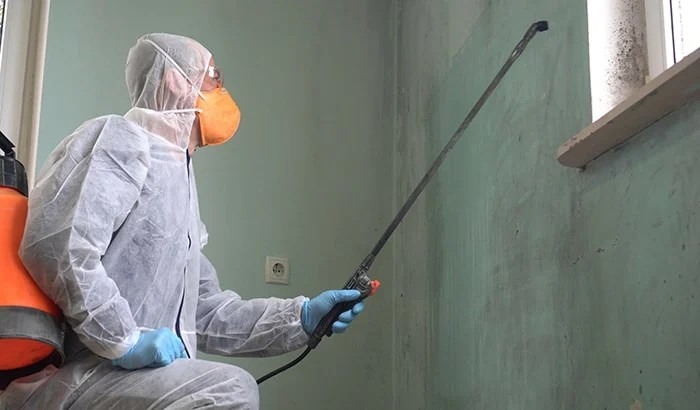
Professional mold removal in Suffolk County follows a structured, science-based process designed to eliminate mold at its source, prevent regrowth, and protect the home’s structural integrity. Here’s what homeowners can expect:
Step 1: Comprehensive Inspection
Technicians perform a thorough evaluation to identify mold locations, moisture sources, and contamination levels. This may include infrared imaging, humidity testing, and moisture readings.
Step 2: Containment and Safety Measures
To prevent mold spores from spreading, professionals establish:
- Physical barriers
- Negative air pressure zones
- Air filtration systems
- Proper PPE protocols
This step is crucial for protecting unaffected areas.
Step 3: Air Filtration and Air Scrubbing
HEPA filtration units are deployed to remove airborne mold spores, improving indoor air quality and preventing the infestation from spreading further.
Step 4: Mold Removal and Surface Treatment
Technicians remove contaminated materials, including drywall, insulation, carpeting, and wood as needed. Non-porous surfaces are cleaned, treated, and sanitized using industry-approved antimicrobial solutions.
Step 5: Drying and Dehumidification
Removing mold is only half the solution, eliminating moisture is the key to preventing regrowth. Industrial-grade dehumidifiers and drying equipment ensure all moisture is permanently removed.
Step 6: Repair and Restoration
Homeowners may need repairs or reconstruction after mold remediation. This can include replacing:
- Drywall
- Insulation
- Flooring
- Trim and molding
- Structural wood components
A full-service remediation provider will handle both cleanup and restoration, saving the homeowner time and stress.
Why DIY Methods Can Make the Problem Worse
In an age of online tutorials, many homeowners consider tackling cleanup themselves. However, when it comes to mold removal in Suffolk County, DIY attempts often lead to bigger problems.
Here’s why:
Bleach Does Not Kill Mold at Its Root
While bleach may remove surface stains, it does not reach deep into porous materials where mold colonies thrive.
Disturbing Mold Releases Spores
Scrubbing, wiping, or vacuuming mold without containment spreads spores throughout your home.
Hidden Mold Remains Undetected
Mold often grows inside walls, behind cabinets, under flooring, or within HVAC systems places homeowners cannot access safely.
Improper Handling Risks Your Health
Exposure to disturbed mold increases health risks, especially without proper protective equipment.
Moisture Problems Remain Unresolved
If the underlying moisture source isn’t fixed, mold will return, sometimes worse than before.
Professionals have the tools, training, and protective equipment needed to eliminate mold safely and permanently. DIY approaches can cost homeowners far more in the long run.
How to Prevent Mold After Professional Mold Removal in Suffolk County
Once your home has been professionally treated, prevention becomes essential. Homeowners in Suffolk County can take proactive steps to reduce mold risk:
- Keep indoor humidity below 50%
- Install dehumidifiers in basements and damp rooms
- Repair roof leaks, plumbing issues, and foundation cracks immediately
- Ensure proper ventilation in bathrooms, kitchens, and laundry areas
- Clean gutters and direct water away from the foundation
- Use mold-resistant paints and building materials
- Schedule annual moisture and mold inspections
Taking these steps can dramatically reduce the likelihood of reoccurring mold issues.
PuroClean of Jericho—Your Trusted Partner for Expert Mold Removal in Suffolk County
When your home is at risk, choosing the right restoration company is the most important decision you can make. This is where PuroClean of Jericho stands out as a leader in mold removal in Suffolk County.
With advanced training, state-of-the-art equipment, and industry certifications, PuroClean of Jericho provides:
- Fast emergency response
- Thorough mold inspections and testing
- Full containment and remediation
- Safe removal of contaminated materials
- Advanced drying and dehumidification
- Complete restoration and reconstruction services
Homeowners across Suffolk County trust PuroClean because of their unmatched expertise, reliability, and commitment to restoring safe and healthy living environments.
Take Action Now And Call PuroClean of Jericho for Mold Removal in Suffolk County
Mold spreads rapidly. Delaying action increases damage, health risks, and repair costs. If you suspect or have confirmed mold growth in your home, now is the time to act.
Call PuroClean of Jericho at (516) 421-6400 for fast, reliable, and professional mold removal in Suffolk County.