Mold inspection in Nassau County explained: signs, what happens on a visit and when state law needs a licensed pro. Call 516.421.6400.
Mold Inspection in Nassau County: What Happens, What to Watch For and What to Do Next
You head down to the basement for a box of holiday decorations, and something smells off. Not rotten, exactly. Just damp, sour and a little earthy, like a towel left in a gym bag. You tell yourself it’s the humidity. A week later it’s still there. If that sounds familiar, a mold inspection in Nassau County is the fastest way to find out what your house is trying to tell you.
This guide explains what an inspection involves, why homes from Jericho to Hicksville hold on to moisture, what New York law says and what you can safely do yourself. We’ll keep it plain, because a stressful discovery deserves a straight answer.
What Is a Mold Inspection in Nassau County?
A mold inspection is a careful look at your property to find visible mold, find the moisture feeding it and work out how far the problem has spread. That’s the short version. The longer one matters, because mold is rarely the real problem. Moisture is.
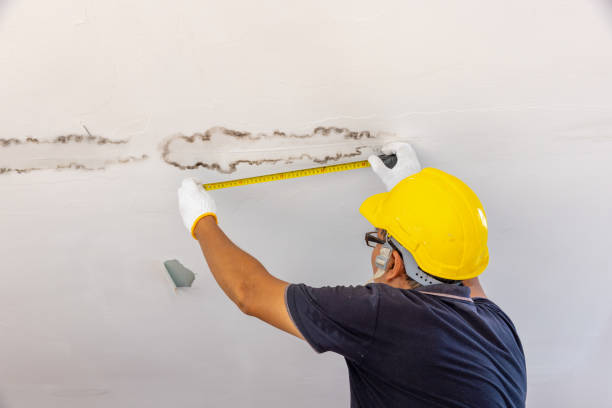
During a visit, the inspector checks walls, ceilings, floors, windows, attics, basements and crawl spaces. Moisture meters show how wet building materials are, even when the surface looks dry.
Thermal imaging cameras can reveal cool, damp areas behind drywall without cutting into it. Then comes the detective work: a slow plumbing leak, a failing sump pump, a roof problem or plain condensation.
By the end, you should understand what was found, where it is and what has to happen next.
When a Mold Inspection in Nassau County Includes Testing
Many people assume every inspection ends with air samples. Usually it doesn’t. According to the EPA, if mold growth is visible, sampling is generally unnecessary, because the job is to clean it up and fix the moisture. Testing can still make sense in specific cases, such as a strong odor with no visible source or a legal or insurance question.
A good professional will tell you which situation you’re in. They shouldn’t sell you a test by default.

Why Mold Inspection in Nassau County Homes
Many Nassau homes hold moisture because of when they were built and the weather they live through. Large parts of the county filled in with capes, ranches, split levels and colonials from the late 1940s onward. A lot of them have finished basements, older roofs and original plumbing that has quietly aged for decades.
Then add the weather. Summers are humid. Fall brings heavy rain and the occasional nor’easter. Superstorm Sandy in 2012 flooded parts of the South Shore, and some homes there have been fighting dampness ever since.
Homeowners in Jericho, Syosset, Plainview, Woodbury, Hicksville, Westbury and Oyster Bay tell us a similar story. The basement stayed dry for years, then one wet season changed everything. Sump pumps fail without a sound. Window wells fill up. Bathroom fans vent into attics instead of outdoors. Dryer vents leak into wall cavities. None of it looks dramatic, which is exactly why it goes unnoticed.
Signs You Need a Mold Inspection in Nassau County
If you can see it, smell it or keep having water problems, schedule a mold inspection in Nassau County. Don’t wait for all three.
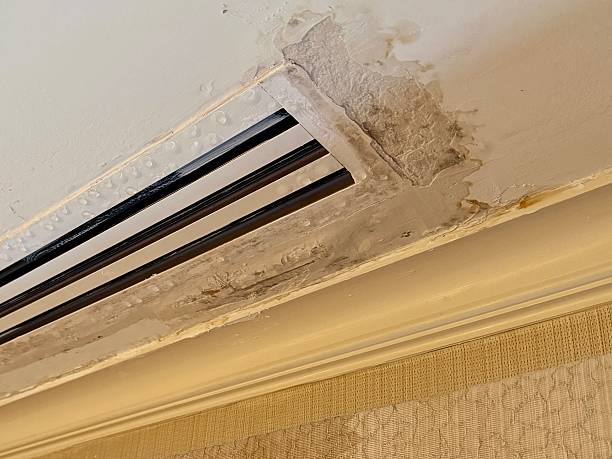
The smell is usually first. It’s musty, earthy and strongest in basements, closets and bathrooms. Next come the visual clues: dark, green or white patches on walls and ceilings, peeling paint, bubbling wallpaper, warped baseboards and stains that keep returning after you clean them. Windows that fog up every cold morning are another quiet warning, because condensation feeds mold along the frames.
Not sure whether a stain is old or active? Press on it. If the drywall feels soft or the paint bubbles, moisture is probably still there. Also pay attention to your history. A past flood, burst pipe or roof leak that was never fully dried is one of the most common starting points. Some people notice stuffy noses or irritated eyes that ease when they leave the house. Those symptoms can have many causes, so they’re a reason to look, not a diagnosis.
What New York Law Says About Mold Inspection in Nassau County
New York State licenses mold professionals, and the rules get stricter once a project passes ten square feet. Since January 1, 2016, Article 32 of the state Labor Law has required licenses for mold assessment and mold remediation on larger projects. The Department of Labor explains the process in its guide to hiring a mold assessor or mold remediation contractor.
Here’s the part that surprises people. On a larger project, the assessor and the remediator are meant to be separate companies. The assessor writes the plan, and after the work is done, checks that the job is complete. That separation protects you, because the person judging the cleanup isn’t the person being paid to do it.
Where do we fit? Our team looks at moisture sources and visible growth, explains what we see and handles the remediation side. When your project is big enough that state law requires an independent licensed assessor, we’ll tell you plainly and work from that assessor’s plan. Whoever you hire, ask to see their license and check it with the Department of Labor. This is general information, not legal advice.

What You Can Safely Do Before the Inspection
Stop the water and dry things out. That’s the single most useful thing you can do. The EPA says mold generally can’t grow without moisture, and that wet materials dried within 24 to 48 hours often won’t grow mold at all.
First, find and fix the source if it’s something simple, like a dripping supply line. Next, run fans and a dehumidifier. The EPA suggests keeping indoor humidity below 60 percent, ideally between 30 and 50 percent. Also take photos of anything suspicious so you can show the inspector how it changed.
However, a few things make matters worse. Don’t paint over mold, because it will come right back through the paint. Don’t scrub large patches dry, because that can throw spores into the air. And don’t blow a fan directly at visible growth. For small spots on hard surfaces, the EPA says homeowners can often handle areas smaller than about ten square feet. Anything bigger, or anything inside a wall, deserves a professional look.
Why a Mold Inspection in Nassau County Matters Before You Sell
A mold surprise during a buyer’s inspection can delay a closing or reopen price talks. That’s why real estate agents across Nassau County often call us before a listing goes live. Finding the problem early gives you time to fix the moisture source, handle the cleanup properly and keep the sale on your schedule instead of the buyer’s. If you’re buying, the same logic applies. A basement that smells musty at an open house is worth a closer look before you sign.
What Affects the Cost of a Mold Inspection in Nassau County
Cost depends on the size of the property, how many areas need checking and how easy they are to reach. Tight crawl spaces and finished attics take longer than an open basement. Adding lab testing, a written report or detailed moisture mapping also changes the price. Because every home is different, we won’t guess a number here.
Insurance may help if the mold came from a sudden, covered event like a burst pipe. Slow leaks and long term neglect are often treated differently. Read your policy, and call your agent early.
Mold Inspection in Nassau County FAQ
How do I know if I need a mold inspection?
A musty smell, visible spots, past water damage or repeated condensation are all good reasons. If you aren’t sure, a quick look costs far less than a hidden problem that grows.
Can I do a mold inspection myself?
You can check for obvious signs and small surface spots. You can’t see inside walls or measure hidden moisture without equipment, so a professional visit finds what a flashlight misses.
Do I need mold testing or is a visual inspection enough?
The EPA says sampling is usually unnecessary when mold is visible. Testing helps in special cases, such as odors with no visible source.
Does insurance cover a mold inspection?
Sometimes, if the mold came from a covered sudden event. Policies vary, so check with your insurer before you schedule.
Who can legally remove mold in Nassau County?
On projects over ten square feet, state law requires licensed professionals, and the assessor and remediator are generally separate. Always ask for a license number.
Meet Our Neighbors at PuroClean of Baldwin
If you’re on the South Shore, our sister location PuroClean of Baldwin is right around the corner.
They’re based at 303 Merrick Road in Lynbrook and serve Baldwin and nearby Nassau communities, and they know that coastal flood zone well. You can reach them at 516.200.1416 or visit PuroClean of Baldwin to learn more. We’re proud to share the same standards with them.
Schedule Your Mold Inspection in Nassau County Today
Don’t let a smell turn into a repair bill. Call PuroClean of Jericho at 516.421.6400 or contact us online and tell us what you’re seeing. You can also read more about our mold removal and remediation services. We’re local, we’re calm about it and we’ll tell you straight what the next step is.