

Table of Content:
- What Are the Different Types of Floods?
- How Floods Affect Homes and Properties
- Best Practices for Flood Remediation
- Why Professional Remediation Matters
- Local, Trusted Help – PuroClean of Jericho
Floods are among the most devastating natural disasters, affecting millions of people worldwide each year. In the United States alone, flooding causes billions of dollars in property damage annually and is the most common natural disaster homeowners face. Whether caused by natural forces or man-made infrastructure issues, understanding the types of floods is crucial for proper preparation, response, and, most importantly, effective remediation.
In this blog post, we’ll explore the major types of floods, how they affect homes and businesses, and the best practices for remediation. We’ll also explain how professional help—like the services offered by PuroClean of Jericho—can make all the difference in restoring your property quickly, safely, and efficiently.
What Are the Different Types of Floods?
Floods can vary in size, speed, cause, and impact. Let’s break down the most common types of floods:
1. Flash Floods
Flash floods are sudden, intense floods that occur within minutes or hours of heavy rainfall or a dam/levee failure. Because they happen so quickly, flash floods can catch people off guard, especially in urban areas with poor drainage systems.
Key Characteristics:
- Extremely fast-moving water
- Often result from intense thunderstorms
- Highly destructive due to speed and volume
Risks:
- Erosion and landslides
- Vehicle and structure damage
- Risk to life due to lack of warning
2. River (Fluvial) Floods
These floods occur when rivers overflow their banks due to prolonged rainfall, snowmelt, or upstream ice jams. River floods tend to develop more slowly than flash floods, giving residents more time to prepare.
Key Characteristics:
- Typically seasonal
- Affect large areas along river basins
- May persist for days or weeks
Risks:
- Damage to homes, crops, and infrastructure
- Contaminated water supplies
- Displacement of communities
3. Coastal Floods
Coastal floods are caused by storm surges, hurricanes, or tsunamis pushing seawater onto land. These floods affect regions near oceans, bays, or other large bodies of water.
Key Characteristics:
- Associated with high tides and storms
- Can reach far inland depending on elevation
- Worsened by climate change and rising sea levels
Risks:
- Saltwater intrusion (damaging to agriculture and water supplies)
- Structural erosion
- Power and utility disruption
4. Urban Floods
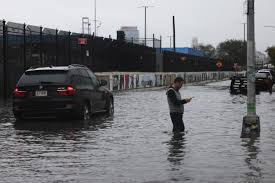
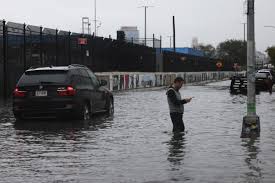
Urban flooding occurs in cities or developed areas where drainage systems cannot handle heavy rainfall. Asphalt, concrete, and buildings prevent natural absorption, overwhelming sewers and stormwater systems.
Key Characteristics:
- Frequent in cities with poor drainage
- Often localized but recurrent
- Made worse by infrastructure issues
Risks:
- Basement flooding
- Sewer backups
- Traffic and transit shutdowns
5. Pluvial Floods
Pluvial floods are caused directly by heavy rainfall that saturates the ground and causes surface water to pool. Unlike river or coastal flooding, this doesn’t require a nearby body of water to occur.
Key Characteristics:
- Can happen anywhere
- Triggered by short, intense rainfall events
- Common in both rural and urban areas
Risks:
- Localized property damage
- Flooding in lower elevation or flat areas
- Groundwater contamination
6. Dam or Levee Breaks (Man-Made Floods)
Infrastructure failures like dam breaches or levee collapses can lead to catastrophic flooding. These are often unpredictable and can release massive volumes of water in a short time.
Key Characteristics:
- Often sudden and unexpected
- Massive property destruction
- Long-term environmental impact
Risks:
- Major life-threatening events
- Loss of homes, roads, and utilities
- Environmental contamination

How Floods Affect Homes and Properties | Types of Floods
Regardless of the type, floods can cause severe damage to residential and commercial properties. Common effects include:
- Structural Damage: Foundations, walls, and flooring can become compromised.
- Electrical Hazards: Flooded outlets and appliances can cause fires or shocks.
- Mold Growth: Moist environments foster rapid mold growth, posing health risks.
- Contaminated Water: Floodwater often contains bacteria, sewage, and chemicals.
- Loss of Personal Property: Furniture, documents, electronics, and keepsakes may be irreparably damaged.
Quick and effective remediation is essential to minimize long-term damage and costs.
Best Practices for Flood Remediation | Types of Flood
Flood remediation is not just about removing water—it’s a complex process that involves safety, sanitation, drying, decontamination, and restoration. Here’s how to do it right:
1. Ensure Safety First
Before entering a flooded property, ensure it is structurally sound and safe. Shut off gas, electricity, and water supplies to prevent fires, electrocution, or further damage.
Professional Tip: Always wear protective clothing and avoid contact with standing water.
2. Document the Damage
Before cleanup begins, take detailed photos and videos of the damage for insurance claims. Document all affected areas and damaged belongings.
Professional Tip: Maintain a written inventory and keep receipts of repairs and replacements.
3. Remove Standing Water
Use pumps, wet vacuums, and buckets to remove as much water as possible. This should be done as quickly as possible to prevent further damage and mold growth.
Professional Tip: Industrial-grade pumps and vacuums used by remediation specialists can remove water much faster than consumer-grade tools.
4. Dry and Dehumidify
Drying is a crucial step. Fans, dehumidifiers, and heaters help reduce moisture in walls, flooring, and air.
Professional Tip: Professionals use moisture meters to detect hidden dampness behind walls and under flooring.
5. Clean and Disinfect
Floodwater often contains harmful bacteria, sewage, and chemicals. Cleaning and disinfecting all affected areas are essential to restore a safe environment.
Professional Tip: Use EPA-approved disinfectants and consider antimicrobial treatments to prevent mold.
6. Mold Prevention and Remediation
Mold can begin growing within 24-48 hours after flooding. Identify and remove all mold-affected materials, including drywall, carpeting, and insulation.
Professional Tip: Mold remediation is best handled by certified professionals who can remove it safely and completely.
7. Structural Repairs and Restoration
Once the property is dry and clean, repairs can begin. This might include replacing drywall, repainting, installing new flooring, or reconstructing entire sections of the building.
Professional Tip: Choose a restoration company with experience in both mitigation and full reconstruction to streamline the recovery process.
Why Professional Remediation Matters
While minor flooding might seem manageable on your own, many hidden dangers lie beneath the surface. Without proper tools and expertise, it’s easy to miss moisture that leads to long-term issues like rot or mold.
Here’s why professional flood remediation services like those from PuroClean of Jericho are invaluable:
- Rapid Response: Time is critical in flood situations. PuroClean responds fast to reduce damage.
- Advanced Equipment: We use commercial-grade water extraction, drying, and dehumidification tools.
- Trained Technicians: Our experts are certified in water damage restoration and mold remediation.
- Comprehensive Service: From cleanup to reconstruction, we handle the entire process.
- Insurance Coordination: We assist with insurance documentation and claims processing.
Contact PuroClean of Jericho for Immediate Help
If your home is damaged after a flood, don’t wait for the damage to worsen. PuroClean of Jericho is ready to provide fast, reliable, and professional Spring Flood Damage Repair in Jericho. Our team is available 24/7 to assist homeowners with emergency water damage restoration services.
Call us today at (516) 421-6400 for a consultation and let us help restore your home to its pre-flood condition. With PuroClean of Jericho, you can have peace of mind knowing that your home is in expert hands.
Instagram | Facebook | Direction | Check Reviews