Winter in Hoboken, New Jersey, can bring freezing temperatures, snowstorms, freezing rain, icy sidewalks, and powerful nor’easters. While preparing for colder weather is important, property owners also need to understand how winter conditions can damage their homes and businesses, our winter property damage guide .
From frozen pipes in historic brownstones to boiler failures in multifamily buildings, roof leaks, ice damage, and basement flooding, cold weather can create expensive and unexpected property emergencies. Older homes, apartment buildings, commercial storefronts, and mixed-use properties may face different challenges depending on their plumbing, heating systems, roof design, and building condition.
Whether you own a home near Washington Street, manage a multifamily property, or operate a business in Hoboken, knowing what to look for can help you recognize problems early and reduce additional damage.
If winter weather causes a burst pipe, water leak, or other property emergency, PuroClean of Hoboken provides professional water damage mitigation, structural drying, and property restoration services for local homeowners and businesses. Here is what Hoboken property owners should know about common winter damage and how to prepare.
1. Frozen and Burst Pipes: One of the Most Common Winter Emergencies
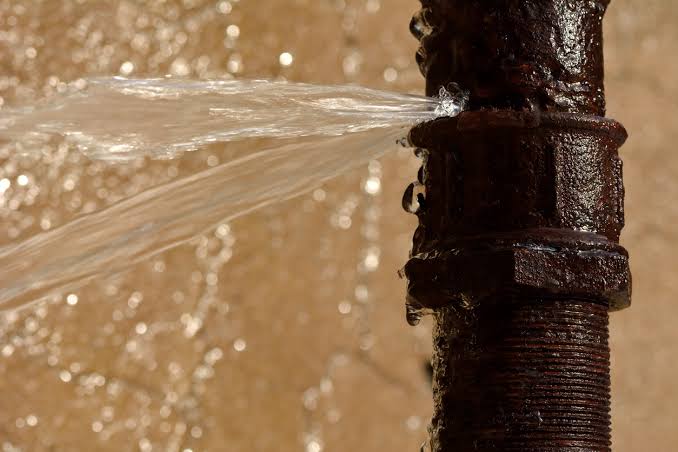
Frozen pipes are a major concern during prolonged cold spells. When temperatures drop below freezing, water inside exposed or poorly insulated plumbing can freeze and expand, placing pressure on the pipe. This pressure can cause pipes to crack or burst, potentially releasing significant amounts of water into a property.
Hoboken homeowners should pay particular attention to:
- Pipes located near exterior walls.
- Plumbing in unheated basements and utility rooms.
- Exposed water lines in garages and storage areas.
- Pipes near drafty windows or exterior doors.
- Plumbing in vacant apartments or buildings with insufficient heat.
- Outdoor faucets and exposed supply lines.
Older properties may have plumbing configurations that make certain pipes more vulnerable to freezing, especially when insulation is inadequate.
How to prevent frozen pipes
- Insulate exposed plumbing in vulnerable areas.
- Seal gaps around pipes where cold air enters.
- Keep indoor temperatures consistent during extreme cold.
- Open cabinet doors beneath sinks when pipes are exposed to cold exterior walls.
- Allow vulnerable faucets to drip during severe freezes when appropriate.
- Locate and label your main water shutoff valve.
- Keep vacant properties adequately heated and arrange regular inspections.
New Jersey’s Office of Emergency Management offers additional winter pipe protection and home winterization guidance.
For additional preventative advice, see PuroClean’s guide on how to prevent frozen pipes and what to do if they freeze.
What if a pipe freezes or bursts?
If a pipe bursts, shut off the main water supply if it is safe to do so. Avoid electrical equipment or outlets near standing water and contact a licensed plumber to address the damaged plumbing.
Water may already have spread into drywall, flooring, insulation, cabinets, and other building materials. Professional water damage mitigation may be necessary to remove water and dry affected areas.
For Hoboken homeowners and businesses dealing with burst pipe damage, PuroClean of Hoboken’s water damage restoration services include water removal, moisture detection, and structural drying.
2. Heating System and Boiler Failures
A functioning heating system is essential for protecting both occupants and the property during winter.
Hoboken has many multifamily buildings and older homes with boilers, radiators, and other heating configurations. If a boiler or heating system stops working during a prolonged cold spell, indoor temperatures can fall and increase the risk of frozen plumbing.
Common heating-related emergencies include:
- Boiler breakdowns.
- Furnace malfunctions.
- Radiator leaks.
- Frozen heating pipes.
- Water heater leaks or failures.
- Uneven heating throughout a building.
- Loss of heat during a power outage.
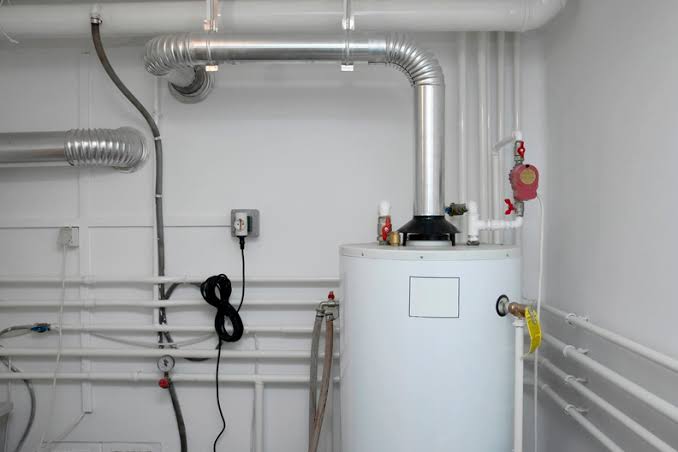
How to reduce the risk of heating failures
Schedule professional heating system maintenance before winter begins. Replace filters when applicable, inspect accessible equipment, check thermostats, and address unusual noises, inconsistent heating, or visible leaks.
For apartment buildings, property managers should establish an emergency maintenance process so tenants can report heating problems quickly.
New Jersey’s multiple-dwelling heating regulations establish minimum indoor temperatures for covered properties between October 1 and May 15. Under N.J.A.C. 5:10-14.4, the applicable standard is at least 68°F between 6 a.m. and 11 p.m. and 65°F between 11 p.m. and 6 a.m. Property owners should confirm which regulations apply to their building.
If a heating failure leads to frozen plumbing or water damage, the heating system and plumbing problem must be addressed alongside any resulting interior damage.
3. Roof Leaks, Ice Dams, and Snow Damage
Winter weather can expose existing weaknesses in a property’s roofing system. Snow accumulation, freezing rain, ice buildup, and repeated temperature changes can contribute to leaks and other roofing problems.
Hoboken properties may have flat or low-slope roofs, particularly multifamily and commercial buildings. Other properties, including residential homes, may have pitched roofs with shingles and gutters.
Different roofing systems require different preventative maintenance.
Common winter roofing problems include:
- Damaged or deteriorating shingles.
- Cracked or compromised roof membranes.
- Loose or damaged flashing.
- Blocked roof drains and gutters.
- Water intrusion around vents and roof penetrations.
- Ice dams along roof edges.
- Excessive snow accumulation.
An ice dam develops when snow melts on a warmer section of a roof and refreezes near a colder edge. As additional snow melts, water can accumulate behind the ice and potentially enter beneath roofing materials.
How to prevent winter roof damage
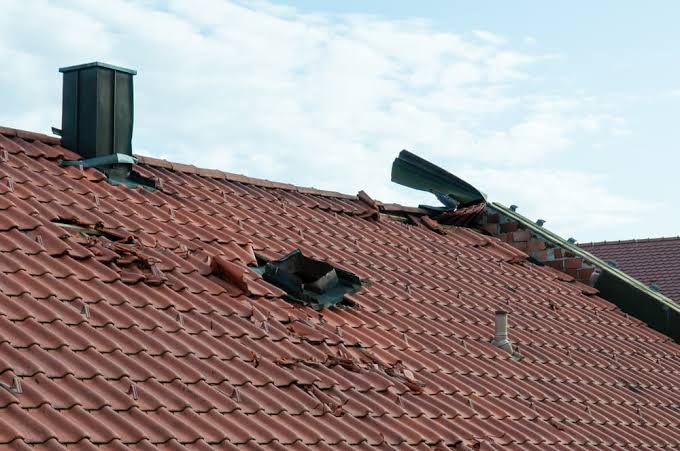
- Schedule a professional roof inspection before winter.
- Clear leaves and debris from gutters.
- Check accessible roof drainage systems.
- Repair damaged flashing and visible roofing defects.
- Inspect areas around chimneys, vents, and rooftop equipment.
- Address attic insulation and ventilation issues that may contribute to ice dams.
Heavy snow accumulation can also place additional stress on roofs. New Jersey’s Office of Emergency Management warns about the potential for roof damage and collapse from heavy snow.
Do not climb onto an icy roof or attempt to break apart ice dams with sharp tools. Contact a qualified roofing professional for inspections and repairs.
For more information, read PuroClean’s educational guides on ice dam prevention and what to do when your roof develops a leak.
If melting snow or ice leads to a roof leak, inspect the interior for ceiling stains, wet insulation, peeling paint, and water-damaged walls. Addressing interior moisture promptly can help reduce additional damage.
When water enters your property, PuroClean of Hoboken’s water damage restoration team can help assess and address resulting interior water damage.
4. Basement Flooding and Water Intrusion During Winter
Hoboken property owners should not assume that flooding is only a warm-weather or hurricane-season concern.
Nor’easters, heavy winter precipitation, freezing rain, and rapid snowmelt can contribute to water intrusion. Lower-level spaces, basements, cellars, and ground-floor areas may be especially vulnerable depending on the property’s location and drainage conditions.
The City of Hoboken has documented flooding in residential basements and homes during severe rainfall events, including Hurricane Ida. Its flood preparedness resources also explain the city’s flood warning system and provide guidance for property owners.
Common sources of winter basement water damage include:
- Water entering through basement walls or foundations.
- Blocked exterior drains.
- Clogged gutters and downspouts.
- Sump pump failures.
- Sewer or drain backups.
- Water entering through basement windows.
- Poor exterior drainage.
- Leaks from plumbing or heating equipment.
Ways to protect your basement
- Inspect basement walls and floors for existing cracks or moisture.
- Test installed sump pumps and backup systems.
- Keep accessible floor drains clear.
- Confirm that downspouts direct water away from the building.
- Move valuables and sensitive equipment away from areas prone to water intrusion.
- Monitor local weather alerts before major storms.
- Review your flood insurance coverage.
For local flood preparedness, review the City of Hoboken’s Flood Warning System. The city also provides Resilient Building Design Guidelines to help property owners understand ways to reduce flood risk.
If your basement experiences water intrusion, prioritize safety before attempting cleanup. Do not enter standing water when electrical equipment or contaminated water may be present.
Once the area is safe, document the damage and arrange appropriate water removal and drying.
For properties with water intrusion, PuroClean of Hoboken provides water damage mitigation and restoration services to help address water in affected building materials and reduce the risk of additional moisture-related problems.
5. Frozen Sprinkler Pipes and Commercial Building Plumbing Emergencies
Commercial properties have additional winter maintenance responsibilities because plumbing and fire protection systems may extend into unheated or partially heated areas.
Restaurants, retail stores, offices, warehouses, and multifamily buildings may have exposed pipes in loading areas, mechanical rooms, garages, storage spaces, and other locations vulnerable to freezing temperatures.
Frozen fire sprinkler piping can be particularly serious because a damaged line may release water into occupied or operational areas.
Commercial property managers should:
- Inspect areas containing exposed plumbing.
- Maintain required temperatures in sprinkler rooms and other protected spaces.
- Have fire protection contractors inspect vulnerable sprinkler systems.
- Check pipe insulation and building envelope conditions.
- Inspect water supply connections and mechanical rooms.
- Establish an after-hours emergency contact procedure.
- Address leaks and unusual pressure or system alarms immediately.
Never shut down, obstruct, or modify a fire sprinkler system as a DIY response to cold weather. Have qualified fire protection professionals evaluate any concerns.
A pipe failure in a commercial building can affect multiple floors, tenant spaces, inventory, equipment, and business operations. Prompt mitigation can help reduce the extent of the damage.
For Hoboken business owners and property managers, PuroClean of Hoboken’s commercial property restoration services address commercial water damage, fire and smoke damage, mold remediation, and other property damage situations.
6. Power Outages and Cold-Weather Fire Hazards
Winter storms can cause power interruptions, affecting heating systems, lighting, refrigeration, security systems, and business operations.
When the heat goes out, some property owners turn to alternative heating equipment. However, improper use of generators, portable heaters, fireplaces, and other appliances can create serious fire and carbon monoxide hazards.
During a power outage:
- Use portable heaters according to the manufacturer’s instructions.
- Keep space heaters at least three feet from combustible materials.
- Never leave portable heaters unattended.
- Never operate a generator inside a home, basement, garage, or enclosed space.
- Never use a gas oven or charcoal grill to heat an indoor space.
- Keep smoke and carbon monoxide alarms functional.
- Unplug sensitive appliances when appropriate to reduce electrical issues when power returns.
Property managers should also consider how power outages may affect sprinkler systems, access controls, elevators, pumps, and other critical building equipment.
For outage reporting and local emergency information, property owners can consult the City of Hoboken’s emergency and flood preparedness resources and follow local utility advisories.
If a heater or electrical problem causes a fire, call 911 and wait until emergency responders confirm the property is safe before reentering.
After a fire, smoke, soot, and water from firefighting efforts may require professional restoration in addition to repairs to the original source. PuroClean of Hoboken also provides fire and smoke damage restoration for affected residential and commercial properties.
7. Ice Damage to Brownstone Stoops, Sidewalks, and Exterior Masonry
Hoboken is known for its historic brownstones, brick buildings, raised stoops, and distinctive exterior masonry.
These features require attention during winter because repeated freezing and thawing can affect surfaces that are already exposed to moisture and harsh weather.
Water that enters small cracks can freeze and expand, potentially worsening existing deterioration.
Snow and ice removal can create additional maintenance challenges when inappropriate tools or excessive deicing products are used on delicate surfaces.
Watch for:
- Cracked or deteriorating brownstone steps.
- Loose mortar joints.
- Damaged exterior sealant.
- Flaking or spalling masonry.
- Loose handrails.
- Uneven sidewalk surfaces.
- Ice buildup around entrances and stairs.
Use deicing products suitable for the specific surface and follow the manufacturer’s instructions. Avoid striking delicate masonry with metal tools to remove ice.
Property owners should also address unstable steps and railings before winter conditions increase the risk of falls.
Hoboken snow and ice removal requirements
The City of Hoboken requires residential, retail, and business property owners or occupants to clear adjacent sidewalks after winter storms.
The city’s Winter Weather Operations guidelines generally require snow and ice removal within six hours after the completion of a storm. Property owners must clear a path at least four feet wide or two-thirds of the sidewalk width, whichever is greater. Curb ramps, curb cuts, nearby fire hydrants, and public facilities must also remain accessible.
It is illegal to shovel snow back into the street or onto a fire hydrant. Property managers should arrange snow removal services in advance and make sure maintenance responsibilities are clearly assigned.
8. Cold-Weather Damage in Commercial Properties and Businesses
Winter property damage can affect more than residential homes. Commercial buildings may experience interruptions when plumbing, heating, roofing, or drainage systems fail during extreme weather.
For Hoboken businesses, even a relatively small water leak can disrupt daily operations, affect inventory, damage equipment, and create problems for employees and customers.
Commercial properties should pay special attention to:
Retail stores and restaurants: Frozen plumbing, restroom leaks, damaged ceilings, heating failures, and water intrusion near entrances.
Office buildings: Boiler failures, frozen mechanical room plumbing, roof leaks, damaged ceiling tiles, and power interruptions.
Multifamily properties: Burst pipes, radiator leaks, unheated vacant units, basement flooding, and sprinkler system damage.
Warehouses and storage facilities: Exposed supply lines, roof leaks, inadequate heating, damaged inventory, and moisture affecting stored materials.
Mixed-use properties: Water damage that spreads between residential units, commercial spaces, shared utility areas, and common hallways.
Commercial property managers should maintain a winter emergency plan that includes:
- A list of licensed plumbers, HVAC contractors, electricians, and roofing professionals.
- Emergency contacts for water damage restoration.
- Documented locations of main water shutoff valves.
- A process for monitoring vacant units and unoccupied spaces.
- Routine inspections of vulnerable plumbing and mechanical rooms.
- An inventory of critical equipment and emergency supplies.
- A procedure for notifying tenants about maintenance emergencies.
For a property manager overseeing multiple buildings or a business dealing with an unexpected loss, having a restoration provider identified in advance can simplify emergency coordination.
PuroClean of Hoboken’s commercial restoration team works with commercial property owners and facility managers on restoration needs involving water, fire, smoke, and mold damage.
Planning ahead can help minimize downtime and make it easier to coordinate repairs and restoration when damage occurs.
9. What to Do When Winter Weather Causes Property Damage
Even with proper preparation, a prolonged freeze or winter storm can still cause property damage.
Knowing what to do during the first few hours after an emergency can help limit additional problems.
If a pipe bursts
- Turn off the main water supply if it is safe.
- Avoid contact with wet electrical equipment.
- Contact a licensed plumber to stop the leak.
- Move belongings away from the affected area when possible.
- Arrange water extraction and professional drying if necessary.
After the plumbing problem is controlled, PuroClean of Hoboken’s water damage restoration services can help assess affected materials and address interior moisture.
If your roof starts leaking
- Keep people away from unsafe areas.
- Protect furniture and belongings when safe.
- Avoid touching water near electrical fixtures.
- Document visible damage.
- Contact a qualified roofing contractor to identify and repair the source.
- Assess whether interior materials need professional drying.
If your basement floods
- Do not enter standing water if electrical hazards may be present.
- Keep occupants and pets away from contaminated water.
- Document the damage when safe.
- Identify the source of water and arrange appropriate repairs.
- Contact a professional if water has affected walls, floors, insulation, or other building materials.
The City of Hoboken’s flood preparedness information is another useful resource for understanding local flood risks and emergency alerts.
If your property experiences a heating-related fire
- Evacuate the building and call 911.
- Do not reenter until emergency personnel confirm it is safe.
- Contact your insurance provider.
- Arrange a professional assessment of fire, smoke, soot, and possible water damage.
For fire-related property emergencies, PuroClean of Hoboken provides fire and smoke damage restoration.
When to consider professional mold remediation
Water from a burst pipe, basement leak, or roof failure can remain trapped in walls, ceilings, flooring, and insulation. If affected materials are not adequately dried, mold may develop.
Watch for persistent musty odors, discoloration, recurring moisture, or visible growth. If these problems occur, consider a professional assessment.
PuroClean of Hoboken offers mold removal and remediation services for residential and commercial properties affected by moisture-related problems.
10. Your Hoboken Winter Property Protection Checklist
Use this checklist before freezing temperatures and throughout the winter season to help protect your property.
Residential property checklist
- Insulate exposed plumbing.
- Locate and label the main water shutoff valve.
- Schedule boiler or furnace maintenance.
- Check radiators, pipes, and visible plumbing connections.
- Keep vacant properties adequately heated.
- Inspect roof materials and flashing.
- Clean gutters and accessible drainage systems.
- Check basement walls and floors for moisture.
- Test sump pumps and backup systems.
- Inspect windows and doors for drafts.
- Test smoke and carbon monoxide alarms.
- Prepare for power outages and severe weather.
Commercial property checklist
- Inspect exposed plumbing in unheated spaces.
- Check sprinkler system protection with a qualified contractor.
- Inspect boilers, HVAC systems, and mechanical rooms.
- Check roof drains, gutters, and drainage systems.
- Inspect loading docks and building entrances.
- Check fire alarms and emergency equipment.
- Establish procedures for after-hours emergencies.
- Create an inspection plan for vacant units and spaces.
- Confirm snow and ice removal arrangements.
- Update restoration and contractor contact information.
- Document recurring maintenance problems.
- Review insurance and business continuity plans.
After a winter storm
- Check for visible water intrusion.
- Inspect ceilings, walls, and floors for new stains or dampness.
- Look for plumbing leaks after temperatures rise.
- Check accessible exterior areas for roof or masonry damage.
- Review basement and lower-level spaces for water accumulation.
- Address dangerous ice and snow buildup safely.
- Document damage and coordinate necessary repairs.
Frequently Asked Questions About Winter Property Damage in Hoboken, NJ
What are the most common winter property emergencies in Hoboken?
Common cold-weather property emergencies include frozen and burst pipes, boiler and heating system failures, roof leaks, ice dams, basement water intrusion, plumbing leaks, power outages, and damage from snow and ice.
How can I prevent pipes from freezing in a Hoboken home?
Insulate exposed plumbing, seal drafts around pipes, maintain adequate indoor heat, and protect plumbing in unheated areas. During prolonged freezing temperatures, follow appropriate precautions for vulnerable faucets and locate the main water shutoff valve in case of a burst pipe.
Can a frozen pipe cause flooding inside an apartment or commercial building?
Yes. When water freezes inside a pipe, the resulting pressure can cause the pipe to crack or burst. When the ice melts or the water supply continues, water may spread into walls, ceilings, floors, and neighboring units.
Are Hoboken brownstones more vulnerable to winter property damage?
Older buildings may have aging plumbing, insulation, roofing, and masonry that require additional maintenance. Brownstone stoops and exterior masonry can also deteriorate when exposed to repeated moisture, freezing, thawing, and inappropriate deicing practices. Regular inspections can help identify problems early.
Can snowmelt cause basement flooding in Hoboken?
Yes. Heavy snow followed by a rapid thaw can contribute to flooding. Winter rainstorms and nor’easters may also create water intrusion problems. Inspect basement drainage, sump pumps, foundation areas, and other vulnerable locations.
What should property managers do when a building loses heat?
Property managers should contact a qualified heating contractor promptly, communicate with tenants, monitor indoor temperatures, and protect vulnerable plumbing from freezing. Buildings subject to applicable New Jersey multiple-dwelling regulations must also meet the state’s minimum heating requirements.
What should a business do after a burst pipe causes water damage?
First, address the water source and make sure the building is safe. Contact a licensed plumber, notify the appropriate insurance representative, document the damage, and arrange professional water mitigation if interior materials have become wet. Commercial restoration services can help address water removal, drying, and affected building materials.
Who provides winter water damage restoration in Hoboken, NJ?
PuroClean of Hoboken provides water damage restoration, moisture detection, structural drying, mold remediation, and other property restoration services for homes and businesses in Hoboken and surrounding communities.
Protect Your Hoboken Home or Business This Winter
Cold weather can create more than uncomfortable indoor temperatures. Frozen pipes, boiler failures, roof leaks, ice damage, and basement flooding can affect homes and businesses throughout Hoboken, sometimes resulting in costly repairs and operational disruptions.
Preparing before winter arrives, maintaining heating and plumbing systems, inspecting vulnerable areas, and knowing how to respond to emergencies can help reduce the impact of cold-weather property damage.
For Hoboken homeowners, landlords, property managers, and business owners dealing with unexpected water intrusion or other property damage, PuroClean of Hoboken is a local restoration resource for professional water damage mitigation, structural drying, fire and smoke damage restoration, and mold remediation.
Learn more about PuroClean of Hoboken’s residential and commercial restoration services, or call (201) 868-4817 for 24/7 emergency restoration assistance.
When an emergency happens, addressing the source of the damage and beginning the appropriate restoration process promptly can help protect your property and support a smoother recovery.