 PuroClean of Lafayette
Table of Contents
Historic home fire damage is one of the most devastating events a homeowner can experience. These cherished properties—filled with rare craftsmanship and materials from centuries past—require more than standard repairs. They need skilled restoration that honors their history while making them safe and functional again.
In Lafayette, IN, where neighborhoods like Highland Park, Perrin, and Downtown feature beautiful early 20th-century architecture, restoring a historic home after fire damage demands expertise, precision, and a deep respect for heritage. This guide from PuroClean of Lafayette explains how professionals restore these architectural treasures with both authenticity and safety in mind.
Why Historic Homes Require Special Fire Damage Restoration
Unlike modern buildings, historic homes often lack updated fire prevention systems and use materials that are highly flammable. According to the National Trust for Historic Preservation, older electrical systems, outdated wiring, and open flame heating sources increase the risk of fires in historic properties. Once a fire occurs, the challenge extends beyond repairing the structure — it’s about preserving the story behind every wall, window, and beam.
Restoring fire damage in historic homes goes far beyond standard repair work. Every step must balance safety, authenticity, and structural integrity.
Preserving Original Materials
Historic homes were often built with materials that are no longer common today—handmade bricks, antique hardwoods, or lime-based plaster. When fire strikes, these materials may become brittle or charred. Skilled restoration teams carefully evaluate which elements can be salvaged.
Often, original wood beams can be sanded, treated, and reinforced rather than replaced entirely. This approach not only preserves authenticity but also maintains the historic craftsmanship that makes the home unique.
Maintaining Historical Authenticity
Each historic property represents a specific period in architecture, from Victorian and Craftsman homes to Colonial Revival styles. Using the wrong replacement materials or finishes can compromise its value.
To prevent this, restoration specialists collaborate with local historical societies and architectural archives to source authentic materials, match original colors, and replicate design features with historical accuracy.
Restoring Delicate Architectural Features
Ornate details like plaster moldings, stained glass windows, and carved mantels define the charm of historic homes — and they’re often the first to suffer in a fire. These intricate elements demand a careful, artisan approach. Skilled craftsmen restore or recreate them using techniques that mirror traditional methods, ensuring that every decorative feature remains true to the home’s original character.
Identifying Hidden Structural Damage
Fires can expose or weaken the internal framework of a historic home. Older construction methods—such as post-and-beam systems, masonry supports, or outdated joinery—may not meet modern standards.
Professional restorers conduct thorough inspections to detect hidden vulnerabilities, using moisture meters, infrared imaging, and structural assessments to ensure the rebuilt structure remains strong and safe.
Balancing Safety and Preservation
A crucial part of historic home restoration involves updating electrical, plumbing, and fire safety systems while maintaining the home’s period appearance.
Fire suppression systems, for example, can be installed discreetly to avoid disrupting the original design. This balance ensures that the property meets modern safety standards without losing its historic charm.
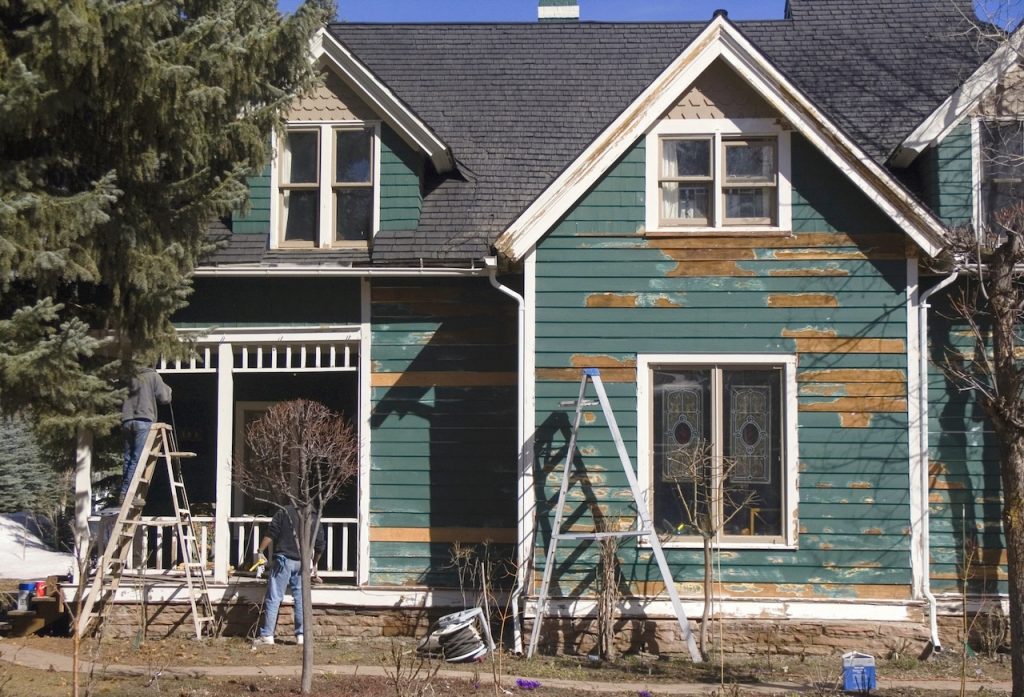
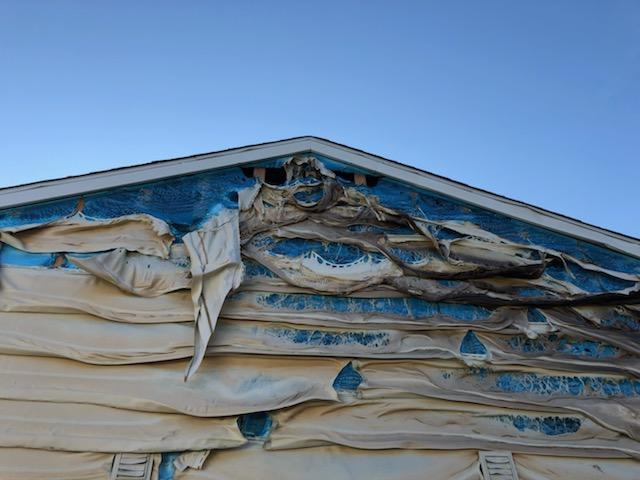
Historical homes have unique features that require delicacy when restoring.
Step-by-Step: The Historic Home Fire Damage Restoration Process
Restoring a historic home after fire damage requires an organized, deliberate process that blends modern technology with traditional craftsmanship.
1. Damage Assessment and Documentation
The first step in restoring a historic home is a comprehensive evaluation of the damage. Restoration specialists conduct a detailed inspection to identify areas affected by fire, smoke, soot, and water used in firefighting efforts.
Every damaged element—from beams and flooring to decorative trim—is carefully documented with photographs, notes, and measurements. This meticulous documentation supports insurance claims and helps form a clear, strategic restoration plan.
In historic properties, the assessment often includes research into the home’s original blueprints or historical records to ensure future repairs match the original design.
2. Structural Stabilization
Fire can severely weaken the structure of a home, especially older ones built with traditional materials like timber or masonry. Before any restoration work begins, the structure must be stabilized to prevent further deterioration or collapse.
Professionals install temporary supports, braces, and protective coverings to reinforce weakened walls, ceilings, and foundations. In many cases, modern tools like laser levels and structural scanners are used to detect hidden weaknesses.
Stabilization not only protects the workers and property but also preserves what remains of the original construction for accurate restoration later.
3. Smoke and Soot Removal
One of the most critical steps in historic home restoration is the careful removal of smoke and soot. Materials such as antique wood, plaster, and brick are porous and can absorb contaminants deep into their surfaces.
Standard cleaning methods can cause irreversible damage, so specialists use delicate techniques such as dry ice blasting, low-pressure vacuuming, and conservation-grade cleaning solutions to remove soot without harming the materials.
This step helps restore both the appearance and air quality of the home while preventing long-term staining or corrosion.
4. Odor Neutralization
Even after soot is removed, the lingering smell of smoke can remain trapped in wood beams, walls, and upholstery. Professional restoration teams employ advanced deodorization technologies like thermal fogging, which disperses a fine mist that neutralizes odor particles at a molecular level, and ozone treatment, which breaks down smoke molecules entirely.
These odor control methods are designed to preserve the home’s materials while ensuring a fresh, breathable environment. In a historic home, where replacement of materials is often not an option, odor neutralization is especially vital to protect the building’s integrity.
5. Repair and Restoration
Once cleaning and stabilization are complete, the focus shifts to restoring the home’s structure and historic details. Expert craftsmen and builders work together to repair or reconstruct damaged areas while maintaining historical accuracy.
Fire-damaged wood may be repaired through sanding and refinishing, while missing trim, crown molding, or plaster details are replicated using traditional tools and methods. Each component—floors, windows, doors, and fixtures—is restored to match the home’s original appearance.
This phase often involves collaboration with historical societies or conservation experts to ensure authenticity and compliance with preservation guidelines.
6. Finishing Touches
The final step is where the home comes back to life. Restoration teams apply the finishing details that honor the property’s history and style.
This includes repainting with historically accurate colors, reinstalling salvaged or replicated architectural elements, and polishing or refinishing original surfaces. Every effort is made to ensure the home reflects its original period—from hardware and lighting fixtures to decorative finishes.
The goal isn’t just to repair what was damaged, but to revive the historic character and emotional significance of the property, ensuring it remains a cherished part of Lafayette’s heritage for generations to come.
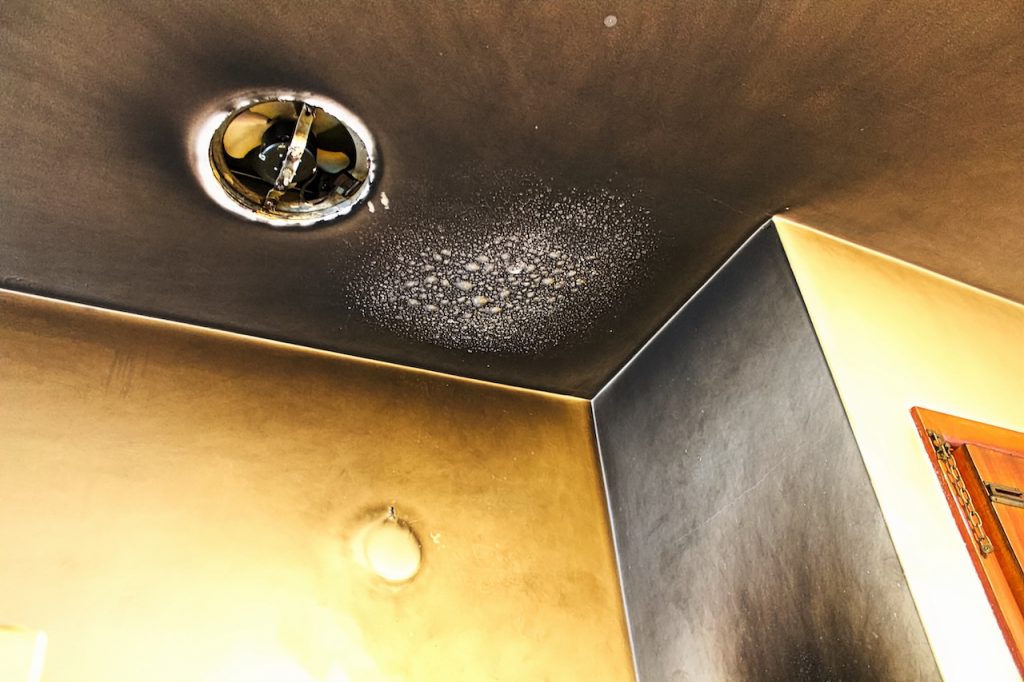
Soot is a byproduct of a house fire, and it’s crucial to remove it carefully from a historic home to prevent additional damage.
Contact Us for Historic Home Fire Damage Restoration
Preserving the past through historic home restoration is both an art and a responsibility. When fire strikes, it takes more than standard repairs to bring a home’s story back to life. The right team will honor its legacy, safeguard its structure, and restore its beauty for future generations.
At PuroClean of Lafayette, we specialize in historic home fire damage restoration, combining advanced restoration science with a passion for heritage preservation. Whether you’re restoring a century-old Victorian or a 1930s Craftsman home, our experts ensure authenticity, safety, and care in every detail.
Call PuroClean of Lafayette today at (765) 701-4242 for expert historic home fire damage restoration in Lafayette, IN, and surrounding areas. Protect your history—restore it with professionals who understand its value.
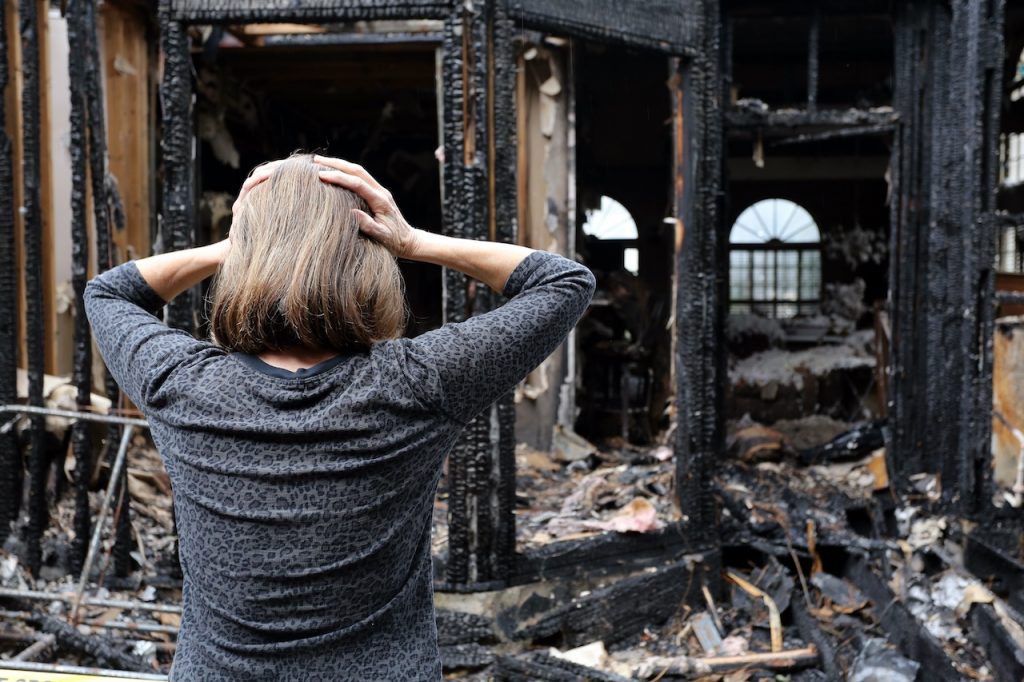
We understand how stressful fire damage is, and that’s why PuroClean of Lafayette is here to help in times of crisis.
FAQs About Historic Home Fire Damage
Q1: Can a historic home be restored after a major fire?
Yes. With the right expertise, even extensively damaged historic homes can be restored. Structural integrity and salvageable materials determine the restoration scope.
Q2: Will restoration affect the historical value of my property?
Not if done correctly. Using authentic materials and historically accurate methods maintains and can even enhance a property’s historical value.
Q3: How long does historic home restoration take?
The timeline varies based on the extent of fire damage and the availability of authentic materials. Most projects range from several weeks to several months.
Q4: Can modern fire prevention systems be added discreetly?
Absolutely. Fire alarms, sprinklers, and electrical upgrades can be installed in ways that maintain your home’s original aesthetic.
Q5: How do I find the right restoration company in Lafayette?
Look for certified professionals experienced in both fire restoration and historic preservation—like PuroClean of Lafayette—to ensure the best results.
Summary
- Historic home fire damage requires specialized restoration to preserve architectural and cultural value.
- Restoration involves structural stabilization, soot removal, odor control, and authentic reconstruction.
- Collaboration with historians and skilled craftsmen ensures authenticity.
- PuroClean of Lafayette offers expert fire and smoke restoration services tailored to historic homes in Tippecanoe County.
Explore more helpful articles:


 PuroClean of Lafayette