


24/7 Call or Text 651-329-5436
Fire and Smoke Damage Restoration Farmington MN From Downtown to the Townships
Fire and smoke damage restoration Farmington MN from PuroClean of Lakeville includes board-up, soot cleaning, odor removal, drying and repairs, with free estimates from an IICRC-certified, licensed and insured team. We are based in the Lakeville area and serve the entire south metro, Farmington included. See our main fire and smoke damage restoration page for our full process.
Had a fire in Farmington? Call PuroClean of Lakeville at (952) 377-8477. We answer 24/7 and work with insurance companies.
Paid-On-Call Firefighters Covering 80 Square Miles
The Farmington Fire Department has an authorized strength of 60 paid-on-call firefighters responding from two fire stations. The department protects about 25,000 residents across roughly 80 square miles of Farmington, Empire and the townships of Castle Rock and Eureka.
That service area includes downtown streets, newer subdivisions and open farmland. After the fire is out, owners in all three settings face the same questions: how to secure the building, clean the soot and get rid of the smell. Fire and smoke damage restoration Farmington MN answers them with one plan and one team.
Fire and Smoke Damage Restoration Farmington MN for Pre-1950 Downtown Homes
Farmington was platted in 1864 on the Vermillion River, according to the city’s history page. The city’s 2040 Comprehensive Plan notes that much of the housing near downtown was built before 1950.
Older homes often have plaster walls, wood trim and wall cavities built long before modern codes. Smoke can move through wall cavities and between floors, and odor settles into old wood. During fire and smoke damage restoration Farmington MN we clean original finishes gently, check cavities where odor points and remove only materials that cannot be restored.
Newer Subdivisions in the North
The same plan notes that much of the housing in the northern part of the city was built since the 1980s, and that Farmington added 300 to 350 homes a year in the mid-1990s. Those homes have attached garages, finished basements and open main floors.
Many are now 30 years old, with original appliances, water heaters and furnaces. Smoke in these homes spreads through open spaces and ductwork. We clean, deodorize and dry the whole house as needed, and we handle repairs and reconstruction so you do not need a second contractor.
Farms, Outbuildings and Rural Fires
Farmington’s fire district includes rural townships with farmhouses, barns, machine sheds and detached garages. Fires in outbuildings can damage stored equipment and send smoke toward the house, and wood stoves are common in rural homes.
NFPA reports that nearly half of home heating fires happen from December through February. The U.S. Fire Administration recommends keeping anything that can burn 3 feet from stoves and having chimneys cleaned and inspected every year. If a rural fire does happen, we secure, clean and document both the house and its contents.
Where Smoke Hides in Farmington Homes
Plaster walls downtown
Older plaster can hide smoke in cracks and in the lath behind it.
Open basements and stairways
Smoke from a lower-level fire rises through stairs into the main floor and bedrooms.
Wood stove areas
Soot from a stove or chimney problem settles on nearby walls, ceilings and furniture.
Detached garages and sheds
Stored items in outbuildings absorb smoke and should be documented before disposal.
Before You Go Back Inside
Wait for the fire department’s all-clear before going inside. According to the U.S. Fire Administration, firefighters shut off gas, electricity or water when those utilities are not safe, and owners should not restore them on their own. When you do go in, take photos and keep receipts. We handle board-up, water removal and the first round of soot cleanup. That first visit sets the plan for fire and smoke damage restoration Farmington MN.
Understanding Smoke and Soot Damage
Smoke damage has two parts: what you see and what you smell. Soot shows up as dark film on walls, ceilings and windows, often heaviest near the fire and fading with distance. Odor soaks into porous materials such as drywall, carpet pad, upholstery and insulation. The U.S. Fire Administration notes that smoke can ruin belongings the fire never reached. Fire and smoke damage restoration Farmington MN has to deal with both the residue and the odor source.
Fire Damage Is Often Water Damage
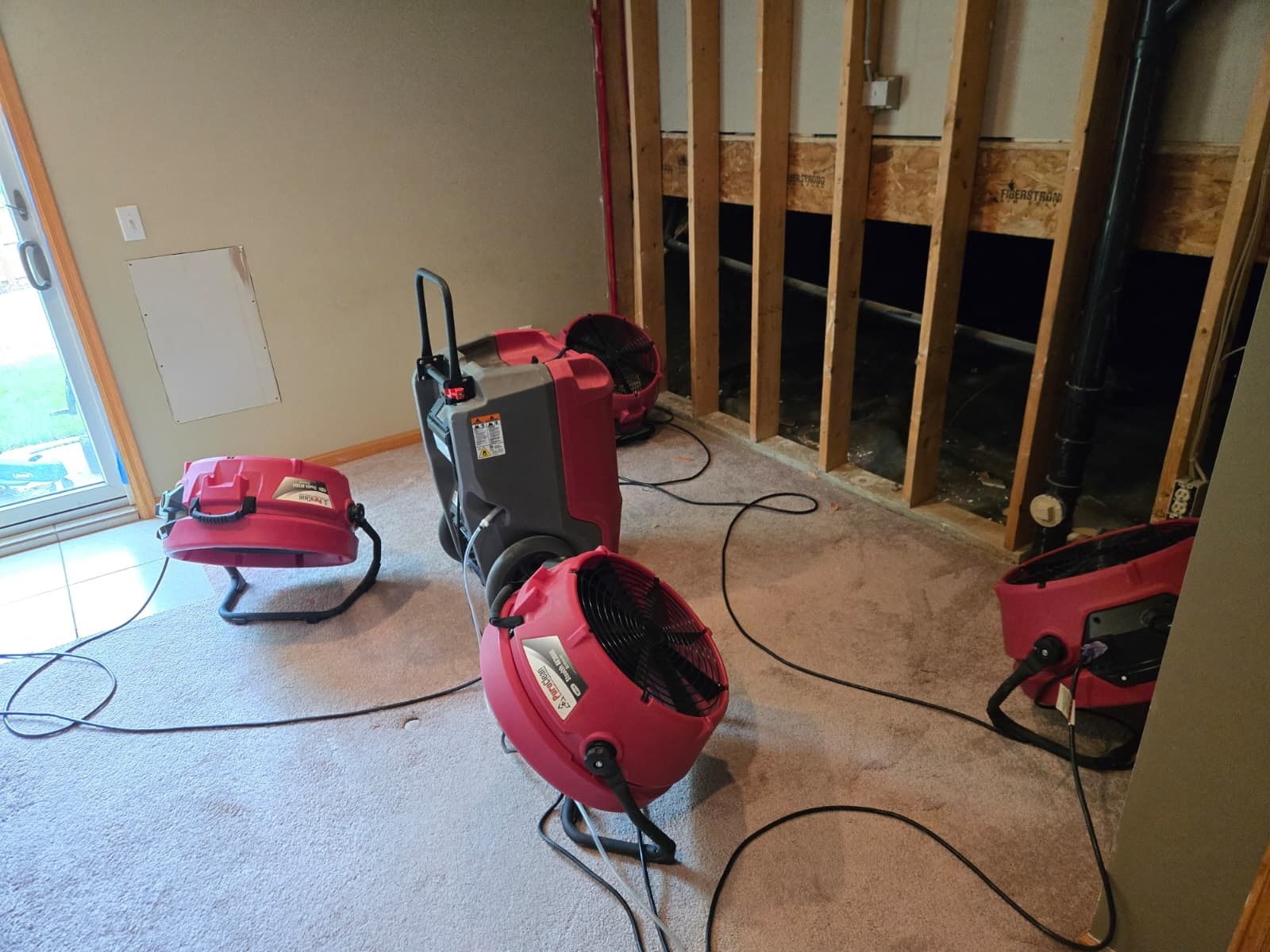
A fire call usually leaves two kinds of damage. Smoke and soot are obvious; water soaking into carpet pad, wall cavities and the basement below is easier to miss. The U.S. Fire Administration warns that soot and dirty water left behind may contain things that could make you sick. We extract water, dry the structure and monitor moisture readings. Learn more on our Farmington water damage restoration page and, if needed, our Farmington mold remediation page. Water removal is built into our fire and smoke damage restoration Farmington MN plan.
Board-Up and Securing the Property
Firefighters often break windows and cut openings in roofs and walls to vent smoke and make sure the fire is out; the U.S. Fire Administration describes both. That leaves a building open to rain, snow and trespassers. We board windows and doors and tarp roof openings so the structure is protected while fire and smoke damage restoration Farmington MN is planned and your claim moves forward.
Deodorization Done Right
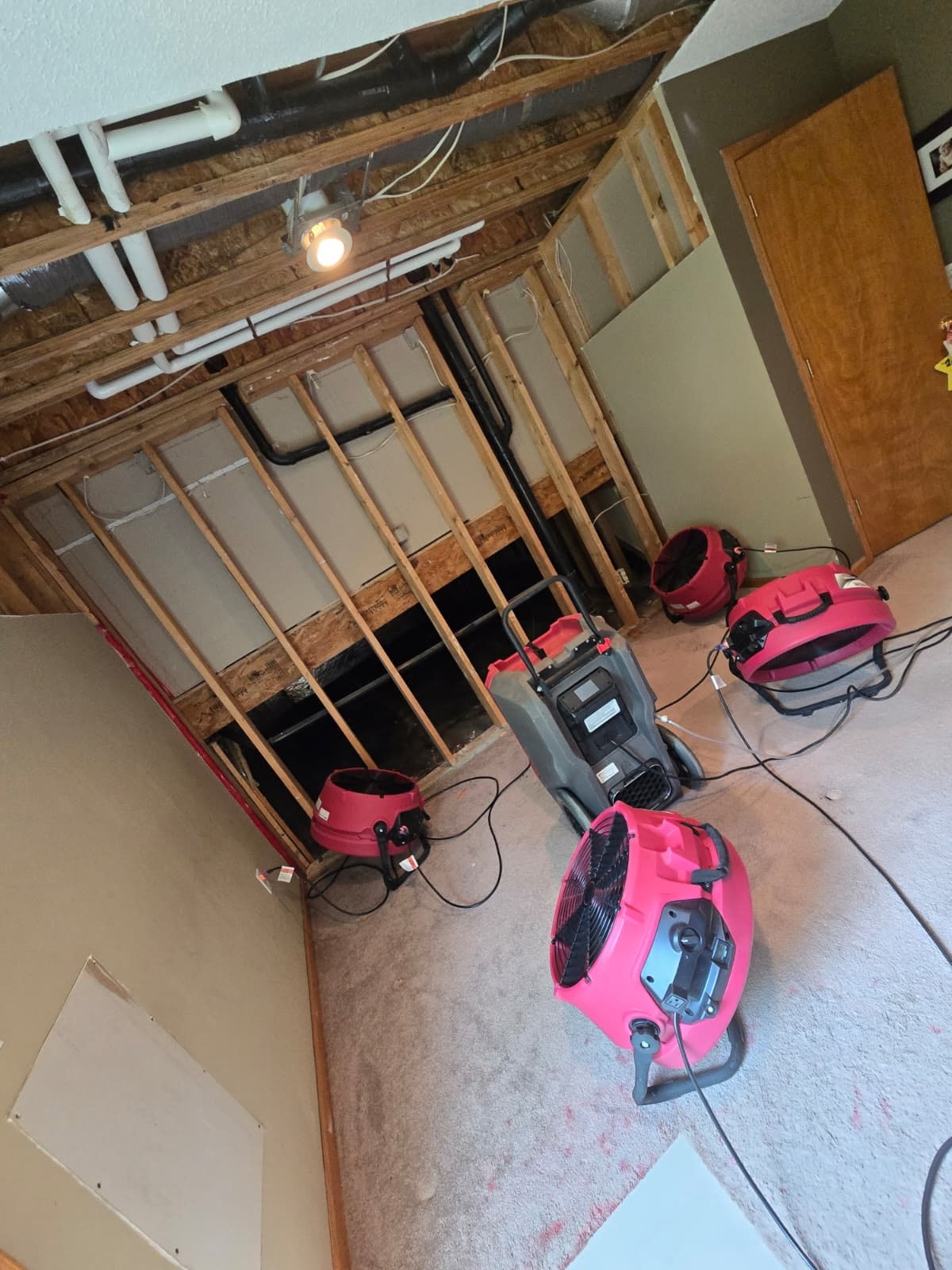
Odor is often the last sign of a fire to leave. It hides in soft materials, framing and air ducts, and it returns on humid days if the source was not removed. During fire and smoke damage restoration Farmington MN we remove what cannot be cleaned, clean what can and then use deodorizing equipment suited to the building. Before we finish, we check the spaces where odor tends to hide, including closets, attics and the HVAC system.
Why HVAC Cleaning Matters After a Fire
Smoke and soot can collect inside ductwork, on coils and on the blower wheel. Starting the system before it is cleaned can spread residue back into rooms you just had cleaned. We include HVAC inspection and duct cleaning in fire and smoke damage restoration Farmington MN plans where smoke reached the system.
Cleaning Furniture, Clothing and Keepsakes
Upholstered furniture, clothing, rugs and books absorb smoke. Some can be cleaned and deodorized; some cannot. We test, clean what responds and give you an honest answer on the rest. Pack-out and contents cleaning are part of most fire and smoke damage restoration Farmington MN jobs where smoke spread beyond one room.
What Happens During Fire and Smoke Damage Restoration Farmington MN
Find out what was affected
Smoke goes farther than flames. We check connected rooms, the attic, the lower level and the HVAC system.
Stabilize the building
Board-up, roof tarps and water extraction stop the damage from growing.
Remove what can’t be saved
Burned and soaked materials come out, and contents are sorted for cleaning, pack-out or documentation.
Clean, dry and deodorize
Structure and contents are cleaned, the building is dried and odor is removed at its source.
Restore
We complete repairs and reconstruction and walk through the finished work with you.
What EPA Says About Smoke Particles
EPA says fine particles are the biggest health threat from smoke and that people with heart or lung disease, older adults and children deserve extra care. We follow that advice on the job: containment, HEPA filtration and protective gear. If anyone in your household has health concerns about smoke exposure, talk with a health care provider. Protective gear and filtration are standard in our fire and smoke damage restoration Farmington MN work.
Common Cleanup Mistakes
The most common mistakes we see: painting over smoke stains, using a regular shop vacuum on fine soot, which can blow particles back into the air, washing ceilings with a soaking-wet sponge and throwing out belongings before they are documented. The U.S. Fire Administration recommends keeping receipts and records for your insurer, and photos of damaged items help too. Avoiding these mistakes keeps fire and smoke damage restoration Farmington MN simpler and less costly.
Why Most House Fires Start in the Kitchen
Kitchen fires leave a residue that is hard to clean: an oily film on cabinets, ceilings and appliances, with a strong odor. Cooking is the most common known cause of house fires in Minnesota, according to the Minnesota State Fire Marshal. NFPA recommends staying in the kitchen while frying, grilling, boiling or broiling, and keeping towels and packaging away from the stovetop. Removing that film is a big part of fire and smoke damage restoration Farmington MN after a kitchen fire.
When Wiring and Appliances Start Fires
Overloaded cords, damaged outlets and aging appliances can all start fires. In Minnesota, electrical malfunction ranked second among known causes of residential fires in 2024, according to the Minnesota State Fire Marshal. Burning plastic leaves a dark, oily soot. Before fire and smoke damage restoration Farmington MN begins in an electrical fire area, the circuit should be checked and made safe by a licensed electrician.
Furnaces, Fireplaces and the Long Cold Season
From the first cold snap to the spring thaw, heating equipment runs almost nonstop. According to NFPA, December through February brings nearly half of home heating fires, and space heaters are involved in most heating-fire deaths. The U.S. Fire Administration advises a 3-foot clear zone around heaters and stoves and a yearly chimney check. When a furnace puff-back or chimney fire does spread soot, fire and smoke damage restoration Farmington MN removes it from walls, ducts and furnishings.
Candle Fires
NFPA says Christmas is the peak day for candle fires, and NFPA’s cooking data name Thanksgiving as the peak day for home cooking fires. Holidays bring more open flames, more cooking and more guests. Keeping candles 12 inches from anything that can burn and staying in the kitchen while cooking are simple habits that reduce the need for fire and smoke damage restoration Farmington MN.
Hazy Summer Days and Indoor Air
Minnesota summers now bring smoky skies more often. The Minnesota Pollution Control Agency issued a record 52 air quality alert days in 2023, many driven by wildfire smoke from Canada. Smoke slips in through open windows, bath and kitchen fans and gaps around doors, as EPA explains. Most hazy days only call for closed windows and a good furnace filter. Heavy ash or a lasting smell inside is different, and cleaning it is a small form of fire and smoke damage restoration Farmington MN.
Working Alarms Come First
The best fire is the one you hear about early. NFPA says working smoke alarms cut the risk of dying in a home fire in half, and that families may have only about two minutes to get out once an alarm sounds. Put alarms in each bedroom, outside sleeping areas and on every floor. Minnesota law also requires a carbon monoxide alarm within 10 feet of each bedroom. Rebuilding after fire and smoke damage restoration Farmington MN is a good time to add any that are missing.
Business Fire Recovery in Farmington
Downtown Farmington’s older commercial buildings, plus offices, rentals and industrial sites, all benefit from a clear fire cleanup plan.
Commercial fire and smoke losses need fast, organized work. We secure the property, map smoke damage across units or departments and clean in phases so business can continue where safe. Repairs and reconstruction follow without changing contractors. We handle fire and smoke damage restoration Farmington MN for buildings of every size.
Fire Claims and Documentation
Good records make a fire claim easier. We photograph every affected room, inventory contents and keep notes on what was removed and why. We bill insurance directly when your insurer allows it. Coverage is always the insurer’s decision, and we never promise what a policy will pay for. Documentation is built into our fire and smoke damage restoration Farmington MN process.
Photos, Lists and Receipts
Write down the date and time of the fire, the fire department’s name and the incident report number, as the U.S. Fire Administration worksheet suggests. Keep receipts for hotels, meals and supplies. We provide documentation of the damage and the fire and smoke damage restoration Farmington MN work for your adjuster.
Fire Safety Checklist for Farmington Homes
- Have wood stoves and chimneys cleaned and inspected yearly (USFA).
- Keep firewood and combustibles 3 feet from stoves.
- Test smoke alarms monthly (NFPA).
- Install CO alarms within 10 feet of bedrooms, as Minnesota law requires.
- Store fuel for equipment away from the house.
- After a fire, photograph damage before cleanup.
How Long Does Fire Restoration Take?
Every fire is different. A small kitchen fire may take days of cleaning; a fire that spread through several rooms may need weeks of cleanup and rebuilding. The size of the fire, how far smoke traveled, how much water was used and insurance approvals all affect timing. We give you a schedule with the estimate and update it as work progresses. We keep fire and smoke damage restoration Farmington MN on schedule and tell you when it changes.
When Is the Home Ready?
A home is ready when it is clean, dry, odor-free and repaired. We check moisture readings, look in closets, cabinets and the attic for leftover residue and run the HVAC system to confirm it does not bring back smell. That final check is the last step of fire and smoke damage restoration Farmington MN.
Beyond Fire and Smoke
We are a full-service restoration company. Explore water damage restoration, mold removal and remediation, biohazard cleanup and commercial restoration services, or browse our residential restoration services. We coordinate these with fire and smoke damage restoration Farmington MN when a job needs more than one.
What Sets Our Team Apart
Owners choose us for straight answers, careful work and one team from board-up to rebuild. We are IICRC-certified, licensed and insured, and we answer 24/7. That is what fire and smoke damage restoration Farmington MN should feel like.
Nearby Areas We Serve
We also serve Rosemount, Apple Valley, Elko New Market and Hastings. See every city on our service areas page.
Fire and Smoke Damage Restoration Farmington MN FAQ
Do you serve rural homes around Farmington?
Yes. We serve homes and farms throughout the area, including rural properties with outbuildings and wood stoves.
Can you clean smoke from plaster in an older home?
Usually. We test residue first and use gentle methods suited to plaster and old trim.
Do you offer free estimates?
Yes. Every estimate is free, and we explain the scope in plain language before work starts.
What about smoke from a neighbor’s fire?
Smoke from a fire next door, in an attached unit or in a shared building can enter your space through shared walls, attics and ventilation. We assess and clean those losses too.
Will painting over smoke stains fix the smell?
No. Odor comes from residue in the materials. Paint can bleed through and the smell can return. The residue has to be cleaned or removed first, and sealing comes after.
Can smoke-damaged clothing be saved?
Often, yes. Many fabrics can be cleaned and deodorized professionally. Avoid washing heavily smoked clothes in hot water before they are assessed, because heat can set odor and stains.
Schedule a Free Estimate
Get a free estimate for fire and smoke damage restoration Farmington MN: call (952) 377-8477 or contact us.

