



Table of Contents
Pet disaster preparedness starts with three essentials: a safe evacuation plan, a well-stocked emergency kit, and a way to identify and transport your pet quickly. Before severe weather or another emergency occurs, know where you can take your pets, keep veterinary records accessible, and make sure every animal has current identification. For pet owners in Lanham, MD, preparing ahead for thunderstorms, flooding, winter weather, power outages, and other emergencies can make evacuation faster and safer.
What Is Pet Disaster Preparedness?
Pet disaster preparedness means planning in advance for how you will protect, evacuate, shelter, and care for your animals during an emergency.
A complete pet emergency plan should address transportation, temporary shelter, food and water, medications, identification, veterinary records, and what happens if you are away from home when an emergency occurs.
Organizations such as the American Red Cross recommend including pets in household emergency planning rather than waiting until evacuation becomes necessary. This guidance provides a useful external resource for homeowners building their own preparedness plans.
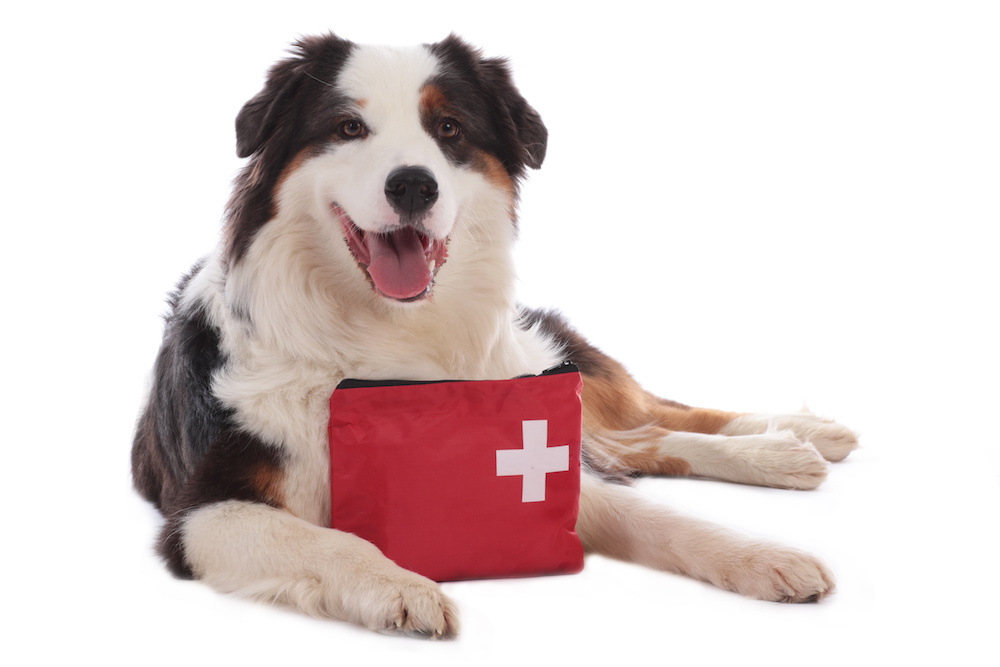
Create a Pet Disaster Preparedness Plan Before an Emergency
Emergencies can develop quickly, so important decisions should be made before conditions become dangerous.
Choose Someone Who Can Help Your Pet
Identify a trusted neighbor, friend, or family member who can reach your pet if you cannot get home.
Make sure this person:
- Knows where your pets are usually located and where their carriers, leashes, and emergency supplies are stored. Providing clear instructions in advance can prevent confusion during an evacuation.
- Has access to your home when appropriate. They should also know your preferred veterinarian and emergency contact information.
- Understands your pet’s behavior and any medical requirements. Animals may behave differently when frightened or displaced.
Keep contact information updated and consider selecting an alternate person in case your first contact is unavailable.
Keep Identification Current
Identification makes it easier to reunite with a lost pet after an emergency.
Use a collar with a current ID tag, and consider microchipping your pet. If your pet already has a microchip, verify that the associated phone number, address, and emergency contacts are current.
Keeping a recent photo of your pet can also help with identification if you become separated.
Know Where You Can Evacuate With Your Pet
Do not assume every emergency shelter, hotel, or temporary accommodation will accept animals.
Before an emergency, identify several options such as:
- Pet-friendly hotels outside your immediate area. Save their phone numbers and addresses so you do not have to search during an evacuation.
- Veterinary hospitals and boarding facilities that may provide temporary shelter. Ask about vaccination requirements and emergency procedures in advance.
- Friends or relatives who live outside the affected area and can accommodate you and your animals.
Planning multiple options is important because your first choice may be unavailable during a widespread emergency.
Build a Pet Emergency Kit
Your pet emergency kit should contain enough supplies to care for your animal if you cannot return home immediately.
The CDC recommends including pets in household emergency preparedness and keeping essential supplies accessible. Store your kit in a waterproof or easily transported container near your family’s emergency supplies.
Pet Disaster Kit Essentials
| Item | Why You Need It |
|---|---|
| Food | Pack several days of your pet’s usual food in waterproof containers. |
| Water | Store fresh water and a portable bowl. |
| Medications | Keep necessary medications and instructions from your veterinarian. |
| Medical records | Include vaccination records, prescriptions, and veterinary information. |
| Collar and leash | Pack backups with current identification tags. |
| Carrier or crate | Have an appropriately sized carrier available for each pet. |
| Sanitation supplies | Include waste bags, litter, paper towels, and cleaning supplies appropriate for your pet. |
| Comfort items | Familiar bedding, toys, or treats can help reduce stress. |
| Recent photo | A current photo can help identify your pet if you become separated. |
Table: Essential supplies to include in a pet disaster preparedness kit.
Check the kit periodically for expired food, medications, outdated records, or supplies that need to be replaced.
Prepare Your Pet for Evacuation
A carrier is much less useful during an emergency if your pet refuses to enter it.
Help your pet become comfortable with carriers, crates, harnesses, and car travel before they are urgently needed. Periodically practicing your pet evacuation plan can also reveal problems before an actual emergency occurs.
For households with multiple pets, make sure you have enough carriers, leashes, and transportation space for every animal.
What to Do When an Emergency Is Approaching
If authorities issue warnings or dangerous weather is approaching Lanham, bring pets indoors early and prepare to leave if necessary.
A simple response plan is:
- Gather your pets before conditions become dangerous. Animals may hide or become difficult to locate when they sense storms, smoke, or unusual activity.
- Place carriers, leashes, medications, and emergency kits near your exit. Keeping supplies together reduces delays.
- Follow local evacuation instructions. If you need to leave your home, take your pets whenever it is safe and permitted to do so.
- Keep pets restrained during transportation. Frightened animals can escape quickly in unfamiliar environments.
- Continue monitoring official emergency information. Conditions and evacuation instructions can change rapidly.
Never put yourself in danger trying to retrieve an animal from an unsafe structure. Emergency responders may be able to provide guidance when access is dangerous.
Prepare for Emergencies Common in Lanham, MD
Pet owners in Lanham and surrounding Prince George’s County communities should prepare for several types of emergencies, including severe thunderstorms, heavy rainfall, winter storms, power outages, and other events that may damage homes or interrupt utilities.
When storms are forecast, keep pets inside and make sure carriers, medications, food, and identification are accessible. If your property becomes unsafe because of flooding, fire, structural damage, or another hazard, relocate pets to a secure environment before restoration work begins.
Prepare Your Pets and Know Who to Call After Property Damage
Pet disaster preparedness protects the animals in your household, but emergencies can also leave your home with water, fire, smoke, mold, or other property damage.
After everyone, including your pets, is safely out of danger, PuroClean Restoration Services can help address property damage in Lanham, MD, and surrounding communities. Our restoration professionals are available to respond when an unexpected event makes your home unsafe or causes significant damage.
For professional property damage restoration, call (301) 277-2755 or contact PuroClean Restoration Services for assistance restoring your property after an emergency.
Frequently Asked Questions
Q: What should I include in a pet disaster preparedness plan?
A: Your plan should include evacuation routes, pet-friendly shelter options, emergency contacts, transportation, identification, veterinary records, medications, and essential supplies. You should also identify someone who can reach your pet if you are away from home.
Q: How much food and water should I keep for my pet during an emergency?
A: Keep several days of your pet’s normal food and fresh water available as part of your emergency supplies. Store food in airtight, waterproof containers and periodically replace supplies before they expire.
Q: Should I evacuate with my pet during a disaster?
A: Whenever authorities instruct you to evacuate and it is safe to do so, include your pets in your evacuation plan. Leaving pets behind can make it difficult or impossible to retrieve them if conditions worsen.
Q: How can I prepare a nervous pet for an evacuation?
A: Practice using carriers, crates, harnesses, and vehicles before an emergency occurs. Familiar bedding, treats, and toys can also make unfamiliar surroundings less stressful.
Q: Why are vaccination records important during an emergency?
A: Boarding facilities, veterinary clinics, and some temporary shelters may request proof of current vaccinations before accepting an animal. Keeping digital and waterproof paper copies makes those records easier to access during an evacuation.
Key Pet Disaster Preparedness Takeaways
- Create a pet disaster preparedness plan before an emergency occurs.
- Identify safe evacuation locations that accept pets.
- Keep identification and microchip contact information current.
- Prepare a portable emergency kit with food, water, medications, and records.
- Practice using carriers and transportation before an evacuation is necessary.
- Arrange for a trusted person to help if you cannot reach your pets.
- Follow official emergency instructions and move pets to safety when your home becomes unsafe.