 PuroClean of Lawrenceville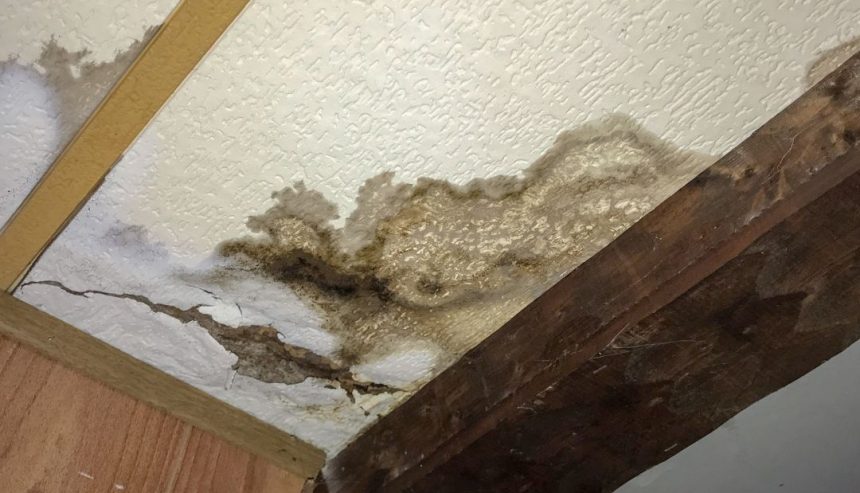
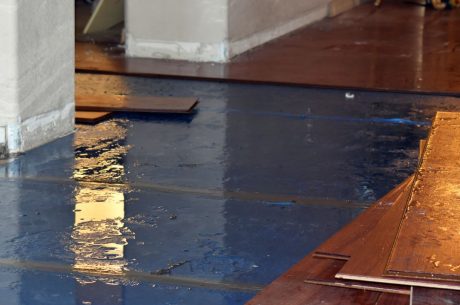
Flooding doesn’t just affect floors and basements it causes Ceiling Water Damage. In many homes across Stone Mountain, GA, water damage shows up overhead — sagging ceilings, bubbling paint, stained drywall, and even partial collapses.
If your property has experienced storm damage, burst pipes, or upstairs overflows, understanding when ceiling drywall must be replaced versus professionally dried is critical to protecting your home and preventing mold.
This guide explains how ceiling water damage works, how professionals assess it, and when replacement becomes unavoidable — with expert support from PuroClean of Lawrenceville, proudly serving Stone Mountain and surrounding communities.
Table of Contents
How Ceiling Water Damage Happens
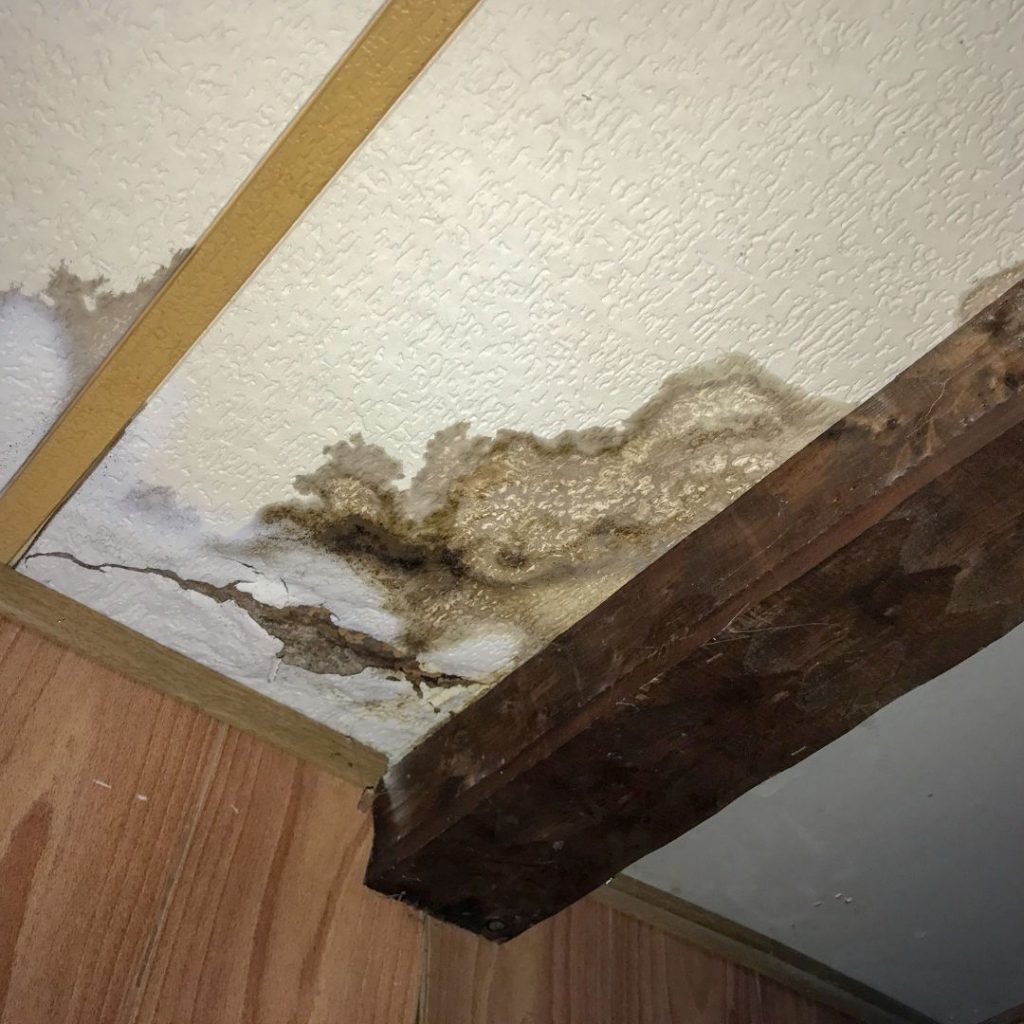
Ceiling damage typically results from:
- Burst or leaking pipes between floors
- Overflowing bathtubs, sinks, or washing machines
- Roof leaks during heavy Georgia storms
- HVAC drain line failures
- Flooding that migrates through framing cavities
In many Stone Mountain homes, water accumulates above the drywall before becoming visible. By the time staining or sagging appears, the material has already absorbed moisture.
Why Ceiling Drywall Is So Vulnerable
Drywall (gypsum board) consists of a gypsum core wrapped in paper facing. Once saturated:
- The gypsum loses rigidity
- The paper becomes a mold food source
- Fasteners loosen
- Structural strength declines
Unlike structural lumber, drywall does not recover its original integrity after heavy saturation.
Early Signs of Ceiling Water Damage
Homeowners should look for:
- Brown or yellow water stains
- Peeling or bubbling paint
- Soft or sagging areas
- Cracked seams or tape lines
- Musty odors
- Dripping near light fixtures
These symptoms often indicate water trapped above the ceiling cavity.
When Ceiling Drywall Can Be Dried
In limited situations, drywall may be salvageable if:
- The leak was minor and stopped quickly
- Saturation is minimal
- No sagging is present
- Water was clean (Category 1)
- Insulation above remains dry
Professional structural drying includes moisture mapping, controlled airflow, and commercial dehumidification. Drying decisions must be based on verified moisture readings — not appearance alone.
When Ceiling Drywall Must Be Replaced
Replacement is typically required when:
Extensive Saturation
If moisture penetrates deep into the gypsum core, strength cannot be restored.
Sagging or Structural Compromise
Sagging ceilings pose collapse risks and must be removed.
Contaminated Water Exposure
Gray or black water (such as sewage backups) requires removal of porous materials for safety.
Mold Growth
If mold is detected, affected drywall must be safely removed under containment.
Saturated Insulation
Wet insulation above the ceiling continues releasing moisture and prolongs damage.
The Mold Risk in Stone Mountain’s Climate
Georgia’s humidity accelerates mold development. When moisture is trapped between drywall and insulation, microbial growth can begin within 24–48 hours.
Hidden mold may spread into:
- Wall cavities
- HVAC systems
- Structural framing
Prompt mitigation reduces long-term contamination risks.
The Professional Restoration Process
When responding to ceiling water damage in Stone Mountain, PuroClean of Lawrenceville follows industry-standard protocols:
- Moisture Mapping – Thermal imaging and moisture meters identify the full scope of damage.
- Containment (if required) – Prevents cross-contamination during removal.
- Controlled Demolition – Damaged drywall and insulation are removed strategically.
- Structural Drying – Commercial air movers and LGR dehumidifiers dry framing.
- Antimicrobial Application – Reduces microbial risk.
- Insurance Documentation – Detailed reports support claims.
This method ensures the ceiling cavity is fully dry before reconstruction begins.
Insurance Coverage Considerations
Most Georgia homeowner policies cover sudden and accidental water damage, including:
- Burst pipes
- Appliance overflows
- Storm-related roof breaches
Gradual leaks or maintenance issues may not be covered. Proper documentation is essential for claim approval.
Why Immediate Action Matters
Delaying repairs can lead to:
- Ceiling collapse
- Mold remediation expenses
- Structural wood rot
- Electrical hazards
- Expanded repair costs
Ceiling cavities trap moisture, making rapid professional assessment essential.
Protect Your Stone Mountain Home Today
Ceiling water damage is not just cosmetic — it is a structural and indoor air quality issue that demands professional evaluation.
If you notice stains, sagging, or suspect hidden moisture above your ceiling, the safest next step is immediate inspection and structural drying.
PuroClean of Lawrenceville provides 24/7 emergency water damage restoration in Stone Mountain, GA, with advanced moisture detection, professional drywall removal, and complete structural drying services.
Call today to schedule a professional assessment and protect your home from further damage.

 PuroClean of Lawrenceville