


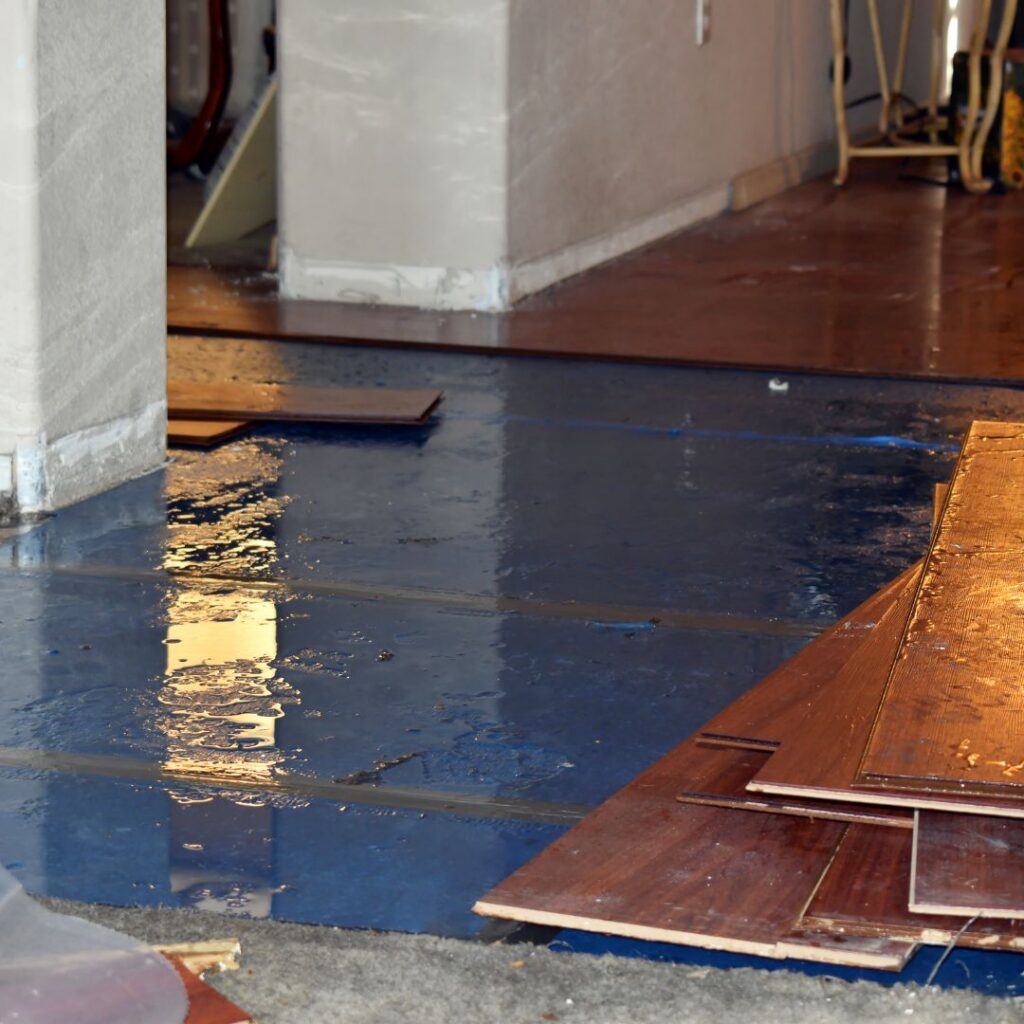
Have you recently walked across your home and noticed that your floors feel soft, spongy, or uneven underfoot? While it might seem like minor wear and tear, in many cases, this is one of the clearest indicators of hidden water damage. Moisture trapped under flooring can silently wreak havoc on your home, leading to subfloor rot, mold growth, and serious structural issues if left unaddressed.
For homeowners, understanding the causes, warning signs, and solutions for spongy floors in stone mountain homes is critical to protecting your property and your family’s health. In this guide, we’ll walk you through everything you need to know—and show why calling PuroClean of Lawrenceville for a professional moisture inspection is the safest next step.
Table of Contents
What Causes Spongy Floors in Stone Mountain?
A floor should feel solid and supportive under normal use. When it begins to flex, compress, or bounce, the issue is usually below the surface.
Most homes in Stone Mountain have floors constructed with multiple layers:
- Finished flooring – hardwood, laminate, vinyl, tile, or carpet
- Underlayment – padding or moisture barrier
- Subfloor – typically plywood or oriented strand board (OSB)
When moisture seeps into the subfloor, it absorbs water and loses structural integrity, creating the soft or spongy feeling you notice when walking across it. In most cases, by the time the floor feels soft underfoot, moisture has been present for weeks or even months.

Common Sources of Hidden Moisture in Stone Mountain Homes
Leaking Plumbing Pipes
Hidden leaks from water supply lines, drain pipes, or slab plumbing are a leading cause of spongy floors. Even a slow drip can saturate the subfloor over time, weakening wood and inviting mold growth.
Appliance Leaks
Washing machines, dishwashers, water heaters, and refrigerators with ice makers often develop small leaks. These leaks may go unnoticed until the floor above becomes soft or spongy.
Roof and Window Leaks
Water doesn’t always travel straight down. It can follow framing, walls, and joists before settling under floors—especially near exterior walls, windows, and doors.
Bathroom & Kitchen Moisture
Failed caulking, leaking toilets, shower pan leaks, or overflowing tubs allow moisture to seep beneath tiles, vinyl, or laminate flooring, creating the perfect environment for hidden damage.
How Hidden Moisture Causes Spongy Floors in Stone Mountain
Moisture damage is a gradual, destructive process:
- Water intrusion begins (leak, appliance, roof, or plumbing failure)
- Subfloor absorbs moisture, weakening fibers
- Swelling and delamination occur
- Fungal growth sets in, leading to dry rot or wet rot
- Structural integrity is compromised, making floors unsafe
Once rot develops, drying alone is often insufficient. The affected subfloor or joists may require repair or replacement to restore safety and stability.
Warning Signs Your Floors Have Hidden Water Damage
Soft or spongy floors rarely occur in isolation. Watch for these warning signs:
- Floors feel bouncy, soft, or uneven
- Musty odors coming from the floor or baseboards
- Buckling, cupping, or sagging floorboards
- Discoloration or water stains near walls or seams
- Increased allergy or respiratory symptoms
These signs indicate moisture has infiltrated beyond the surface and may already be causing subfloor rot or mold growth.
Risks of Ignoring Spongy Floors in Stone Mountain
Delaying inspection or repair can significantly increase costs and hazards:
- Structural compromise: Rot can spread to joists and load-bearing components
- Mold growth: Hidden moisture fosters mold colonies, which pose health risks
- Safety hazards: Severely weakened floors may collapse under weight
- Insurance complications: Many policies require prompt reporting of water damage
Early professional intervention helps prevent major demolition, extensive repairs, and higher restoration costs.
How Professionals Detect Hidden Moisture
Homeowners often attempt DIY inspections, but hidden moisture is rarely visible. Professional restoration companies, like PuroClean of Lawrenceville, use specialized tools to detect and address water damage, including:
- Moisture meters to measure water saturation
- Thermal imaging cameras to spot leaks behind walls or under floors
- Hygrometers to assess humidity levels
- Subfloor testing to determine the extent of damage
These methods ensure the moisture source is accurately identified and fully addressed—something DIY approaches often miss.
Professional Water Damage Restoration vs. DIY Repairs
Many homeowners try to fix spongy floors by replacing only the surface materials. Unfortunately, this rarely solves the underlying problem.
DIY limitations:
- Cannot fully dry subfloor or framing
- Misses mold and bacterial contamination
- Does not address hidden water sources
Professional restoration ensures:
- Complete moisture extraction and drying
- Antimicrobial treatment to prevent mold growth
- Repair or replacement of damaged subfloor or joists
- Insurance documentation for claims
Professional restoration addresses both the visible and hidden damage, ensuring your home is safe, dry, and structurally sound.
When to Call a Restoration Expert for Spongy Floors in Stone Mountain
Contact a professional if:
- Floors feel soft or spongy for more than 24–48 hours
- The source of moisture is unknown
- There are visible signs of mold or rot
- You recently experienced a leak from plumbing, appliances, or storms
Fast action is critical to prevent long-term structural damage and reduce repair costs.
Preventing Future Hidden Water Damage
Proactive maintenance can reduce risk:
- Routine plumbing inspections to catch leaks early
- Appliance maintenance for washing machines, dishwashers, and water heaters
- Sealing bathrooms and kitchens to prevent seepage
- Immediate leak repair—even small drips matter
- Periodic professional inspections for early detection
Final Thoughts: Don’t Ignore Spongy Floors in Stone Mountain Homes
Spongy or soft floors are more than a nuisance—they are a warning sign of hidden water damage that could threaten your home’s safety, structure, and indoor air quality. Ignoring these signs can lead to costly repairs, mold growth, and compromised structural integrity.
If your floors feel soft underfoot, the safest next step is a professional moisture inspection by PuroClean of Lawrenceville. Our certified technicians use advanced detection equipment to uncover hidden moisture, stop the source of damage, and restore your home safely and efficiently.
Call PuroClean of Lawrenceville today for fast, expert water damage restoration and protection for your home.