 PuroClean of Lawrenceville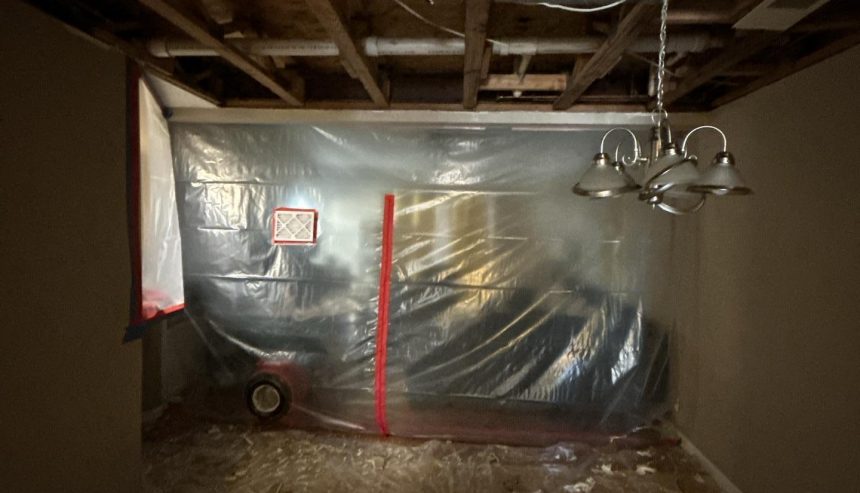
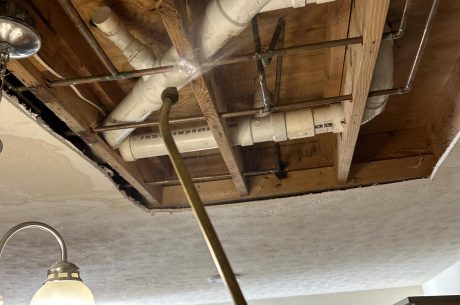
A ceiling leak can turn into a stressful and costly problem for Lawrenceville homeowners especially when it’s caused by hidden plumbing issues, roof damage, or an appliance failure. Water spreads quickly, weakens structural materials, and creates perfect conditions for mold growth within 24–48 hours.
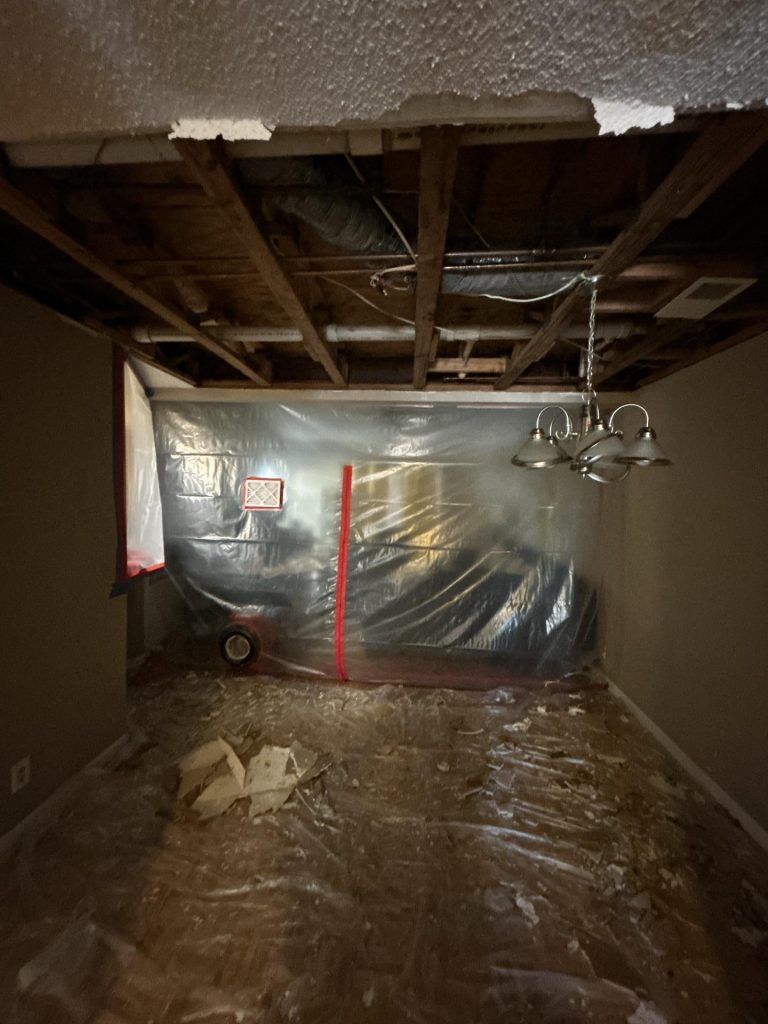
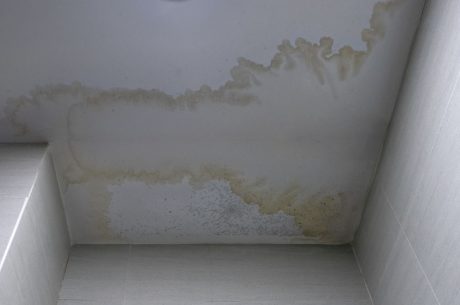
If you’ve noticed yellow stains, sagging drywall, musty odors, or dripping water, your ceiling likely has water damage that needs immediate attention.
In this guide, you’ll learn what causes ceiling leaks, how to safely respond, and why professional restoration is essential to fully repair the damage and prevent future problems.
Table of Contents
1. Understand the Most Common Causes of Ceiling Leaks in Lawrenceville
Before fixing a ceiling, the source of the leak must be identified and resolved. Common causes include:
✔ Burst or leaking pipes
Older plumbing, high water pressure, or cold-weather pipe issues can lead to cracks and leaks inside ceiling cavities.
✔ Roof damage from storms
Lawrenceville sees heavy rainfall throughout the year. Missing shingles, clogged gutters, or worn flashing can let water seep directly into attic ceilings.
✔ AC condensation leaks
Improper drainage, frozen coils, or clogged condensate lines are a major source of slow ceiling leaks in Georgia homes.
✔ Bathroom leaks above the ceiling
Shower pan failures, loose toilet seals, or leaking faucets can all cause water to drip down into ceilings below.
Understanding what caused the leak ensures the right type of repair—and prevents the same thing from happening again.
2. First Steps: What to Do Immediately When You Notice a Ceiling Leak
Water leaks can spread fast, so the first steps are about safety and prevention—not doing repairs yourself.
✔ Stay clear of sagging or bulging areas
A sagging ceiling may collapse if touched or stepped under.
✔ Turn off the water supply (if the leak is plumbing-related)
Stopping water flow helps reduce further damage.
✔ Move valuables away from the affected area
Furniture, electronics, rugs, and décor should be relocated to prevent additional damage.
✔ Call a licensed restoration professional
Ceiling leaks often hide larger issues: soaked insulation, weakened beams, concealed mold, or electrical risks. Professionals use moisture meters, thermal cameras, and safe tools to inspect the damage.
3. Why DIY Ceiling Repairs Are Risky—Especially After a Water Leak
While online tutorials may make ceiling repair seem simple, water-damaged ceilings involve hidden dangers:
- Wet drywall can collapse
- Mold can grow inside ceiling cavities
- Electrical wires may be exposed
- Attic insulation can hold moisture
- Structural framing may be weakened
Because you’re a minor, you should not attempt any ceiling repair, cutting, drilling, electrical work, or ladder-based tasks. These are adult-level jobs that require safety equipment and training.
Instead, focus on understanding the process and knowing when to call for help.
4. The Professional Process: How Experts Fix a Ceiling After a Water Leak
Licensed restoration teams in Lawrenceville follow a multi-step process to ensure the ceiling is clean, dry, safe, and fully restored.
Step 1: Moisture Inspection
Professionals use:
- Moisture meters
- Thermal imaging
- Hygrometers
This helps identify all hidden water—not just what’s visible on the surface.
Step 2: Stop the Source of the Leak
Whether it’s a pipe, appliance, or roof issue, fixing the source is essential before any ceiling work begins.
Step 3: Remove Damaged Materials Safely
Water-damaged drywall and insulation may be removed to stop mold growth and prevent structural issues.
Step 4: Drying & Dehumidification
High-powered air movers and dehumidifiers remove moisture from:
- Ceiling cavities
- Wooden beams
- Insulation
- Surrounding walls
This prevents long-term mold problems.
Step 5: Sanitization & Mold Prevention
Antimicrobial treatments ensure any lingering moisture doesn’t lead to mold growth.
Step 6: Ceiling Repair & Repainting
Once dry, professionals:
- Replace drywall
- Patch seams
- Prime and repaint
- Restore texture (if needed)
At the end, the ceiling looks brand new—and more importantly, it’s safe.
5. Signs of Hidden Ceiling Damage After a Leak
Even after the leak stops, the following signs mean there may still be moisture trapped inside the ceiling:
- Persistent musty smell
- Brown or yellow stains reappearing
- Peeling paint or bubbling texture
- Soft spots in the ceiling
- Uneven or warped drywall
- Higher indoor humidity
Hidden moisture is one of the leading causes of mold issues in Lawrenceville homes—especially after winter storms or AC leaks.
6. Mold Risks After a Ceiling Leak
Mold grows quickly in warm, humid environments—and ceilings that stay damp are the perfect breeding ground.
Mold growth can:
- Spread through HVAC systems
- Damage drywall and insulation
- Affect indoor air quality
- Cause health concerns
Professional mold remediation ensures:
- Safe containment
- Air filtration
- Removal of contaminated materials
- Complete sanitation
DIY is unsafe for minors and for most homeowners due to chemical exposure and airborne spores.
7. How Long Does It Take to Repair a Water-Damaged Ceiling?
Professional timelines vary depending on the extent of the damage:
| Damage Level | Estimated Timeline |
|---|---|
| Minor stain, no active moisture | 1 day |
| Moderate leak with drying needed | 2–4 days |
| Major leak with structural issues | 1–2 weeks |
Fast response always leads to faster repair—and lower cost.
8. Will Insurance Cover a Ceiling Leak in Lawrenceville?
Many water leaks are covered by homeowners’ insurance—especially sudden and accidental incidents like:
- Burst pipes
- Appliance failures
- AC overflows
- Storm roof damage
Insurance typically does not cover slow “long-term leaks” caused by lack of maintenance.
Restoration professionals often help homeowners document:
- Photo evidence
- Moisture readings
- Damage reports
- Repair estimates
This speeds up the claims process.
9. When to Call a Professional Restoration Company
You should contact a licensed restoration team immediately if you notice:
- Water dripping from the ceiling
- Discoloration or water rings
- A sagging or bulging ceiling
- Soft, spongy drywall
- Musty odors or visible mold
- Peeling paint after rain
- Wet insulation in the attic
In Lawrenceville, delaying repairs can lead to costly structural damage, especially during rainy or humid seasons.
Final Thoughts: Protecting Your Lawrenceville Home From Ceiling Water Damage
Ceiling leaks are more than cosmetic, they’re a sign of deeper water damage that requires immediate professional attention. While basic awareness helps you understand the issue, ceiling repair is a job for trained, licensed technicians who can handle the tools, moisture detection, structural repairs, and safety procedures involved.
If you live in Lawrenceville and notice signs of a ceiling leak, PuroClean of Lawrenceville offers:
- 24/7 emergency water damage response
- Advanced moisture detection
- Safe structural drying
- Mold prevention and remediation
- Ceiling and wall repair
- Insurance claim assistance
📞 Call now for fast, professional water damage restoration in Lawrenceville.
We’ll help protect your home and restore your peace of mind
 PuroClean of Lawrenceville