


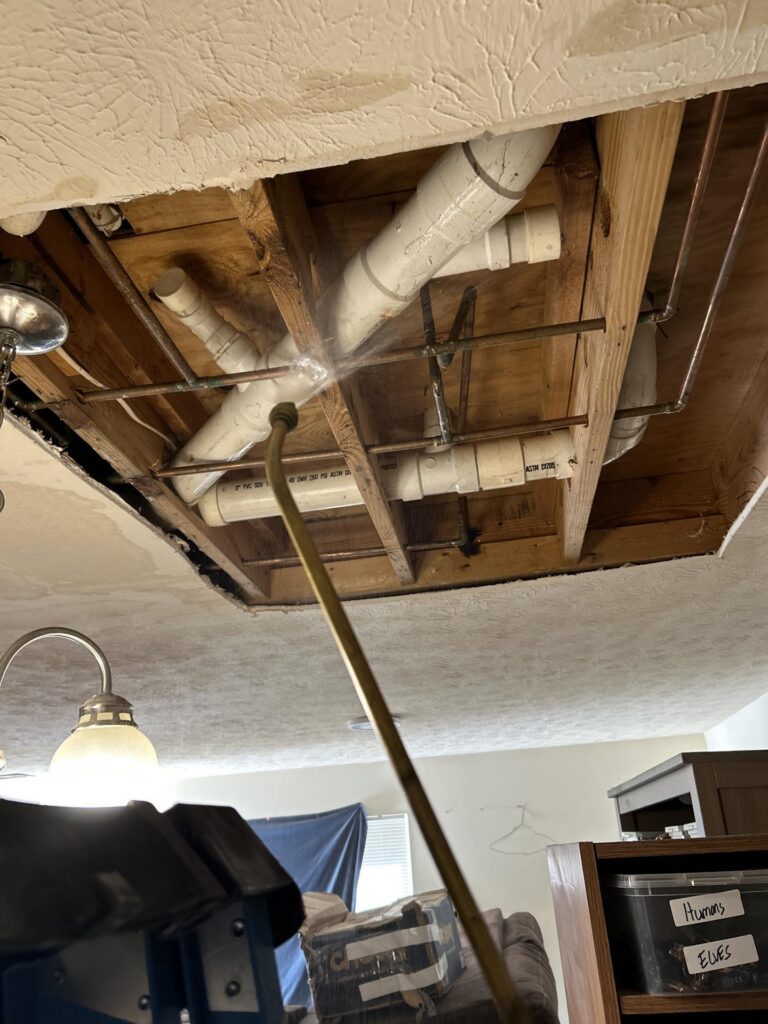
Thanksgiving weekend in Lawrenceville is supposed to be about family, food, and relaxation—not scrambling to shut off water pouring from a burst pipe. Unfortunately, the cold-season temperature drops, increased water usage, and holiday travel can make Thanksgiving one of the highest-risk periods for pipe bursts across Gwinnett County.
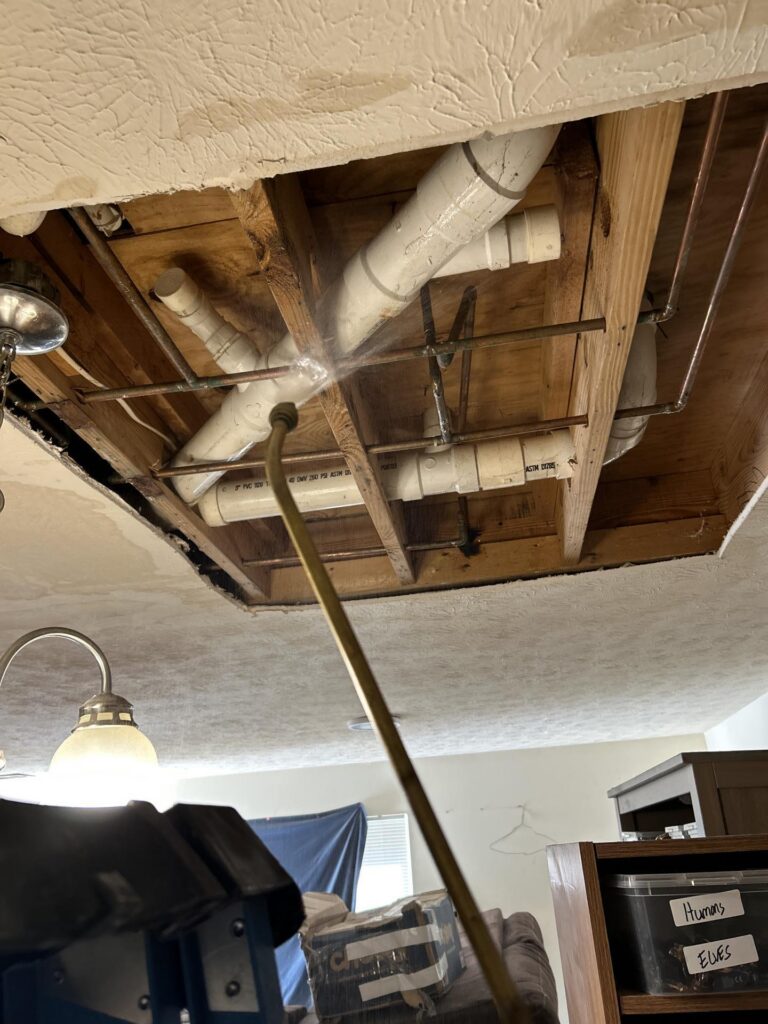
If you’re a homeowner or property manager in Lawrenceville, knowing exactly what to do in the first five minutes and the hours that follow can make the difference between a manageable water leak and a multi-room disaster.
This emergency guide breaks it all down—step by step—so you can protect your property, minimize damage, and get your home back to normal quickly.
Table of Contents
Why Burst Pipes Are More Common Over Thanksgiving Weekend in Lawrenceville
1. Cold Nights + Uninsulated Pipes
Georgia isn’t as cold as the Northeast, but Lawrenceville often hits freezing temperatures overnight in late November. When exposed pipes freeze, water inside expands—causing pipes to crack or burst when pressure increases.
2. Increased Holiday Water Usage
Hosting guests means:
- More toilet flushes
- More hot water demand
- More cleaning
- More dishwashing
This extra pressure exposes weak plumbing lines that already have small cracks or aging joints.
3. Many Families Travel and Leave the Home Empty
If you’re away and a pipe bursts, hours can pass before anyone notices—leading to soaked floors, collapsing ceilings, and severe structural damage by the time you return.
4. Deep Freezing of Outdoor Water Lines
Hose bibs and outdoor spigots are the first to freeze in cold snaps, often causing backflow into interior walls.
Immediate Steps: What To Do the Moment a Pipe Bursts
Speed is everything. Here’s the Lawrenceville homeowner’s emergency response sequence:
1. Shut Off Your Main Water Supply Immediately
This is the single most important step.
Find your home’s main shut-off valve:
- Inside: Usually near the water heater or where the main line enters the home
- Outside: Near the curb or driveway in a concrete box
Turning it clockwise stops water flow and prevents flooding from getting worse.
2. Turn Off Electricity in Affected Areas
For safety, shut off power to flooded rooms.
Water + electricity = dangerous.
If water is close to outlets or the breaker box, do not approach—wait for a professional.
3. Drain Remaining Water From the Plumbing System
To relieve built-up pressure:
- Turn on all cold taps
- Flush toilets
- Run outdoor spigots
This reduces stress on frozen or damaged pipes.
4. Start Containing Water Immediately
Use:
- Towels
- Mops
- Buckets
- Wet/dry vacs
- Fans
Remove as much standing water as possible to slow structural damage.
5. Call a Local Water Damage Restoration Company in Lawrenceville
Water damage spreads fast:
- Mold grows within 24–48 hours
- Wood warps
- Insulation becomes saturated
- Ceilings weaken and may collapse
- Floors begin to buckle
Calling a 24/7 emergency team ensures they:
✔ Extract water fast
✔ Dry hidden moisture
✔ Prevent mold
✔ Restore your home properly
(This step should be done before calling a plumber—restoration teams stop the damage, plumbers fix the pipes.)
Here are 10 of the best plumbers in Lawrenceville, GA
6. Document Damage for Insurance
Take photos and videos of:
- The burst pipe
- Flooded rooms
- Damaged walls, floors, and belongings
Insurance companies rely on this documentation to approve claims.
Where Burst Pipes Happen Most in Lawrenceville Homes
1. Attics
Cold air circulates freely → pipes freeze first.
2. Crawl Spaces
Poor insulation leaves pipes exposed to freezing temperatures.
3. Exterior Walls
Wind chill accelerates pipe freezing.
4. Bathrooms and Kitchens
These areas experience the most holiday water use, leading to pressure-related bursts.
5. Garages
Homes with water heaters or supply lines in garages are especially vulnerable.
How Professionals Handle Burst Pipe Damage (Step-by-Step)
A trusted local restoration team follows a structured process:
1. Moisture Mapping & Thermal Imaging
This identifies water behind walls, under floors, and inside ceilings so no moisture is missed.
2. Emergency Water Extraction
Industrial pumps and wet vacs remove standing water quickly.
3. Drying & Dehumidification
High-powered air movers and dehumidifiers eliminate deep moisture from:
- Hardwood floors
- Drywall
- Cabinets
- Carpet padding
- Structural framing
4. Sanitization & Mold Prevention
Antimicrobial treatments keep mold from developing.
5. Structural Repairs & Reconstruction
This may include:
- Drywall replacement
- Ceiling repair
- Flooring removal
- Cabinet restoration
- Insulation replacement
- Painting and finishing
This restores your home to its pre-loss condition.
What To Do If Your Pipe Bursts While You Are Traveling for Thanksgiving
If you’re not home:
1. Have a neighbor or friend check your home daily
A quick walk-through can prevent days of unnoticed flooding.
2. Install a smart leak detector
These can alert you instantly—even if you’re in another state.
3. Shut off the water before traveling
This one step prevents 90% of holiday water disasters.
4. Leave heat running (never turn it off)
Keep your thermostat at 60°F or higher to prevent freezing.
Prevention Tips: How to Avoid Burst Pipes This Cold Season
1. Insulate Exposed Pipes
Use heat tape or foam insulation on pipes in unheated areas.
2. Keep Cabinet Doors Open
Allow warm air to circulate around kitchen and bathroom pipes.
3. Let Faucets Drip on Freezing Nights
A slow drip keeps water moving and prevents pressure buildup.
4. Seal Gaps & Cracks Around Exterior Walls
Cold air entering around pipes increases freeze risk.
5. Winterize Outdoor Spigots
Remove hoses and shut off outside valves.
6. Maintain a Safe Home Temperature
Never set your thermostat below 55–60°F in the winter.
Also read. Prevent Burst Pipes in Your Home this Cold Season
Does Home Insurance Cover Burst Pipes in Lawrenceville?
In most cases, yes—if the burst pipe was sudden and accidental.
Insurance typically helps pay for:
✔ Water extraction
✔ Drying
✔ Damaged floors, walls, and ceilings
✔ Mold prevention
✔ Reconstruction
Insurance does not cover:
✘ Gradual wear and tear
✘ Negligence
✘ Old or corroded pipes
Document everything, and call restoration professionals immediately—they help streamline your claim.
When to Call a Professional Immediately
Contact an emergency water damage restoration team if:
- Water is running or spreading fast
- Ceilings or walls show sagging
- Floors feel soft or warped
- The water reached electrical outlets
- You smell musty odors
- You see discoloration on walls
- You’re concerned about mold
- You’re unsure how far the water traveled
Final Word: Act Fast—Burst Pipes Don’t Wait
A burst pipe on Thanksgiving weekend can destroy holiday plans, ruin property, and create thousands of dollars in damage in hours.
But with fast action—and the right professionals—you can limit the damage and protect your Lawrenceville home this cold season.